FRESHWATER AQUARIUM SALT: WHEN TO USE IT AND WHEN TO AVOID IT
Freshwater Aquarium Salt: When to Use It and When to Avoid It
For decades, freshwater aquarium salt has been hailed as a staple remedy in the fishkeeping community, often passed down from experienced hobbyists as a universal cure-all for sick, stressed, or newly acquired fish. However, despite its widespread reputation and undeniable benefits when used correctly, aquarium salt is not a passive maintenance supplement or a magic tonic suitable for every tank. Understanding the science behind sodium chloride in freshwater environments, how it impacts fish osmoregulation, and when its presence does more harm than good is critical for keeping your aquatic life thriving. Whether you are battling a sudden outbreak of Ich, trying to cushion the blow of elevated nitrite levels, or simply curious if your community tank needs a salt bath, this guide breaks down everything you need to know about when to reach for aquarium salt and when to leave it off your shelf.

What Is Freshwater Aquarium Salt and How Does It Work?

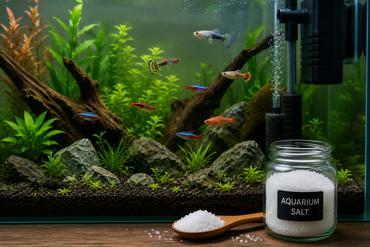
To use aquarium salt effectively, you must first understand what it is and how it affects the aquatic environment. Aquarium salt is pure evaporated sea salt composed almost entirely of sodium chloride (NaCl). Unlike marine salt mixes, which contain synthetic blends of trace elements, calcium, magnesium, and buffering agents designed to recreate ocean water, freshwater aquarium salt contains no additives, yellow prussiate of soda (anti-caking agents), or iodized minerals found in standard kitchen table salt. It is also distinct from Epsom salt (magnesium sulfate), which is primarily used to relieve constipation, bloat, and fluid retention in fish.

The primary therapeutic mechanism of aquarium salt relies on the biological process of osmoregulation. Freshwater fish maintain higher internal salt concentrations within their bodily fluids and cells than the surrounding freshwater environment. Because water naturally flows through semi-permeable biological membranes from areas of low solute concentration to high solute concentration, water is constantly entering the body of a freshwater fish through its skin and gills. To prevent swelling and cellular disruption, the fish’s kidneys work continuously to pump excess water out of the body while absorbing essential electrolytes.

When a fish is stressed, injured, suffering from fin rot, or battling an infection, its protective slime coat breaks down, making osmoregulation significantly harder and more energy-intensive. By adding a low concentration of aquarium salt to the water, you raise the osmotic pressure of the surrounding environment slightly closer to the internal salinity of the fish. This reduces the osmotic gradient, lessening the volume of water forcing its way into the fish's tissue. Consequently, the fish expends far less physical energy on pumping out water and can redirect vital bodily resources toward immune defense, tissue repair, and healing.

Additionally, chloride ions from dissolved aquarium salt compete directly with nitrite ions for absorption across a fish's gills. During an emergency where biological filtration stalls or a nitrogen cycle spike occurs, nitrite enters the bloodstream and turns hemoglobin into methemoglobin, which destroys the blood's ability to transport oxygen (commonly referred to as "brown blood disease"). Introducing small amounts of sodium chloride introduces chloride ions that block nitrite uptake, effectively neutralizing nitrite toxicity while you rectify your water parameters.

When You Should Use Aquarium Salt: Primary Applications and Benefits

Aquarium salt serves as an exceptionally effective, non-chemical treatment option when applied under the right circumstances. Because pathogens and parasites have different cellular tolerances than complex organisms, controlled doses of salt can eliminate microscopic pests without introducing harsh synthetic chemicals or antibiotics into your biological filter.

Here are the primary scenarios where using freshwater aquarium salt is beneficial:

  • Treating External Parasites: Parasites such as Ichthyophthirius multifiliis (Ich or White Spot Disease), Chilodonella, Costia, and Epistylis are vulnerable to elevated salinity. Dosing salt disrupts the cell membranes of single-celled protozoans and free-swimming parasites, causing them to dehydrate and collapse before they can reattach to host tissue.
  • Mild Bacterial and Fungal Infections: Salt acts as a mild disinfectant and promotes healthy mucus production. When fish suffer from minor bacterial fin rot, body slime infections, or saprolegnia (cottony fungus) on surface wounds, a mild salt solution accelerates slime coat regeneration and deters secondary pathogens.
  • Reducing Nitrite Toxicity During Emergencies: If your tank experiences an unexpected spike in nitrite—often during an unestablished tank cycle or after a biological filter crash—adding salt at a concentration of 1 level teaspoon per gallon provides immediate chemical protection against brown blood disease.
  • Easing Acclimation and Transport Stress: Moving fish between tanks, shipping them across distances, or introducing new specimens to a quarantine aquarium causes acute stress. A light dose of salt helps compensate for electrolyte loss caused by stress-induced membrane permeability.
  • Promoting Wound and Tissue Recovery: For fish suffering from physical injuries, lost scales, or nip marks from aggressive tankmates, salt encourages rapid cell proliferation and reduces systemic osmotic shock while skin tissue closes.

When using salt therapeutically, it can be administered in two primary ways: long-term bath treatments in the main aquarium (or quarantine tank) or short-term high-concentration dips. Long-term baths utilize low concentrations over several days or weeks, whereas short dips expose the fish to a dense salt solution for 5 to 30 minutes to strip heavy external parasite loads. If you are dealing with persistent health issues in your tank, knowing how to identify and manage common freshwater tropical fish diseases ensures you choose the correct medical approach before applying salt across your entire aquatic setup.

When to Avoid Aquarium Salt: Sensitive Species and Common Pitfalls

Despite its long history in the hobby, aquarium salt should never be applied indiscriminately. In fact, adding salt to a community aquarium without assessing the resident species, plant life, and long-term water parameters is one of the most frequent mistakes made by beginner fishkeepers.

Freshwater organisms have evolved over millions of years across vastly different aquatic biomes. Species originating from soft, acidic river basins—such as the Amazon River or blackwater tributaries—have specialized biological adaptations for low-mineral environments. Exposing these organisms to sudden spikes in salinity disrupts their cellular balance, leading to organ strain, respiratory distress, or death.

You should strictly avoid using aquarium salt in the following scenarios:

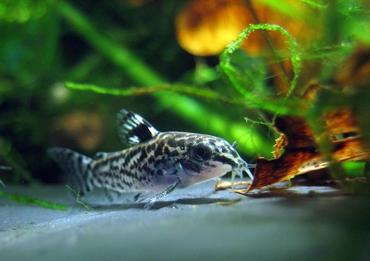
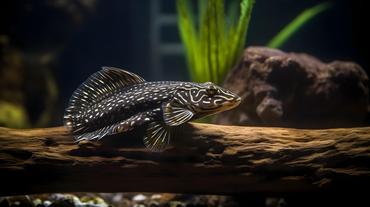
  • Scale-less Fish and Soft-Water Catfish: Fish that lack traditional protective scales rely on delicate, permeable skin layers. Species such as Corydoras catfish, Otocinclus, Plecostomus species, Clown Loaches, and Kuhli Loaches absorb salt rapidly, leading to severe osmotic burn and toxicity.
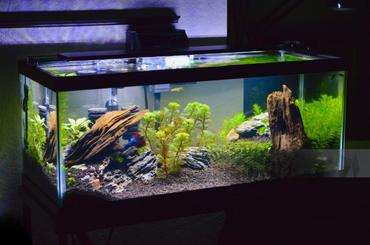
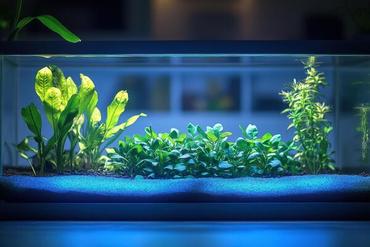
  • Live Aquarium Plants: Aquatic plants absorb nutrients through delicate cellular walls. Salt draws moisture directly out of plant tissues through osmosis, causing foliage to yellow, melt, and die back. Sensitive species like Cryptocoryne, Vallisneria, Amazon Swords, and Java Moss show rapid decay even at minimal salt concentrations.
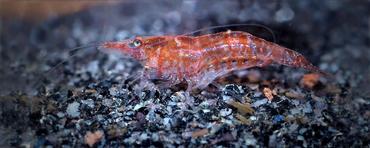
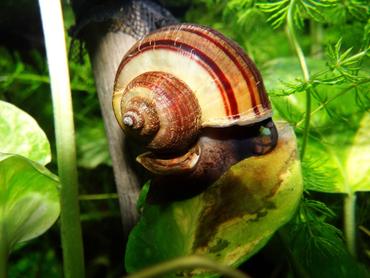
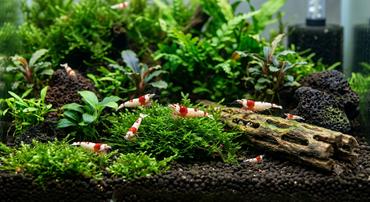
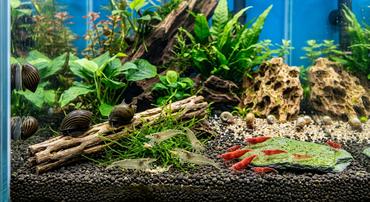
  • Freshwater Invertebrates: Snails (such as Nerite, Mystery, and Ramshorn snails) and ornamental dwarf shrimp (including Neocaridina Red Cherry shrimp and Amano shrimp) are highly sensitive to sodium chloride. Salt interferes with their molting cycles and osmotic equilibrium, frequently proving fatal.
  • Preventative Routine Maintenance: Adding salt during regular water changes "just in case" is a harmful practice. Constant low-level salt exposure forces soft-water species into perpetual physiological stress, damages live plants, and selects for salt-resistant bacterial strains over time.

Another crucial chemical reality that hobbyists frequently overlook is that aquarium salt does not evaporate. When water evaporates from your tank, sodium and chloride ions remain behind in the water column, increasing the concentration of dissolved solids. If you top off evaporated water with salt-treated water instead of pure freshwater, or if you fail to execute thorough water changes after completing a medication schedule, salt levels will gradually creep up to toxic thresholds. Understanding basic water chemistry principles, including understanding the aquarium nitrogen cycle, helps you maintain stable conditions without relying on unnecessary chemical additives.

Species Compatibility and Practical Dosing Protocols

Because species tolerance varies dramatically across freshwater taxa, matching your treatment approach to your tank’s specific inhabitants is essential for a safe outcome. Below is a breakdown of common freshwater species categorized by their salt tolerance level, followed by standard dosing protocols.

Salt-Tolerant Species

These species hail from brackish estuaries, hard-water mineral lakes, or possess robust physiological mechanisms that handle sodium chloride with ease:

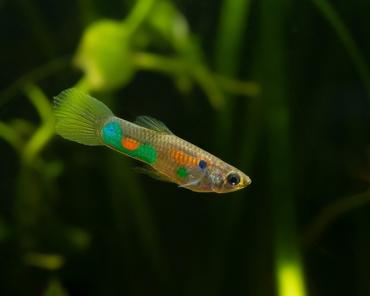
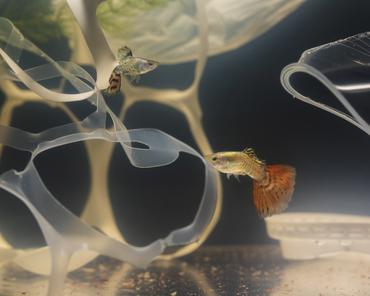
Livebearers: Guppies, Mollies, Platies, and Swordtails thrive in hard water and tolerate moderate to high salinity exceptionally well. In fact, Mollies frequently inhabit natural brackish waters.

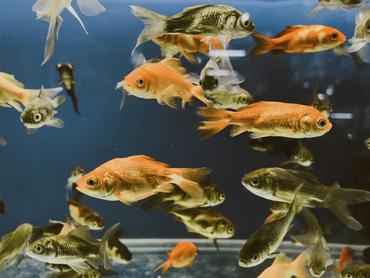
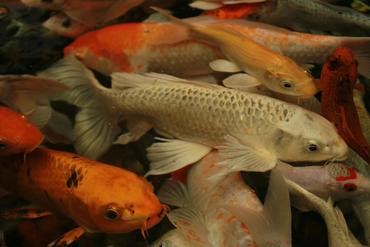
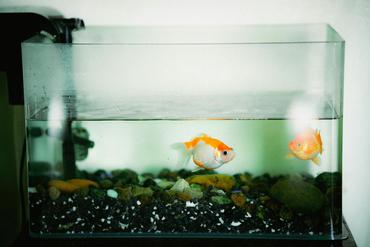
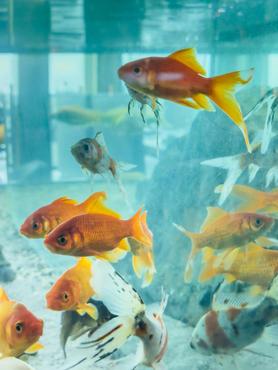
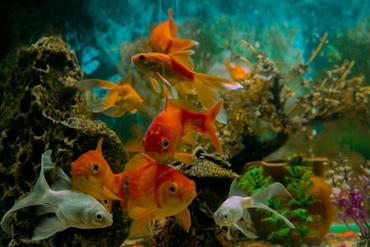
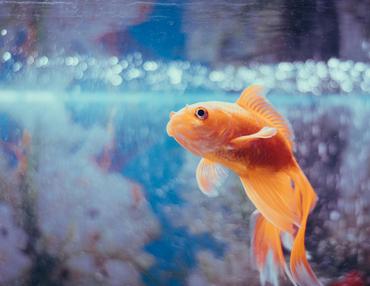
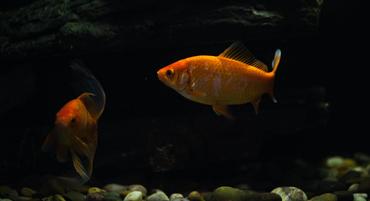
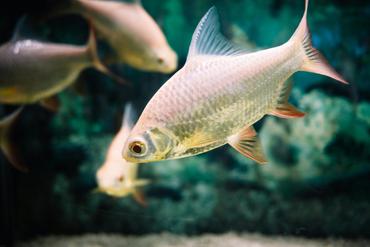
Goldfish and Koi: Coldwater cyprinids possess thick scale layers and heavy slime coats, making them prime candidates for salt treatments when recovering from ulcers, protozoan parasites, or fin damage.

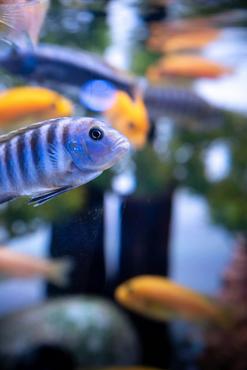
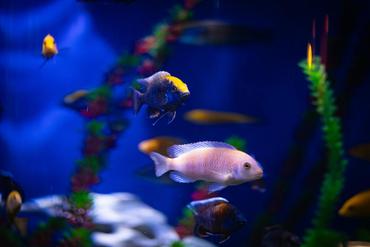
African Cichlids: Rift Valley cichlids (from Lake Malawi, Tanganyika, and Victoria) are adapted to high mineral concentrations and hard water, allowing them to handle therapeutic salt doses safely.

Salt-Sensitive Species

These species should generally never be exposed to full-strength salt treatments in a main display tank; always isolate them in a dedicated hospital tank or utilize alternative treatments:

Catfish and Loaches: Corydoras (e.g., Corydoras aeneus, Corydoras julii), Plecos (such as Bristlenose or Rubber Lip Plecos), and Clown Loaches.

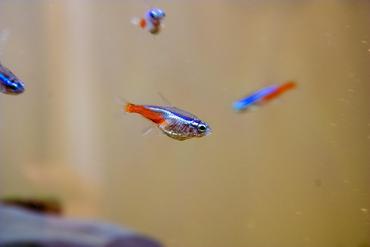
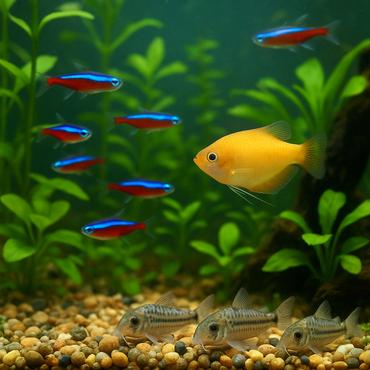
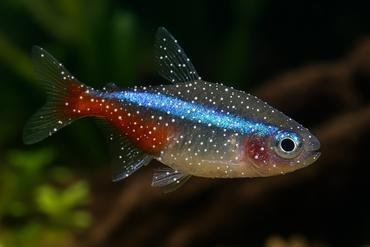
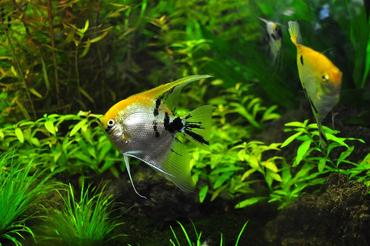
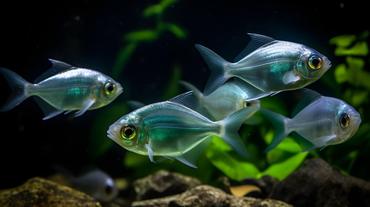
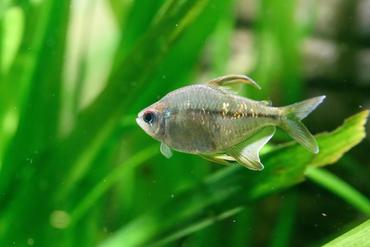
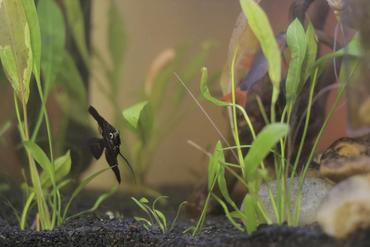
Tetras and South American Cichlids: Neon Tetras, Cardinal Tetras, Rummynose Tetras, Discus, and Angelfish adapted to soft, low-pH Amazonian waters.

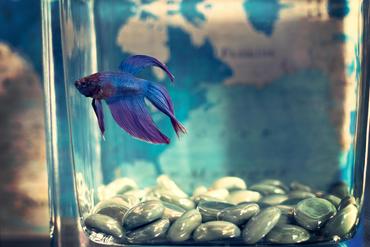
Anabantoids: Delicate Gouramis and wild-type Bettas can experience gill irritation under elevated salinity if doses are not kept minimal.

Step-by-Step Dosing Guidelines

When administering aquarium salt, never dump dry granules directly into your aquarium. Undissolved salt crystals settling on the substrate will burn benthic fish, destroy biological substrate bacteria, and cause localized chemical shock. Always dissolve the calculated amount of salt in a container of warm aquarium water before slowly pouring the liquid solution into high-flow areas near your filter outlet.

Level 1 Dose (Mild Stress Relief & Nitrite Protection):
Ratio: 1 tablespoon per 5 gallons of water (approx. 0.1% salinity).
This low concentration is suitable for general stress recovery, mild fin damage, or protecting against mild nitrite spikes. It is generally tolerated by most hardy fish for short periods.

Level 2 Dose (Mild Parasites & Bacterial Fin Rot):
Ratio: 1 tablespoon per 3 gallons of water (approx. 0.2% salinity).
An effective therapeutic range for combating early-stage Ich outbreaks, velvety body fungus, or systemic stress in salt-tolerant species. Monitor sensitive species closely if forced to treat in a shared environment.

Level 3 Dose (Severe Parasitic Outbreaks & Hospital Tank Treatment):
Ratio: 1 tablespoon per 1 gallon of water (approx. 0.3% salinity).
This high-strength dose should only be maintained in a dedicated hospital tank housing salt-tolerant species (such as Goldfish or Guppies). Maintain this level for 7 to 14 days to break parasite lifecycles completely.

Short-Term Therapeutic Dip (Concentrated Flash Treatment):
Ratio: 4 to 5 teaspoons per 1 gallon of water (approx. 1.0% salinity).
Prepare a clean bucket with tank water and fully dissolved salt. Submerge the affected fish for 5 to 15 minutes while observing continuously. If the fish rolls on its side, exhibits loss of balance, or piping at the surface, immediately return it to the main aquarium. Dips rapidly knock off heavy parasite loads like leech attachments or stubborn protozoa without exposing your main display tank, live plants, or biological media to salt.

Compatibility and Care Considerations for Community Aquariums

Managing a planted community aquarium requires balancing the distinct physiological requirements of diverse fish, plants, and beneficial microflora. When health issues arise in a mixed tank, opting to treat the entire aquarium with salt often creates collateral damage that far outweighs the initial illness.

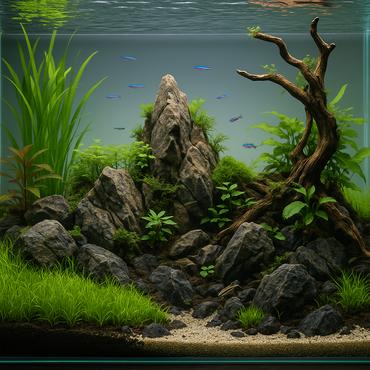
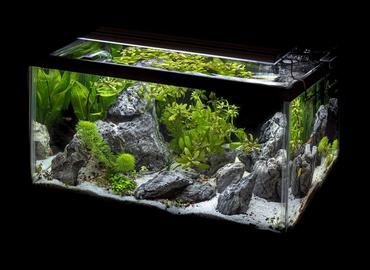
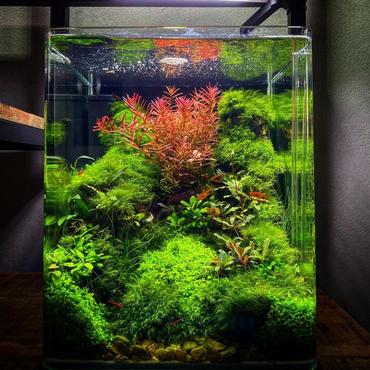
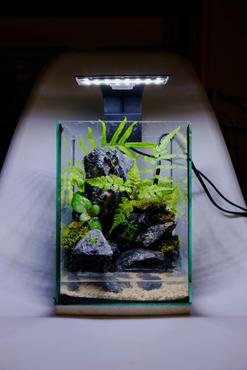
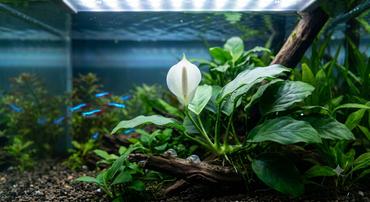
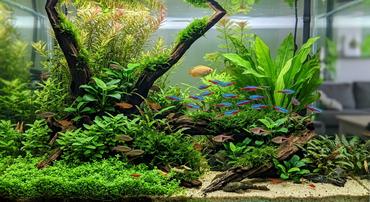
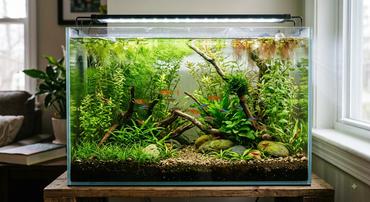
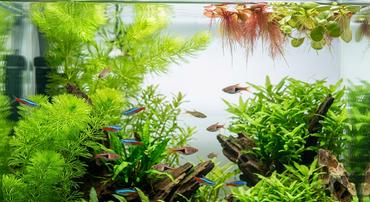
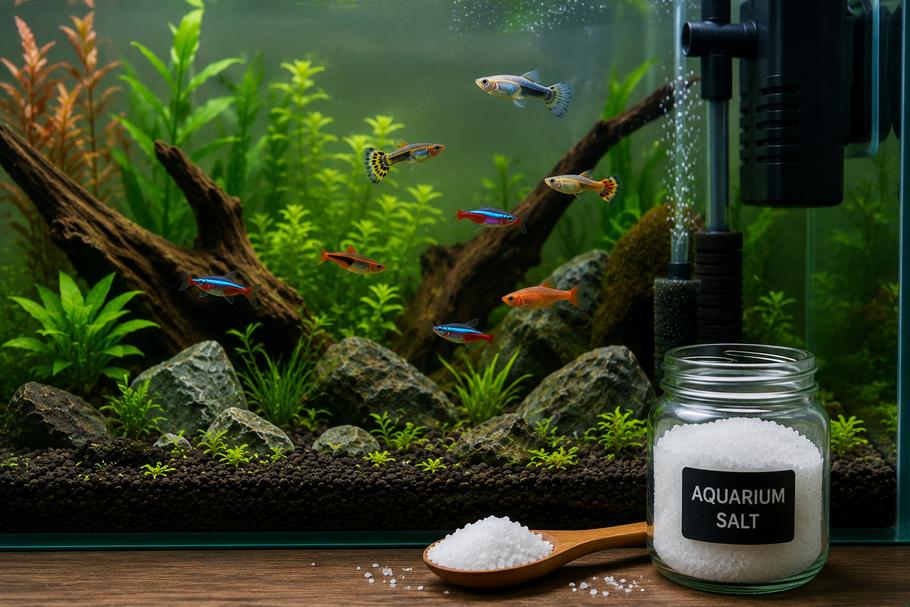
If your planted tank houses a mixed community of Neon Tetras, Corydoras catfish, and Nerite snails along with lush aquascaping, dosing salt directly into the display tank will likely trigger plant die-off, invert mortality, and stress among soft-water inhabitants. Dead plant tissue and dying invertebrates will subsequently decay, creating massive ammonia spikes that compromise your nitrogen cycle and exacerbate the health crisis.

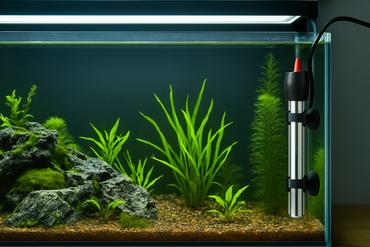
For community aquariums, the safest and most practical approach is implementing a dedicated quarantine or hospital tank. A bare-bottom 10-gallon aquarium equipped with a simple sponge filter, a submersible heater, and basic PVC pipe hideouts provides a controlled environment where you can adjust salinity levels precisely without risking your display ecosystem. Quarantining sick individuals allows you to deliver high therapeutic salt concentrations directly to the fish that need it, keeping your display tank's aquascape, sensitive invertebrates, and soft-water bottom-dwellers completely safe.

If you prefer to maintain a healthy display tank naturally through proper biological design and flora selection, exploring options for low-light aquarium plants for beginners will help you build a durable environment that thrives without requiring excessive chemical intervention.

Common Beginner Mistakes and Safer Alternatives

Navigating medication choices in the aquarium hobby can feel daunting, and misinterpreting how salt interacts with aquarium chemistry often leads to preventable losses. Steering clear of these common pitfalls will keep your aquatic environment safe and stable:

1. Using Table Salt or Marine Reef Salt Instead of Pure Aquarium Salt:
Table salt contains sodium ferrocyanide or yellow prussiate of soda as anti-caking agents, along with added iodine, all of which are toxic to fish in high concentrations. Marine reef salt, on the other hand, contains heavy buffers designed to raise pH and carbonate hardness (KH) to ocean levels, which can cause severe osmotic and chemical shock in freshwater fish. Always verify that your product is labeled specifically as non-iodized, additive-free freshwater aquarium salt.

2. Forgetting That Salt Leaves Only via Water Changes:
As stressed earlier, salt does not evaporate or break down biologically. If you add 5 tablespoons of salt to a 20-gallon tank and replace evaporated water over a month without performing actual water changes, the salt concentration remains identical while the water volume decreases, resulting in hyper-salinity. To remove salt after treatment, execute a series of 20% to 25% water changes over several days using fresh, conditioned tap water.

3. Confusing Aquarium Salt with Epsom Salt:
While aquarium salt is sodium chloride (NaCl), Epsom salt is magnesium sulfate (MgSO4). They serve completely different therapeutic roles. Sodium chloride aids osmotic recovery, gill function, and external parasite removal. Epsom salt acts as a muscle relaxant and laxative, drawing fluid out of the body cavity to treat dropsy, severe constipation, swim bladder bloat, and internal organ inflammation. Using aquarium salt when a fish is suffering from fluid retention (dropsy) will actually worsen swelling and accelerate kidney failure.

4. Overlooking Non-Chemical Alternatives:
Salt is not the only non-prescription remedy at your disposal. Many mild infections and parasitic issues can be resolved using environmental tweaks. For instance, raising the aquarium water temperature gradually to 82°F–86°F (for heat-tolerant species) speeds up the life cycle of Ich parasites, allowing them to die off naturally or be filtered out. Similarly, increasing the frequency of water changes to maintain pristine water conditions is often all a fish needs to heal minor fin nips and superficial bacterial issues on its own.

Final Takeaways and Summary

Freshwater aquarium salt remains one of the most powerful, affordable, and versatile tools in a hobbyist's arsenal when used with intent and precision. By supporting osmoregulation, knocking out external parasites, and neutralizing nitrite toxicity, salt can save fish lives during critical health emergencies. However, its longevity in the water column, toxicity toward scale-less species and live plants, and potential to cause chronic stress mean it should never be used as a routine tank additive or a substitute for good husbandry.

Before adding salt to your tank, always ask yourself three questions: Are the species in my tank tolerant of sodium chloride? Is my display tank planted or home to delicate invertebrates? Can I treat this issue more effectively in a separate quarantine tank or through clean water changes? By matching your care strategy to the biological needs of your specific fish, you ensure a safe, thriving, and resilient aquarium setup. For more practical fishkeeping advice, detailed species profiles, and expert care guides, explore our full library of resources right here on RateMyFishTank.com!
MOST RECENT ARTICLES

Fish to Avoid for Planted Freshwater Tanks
FISH TO AVOID FOR PLANTED FRESHWATER TANKS
Few things in the aquarium hobby match the breathtaking beauty of a lush, thriving planted freshwater tank, where vibrant greenery creates a natural underwater ecosystem for your livestock.
How to Modify PH in a Saltwater Tank
HOW TO MODIFY PH IN A SALTWATER TANK
Maintaining a thriving marine environment requires careful attention to water chemistry, and few parameters are as critical—or as frequently misunderstood—as pH.
The Benefits of Purchasing Saltwater Fish Online
THE BENEFITS OF PURCHASING SALTWATER FISH ONLINE
Transitioning into the vibrant realm of marine aquariums is one of the most rewarding journeys a fishkeeper can undertake, yet stocking a reef or fish-only tank often presents a frustrating challenge when relying solely on local fish stores.

Rate This Tank:

GENERAL AQUARIUM ARTICLES
Beyond the Naked Eye: Using AI and Vision Apps to Diagnose Fish Diseases Early
Every aquarium hobbyist knows the sinking feeling of approaching their tank in the morning only to see a prized Neon Tetra shimmying awkwardly or a Goldfish sporting a single, ominous white speck on its fin.
Freshwater Pipefish: The Challenge of Keeping the Sea Horse’s Cousin
For hobbyists who have spent years perfecting their community tanks and are looking for something truly extraordinary, the freshwater pipefish represents one of the most intriguing and rewarding challenges in the aquatic world.
The Medaka Fever
The Medaka Fever
The aquarium hobby is no stranger to trends, but every so often, a species emerges that captures the collective imagination of fishkeepers in a way that feels more like a revolution than a passing fad.
The Ethics of Captive Breeding: Supporting Sustainable Mariculture
As aquarium hobbyists, we share a passion for the underwater world.
Aquarium Photography: Pro Tips for Capturing the Perfect Tank Shot
Capturing your aquarium in all its vibrant glory is a goal many aquarium hobbyists strive for.
MANAGING "OLD TANK SYNDROME": REJUVENATING LONG-TERM ESTABLISHED SYSTEMS
As your aquarium matures, it’s natural to feel a sense of pride watching your aquatic ecosystem grow and thrive.
The Psychology of Fishkeeping: How Visual Rhythms in Aquascaping Reduce Human Stress
Fishkeeping is often seen as a relaxing hobby, but it offers far more than simply a means to pass the time.
Small But Mighty: A Guide to Keeping the Everglades Pygmy Sunfish (Elassoma evergladei)
Deep within the slow-moving blackwater swamps and densely vegetated ditches of the Southeastern United States dwells a tiny titan that has captured the hearts of nano-aquarium enthusiasts worldwide: the Everglades Pygmy Sunfish (Elassoma evergladei).
The Therapeutic Tank: How Fishkeeping Helps Manage ADHD, Anxiety, and Sensory Processing Disorders
For many aquarium enthusiasts, the hobby begins with the simple desire to bring a piece of the natural world indoors, yet they quickly discover that the rhythmic swaying of aquatic plants and the gentle glide of fish offer much more than aesthetic appeal.
The Zen of Aquascaping: Using Iwagumi Principles for Mindfulness and Stress Relief
In the modern world, the constant noise of digital notifications and the fast-paced demands of daily life often leave us searching for a sanctuary where we can reclaim a sense of peace.
The Rise of Smart Leak Detection: Protecting Your Home from Aquarium Disasters
There is no sound more terrifying to an aquarium hobbyist than the slow, steady drip of water hitting a hardwood floor in the middle of the night.
Voice-Controlled Aquariums: Integrating Your Tank with Alexa and Google Home
The modern aquarium hobby is undergoing a digital transformation that goes far beyond high-tech filters and LED lighting.
Computer Vision for Fish Health
Aquarium hobbyists have always relied on careful observation to keep their fish healthy.
Overstocking Myths vs Reality
Setting up a new aquarium is an exercise in restraint that many hobbyists, both beginners and seasoned veterans, find difficult to master.
Blackwater & Biotope Aquariums (Natural-Style Boom)
For decades, the gold standard of the home aquarium was a pristine, crystal-clear box of water, often decorated with neon gravel and plastic plants that bore little resemblance to the wild.
Sustainable & Ethical Fishkeeping
Bringing a slice of the underwater world into your home is a rewarding experience, but as the hobby grows, so does our responsibility to ensure that our passion doesn’t come at the expense of the environments we admire.
Our Guide to How Often to Feed Aquarium Fish
One of the most common questions every aquarist asks—from the first-time Goldfish owner to the seasoned reef enthusiast—is exactly how often those hungry mouths should be fed.
Community Fish Compatibility Guide
Creating a thriving community aquarium is one of the most rewarding aspects of the fish-keeping hobby, but it requires much more than simply picking out the most colorful fish at the local pet store.
Father Fish–Style Natural Aquariums: What Beginners Should Know
Natural aquariums are often described as “set it and forget it,” but the truth is calmer and more practical: you trade constant cleaning for thoughtful setup, steady habits, and time.
Fishless Cycling vs Fish-In Cycling: Which Method Is Best for Your Aquarium?
Setting up a new aquarium is one of the most exciting moments in the fishkeeping hobby—but it’s also where most beginners unintentionally make mistakes that lead to stressed fish, disease outbreaks, or early losses.
Quarantine Tanks Explained: Why Most Fish Loss Happens in the First 30 Days
The first month after you bring home new fish is when most preventable losses happen—often because the fish are stressed, carrying hidden parasites, or placed into a tank that isn’t ready for them.
Beginner Aquarium Mistakes That Kill Fish in the First 30 Days
The first 30 days of owning an aquarium are often referred to as the "danger zone" for both the hobbyist and the fish.
Low-Light Aquarium Plants for Beginners
The transition from a basic fish tank to a lush, living underwater garden is often the most rewarding milestone for any aquarium enthusiast.
Top 10 Nano Predators (and How to Keep Them Peacefully)
The allure of the predatory fish has long been a driving force in the aquarium hobby, drawing enthusiasts toward the raw, primal energy of nature's most efficient hunters.
Predictive Analytics for pH Crashes
Maintaining a thriving aquarium is often described as a balancing act, but few things can tip the scales toward disaster faster than a sudden pH crash.
Hardcore Aquascaping & Geology
Hardcore aquascaping is where aquarium keeping meets geology, architecture, and natural ecosystem design.
Decoding Fish Body Language
Fish may not bark, chirp, or meow, but they communicate constantly through movement, posture, swimming patterns, coloration, and social behavior.
Wabi Kusa for Beginners
Wabi Kusa has become one of the most creative and relaxing trends in the aquarium hobby, blending aquascaping, terrarium design, and nature-inspired artistry into a compact living display.
The Dark Start Method
The Dark Start Method: A Smarter Way to Start a Planted Aquarium Starting a new aquarium is exciting, but many hobbyists quickly run into one frustrating problem: algae outbreaks.
The In-Wall Evolution
In-wall aquariums have undergone a major transformation over the years, evolving from complicated luxury installations into practical and highly rewarding aquarium systems for hobbyists of all experience levels.
Nano & Pico Ecosystems for Urbanites
Living in a city apartment or compact home no longer means giving up the dream of owning a beautiful aquarium.
Coldwater Gems Beyond Goldfish
For many new hobbyists, the term "coldwater aquarium" is synonymous with a single orange fish in a glass bowl.
The Hidden World of Micro-Predators
When most hobbyists envision a predatory fish, they picture a massive Oscar lunging for a feeder or a sleek Shark patrolling a saltwater reef.
Off-Grid Aquarium Systems
Off-grid aquarium systems are becoming increasingly popular among hobbyists who want greater independence, sustainability, and resilience in their fishkeeping routines.
Vertical Wall Aquariums 2026
Vertical wall aquariums are becoming one of the most talked-about aquarium design trends in 2026, especially for hobbyists who want to maximize style without sacrificing floor space.
The Desk-Integrated Nano Tank
A desk-integrated nano tank is one of the most rewarding ways to enjoy the aquarium hobby without dedicating an entire room to a large setup.
Fish Compatibility Checker: How to Build Peaceful Freshwater and Saltwater Communities
Starting a new aquarium is one of the most exciting moments in the hobby, but nothing halts that enthusiasm faster than waking up to find a once-vibrant community decimated by aggression or stress.
The Eco-Conscious Hobbyist
The modern aquarium hobby is evolving, and today’s fishkeepers are thinking beyond aesthetics to consider their environmental impact.
Urban Fish Farming (Aquaponics 2.0)
Urban fish farming—often referred to as Aquaponics 2.
Smart Feeding for Slow Eaters
In the vibrant, fast-paced world of a home aquarium, feeding time can often resemble a chaotic underwater race where the fastest and boldest residents claim the lion's share of the resources.
Captive-Bred Saltwater Gems
For decades, the saltwater aquarium hobby relied almost exclusively on wild-caught specimens harvested from coral reefs across the globe, a practice that often introduced high stress levels and acclimation challenges for the average hobbyist.
Fishkeeping for Renters
For many aquarium enthusiasts, the dream of a massive 100-gallon reef tank or a sprawling African Cichlid wall often hits a significant roadblock: a standard residential lease agreement.
The Classroom Aquarium Guide
Transforming a classroom with a living ecosystem is one of the most rewarding projects a teacher can undertake, offering a dynamic, hands-on window into biology, chemistry, and responsibility.
Walstad vs High-Tech Tanks: Which Is Better for Beginners?
If you’re new to planted aquariums, you’ve probably come across two very different approaches: the low-tech, natural Walstad method and the equipment-driven high-tech planted tank.
Father Fish Method Explained: Does It Really Work?
The aquarium hobby is full of different philosophies, but few have sparked as much curiosity—and debate—as the “Father Fish Method.
Automated Glass Care: A review of the latest robotic glass cleaners
Keeping aquarium glass clean is one of the most common challenges for beginner and intermediate hobbyists.
Zero-Waste Fishkeeping: Repurposing aquarium
Aquarium keeping is a hobby built around creating a tiny ecosystem inside glass walls—but many hobbyists overlook how much usable material their tanks produce.
Conversational Aquariums: Integrating Voice Assistants (Alexa/Google) for hands-free feeding and lighting control
Modern aquarium technology is evolving quickly, and one of the most exciting trends for hobbyists is the rise of “conversational aquariums.
Do You Know What You Are Feeding Your Fish?
Walking down the aquarium aisle of a local pet store can be a dizzying experience.
What Is Driftwood Doing in Your Tank?
Adding a piece of driftwood to your aquarium is one of the most effective ways to transform a sterile glass box into a thriving, natural ecosystem.
Top 10 Beginner-Friendly Freshwater Fish (Ranked by Ease of Care)
Diving into the world of freshwater aquariums is an exhilarating journey, but for many beginners, the initial excitement is often met with the daunting challenge of keeping their new aquatic residents alive and thriving.
Best Fish for a 10-Gallon Tank with Plants: Top Choices for a Thriving Nano Aquarium
Starting a 10-gallon aquarium is one of the most exciting entries into the fish-keeping hobby, offering a perfect balance between a manageable footprint and enough space to create a stunning underwater garden.
Betta Fish in a Planted Tank: Setup, Care & Mistakes to Avoid
The Betta fish, with its cascading fins and kaleidoscopic colors, has long been the victim of the "bowl" myth, but modern aquarists are finally recognizing that these intelligent, labyrinth-breathing creatures truly flourish when placed in a living, breathing ecosystem.
Best Fish for a 10-Gallon Tank with Plants: A Complete Guide for Beginners
Starting a 10-gallon aquarium is one of the most exciting entry points into the fish-keeping hobby, offering a perfect balance between a manageable footprint and enough space to create a thriving underwater ecosystem.
Best Fish for a 10 Gallon Tank with Plants
Setting up a 10-gallon planted aquarium is one of the most rewarding projects a hobbyist can undertake, offering a perfect slice of nature that fits comfortably on a desk or side table.
The Benefits of Having a Nano Aquarium and Tips for Setting One Up
If you're fascinated by the beauty of aquatic life but think a full-sized aquarium might be too overwhelming, a nano aquarium could be the perfect solution.
What Are GloFish and How Do You Care for Them?
Bright, glowing fish that look like they belong in a science fiction movie have become a familiar sight in modern aquariums.
Creative hacks to keep your aquarium clean
Let’s be honest: while we all love the tranquil beauty of a thriving underwater ecosystem, very few of us actually enjoy the back-breaking labor of scrubbing algae at 10:00 PM on a Sunday.
Spring Cleaning: How to Clean and Give Your Old Tank New Life
Keeping your tank clean is about more than just aesthetics - it also affects your fish.
Tips for Spotting Signs of Distress in Your Fish Before It's Too Late
When you see signs of stress in your fish, you can then take steps to identify the source of that stress and then to resolve it before it becomes a major issue.
Why Your Aquarium Lighting Matters More Than You Think
For many new hobbyists, setting up an aquarium feels like a balancing act between water chemistry, filtration, and choosing the right fish.
What You Need to Know About All-in-One Aquariums
For many aspiring aquarists, the sheer volume of equipment required to start a successful tank—sumps, plumbing, external filters, and lighting—can feel overwhelming.
Simple Tips for Building a Saltwater Tank Without Breaking the Bank
The allure of a saltwater aquarium is undeniable—the vibrant colors of a Coral Beauty Angelfish, the rhythmic pulsing of Xenia corals, and the fascinating symbiotic relationship between a Clownfish and its anemone are enough to captivate any nature lover.
Aquascaping Tips to Reduce Aggression in Fish
Walking into a room and seeing a beautifully scaped aquarium is supposed to be a Zen experience, but for many hobbyists, that peace is shattered by the sight of a dominant fish relentlessly chasing its tank mates.
The Right and Wrong Way to Catch Fish
There is perhaps no moment more stressful for both an aquarist and their aquatic residents than the sight of a blue mesh net dipping into the water.
Aquarium Fish Medications - Do or Don't?
Learn about how aquarium fish medications work and what diseases they may be used for.
How to Build an Automatic Fish Feeder
Every aquarium hobbyist knows the subtle anxiety that creeps in the moment you lock your front door for a weekend getaway or a well-deserved vacation.
How to Keep Your Tank Safe During a Power Outage
A power outage is every aquarium hobbyist’s worst nightmare, often striking at the most inconvenient times—during a summer thunderstorm or a winter blizzard.
How Cycling the Tank Can Stress Your Fish
Setting up a new aquarium is one of the most exciting moments in the fishkeeping hobby, but it’s also where many beginners unknowingly create stressful — and sometimes deadly — conditions for their fish.
3 Problems Every Aquarist Can Avoid
Starting a new aquarium is an incredibly exciting journey, filled with the promise of vibrant underwater landscapes and the soothing motion of colorful fish.
History Of Fish Keeping As A Hobby
Fish keeping is one of the world’s oldest and most enduring hobbies, blending art, science, and a deep fascination with aquatic life.
How to Buy Aquarium Supplies Online
The transition from browsing the aisles of a local pet store to navigating the vast digital landscape of online aquarium retailers marks a significant milestone for any hobbyist looking to expand their aquatic horizons.
Smart Planted Tanks: Budget Automation for Lighting, CO₂, and Safety
Maintaining a lush, vibrant planted aquarium often feels like a balancing act between a rewarding hobby and a full-time job.
Blackwater Aquariums: How Tannins Improve Fish Health and Reduce Stress
The mysterious, tea-colored depths of a blackwater aquarium may look "dirty" to the uninitiated, but for many tropical fish species, these tannin-rich environments are a slice of paradise.
How to Fix Cloudy Water Fast (White, Green & Yellow Water Explained)
There is perhaps no greater disappointment for an aquarium enthusiast than approaching a carefully curated tank only to find the view obscured by a thick, mysterious haze.
Aquarium Hardscape Guide: Dragon Stone, Seiryu, Spider Wood & More.
Creating a captivating underwater landscape is about more than just choosing the right fish; it is about building a foundation that mimics the natural world.
Beginner-Friendly Oddball Fish: Unique Species That Work in Small Tanks
Want something cooler than guppies and tetras in your small aquarium, but not ready for ultra-demanding species?
Aquarium Science Myths: 10 Outdated Fishkeeping Rules You Should Stop Following
The world of fishkeeping has evolved dramatically over the last few decades, moving away from anecdotal "old wives' tales" toward a more rigorous, science-based approach to aquatic husbandry.
Eco-Friendly Aquarium Guide: Energy-Saving Gear and Responsible Stocking
The aquarium hobby offers a unique window into the wonders of the aquatic world, but as any seasoned hobbyist knows, maintaining a slice of the ocean or a tropical river in your living room requires a significant amount of resources.
Do You Need CO₂? Three Proven Paths to a Healthy Planted Tank
The lush, vibrant landscape of a masterfully scaped planted aquarium is often what draws newcomers into the hobby, but it is also the source of the most common question: do I really need a CO2 system to achieve this?
Cherry Shrimp Care for Beginners: Tank Setup, Water, and Breeding Tips
Cherry shrimp (Neocaridina davidi) have revolutionized the freshwater aquarium hobby, transforming the way enthusiasts view small-scale ecosystems.
Is My Fish Stressed? A 10-Minute Checklist to Prevent Emergencies
Walking into a room and seeing your fish acting unusual can be a heart-sinking experience for any hobbyist.
Brackish Aquariums for Beginners: Reliable Setups, Stocking, and Salinity Tips
The world of fishkeeping is often divided into two clear-cut camps: freshwater and saltwater.
Why Keep Aquarium Fish?
There is a unique kind of magic in bringing a slice of the aquatic world into your living room.
AI and Smart Technology in Aquariums: The Future of Fishkeeping
Technology is transforming the aquarium hobby faster than ever before.
Aquascaping for Beginners: Designing a Natural Underwater Landscape
Aquascaping is the transformative art of arranging aquatic plants, stones, driftwood, and substrate in a way that transcends the traditional fish tank, turning a glass box into a living, breathing underwater masterpiece.
Aquarium Water Chemistry Made Simple: pH, Hardness, and Healthy Fishkeeping
Walking into a local fish store and seeing a vibrant display of neon tetras or majestic angelfish is enough to make anyone want to dive headfirst into the aquarium hobby.
Driftwood in Aquariums: Benefits, Types, and How to Prepare It Safely
Adding a piece of driftwood to your aquarium is one of the most transformative decisions you can make as a hobbyist, shifting your tank from a simple glass box to a vibrant, living slice of nature.
Early Disease Identifications in the Tank
Maintaining a thriving aquarium is a rewarding journey, but even the most diligent hobbyist will eventually face the challenge of a sick fish.
Top Fish for Community Tanks
Creating a thriving community aquarium is one of the most rewarding experiences in the fish-keeping hobby, offering a dynamic window into a complex underwater ecosystem.
Emergency Power Outages: How to Protect Your Aquarium
Few things strike fear into the heart of an aquarium hobbyist like a sudden power outage.
CO2 for Planted Aquariums: A Beginner’s Guide to Healthier, Faster Growth
While many aquarium hobbyists start their journey with low-light plants like Anubias or Java Fern, they often find themselves wondering why their tanks do not look like the lush, vibrant underwater jungles seen in professional aquascaping competitions.
Aquarium Water Changes: How Often and How Much?
Maintaining a thriving aquarium is often described as a balancing act, and no single task is more critical to that balance than the routine water change.
Aquarium Temperature Guide: What’s Best for Your Fish?
Maintaining the perfect environment for your aquatic pets is a delicate balancing act, and temperature is arguably the most critical variable in the equation.
Read more articles (96)

READ AQUARIUM ARTICLES