MANAGING "OLD TANK SYNDROME": REJUVENATING LONG-TERM ESTABLISHED SYSTEMS
What is Old Tank Syndrome?
Old Tank Syndrome (OTS) refers to the gradual degradation of an aquarium’s ecosystem over time. As the tank matures, it can accumulate various issues that cause imbalances in the water quality, the growth of unwanted algae, and a decline in the overall health of the tank’s inhabitants. Unlike newer setups, long-established tanks often suffer from unseen problems that arise from a combination of biological and chemical factors. Fish and plants may also become stressed due to poor water quality or inadequate tank maintenance.
The most common symptoms of OTS include:
- Algae overgrowth: As excess nutrients accumulate in the tank, it creates an ideal environment for algae to thrive.
- Poor water quality: Over time, organic matter from fish waste, decaying plants, and uneaten food can build up, leading to elevated nitrate and phosphate levels.
- Imbalanced biological filtration: The beneficial bacteria that keep your tank’s nitrogen cycle in check may become overwhelmed or inefficient.
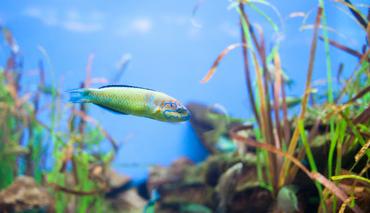
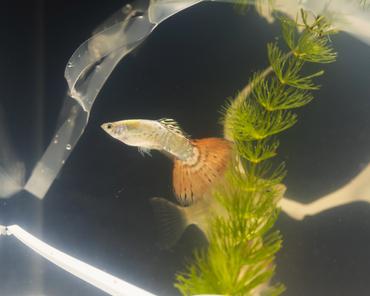
- Stress in fish: Fish can show signs of stress, such as erratic swimming or loss of color, due to deteriorating water conditions.
But don’t worry—Old Tank Syndrome is manageable, and with the right approach, you can rejuvenate your tank and restore its vibrant ecosystem.
Step 1: Assessing Your Tank’s Water Quality
The first step in managing Old Tank Syndrome is to thoroughly assess your aquarium’s water quality. As tanks age, organic waste such as uneaten food, fish waste, and decaying plants can build up in the substrate and filter. This results in elevated nitrate and phosphate levels, which are the primary culprits behind poor water quality and algae blooms.
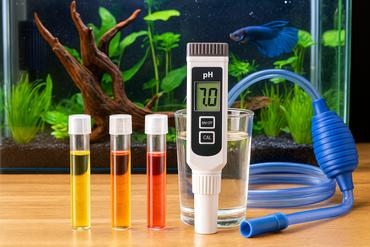
Regular water testing is essential for determining whether your water quality is at optimal levels. Test for the following key parameters:
- Ammonia and Nitrite: These toxins should always be at zero, as they are harmful to fish and indicate that the nitrogen cycle isn’t functioning properly.
- Nitrate: A nitrate level of 20-40 ppm (parts per million) is generally safe, but if the level exceeds 50 ppm, it’s time to take action.
- pH: The pH level should be stable and match the needs of your fish and plants. Drastic fluctuations can cause stress.
- Phosphate: High phosphate levels are often linked to algae overgrowth. A phosphate level below 1 ppm is ideal for most aquariums.
If you find that your nitrate or phosphate levels are too high, it’s time to take action. A combination of water changes, proper filtration, and nutrient control will help improve water quality.
Step 2: Improving Filtration and Cleaning the Substrate
Old Tank Syndrome often results from the buildup of organic material in the tank’s substrate and filter. Over time, filters may become clogged or inefficient, and the substrate may accumulate debris, leading to poor water flow and reduced filtration efficiency.
To improve filtration and maintain a healthy environment for your fish, consider the following actions:
- Clean or replace your filter media: Over time, filter media can become clogged with debris and detritus, reducing its effectiveness. Clean your filter thoroughly, or replace worn-out media as needed. For biological filtration, be sure to maintain a balance between cleaning and preserving beneficial bacteria colonies.
- Upgrade your filtration system: If your tank has outgrown its filter, it may be time to invest in a more powerful filter that can handle the increased bio-load. A high-quality filter can help prevent poor water quality and algae growth.
- Vacuum the substrate: Regular substrate cleaning removes debris and detritus, which can contribute to nitrate buildup. Use a gravel vacuum to gently clean the substrate, especially in areas that don’t get disturbed by your fish or plants.
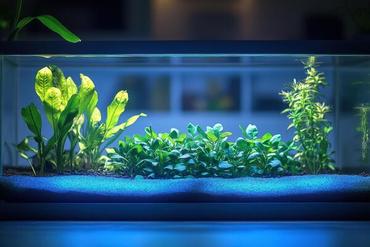
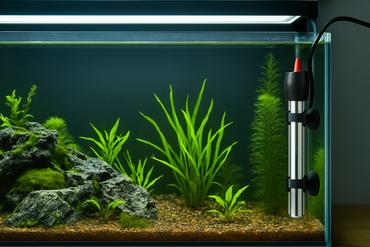
- Consider adding live plants: Live plants not only improve the aesthetics of your tank but also help absorb excess nutrients, reducing the risk of algae blooms. Plants like Java Fern, Anubias, and Cryptocoryne are excellent choices for both beginners and advanced aquarists.
For more detailed advice on filter maintenance, check out our filter maintenance guide to keep your system running efficiently.
Step 3: Reducing Algae Growth
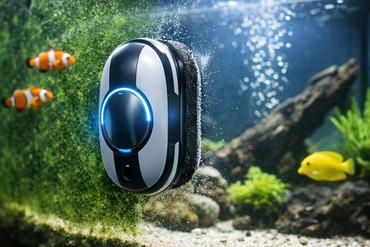
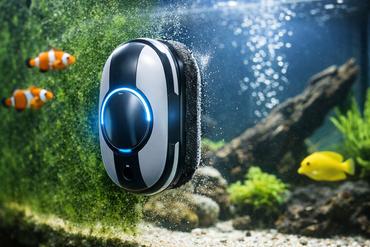
Algae overgrowth is one of the most noticeable signs of Old Tank Syndrome. Excess nutrients in the water, such as nitrates and phosphates, provide the perfect conditions for algae to thrive. Over time, these algae can overwhelm your tank, covering surfaces like glass, rocks, and decorations.
To combat algae growth and restore a clean, healthy aquarium, try the following methods:
- Perform regular water changes: Regular water changes (around 20-30% every 1-2 weeks) are essential for maintaining water quality and preventing nutrient buildup. This helps to remove excess nitrates and phosphates from the water.
- Control lighting: Algae thrives in high light conditions. Limit your tank’s lighting to 8-10 hours per day to prevent excess algae growth. Consider using a timer to ensure consistent lighting periods.
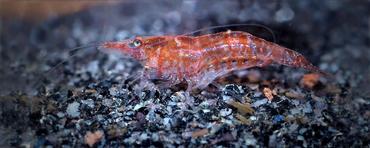
- Introduce algae-eating species: Certain fish and invertebrates are excellent at controlling algae. Species such as Otocinclus Catfish, Amano Shrimp, and Siamese Algae Eaters are particularly effective at grazing on algae without damaging your plants.
- Use chemical treatments (with caution): If algae growth is out of control, you can use chemical algaecides. However, these should only be used as a last resort and should be followed by careful water testing to ensure they don’t negatively affect your tank's ecosystem.
Step 4: Refreshing Your Fish and Plant Stock
Over time, your tank’s inhabitants may become stressed or outgrow the environment, leading to diminished health and vitality. Fish may also become more prone to disease or show signs of aging, and plants may struggle to thrive due to nutrient deficiencies or old substrate. Refreshing your stock can reinvigorate your aquarium and restore its health.
Here are some tips for refreshing your aquarium’s stock:
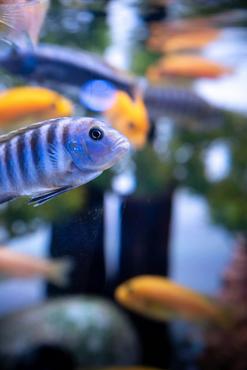
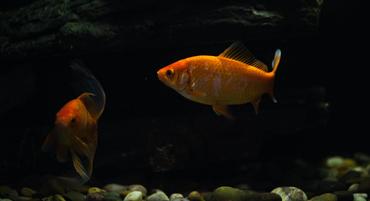
- Replace aging fish: If you have long-lived fish like Goldfish or Cichlids, they may begin to show signs of aging after several years. Consider introducing new fish species to refresh the tank’s energy and diversity. Be mindful of compatibility when adding new fish to avoid aggression or stress among the inhabitants.
- Replant your tank: Over time, plants may die off or become crowded. Refresh your plants by removing old, decaying ones and adding new species to create a more vibrant, healthy environment. Species like Amazon Sword and Vallisneria thrive in well-maintained tanks.
- Check fish compatibility: When adding new fish, make sure they are compatible with your existing tank mates. For example, avoid adding aggressive species like African Cichlids to a tank with peaceful community fish.
Step 5: Monitoring and Maintaining Long-Term Tank Health
Rejuvenating an established tank requires ongoing attention to its health. Once you've addressed water quality, algae control, filtration, and stock refreshment, it's important to continue monitoring your tank to ensure its long-term success. Regular maintenance is essential for preventing another onset of Old Tank Syndrome.
- Test water regularly: Continue testing your water parameters every 2-4 weeks to ensure that everything remains in check. Address any issues as soon as they arise to avoid further stress on the tank's ecosystem.
- Perform routine maintenance: In addition to water changes, continue to clean the substrate, check the filter, and prune plants as needed. Keeping your tank clean and well-maintained prevents waste buildup and encourages a healthy environment.
- Observe your fish and plants: Watch for any signs of stress, disease, or unusual behavior in your fish. Regularly check your plants for signs of nutrient deficiencies, like yellowing leaves or stunted growth.
Takeaway: Keeping Your Tank Healthy for the Long Run
Old Tank Syndrome is a common challenge for long-term aquarium hobbyists, but with the right approach, it’s entirely manageable. By addressing water quality, improving filtration, controlling algae growth, refreshing your stock, and maintaining a regular maintenance routine, you can rejuvenate your aquarium and ensure its continued success for years to come. Don’t be discouraged if your tank begins to show signs of stress—by following these practical tips, you can restore your tank to its former glory and keep it thriving.
For more tips on tank maintenance and care, explore the other helpful articles here on RateMyFishTank. With the right knowledge and care, your aquarium can remain a beautiful, stress-free sanctuary for both you and your fish.
MOST RECENT ARTICLES