THE RISE OF SMART LEAK DETECTION: PROTECTING YOUR HOME FROM AQUARIUM DISASTERS

The Rise of Smart Leak Detection: Protecting Your Home from Aquarium Disasters
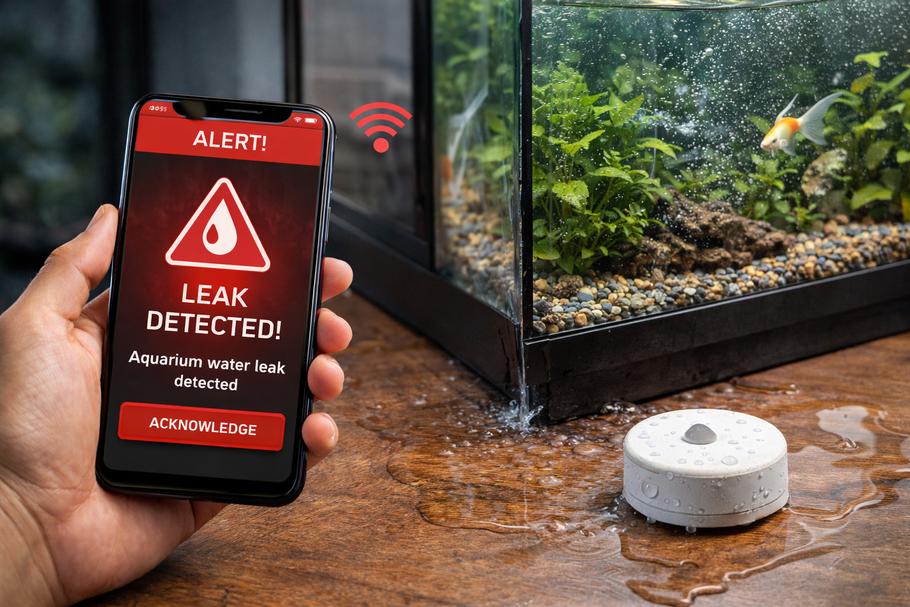
There is no sound more terrifying to an aquarium hobbyist than the slow, steady drip of water hitting a hardwood floor in the middle of the night. Whether it is a hairline fracture in the silicone, a backed-up filter intake, or a protein skimmer gone rogue, water damage is the ultimate "final boss" of the fish-keeping world. For decades, we relied on luck, heavy-duty floor mats, and the occasional prayer to keep our living rooms dry, but the landscape of aquarium safety is changing rapidly. The rise of smart leak detection technology has transformed from a high-end luxury for reef elite into an essential tool for every responsible hobbyist. By integrating modern sensors and Wi-Fi-enabled alerts, you can now catch a disaster before it results in a ruined carpet or, more importantly, the loss of your beloved aquatic inhabitants. In this guide, we will explore how these smart systems work, how they integrate into your daily care routine, and why they are the best investment you can make for your home and your fish.

The High Stakes of Aquarium Leaks for Modern Hobbyists

When we talk about aquarium disasters, we often focus on the immediate loss of livestock. However, for many intermediate hobbyists, the structural damage to a home can be even more devastating. A standard 55-gallon tank holds nearly 500 pounds of water; if that volume escapes onto a second-story floor, the repair costs can easily climb into the tens of thousands of dollars. Beyond the financial impact, a leak causes a catastrophic shift in the environment for your fish. A sudden drop in water level can expose heaters, leading to cracked glass or electrical fires, and can leave your filtration system running dry, killing off the beneficial bacteria essential for the nitrogen cycle.

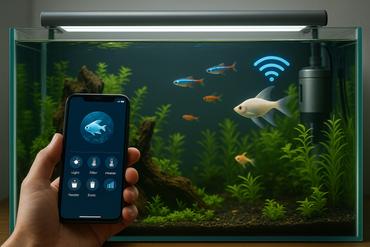
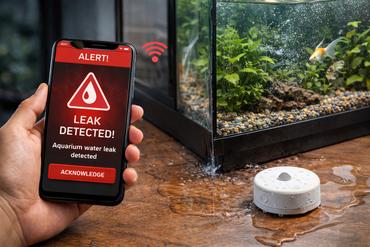
The "smart" revolution in leak detection is not just about fancy gadgets; it is about reaction time. Traditional leak trays or simple battery-operated buzzers require you to be physically present to hear the alarm. If a leak occurs while you are at work or on vacation, those analog solutions are useless. Smart detectors bridge this gap by sending real-time notifications to your smartphone the moment moisture is detected. This allows you to contact a neighbor, shut off your return pump remotely, or rush home to mitigate the damage. For those keeping sensitive species like Discus or Altum Angelfish, where water stability is paramount, every minute saved is a life-saving advantage.

  • Prevents expensive structural damage to flooring and drywall.
  • Protects electrical equipment from short-circuiting or causing fires.
  • Ensures that filtration systems do not run dry and fail.
  • Provides peace of mind during vacations or long workdays.
  • Allows for immediate intervention to save sensitive livestock.

How Smart Leak Detection Systems Actually Work

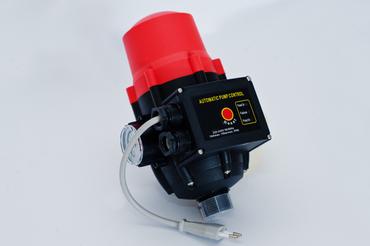
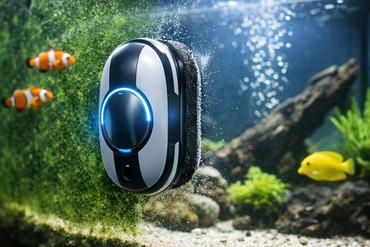
Most modern leak detection systems operate on a relatively simple but highly effective principle: electrical conductivity. Smart sensors are typically equipped with two or more metal probes on their underside. Under normal conditions, the air between these probes does not conduct electricity, and the circuit remains open. However, as soon as water touches both probes, it completes the circuit. This trigger sends a signal to a central hub or directly to your Wi-Fi router, which then pushes an alert to your phone. These sensors are incredibly sensitive, often triggering with as little as a 1/16th of an inch of standing water.

Beyond simple floor sensors, some advanced systems use ultrasonic flow meters that wrap around your plumbing. These devices monitor the "pulse" of your water flow. If they detect a constant flow of water that doesn't match your usual usage patterns, they can identify a leak behind the walls or within your sump system. For the DIY-inclined hobbyist, integrating these sensors with a smart power strip is the gold standard. For example, if a floor sensor detects water near the base of an Oscar tank—where splashing and heavy filtration are common—it can be programmed to automatically cut power to the main pump, stopping a "siphon-effect" leak in its tracks.

It is important to understand the difference between standalone Wi-Fi sensors and hub-based systems. Standalone sensors connect directly to your home network and are great for beginners with one or two tanks. Hub-based systems, such as those integrated into comprehensive aquarium controllers, offer more reliability and the ability to daisy-chain dozens of sensors together. If you are managing multiple tanks in a dedicated fish room, a hub-based system is often the more robust choice for long-term monitoring.

Choosing the Right Smart Features for Your Setup

When shopping for a smart leak detector, it is easy to get overwhelmed by the options. For most aquarium hobbyists, the most critical feature is "push notification" speed. You want a device that alerts you within seconds, not minutes. Additionally, look for sensors that offer an audible alarm in addition to the smartphone alert. If you are home, a loud siren will often get your attention faster than a notification on a phone that might be on silent in another room.

Another factor to consider is battery life and connectivity. Since these devices are often tucked away in dark, humid stands, you need a sensor that can maintain a strong Wi-Fi signal through wood or metal cabinetry. Look for models that provide "low battery" alerts, so you aren't left unprotected when the device goes dormant. For those with larger setups, such as those housing Large Tetras or community schools, consider sensors that are "expandable" with a sensing cable. These cables can be wrapped around the entire perimeter of a tank stand, ensuring that a leak is detected regardless of where the water first escapes.

To truly understand the environment your sensors are protecting, it is also helpful to review our Freshwater Water Parameter Guide. Maintaining stable water is about more than just chemistry; it is about physical containment. A leak can cause rapid evaporation or a change in water pressure that shifts your parameters faster than any biological process ever could.

Compatibility and Care: Balancing Technology with Biological Needs

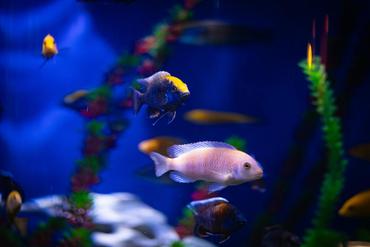
While technology provides a safety net, it must be used in a way that is compatible with the specific needs of your fish. One common mistake beginners make is placing leak sensors too close to areas where routine maintenance occurs. For instance, if you are keeping a high-energy species like African Cichlids that are known for splashing during feeding or territorial disputes, a sensor placed too close to the top rim might trigger false alarms. Similarly, during a routine water change, a few stray drops can set off a smart alarm, potentially causing unnecessary panic if you aren't prepared.

The care of sensitive species requires a specific approach to leak detection. Consider the following compatibility and care tips:

  • Sensitivity Management: Adjust the sensitivity of your sensors (if the app allows) to account for humidity in enclosed stands.
  • Placement Strategy: Place sensors at the lowest point of the floor or inside a secondary containment tray to avoid false triggers from minor salt creep or condensation.
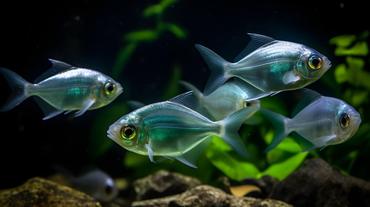
  • Species Specifics: For jump-prone fish like Silver Hatchetfish, ensure your lid is secure; a leak sensor won't tell you if a fish has jumped out, but it will tell you if the splashing has caused a puddle.
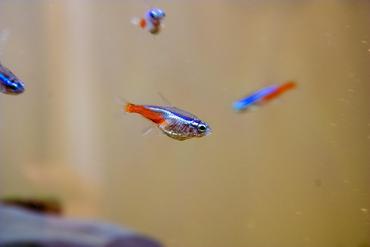
  • Automatic Shut-offs: If keeping Neon Tetras or other small schooling fish, ensure your "auto-shutoff" logic doesn't leave them without aeration for too long.
  • Redundancy: Always use a physical drip loop on all electrical cords in conjunction with your smart sensors.

Care must also be taken when integrating smart tech with automated top-off (ATO) systems. An ATO is designed to replenish evaporated water, but if your tank has a slow leak, the ATO will continue to pump fresh water into the tank to maintain the level. This can lead to a "salinity crash" in saltwater tanks or a massive pH shift in freshwater systems. Smart leak detectors should be programmed to "talk" to your ATO. If the leak detector triggers, it should immediately disable the ATO to prevent it from pumping more water onto the floor or further diluting the tank's chemistry.

Integrating Smart Tech into Your Regular Maintenance Routine

A smart leak detector is not a "set it and forget it" device. To ensure it works when you actually need it, you must incorporate it into your regular maintenance schedule. Every month, you should manually trigger each sensor by touching the probes with a damp paper towel. This confirms that the sensor is still connected to the Wi-Fi and that the notifications are still reaching your phone. It is also a good time to check for any corrosion on the metal probes, especially in saltwater environments where "salt creep" can eat away at electronics.

Furthermore, smart technology should complement, not replace, physical inspections. While a sensor can tell you if water is on the floor, it cannot tell you if your silicone is beginning to bubbles or if your aeration equipment is creating excessive spray that might lead to a future leak. During your weekly checks, run your hand along the seams of the tank and look for any signs of moisture around the bulkheads and filter hoses. The goal is to use the smart technology as a "fail-safe" for when you aren't looking, while your eyes remain the primary line of defense.

Common beginner mistakes often involve ignoring the "offline" notifications from their smart devices. If your router restarts or your ISP has an outage, your sensors may lose their connection. Many modern apps will notify you if a device goes offline. Never ignore these alerts. An offline leak detector is just a piece of plastic. Make it a habit to check your smart home dashboard whenever you sit down to feed your fish.

Takeaway: The Future of Responsible Fish Keeping

The rise of smart leak detection represents a major milestone in the evolution of the aquarium hobby. We no longer have to live in fear of the "what ifs" that come with keeping dozens or hundreds of gallons of water inside our homes. By investing in a reliable sensor system, you are doing more than just protecting your flooring; you are providing a more secure environment for your fish and ensuring that your hobby remains a source of joy rather than a source of stress. Whether you are keeping a simple community tank or a high-tech aquascape, the peace of mind offered by these devices is truly priceless.

Ready to level up your aquarium safety? Start by evaluating the "flood zones" around your tank and choosing a sensor that fits your budget and technical comfort level. Remember, the best time to install a leak detector was the day you set up your tank; the second best time is today. For more tips on keeping your aquatic environment stable and healthy, be sure to explore our extensive library of guides on water chemistry and equipment maintenance here at RateMyFishTank.com. Your home, your wallet, and your fish will thank you!

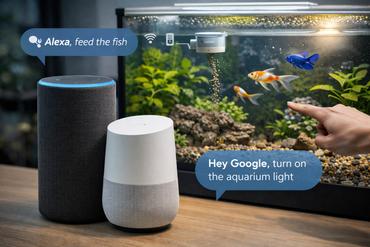
Voice-Controlled Aquariums: Integrating Your Tank with Alexa and Google Home
The modern aquarium hobby is undergoing a digital transformation that goes far beyond high-tech filters and LED lighting.
African Cichlid Aggression - How to Reduce Aggression
Learn about the causes of cichlid aggression and methods for reducing it.

MOST RECENT ARTICLES

The Rise of Smart Leak Detection: Protecting Your Home from Aquarium Disasters
THE RISE OF SMART LEAK DETECTION: PROTECTING YOUR HOME FROM AQUARIUM DISASTERS
There is no sound more terrifying to an aquarium hobbyist than the slow, steady drip of water hitting a hardwood floor in the middle of the night.
Beyond the Naked Eye: Using AI and Vision Apps to Diagnose Fish Diseases Early
BEYOND THE NAKED EYE: USING AI AND VISION APPS TO DIAGNOSE FISH DISEASES EARLY
Every aquarium hobbyist knows the sinking feeling of approaching their tank in the morning only to see a prized Neon Tetra shimmying awkwardly or a Goldfish sporting a single, ominous white speck on its fin.
Voice-Controlled Aquariums: Integrating Your Tank with Alexa and Google Home
VOICE-CONTROLLED AQUARIUMS: INTEGRATING YOUR TANK WITH ALEXA AND GOOGLE HOME
The modern aquarium hobby is undergoing a digital transformation that goes far beyond high-tech filters and LED lighting.

Rate This Tank:

GENERAL AQUARIUM ARTICLES
Top Fish for Community Tanks
Creating a thriving community aquarium is one of the most rewarding experiences in the fish-keeping hobby, offering a dynamic window into a complex underwater ecosystem.
Top 10 Beginner-Friendly Freshwater Fish (Ranked by Ease of Care)
Diving into the world of freshwater aquariums is an exhilarating journey, but for many beginners, the initial excitement is often met with the daunting challenge of keeping their new aquatic residents alive and thriving.
Aquarium Water Changes: How Often and How Much?
Maintaining a thriving aquarium is often described as a balancing act, and no single task is more critical to that balance than the routine water change.
Blackwater Aquariums: How Tannins Improve Fish Health and Reduce Stress
The mysterious, tea-colored depths of a blackwater aquarium may look "dirty" to the uninitiated, but for many tropical fish species, these tannin-rich environments are a slice of paradise.
Top 10 Nano Predators (and How to Keep Them Peacefully)
The allure of the predatory fish has long been a driving force in the aquarium hobby, drawing enthusiasts toward the raw, primal energy of nature's most efficient hunters.
Betta Fish in a Planted Tank: Setup, Care & Mistakes to Avoid
The Betta fish, with its cascading fins and kaleidoscopic colors, has long been the victim of the "bowl" myth, but modern aquarists are finally recognizing that these intelligent, labyrinth-breathing creatures truly flourish when placed in a living, breathing ecosystem.
Best Fish for a 10 Gallon Tank with Plants
Setting up a 10-gallon planted aquarium is one of the most rewarding projects a hobbyist can undertake, offering a perfect slice of nature that fits comfortably on a desk or side table.
AI and Smart Technology in Aquariums: The Future of Fishkeeping
Technology is transforming the aquarium hobby faster than ever before.
Beginner-Friendly Oddball Fish: Unique Species That Work in Small Tanks
Want something cooler than guppies and tetras in your small aquarium, but not ready for ultra-demanding species?
Beginner Aquarium Mistakes That Kill Fish in the First 30 Days
The first 30 days of owning an aquarium are often referred to as the "danger zone" for both the hobbyist and the fish.
Aquarium Temperature Guide: What’s Best for Your Fish?
Maintaining the perfect environment for your aquatic pets is a delicate balancing act, and temperature is arguably the most critical variable in the equation.
Aquarium Hardscape Guide: Dragon Stone, Seiryu, Spider Wood & More.
Creating a captivating underwater landscape is about more than just choosing the right fish; it is about building a foundation that mimics the natural world.
Fish Compatibility Checker: How to Build Peaceful Freshwater and Saltwater Communities
Starting a new aquarium is one of the most exciting moments in the hobby, but nothing halts that enthusiasm faster than waking up to find a once-vibrant community decimated by aggression or stress.
How to Fix Cloudy Water Fast (White, Green & Yellow Water Explained)
There is perhaps no greater disappointment for an aquarium enthusiast than approaching a carefully curated tank only to find the view obscured by a thick, mysterious haze.
Low-Light Aquarium Plants for Beginners
The transition from a basic fish tank to a lush, living underwater garden is often the most rewarding milestone for any aquarium enthusiast.
Driftwood in Aquariums: Benefits, Types, and How to Prepare It Safely
Adding a piece of driftwood to your aquarium is one of the most transformative decisions you can make as a hobbyist, shifting your tank from a simple glass box to a vibrant, living slice of nature.
The Benefits of Having a Nano Aquarium and Tips for Setting One Up
If you're fascinated by the beauty of aquatic life but think a full-sized aquarium might be too overwhelming, a nano aquarium could be the perfect solution.
Cherry Shrimp Care for Beginners: Tank Setup, Water, and Breeding Tips
Cherry shrimp (Neocaridina davidi) have revolutionized the freshwater aquarium hobby, transforming the way enthusiasts view small-scale ecosystems.
Aquascaping for Beginners: Designing a Natural Underwater Landscape
Aquascaping is the transformative art of arranging aquatic plants, stones, driftwood, and substrate in a way that transcends the traditional fish tank, turning a glass box into a living, breathing underwater masterpiece.
Best Fish for a 10-Gallon Tank with Plants: Top Choices for a Thriving Nano Aquarium
Starting a 10-gallon aquarium is one of the most exciting entries into the fish-keeping hobby, offering a perfect balance between a manageable footprint and enough space to create a stunning underwater garden.
Aquarium Science Myths: 10 Outdated Fishkeeping Rules You Should Stop Following
The world of fishkeeping has evolved dramatically over the last few decades, moving away from anecdotal "old wives' tales" toward a more rigorous, science-based approach to aquatic husbandry.
Creative hacks to keep your aquarium clean
Let’s be honest: while we all love the tranquil beauty of a thriving underwater ecosystem, very few of us actually enjoy the back-breaking labor of scrubbing algae at 10:00 PM on a Sunday.
How to Build an Automatic Fish Feeder
Every aquarium hobbyist knows the subtle anxiety that creeps in the moment you lock your front door for a weekend getaway or a well-deserved vacation.
Early Disease Identifications in the Tank
Maintaining a thriving aquarium is a rewarding journey, but even the most diligent hobbyist will eventually face the challenge of a sick fish.
What Are GloFish and How Do You Care for Them?
Bright, glowing fish that look like they belong in a science fiction movie have become a familiar sight in modern aquariums.
Aquarium Water Chemistry Made Simple: pH, Hardness, and Healthy Fishkeeping
Walking into a local fish store and seeing a vibrant display of neon tetras or majestic angelfish is enough to make anyone want to dive headfirst into the aquarium hobby.
Best Fish for a 10-Gallon Tank with Plants: A Complete Guide for Beginners
Starting a 10-gallon aquarium is one of the most exciting entry points into the fish-keeping hobby, offering a perfect balance between a manageable footprint and enough space to create a thriving underwater ecosystem.
CO2 for Planted Aquariums: A Beginner’s Guide to Healthier, Faster Growth
While many aquarium hobbyists start their journey with low-light plants like Anubias or Java Fern, they often find themselves wondering why their tanks do not look like the lush, vibrant underwater jungles seen in professional aquascaping competitions.
Quarantine Tanks Explained: Why Most Fish Loss Happens in the First 30 Days
The first month after you bring home new fish is when most preventable losses happen—often because the fish are stressed, carrying hidden parasites, or placed into a tank that isn’t ready for them.
History Of Fish Keeping As A Hobby
Fish keeping is one of the world’s oldest and most enduring hobbies, blending art, science, and a deep fascination with aquatic life.
Emergency Power Outages: How to Protect Your Aquarium
Few things strike fear into the heart of an aquarium hobbyist like a sudden power outage.
Fishless Cycling vs Fish-In Cycling: Which Method Is Best for Your Aquarium?
Setting up a new aquarium is one of the most exciting moments in the fishkeeping hobby—but it’s also where most beginners unintentionally make mistakes that lead to stressed fish, disease outbreaks, or early losses.
Brackish Aquariums for Beginners: Reliable Setups, Stocking, and Salinity Tips
The world of fishkeeping is often divided into two clear-cut camps: freshwater and saltwater.
How to Keep Your Tank Safe During a Power Outage
A power outage is every aquarium hobbyist’s worst nightmare, often striking at the most inconvenient times—during a summer thunderstorm or a winter blizzard.
What Is Driftwood Doing in Your Tank?
Adding a piece of driftwood to your aquarium is one of the most effective ways to transform a sterile glass box into a thriving, natural ecosystem.
3 Problems Every Aquarist Can Avoid
The transition from admiring a beautiful aquarium to successfully maintaining one is often marked by a series of "ah-ha" moments and, unfortunately, a few heartbreaks.
Aquarium Fish Medications - Do or Don't?
Learn about how aquarium fish medications work and what diseases they may be used for.
Aquascaping Tips to Reduce Aggression in Fish
Walking into a room and seeing a beautifully scaped aquarium is supposed to be a Zen experience, but for many hobbyists, that peace is shattered by the sight of a dominant fish relentlessly chasing its tank mates.
Spring Cleaning: How to Clean and Give Your Old Tank New Life
Keeping your tank clean is about more than just aesthetics - it also affects your fish.
Why Your Aquarium Lighting Matters More Than You Think
For many new hobbyists, setting up an aquarium feels like a balancing act between water chemistry, filtration, and choosing the right fish.
Tips for Spotting Signs of Distress in Your Fish Before It's Too Late
When you see signs of stress in your fish, you can then take steps to identify the source of that stress and then to resolve it before it becomes a major issue.
How to Buy Aquarium Supplies Online
The transition from browsing the aisles of a local pet store to navigating the vast digital landscape of online aquarium retailers marks a significant milestone for any hobbyist looking to expand their aquatic horizons.
How Cycling the Tank Can Stress Your Fish
Setting up a new aquarium is one of the most exciting moments in the fishkeeping hobby, but it’s also where many beginners unknowingly create stressful — and sometimes deadly — conditions for their fish.
Eco-Friendly Aquarium Guide: Energy-Saving Gear and Responsible Stocking
The aquarium hobby offers a unique window into the wonders of the aquatic world, but as any seasoned hobbyist knows, maintaining a slice of the ocean or a tropical river in your living room requires a significant amount of resources.
Do You Know What You Are Feeding Your Fish?
Walking down the aquarium aisle of a local pet store can be a dizzying experience.
Why Keep Aquarium Fish?
There is something inherently hypnotic about the slow, rhythmic movement of a well-maintained aquarium.
What You Need to Know About All-in-One Aquariums
For many aspiring aquarists, the sheer volume of equipment required to start a successful tank—sumps, plumbing, external filters, and lighting—can feel overwhelming.
Is My Fish Stressed? A 10-Minute Checklist to Prevent Emergencies
Walking into a room and seeing your fish acting unusual can be a heart-sinking experience for any hobbyist.
The Right and Wrong Way to Catch Fish
There is perhaps no moment more stressful for both an aquarist and their aquatic residents than the sight of a blue mesh net dipping into the water.
Simple Tips for Building a Saltwater Tank Without Breaking the Bank
The allure of a saltwater aquarium is undeniable—the vibrant colors of a Coral Beauty Angelfish, the rhythmic pulsing of Xenia corals, and the fascinating symbiotic relationship between a Clownfish and its anemone are enough to captivate any nature lover.
Smart Planted Tanks: Budget Automation for Lighting, CO₂, and Safety
Maintaining a lush, vibrant planted aquarium often feels like a balancing act between a rewarding hobby and a full-time job.
Do You Need CO₂? Three Proven Paths to a Healthy Planted Tank
The lush, vibrant landscape of a masterfully scaped planted aquarium is often what draws newcomers into the hobby, but it is also the source of the most common question: do I really need a CO2 system to achieve this?
Community Fish Compatibility Guide
Creating a thriving community aquarium is one of the most rewarding aspects of the fish-keeping hobby, but it requires much more than simply picking out the most colorful fish at the local pet store.
Read more articles (55)

READ AQUARIUM ARTICLES