VOICE-CONTROLLED AQUARIUMS: INTEGRATING YOUR TANK WITH ALEXA AND GOOGLE HOME
The Foundation of a Voice-Controlled Aquarium Setup
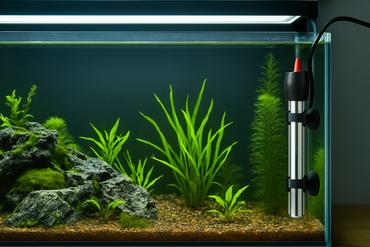
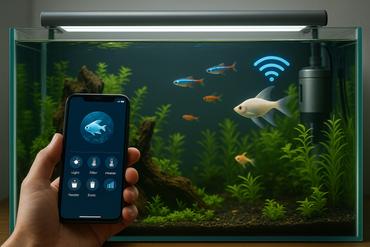
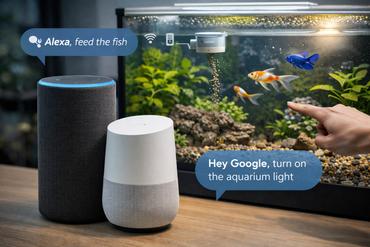
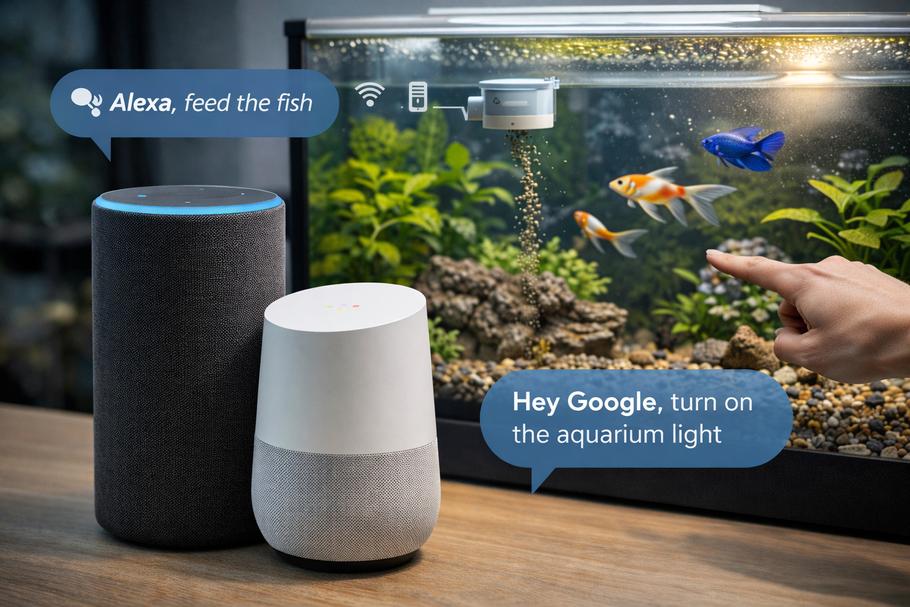
Before you can start barking orders at your fish tank, you need to understand the hardware that bridges the gap between your Wi-Fi network and your aquarium equipment. Most standard aquarium gear—heaters, filters, and basic lights—operates on simple "on/off" mechanics. This makes them perfect candidates for smart integration via smart plugs and power strips. These devices act as the middleman, allowing your voice assistant to cut or restore power based on your commands.
For a beginner, the easiest entry point is a set of waterproof smart plugs compatible with your chosen ecosystem (Alexa or Google Home). These plugs allow you to group multiple devices together. For example, you can create a "Feeding Time" routine that turns off the protein skimmer and powerheads simultaneously so that food doesn't get sucked into the filtration system before your fish can eat. Intermediate hobbyists might look into dedicated aquarium controllers that have native cloud support, but for the majority of users, a well-placed smart power strip is the most cost-effective and flexible solution.
When selecting your hardware, always prioritize safety and compatibility. Ensure that any smart device used near water is rated for high humidity or kept in a dry cabinet. Common beginner mistakes include overloading a single smart plug with a high-wattage heater and a powerful lighting system, which can lead to overheating. Always check the amperage rating of your smart plugs to ensure they can handle the combined load of your equipment. For more on the technical side of modern gear, check out our guide on trending compact aquarium equipment.
Smart Plugs
- The most versatile tool for controlling filters, lights, and pumps.
Smart Power Strips
- Ideal for managing multiple devices with individual control via a single app.
Voice Assistant Hub
- An Echo Dot or Google Nest Mini located within earshot of your tank.
Dedicated Apps
- Ensure the manufacturer's app (like Kasa or Tuya) integrates seamlessly with your voice ecosystem.
Mastering Aquarium Lighting with Voice Commands
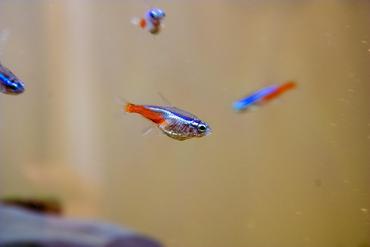
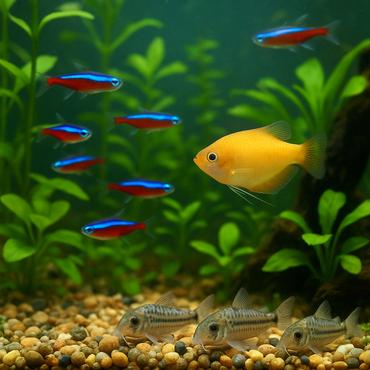
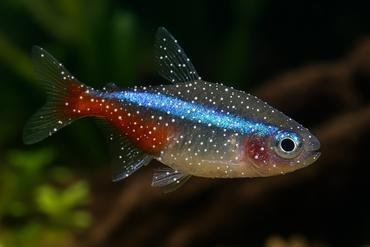
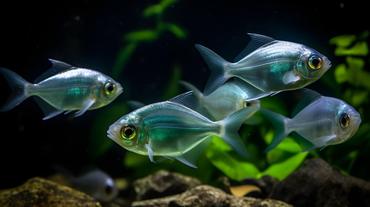
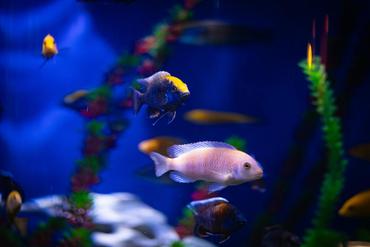
Lighting is arguably the most critical component of a healthy aquarium, influencing everything from algae growth to the circadian rhythms of your fish. Species like Neon Tetras or various Cichlids thrive when they have a consistent day-night cycle. Voice control takes the traditional "timer" to the next level by allowing for manual overrides and complex scheduling that adapts to your lifestyle. Instead of fumbling with tiny plastic pins on a mechanical timer, you can set "Sunrise" and "Sunset" routines that gradually ramp up or dim your lights.
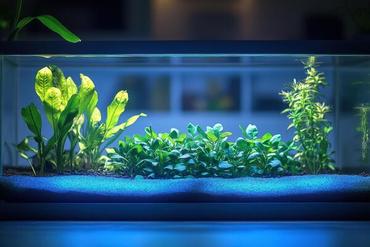
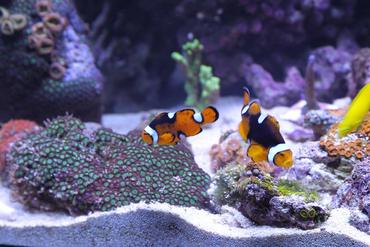
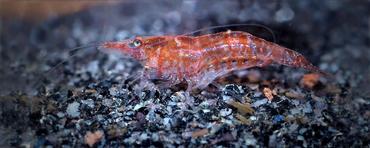
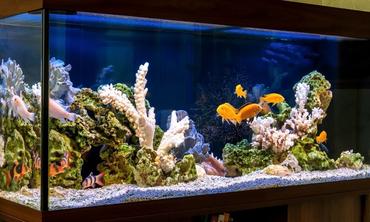
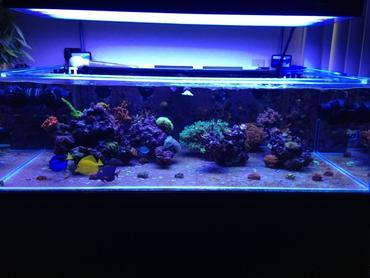
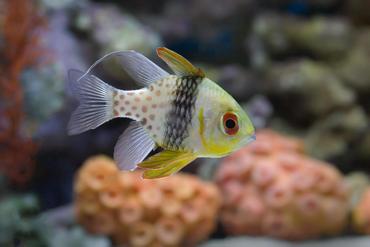
If you are using high-end LED fixtures, many now come with built-in Wi-Fi and native Alexa or Google Home support. This allows you to control not just the power, but the intensity and color spectrum. For instance, you could say, "Google, set the aquarium light to 20% blue" for a moonlight effect in the evening. This is particularly beneficial for reef tank owners who want to observe nocturnal species like Mandarin Dragonets or certain shrimp without shocking them with bright white light. If your lights are more basic, a simple smart plug can still provide the essential function of a reliable light cycle.
One of the best practical applications of voice-controlled lighting is the ability to quickly toggle the lights for maintenance or showing off your tank. If you have guests over and want to showcase your wireless aquarium lighting solutions, a simple voice command brings the tank to life instantly. Just remember that consistency is key; while the ability to turn lights on and off at will is convenient, frequently changing the photoperiod can lead to stress for your fish and an explosion of nuisance algae.
Automating Feeding and Maintenance Routines
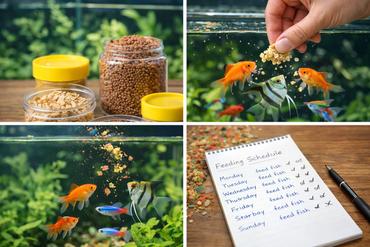
Feeding is a daily ritual that bonds many hobbyists to their fish, but it is also one of the areas where automation can be a lifesaver. Smart automatic fish feeders that integrate with Alexa or Google Home are becoming increasingly common. These devices allow you to schedule feedings or trigger a "snack" command with your voice. This is incredibly helpful for species that require multiple small feedings throughout the day, such as Anthias in a saltwater tank or young Discus in a freshwater setup.
Beyond feeding, voice integration can streamline the more laborious aspects of aquarium maintenance. During a water change, you can use voice commands to turn off your heater and filter without having to reach for wet plugs with wet hands—a significant safety benefit. If you use an Auto Top-Off (ATO) system, integrating it into your smart home can allow you to receive alerts if the reservoir is low or if the pump has been running longer than usual, indicating a potential leak or sensor failure.
Practical care tip: When using voice-controlled feeders, always monitor the portion sizes. A common mistake is relying too heavily on the automation and not noticing when the feeder is clogged or if the fish aren't eating as usual. Use the voice command as a supplement to your presence, not a total replacement for observation. For those interested in DIY solutions, you might even consider how to build an automatic fish feeder and then retrofitting it with a smart switch for voice capabilities.
Monitoring Water Parameters and Safety Alerts
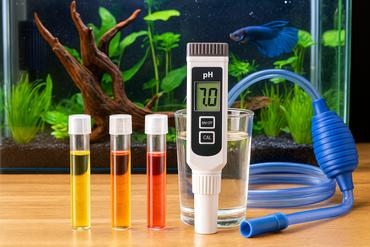
The true power of a smart aquarium lies in its ability to monitor what you cannot see. While we are not yet at a point where a simple voice command can give you a full liquid reagent test result for nitrates or phosphates, we do have excellent smart sensors for temperature, leak detection, and even pH. Integrating these sensors with Google Home or Alexa allows you to set up a "safety net" for your tank. You can create an automation where, if the temperature drops below 74 degrees Fahrenheit, your voice assistant announces "The aquarium is too cold" on every speaker in the house.
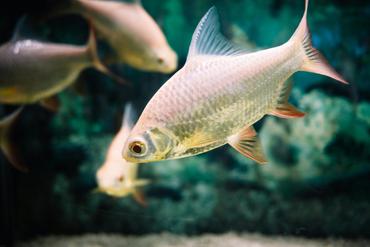
Temperature swings are one of the leading causes of Ich and other stress-related diseases in fish like Silver Dollars or Mollies. A smart thermometer can provide real-time data and historical logs, helping you identify if your heater is struggling during cold nights. Leak sensors are another essential for the voice-integrated home. Placing a small Wi-Fi-enabled sensor on the floor behind your stand can save you thousands of dollars in water damage. If moisture is detected, your smart home can instantly shut off the return pump via a smart plug and send an emergency notification to your phone.
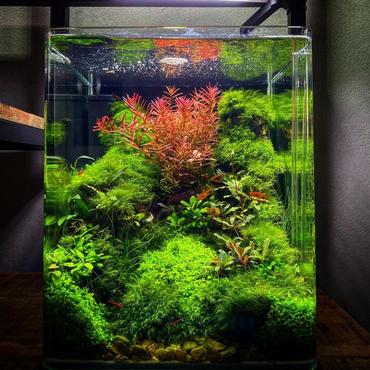
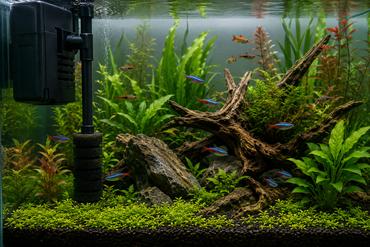
For intermediate keepers managing high-tech setups, voice-activated monitoring can include CO2 levels for planted tanks. By using a smart plug on your CO2 solenoid, you can ensure the gas is only running when the lights are on, and you can even ask your voice assistant to "Check the status of the CO2" to confirm the solenoid is closed at night. This prevents "gassing" your fish, a common tragedy in the planted tank world where fish like Otocinclus Catfish are particularly sensitive to low oxygen levels.
Temperature Sensors
- Get instant alerts if your heater fails or sticks in the 'on' position.
Leak Detectors
- Place them near the filter and the base of the tank for peace of mind.
Power Monitoring
- Some smart plugs track electricity usage, helping you identify failing equipment.
Voice Notifications
- Set your hub to announce critical changes in water status.
Compatibility and Care Considerations for Smart Tanks
While integrating Alexa or Google Home into your aquarium hobby is exciting, it comes with a unique set of challenges and responsibilities. The most significant consideration is "failure states." What happens to your tank if the Wi-Fi goes down? Most smart plugs default to an "Off" state after a power flicker unless specifically configured otherwise. This could mean your life-support systems—filters and heaters—stay off until you manually intervene. Always select smart hardware that allows you to set a "Power-On State" to "On" so that your equipment resumes operation automatically after a power outage.
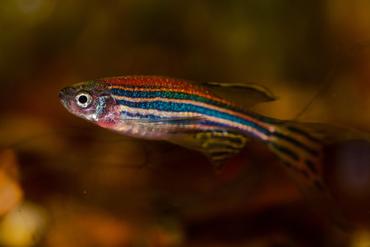
Another factor is the stress level of your fish. Sudden changes in light intensity or the sudden activation of loud pumps can startle sensitive species like Discus or even hardy ones like Zebra Danios. When setting up voice routines, try to use "fade" functions if your equipment supports them. If you are using smart plugs to control pumps, ensure they aren't toggling on and off too frequently, as this can shorten the lifespan of the motor and create inconsistent oxygenation levels in the water.
Finally, consider the security of your smart home network. Aquariums are often overlooked as a point of entry for network security, but any IoT device can be a vulnerability. Use strong, unique passwords for your smart home accounts and keep your device firmware updated. From a biological standpoint, remember that technology is an aid, not a substitute for husbandry. No amount of voice control can replace the need for regular water changes, gravel vacuuming, and observing the behavior of your fish to ensure they are healthy and thriving. For a more traditional look at keeping your tank in top shape, see our comprehensive guide on fish tank maintenance and cleaning.
Advanced Automation: Creating Ecosystem Scenes
Once you have the basics down, you can start creating "Scenes" that manage your entire aquatic environment with a single sentence. For intermediate hobbyists, this is where the fun really begins. You can create a "Cleaning Mode" that turns off the filters, heaters, and ATO, but turns the aquarium lights to 100% white to help you see debris during a water change. When you're done, simply saying "Alexa, maintenance is finished" restores all systems to their normal operating parameters.
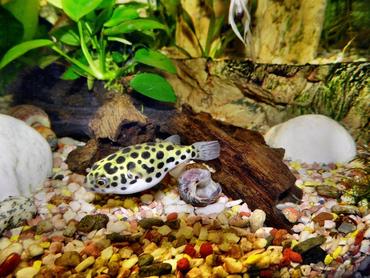
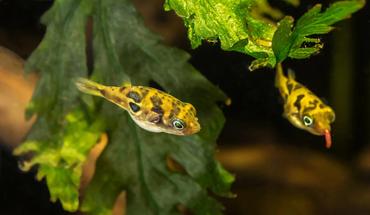
For those with specialized tanks, like a brackish water setup for Figure Eight Puffers or a high-tech reef, these scenes can be tailored to specific biological needs. You might have a "Stormy Day" scene that dims the lights and increases the flow of your smart powerheads to simulate natural weather patterns, which can even encourage breeding behavior in some species. The key is to start small, test each routine thoroughly while you are at home, and gradually build a system that works for both you and your fish.
Beginner mistake: Avoid putting essential life-support systems like the main filter on a voice command that is easy to accidentally trigger. For example, if you name a light "Tank," and you also have a pump named "Tank Filter," a generic command like "Turn off the tank" might shut down your filtration. Be specific with your naming conventions—use "Main Aquarium Light" and "Filter Pump"—to prevent voice recognition errors from causing a disaster.
Final Takeaway: Embracing the Future of Fishkeeping
Integrating your aquarium with Alexa or Google Home is more than just a modern convenience; it is a way to build a more resilient and responsive environment for your aquatic pets. By automating lighting, monitoring temperatures, and streamlining maintenance through voice commands, you reduce the margin for human error and gain the ability to respond to emergencies from anywhere in the world. However, always remember that the best tool in your arsenal is your own eye and your dedication to the hobby. Technology should empower your care, not replace it. We encourage you to start with one or two smart plugs, see how they change your routine, and gradually explore the vast possibilities of the smart aquarium. For more tips on how to optimize your setup and choose the best inhabitants for your new high-tech home, continue exploring our library of expert care guides and equipment reviews.
MOST RECENT ARTICLES