THE ZEN OF AQUASCAPING: USING IWAGUMI PRINCIPLES FOR MINDFULNESS AND STRESS RELIEF
The Foundations of Iwagumi: Understanding Stone Arrangements
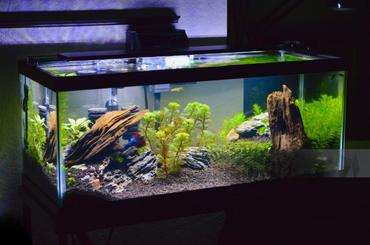
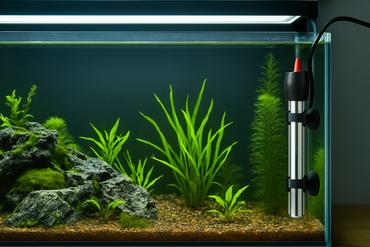
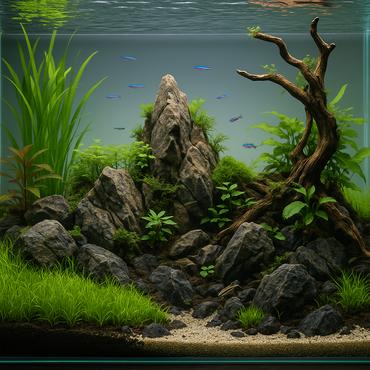
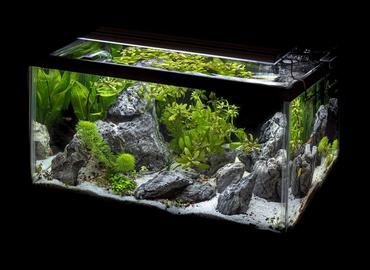
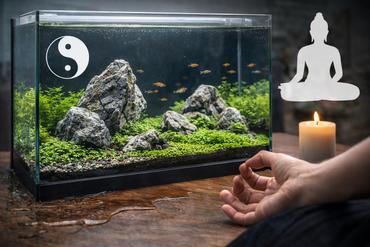
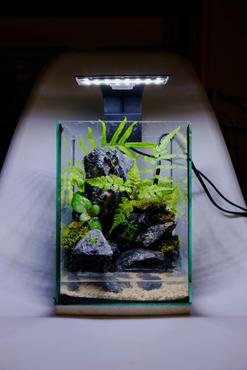
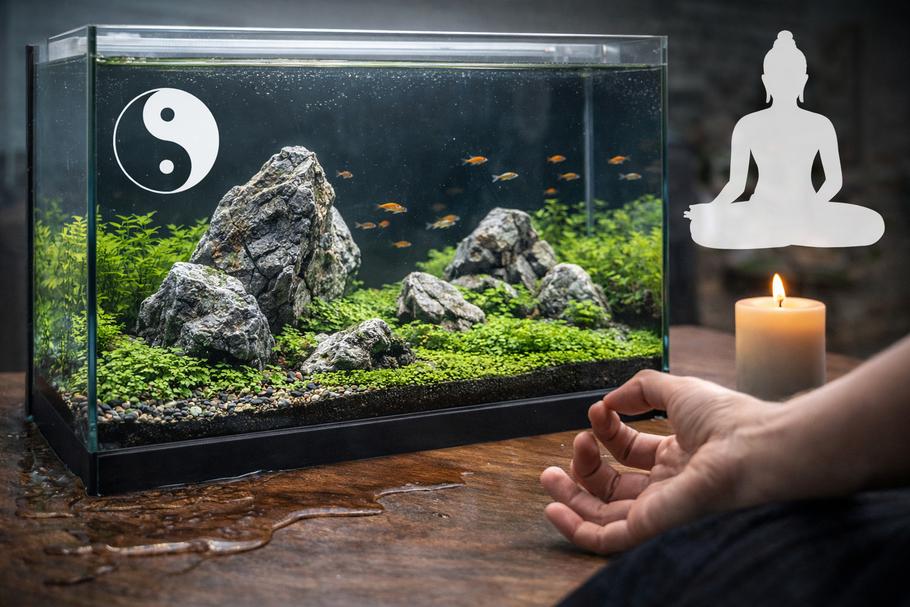
The term Iwagumi translates literally to "rock formation," and in this style, the stones are the undisputed protagonists of the underwater stage. Unlike other aquascaping styles that might rely on intricate driftwood or a dense jungle of various plant species, Iwagumi uses a carefully selected set of stones to define the entire landscape. The arrangement usually follows the San-zon (three-pillar) rock formation, though modern interpretations often expand this to five or seven stones. The key is to always use an odd number of rocks to prevent the human eye from finding a symmetrical center, which would break the naturalistic illusion.
Each stone in an Iwagumi layout has a specific name and a designated role to play in the visual narrative. The most important is the Oyaishi, the primary stone. This should be the largest and most visually striking piece in your tank, positioned according to the "Golden Ratio" to create a focal point that draws the eye. Surrounding the Oyaishi are the Fugeishi (secondary stones) and Soeishi (tertiary stones), which provide support and balance. Finally, the Suteishi, or "sacrificial stones," are small rocks often partially covered by carpet plants. While they might seem insignificant, they add depth and a sense of aged permanence to the layout, much like the weathered stones in a mountain pass.
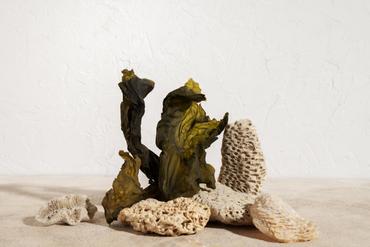
Selecting your stones is a meditative process in itself. Popular choices include Seiryu stone, known for its jagged edges and cool grey tones, or Dragon stone (Ohko), which offers a warm, earthy texture. When arranging these stones, it is crucial to ensure they all share the same "grain" or orientation. This creates a sense of flow, as if a natural current has shaped the landscape over centuries. As you adjust the tilt of a Fugeishi or the placement of a Suteishi, you are forced to slow down and observe the subtle shifts in energy within the tank, a practice that mirrors the focused attention required in traditional Zen meditation.
Designing Your Zen Garden: The Art of Minimalist Layouts
Once you have selected your stones, the actual layout phase begins. This is where the mindfulness aspect of the hobby truly shines. In an Iwagumi tank, the substrate isn't just a place for roots to grow; it is the "earth" that holds your mountains in place. Most Iwagumi practitioners use specialized aqua soils that provide both the necessary nutrients for plants and the dark, rich aesthetic that makes the green of the plants pop. When creating your hardscape, it is helpful to slope the substrate from front to back. This technique adds an exaggerated sense of depth, making a standard 20-gallon tank feel like a vast, rolling meadow.
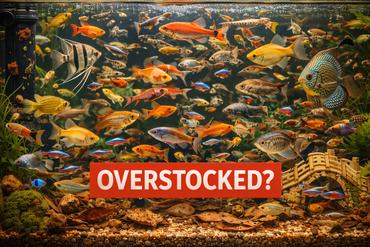
One of the most common beginner mistakes is trying to fit too much into the frame. The beauty of Iwagumi lies in the "negative space"—the areas where nothing is growing or placed. This open space allows the viewer's mind to rest and breathe. When you are positioning your Oyaishi, consider how it interacts with the empty space around it. Does it feel grounded? Does it feel like a natural part of the environment? If you find yourself feeling frustrated, take a step back and look at the tank from a distance. Often, the solution is to remove a stone rather than add one.
- Always use an odd number of stones (3, 5, or 7) to maintain natural asymmetry.
- Place your Oyaishi (main stone) first, approximately one-third of the way across the tank.
- Ensure all stones have a consistent texture and color to create a unified look.
- Slope the substrate significantly towards the back to create a forced perspective of distance.
- Use a variety of stone sizes to mimic the natural erosion patterns found in nature.
As you work through the design, you might find that the process becomes a form of "flow state." The distractions of the outside world fade away as you focus on the minute details of stone placement. This level of concentration is a natural stress-reliever, lowering the heart rate and providing a creative outlet for professional or personal anxieties. Remember, there is no "correct" way to build a Zen garden, only the way that feels most harmonious to you.
Choosing the Right Flora and Fauna for Harmony
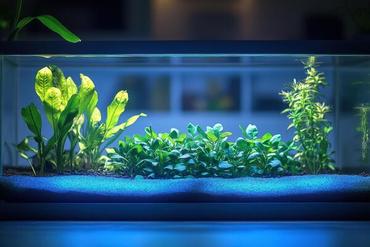
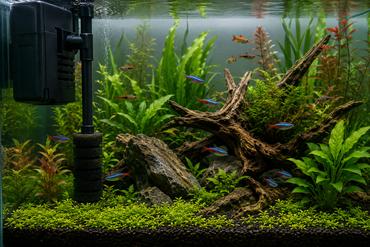
In a traditional Iwagumi tank, the plant list is intentionally kept short. The goal is to create a carpet of green that resembles a grassy field or a mountain range. The most iconic plant for this style is Hemianthus callitrichoides 'Cuba' (HC), which produces tiny, vibrant leaves that create a dense mat. Other popular choices include Eleocharis acicularis (Dwarf Hairgrass) for a more wild, meadow-like appearance, or Glossostigma elatinoides. Because these are all foreground plants, the Iwagumi style requires a strong lighting setup and often a CO2 injection system to ensure the carpet stays lush and healthy.
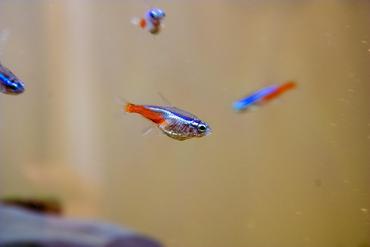
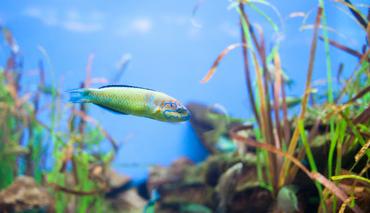
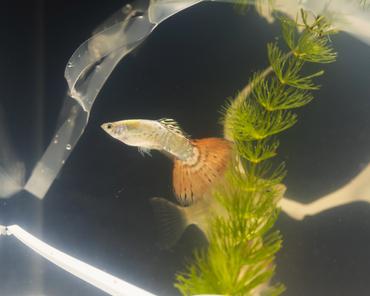
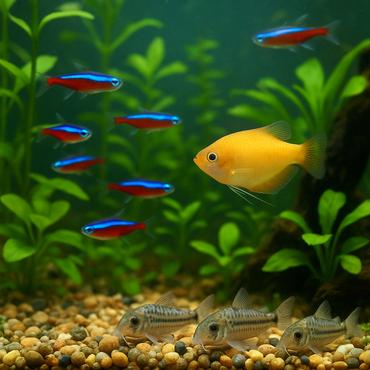
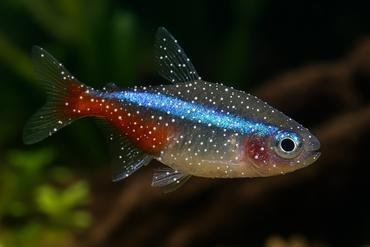
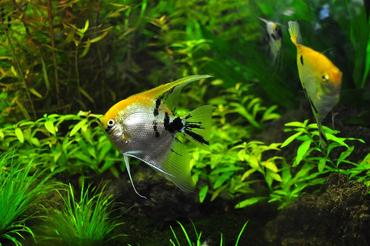
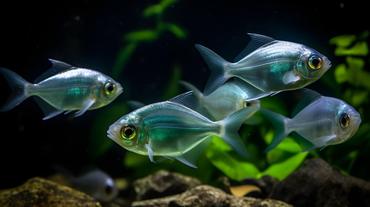
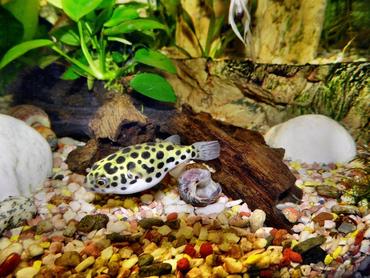
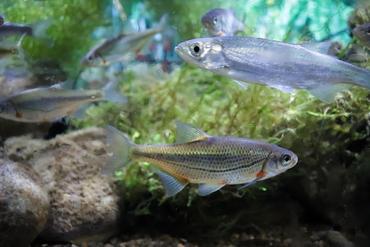
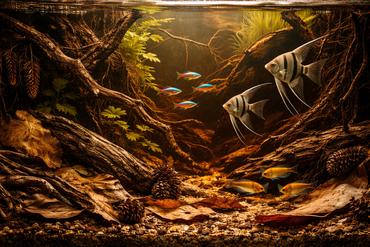
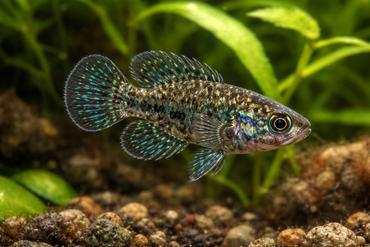
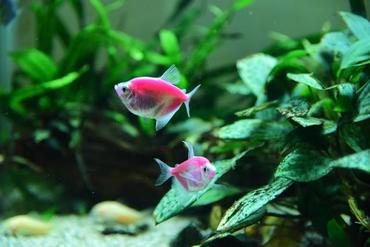
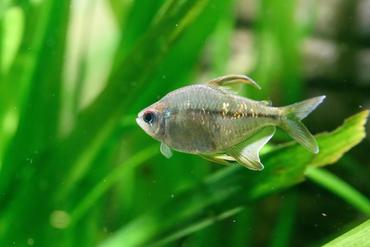
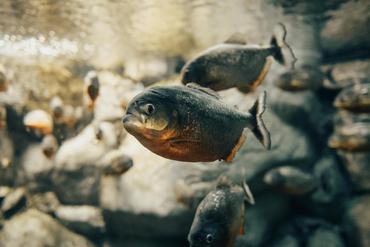
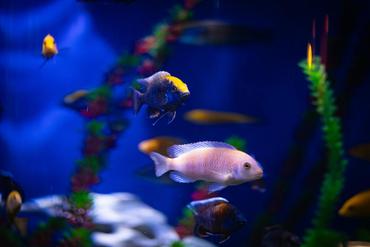
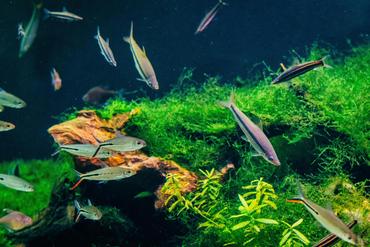
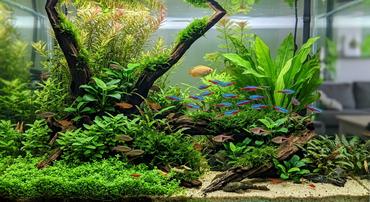
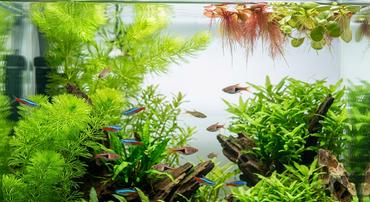
When it comes to livestock, the Iwagumi philosophy emphasizes the collective over the individual. Instead of a "mish-mash" of different species, the ideal Iwagumi tank features a large school of a single species. This creates a sense of unity and movement that complements the static beauty of the rocks. Small, schooling fish like Cardinal Tetras or Rummy Nose Tetras are excellent choices because their streamlined bodies and synchronized swimming patterns don't distract from the hardscape. If you are looking for more variety in size or behavior, you might consider some larger tetras for the community tank as long as they do not uproot the delicate carpet plants.
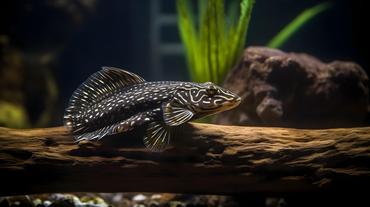
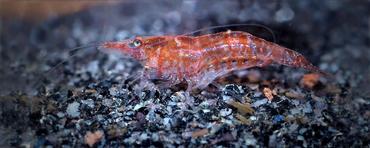
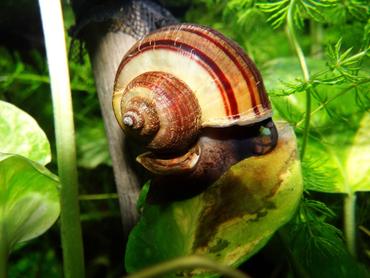
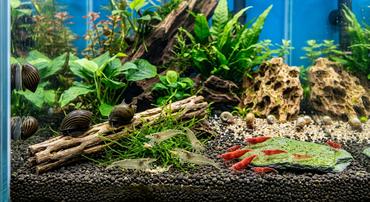
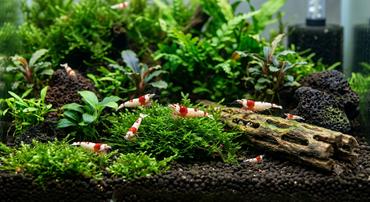
In addition to schooling fish, utility inhabitants are essential for maintaining the pristine look of a Zen tank. Shrimp, particularly Amano Shrimp, are the gold standard for Iwagumi layouts. They are tireless workers that pick algae off the stones and out of the carpet plants, keeping the "scenery" clean. Similarly, a few Otocinclus catfish can help keep the glass and rock surfaces free of biofilm. The presence of these small creatures adds a layer of life and activity that makes the tank feel like a complete, functioning ecosystem rather than just a decoration.
Compatibility and Care Considerations for Your Iwagumi Tank
While Iwagumi tanks are stunning, they are also famously challenging to maintain, which is why a section on care is vital for any aspiring Zen gardener. The heavy reliance on carpet plants means that you are essentially managing a high-tech "Dutch style" tank hidden inside a minimalist shell. High lighting and CO2 are often non-negotiable for success. However, high light and high nutrients often lead to the biggest headache in the hobby: algae. In a minimalist tank where every stone is visible, even a small patch of hair algae can feel like a disaster.
To keep your Iwagumi sanctuary looking its best, regular maintenance is a requirement. This includes weekly water changes and frequent trimming of the carpet plants to prevent them from growing too thick and dying off at the roots. Managing algae is a constant balancing act between light, CO2, and nutrients. If you start to see unwanted growth, it is important to act quickly. Identifying the specific type of algae can help you choose the right biological controls, such as choosing the right algae-eater by the type of algae in your tank to restore balance to your ecosystem.
- Install a reliable CO2 system with a drop checker to monitor levels continuously.
- Perform 30-50% water changes weekly to remove excess nutrients and prevent algae spikes.
- Use a high-quality liquid fertilizer, but start with half doses until the plants are established.
- Trim carpet plants regularly to encourage horizontal growth and maintain a "tidy" look.
- Monitor the behavior of your fish to ensure the CO2 levels aren't causing respiratory distress.
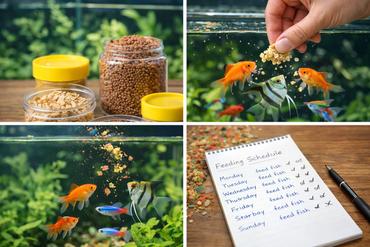
Feeding is another area where precision is key. Overfeeding can lead to a buildup of organic waste, which fuels algae and pollutes the water. Since Iwagumi tanks often house large schools of small fish, a "less is more" approach to nutrition is best. You should refer to our guide to how often to feed aquarium fish to ensure you are providing enough energy for your livestock without compromising the water quality. Remember, the maintenance of the tank should be viewed as an extension of the mindfulness practice—a ritual that keeps you connected to the life within the glass.
The Psychological Benefits of Aquascaping for Stress Relief
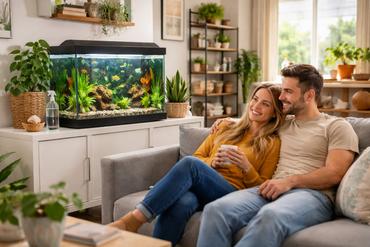
Why go through all this effort? The answer lies in the unique psychological impact of the Iwagumi style. There is a reason why hospitals, therapy offices, and corporate headquarters often feature aquariums. Research has consistently shown that watching fish swim and looking at natural green spaces can lower cortisol levels and reduce feelings of anxiety. In the context of Iwagumi, these benefits are amplified by the specific aesthetic principles of Japanese Zen. The sense of "Wabi-sabi"—the appreciation of the imperfect, impermanent, and incomplete—is built into every weathered stone and drifting leaf.
The act of "viewing" becomes a form of passive meditation. When you sit in front of an Iwagumi tank, your eyes naturally follow the lines of the stones and the shimmering movement of the school of fish. Because the layout is simple and uncluttered, your brain doesn't have to process a high volume of visual information. This allows the prefrontal cortex to relax, providing a much-needed break from the "directed attention" we use at work or while driving. It is a visual deep breath that resets the nervous system.
Furthermore, the responsibility of caring for a living system provides a sense of purpose and control that can be very grounding. When the outside world feels chaotic, you have the power to create and maintain a small pocket of perfect order. The patience required to grow a carpet of HC or the discipline needed to scrape a stone clean of algae fosters a resilient mindset. You learn that setbacks (like an algae bloom) are not failures, but simply parts of a natural cycle that can be corrected with steady, calm action. In this way, the Iwagumi tank becomes a mirror for the aquarist's own internal state.
Cultivating Your Underwater Sanctuary: Final Takeaways
Building an Iwagumi tank is a journey that rewards patience, precision, and a willingness to embrace the quiet. By utilizing the San-zon stone arrangement and focusing on a minimalist selection of plants and fish, you create a landscape that is both visually stunning and mentally restorative. While the technical requirements—such as CO2 management and light balancing—can be steep, the payoff is a living piece of art that serves as a constant reminder to slow down and find peace in the present moment. Whether you are arranging your first Oyaishi or trimming a mature carpet of hairgrass, remember that the goal is not perfection, but harmony.
As you continue your aquascaping journey, don't be afraid to experiment with different stone textures and schooling species to find what resonates most with your personal sense of Zen. The most important thing is to enjoy the process and allow the rhythm of the tank to guide you toward a more mindful hobby. For more tips on maintaining a healthy and vibrant aquarium, be sure to explore our extensive library of guides and expert advice here at RateMyFishTank.com. Your journey toward a more peaceful home starts with the very first stone you place.

MOST RECENT ARTICLES