CHERRY SHRIMP CARE FOR BEGINNERS: TANK SETUP, WATER, AND BREEDING TIPS
The Ideal Foundation: Tank Setup and Essential Equipment
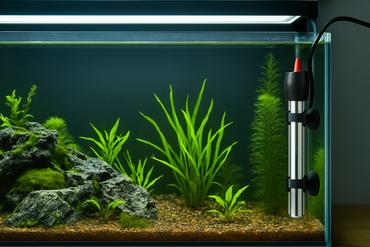
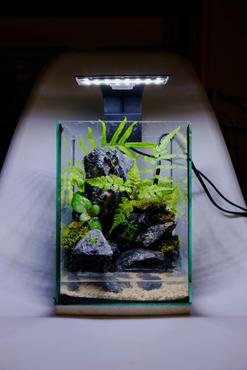
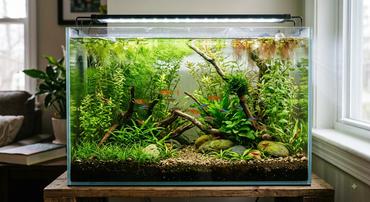
When starting your journey with cherry shrimp, the first decision is the size of the aquarium. While it is technically possible to keep shrimp in very small "pico" tanks, beginners should aim for a minimum of 5 to 10 gallons. The primary reason for this isn't physical space—shrimp have a very low bio-load—but rather water stability. In a 2-gallon container, a slight overfeeding or a warm afternoon can cause a lethal spike in ammonia or temperature. A 10-gallon tank provides a larger "buffer," meaning changes happen more slowly, giving you time to react before the shrimp are stressed.
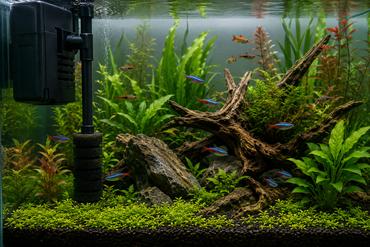
Filtration is the next critical component, and it is where most beginners make their first mistake. Standard power filters (Hang-On-Back) have powerful intake suctions that can easily trap and kill adult shrimp, and they are guaranteed to suck up newborn shrimplets. To avoid this, the Sponge Filter is the undisputed champion of shrimp keeping. Powered by a simple air pump, a sponge filter provides gentle water movement, excellent oxygenation, and serves as a massive grazing surface where beneficial bacteria and biofilm thrive. If you must use a traditional filter, you must invest in a high-quality stainless steel mesh filter guard to cover the intake.
Substrate choice for cherry shrimp is simpler than for other species like Crystal Reds. Since cherry shrimp prefer a slightly alkaline to neutral pH, you should use an inert substrate. This means the material will not change the chemistry of your water. Options like high-quality aquarium sand, fine gravel, or specialized inert shrimp substrates work best. Avoid "active" soils designed for plants that lower the pH, as this can actually make it harder for cherry shrimp to molt successfully. Finally, ensure your tank is placed away from direct sunlight to prevent temperature swings and excessive green water algae blooms.
Before you even think about buying your first bag of shrimp, your tank must be fully cycled. This process involves growing a colony of beneficial bacteria that converts toxic ammonia into nitrite, and then into nitrate. A "fishless cycle" is highly recommended for shrimp, as they are far more sensitive to ammonia than most hardy fish. It is worth your time to read a detailed guide on properly cycling your aquarium to ensure your environment is safe before inhabitants arrive.
Mastering Water Chemistry: Hardness, pH, and the Molting Cycle
Water chemistry is the area where shrimp keeping differs most from fish keeping. For fish, we primarily worry about ammonia and nitrates. For shrimp, we must also become experts in mineral content. Cherry shrimp are made of chitin, and as they grow, they must shed their old shell and grow a new one in a process called molting. If the water is too soft (lacking minerals) or too hard (too many minerals), the shrimp may get stuck in their shell, leading to the "White Ring of Death," a visible split in the exoskeleton that results in mortality.
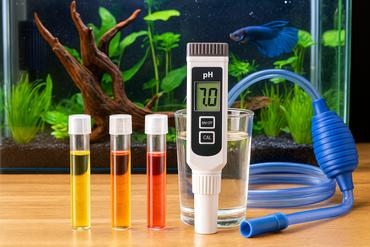
To prevent molting issues, you must monitor three key metrics: pH, gH (General Hardness), and kH (Carbonate Hardness). Cherry shrimp are adaptable, but they thrive in these ranges:
- pH: 6.8 to 7.8 (Ideally 7.2 to 7.5)
- gH: 6 to 8 degrees (This measures calcium and magnesium, essential for shell health)
- kH: 2 to 5 degrees (This measures carbonates, which keep the pH stable)
- TDS: 150 to 250 ppm (Total Dissolved Solids)
Temperature is also a factor in shrimp health and lifespan. While they can survive in temperatures as low as 60°F and as high as 82°F, keeping the tank at a steady 72–74°F is the "goldilocks zone." Higher temperatures speed up their metabolism and breeding but significantly shorten their lifespan. Lower temperatures slow down breeding but often result in larger, hardier shrimp. Regardless of the temperature you choose, avoid sudden fluctuations, as this is a major source of stress for invertebrates.
When performing maintenance, the "less is more" approach is vital. Large 50% water changes can be catastrophic for shrimp because it changes the mineral balance too quickly. Instead, aim for 10% to 15% changes weekly or bi-weekly. Many successful keepers use a "drip acclimation" style for water changes, where they slowly drip the new water into the tank over several hours using a piece of airline tubing. This prevents osmotic shock and ensures the shrimp barely notice the change in their environment.
Plants and Decor: Building a Biofilm Paradise
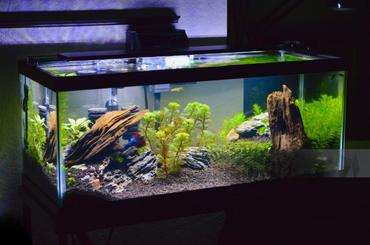
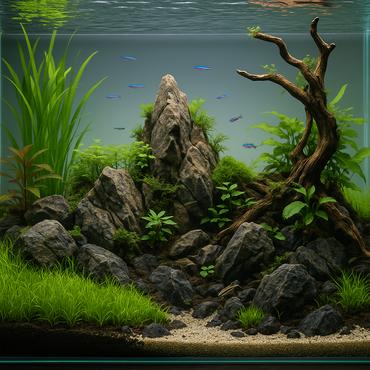
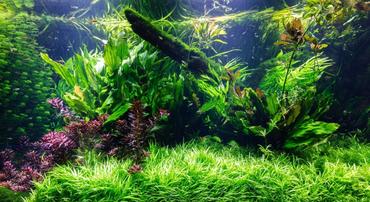
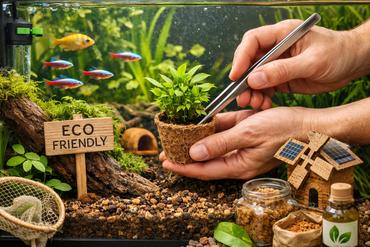
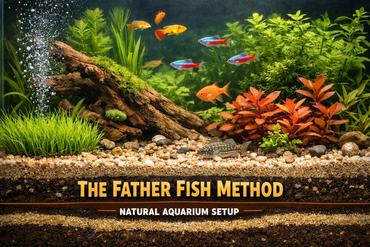
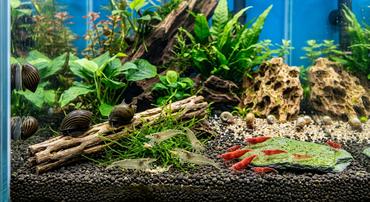
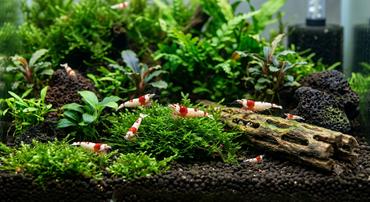
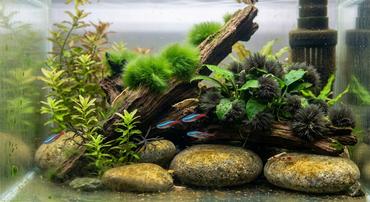
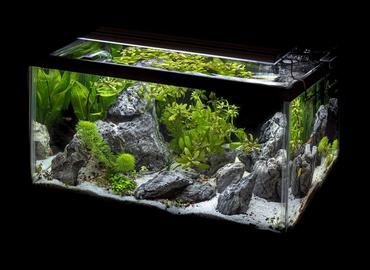
In the wild, cherry shrimp are foragers that spend their entire day picking at microscopic organisms. In the aquarium, your goal should be to maximize the surface area available for this "biofilm" to grow. A sterile, plastic-filled tank will not sustain a healthy shrimp colony. Instead, lean heavily into natural décor and live plants.
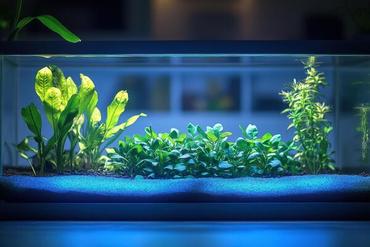
Live plants provide multiple benefits: they consume nitrates, they produce oxygen, and most importantly, they provide hiding spots for vulnerable shrimp. Some of the best plants for a cherry shrimp habitat include:
- Mosses (Java, Christmas, or Flame): Moss is essential. It provides a dense "carpet" where shrimplets can hide from predators and find constant food.
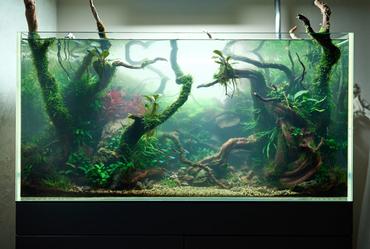
- Anubias and Bucephalandra: These slow-growing plants have broad leaves that collect biofilm and look stunning attached to driftwood.
- Floating Plants (Amazon Frogbit, Red Root Floaters): These are "nitrate sponges." They help keep the water pristine while their long, trailing roots provide an aerial playground for the shrimp.
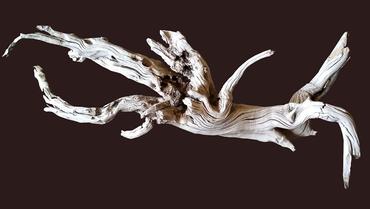
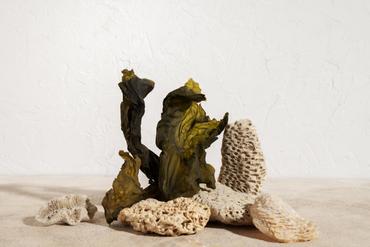
- Cholla Wood: This dried cactus skeleton is a shrimp favorite. As it slowly breaks down, it encourages the growth of beneficial fungi and bacteria that shrimp love to eat.
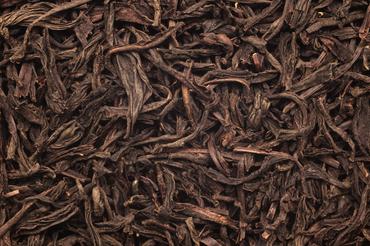
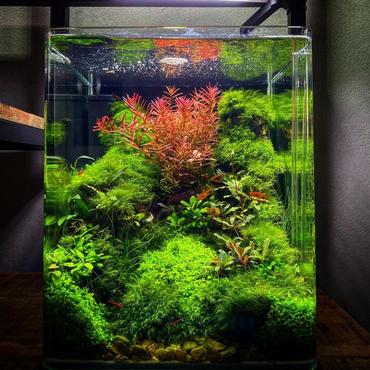
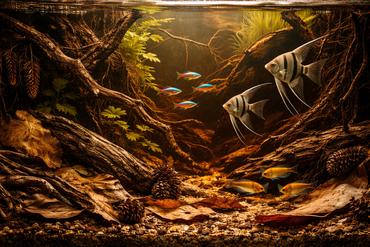
Botanicals, such as Indian Almond Leaves (Catappa leaves) or alder cones, are another "pro-tip" for beginners. These items release tannins into the water, which have mild antibacterial and antifungal properties. As the leaves decay, they become a primary food source for the shrimp. For more inspiration on choosing the right greenery for your setup, take a look at our list of the top plants for a freshwater aquarium.
Diet and Nutrition: Beyond Algae Wafers
While cherry shrimp are famous for eating algae, they cannot survive on glass-grown algae alone, especially in a clean aquarium. To maintain deep red coloration and ensure successful breeding, you must provide a balanced diet rich in protein, minerals, and carotenoids (which enhance their red pigment).
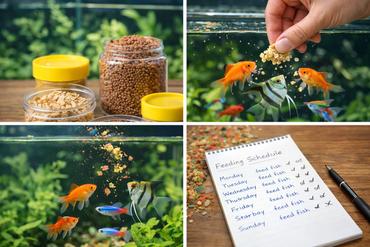
A high-quality specialized shrimp pellet should be the foundation of their diet. These pellets are designed to stay firm in the water for hours without breaking apart and polluting the tank. In addition to commercial food, "fresh" treats are highly recommended. You can offer blanched vegetables—meaning they have been boiled for a minute to soften them—such as:
- Spinach or Kale (High in calcium for shells)
- Zucchini or Cucumber
- Shelled Peas
- Carrots (Great for enhancing red color)
The biggest danger in feeding is overfeeding. If you see food sitting on the substrate after two hours, you have fed too much. Rotting food leads to planaria outbreaks and ammonia spikes. Many keepers use a small glass feeding dish; this prevents food from falling into the gravel where it can decay out of reach. Maintaining a clean substrate is one of the best tips for maintaining a clean aquarium, especially in a small shrimp-focused environment.
Compatibility: Choosing Safe Neighbors
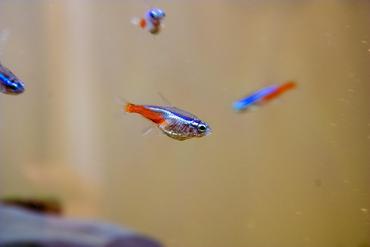
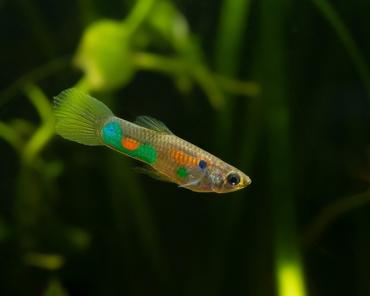
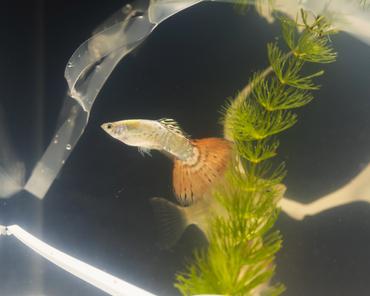
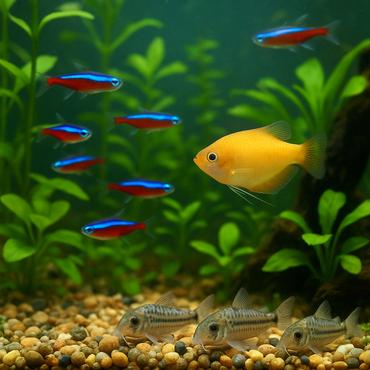
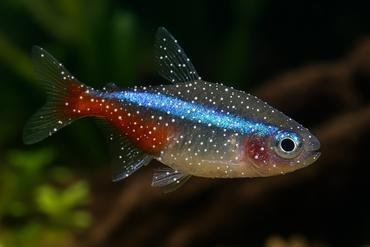
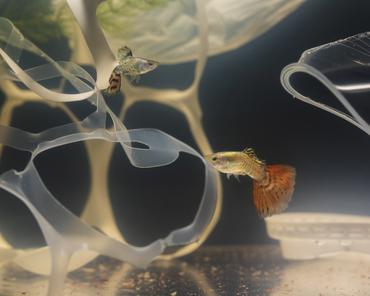
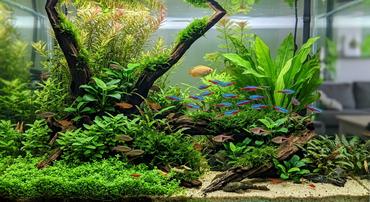
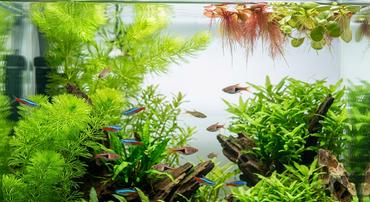
This is the most controversial topic in shrimp keeping. The truth is simple: if a fish has a mouth, and that mouth is big enough to fit a shrimp, the fish will eventually eat the shrimp. Even "peaceful" fish like Neon Tetras or Guppies are opportunistic predators that will hunt shrimplets with relentless efficiency.
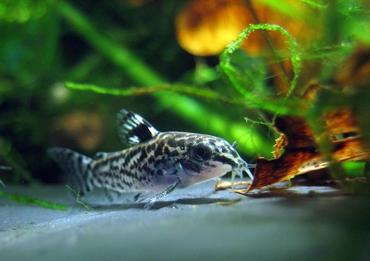
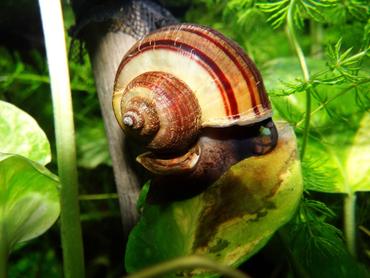
If your goal is to grow a massive colony, the only 100% safe tank mates are other snails (like Nerite or Mystery snails) or the Otocinclus catfish. The Otocinclus is widely regarded as the only truly shrimp-safe fish, as they are strict herbivores that will not even glance at a shrimplet. However, if you are comfortable with a "survival of the fittest" approach, you can keep cherry shrimp with small nano-fish such as:
- Chili Rasboras (Boraras brigittae)
- Ember Tetras
- Celestial Pearl Danios
- Endlers Livebearers
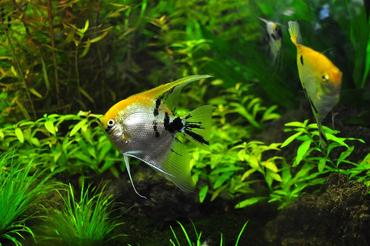
If you choose to keep fish with your shrimp, you must provide "safe zones." This means large clumps of moss or dense plant thickets where the babies can stay hidden until they are large enough to be ignored by the fish. Never keep cherry shrimp with larger fish like Angels, Barbs, or most Cichlids, as they will treat your shrimp as an expensive live meal. Also, avoid any copper-based medications for your fish, as copper is highly toxic to all invertebrates.
The Breeding Cycle: How to Grow Your Colony
One of the most rewarding moments for any hobbyist is spotting the first tiny shrimplets in the tank. Cherry shrimp are incredibly prolific if their basic needs are met. Unlike many other aquatic species, they do not require a separate breeding tank or special triggers like temperature drops. They breed when they are happy, well-fed, and the water is stable.
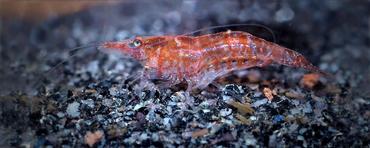
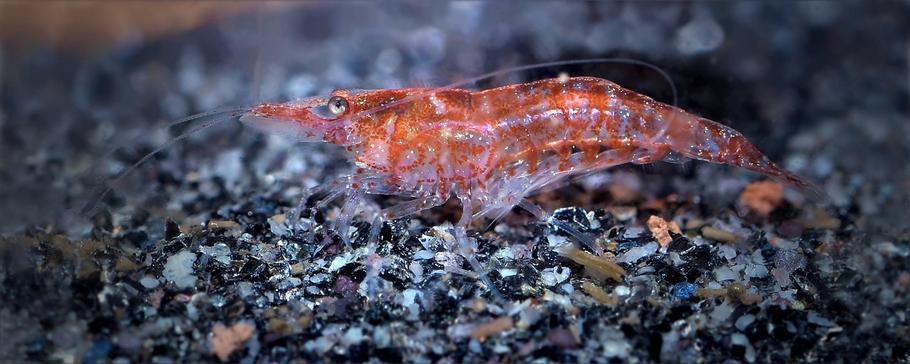
The process begins with the "saddle," a patch of unfertilized eggs visible on the female's back. When the female is ready to breed, she will molt, releasing pheromones into the water. This often causes the males to swim frantically around the tank in search of her—a behavior beginners often mistake for stress. Once fertilized, the eggs move from the saddle to the female's pleopods (under her tail). She is now "berried." Over the next 3 to 4 weeks, she will constantly "fan" the eggs with her legs to keep them clean and oxygenated. When you see tiny eyes inside the eggs, hatching is only days away.
The newborns are perfectly formed, microscopic versions of the adults. They do not swim much during the first few days and instead stay hidden in the moss. This is the most vulnerable stage of their life. Ensuring your filter is shrimp-proof and that there is plenty of biofilm is the key to a high survival rate. As the colony grows, you will notice various "grades" of shrimp. High-grade cherries are deep, solid red, while lower grades may be more translucent. If you wish to maintain a specific look, you may eventually want to "cull" (remove) the less colorful individuals to a separate tank to keep the main colony’s genetics strong.
Common Mistakes and Trouble-Shooting
Even with the best intentions, beginners often run into hurdles. The most common is the "mystery death," where one shrimp dies every few days. This is almost always related to water stability or a lack of minerals. If you see your shrimp struggling to molt, check your gH levels immediately. Another common issue is over-cleaning. If you scrub every surface of your tank until it is sparkling, you are removing the very food source (biofilm) that your shrimp depend on. A "dirty" looking tank with a bit of algae on the back glass is often a paradise for shrimp.
Be extremely careful with household chemicals as well. Aerosol sprays, perfumes, or even flea treatments on a pet can settle into the aquarium water and wipe out a shrimp colony. Always wash your hands and rinse them thoroughly (without using harsh soaps) before putting them in the tank. Finally, avoid the temptation to constantly "tweak" the water. Shrimp thrive on consistency. If your pH is 7.6 and the shrimp are breeding, do not try to lower it to 7.2 just because a guide said it was "ideal." The stress of the change is far more dangerous than the slightly higher pH.
Key Takeaways for Successful Shrimp Keeping
Success with cherry shrimp is built on a foundation of patience, observation, and minimal interference. By selecting the right equipment—specifically a sponge filter and a modest 10-gallon tank—you create a stable environment that can withstand minor errors. Prioritizing water minerals over pure cleanliness ensures your shrimp can molt and grow without complications. Remember that live plants, especially mosses, are not optional luxuries but vital tools for shrimplet survival and water filtration.
As you watch your colony grow, you will find that these tiny creatures provide endless fascination. They are the perfect introduction to the broader world of "freshwater invertebrates," and the skills you learn here will prepare you for more challenging species like Caridina or even saltwater reef keeping. We invite you to continue your education by browsing our extensive library of care guides and aquascaping tips. Whether you are troubleshooting a water issue or looking for your next tank inhabitant, RateMyFishTank.com is your partner in creating a thriving aquatic world. Happy shrimping!
MOST RECENT ARTICLES