CARING FOR SALTWATER GOBIES

Understanding Saltwater Gobies: Types and Roles in the Reef Tank
Before stocking your aquarium, it helps to realize that "goby" is an exceptionally broad term. In the wild, gobies inhabit everything from shallow tide pools to deep coral reef slopes. In the aquarium hobby, marine gobies are generally categorized by their primary ecological niche and natural behaviors. Selecting the right category ensures that your aquarium layout and substrate match what your chosen species expects in nature.
The first major category consists of the Sand-Sifting Gobies (such as the Diamond Watchman Goby, Valenciennea puellaris, and the Dragon/Lined Goby, Valenciennea longipinnis). These active fish scoop up mouthfuls of sand, filter out microfauna, worms, and organic detritus through their gills, and drop clean sand back onto the substrate. They are remarkable utility fish for keeping sand beds bright white, though they require mature sand beds rich in biological food to remain well-nourished.
The second popular category is the Symbiotic Watchman or Shrimp Gobies (including the Yellow Watchman Goby, Cryptocentrus cinctus, and the Wheeler's Watchman Goby, Amblyeleotris wheeleri). These species form a celebrated mutualistic relationship with pistol shrimp (genus Alpheus). The blind or poor-sighted shrimp excavates and maintains a shared burrow in the sand under rockwork, while the vigilant goby sits at the entrance acting as the eyes of the operation, signaling the shrimp when danger approaches.
Finally, hobbyists frequently keep Perching and Cleaning Gobies (such as the Neon Goby, Elacatinus oceanops, and the Clown Rubble Goby, Gobiodon species). These miniature species rarely interact with the substrate. Instead, cleaning gobies establish stations on corals or rock outcrops where larger fish visit to have parasites picked off, while tiny clown gobies weave through the branches of stony corals.
Aquarium Setup, Substrate, and Water Parameters for Gobies
Creating a hospitable environment for gobies relies heavily on two specific factors: your choice of substrate and the security of your aquarium lid. Because gobies spent millions of years adapting to life near the seafloor or within tight crevices, replicating these structure-rich habitats reduces chronic stress and prevents unexpected losses.
Substrate composition is arguably the most critical physical decision you will make when housing bottom-dwelling gobies. For sand-sifters and burrowing watchman gobies, you must provide a fine to medium-grade aragonite sand bed that is at least two to three inches deep. Avoid coarse gravel, crushed coral, or sharp shell fragments. Coarse substrates can tear the delicate gill membranes of sand-sifting species as they process sand, leading to severe physical trauma or fatal infections.
Water quality parameters should mirror standard, stable marine reef conditions. Gobies thrive under the following target parameters:
- Water Temperature: 74°F to 80°F (23°C to 27°C)
- Specific Gravity / Salinity: 1.023 to 1.026 SG
- pH Level: 8.1 to 8.4
- Ammonia & Nitrite: 0 ppm
- Nitrate: Less than 10–15 ppm
One common beginner oversight involves jumping hazards. Gobies are powerful, torpedo-shaped swimmers capable of sudden bursts of speed when startled. In an open-top aquarium, a frightened goby will routinely leap straight out of the tank through remarkably tiny openings. A tight-fitting mesh lid or glass canopy with all wire cutouts covered is non-negotiable when keeping any goby species. For complete guidance on keeping water chemistry rock-solid, check out our guide on saltwater aquarium maintenance and testing.
Popular Goby Species for Beginners and Intermediates
Selecting the right species depends on your tank size, substrate volume, and experience level. Here are four outstanding marine goby species that bring distinct visuals and behaviors to home aquariums:
1. Yellow Watchman Goby (Cryptocentrus cinctus): A staple of the marine hobby, the Yellow Watchman Goby features a bright yellow body adorned with subtle blue spots across its head and fins. Reaching around 3 to 4 inches in length, it is famously hardy and displays a classic disgruntled "frown." When paired with a Tiger Pistol Shrimp (Alpheus bellulus), this species produces one of the most rewarding behavioral displays in the marine aquarium world.
2. Diamond Watchman Goby (Valenciennea puellaris): Adorned with striking orange spots and iridescent blue facial dashes, the Diamond Goby is the quintessential sand-sifter. It works tirelessly throughout the day filtering the upper layers of substrate. Because they grow up to 6 inches long and have high metabolic demands, they require tanks of at least 30 to 40 gallons with an established sand bed and supplementary feeding.
3. Neon Goby (Elacatinus oceanops): Native to the Western Atlantic, this tiny cleaner goby sports electric blue horizontal stripes along a sleek dark body. Maxing out at just 2 inches, Neon Gobies are ideal candidates for nano reef setups as small as 10 to 15 gallons. Captive-bred specimens are widely available, highly resilient, and readily accept commercial feeds while attempting to clean larger tankmates.
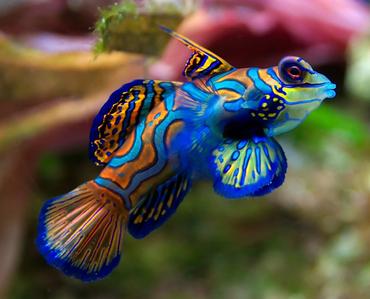
4. Court Jester / Rainford's Goby (Koumansetta rainfordi): Featuring green and orange longitudinal stripes with dark eyespots on its dorsal fin, this peaceful intermediate species spends its time hovering just above the substrate and picking at hair algae and micro-fauna. They are extremely gentle and excel in quiet reef tanks with plenty of mature live rock.
Dietary Requirements and Feeding Strategies
Feeding saltwater gobies requires a targeted strategy based on the specific feeding habits of your species. A frequent mistake made by beginner hobbyists is assuming that sand-sifting gobies "eat sand" or live purely on detritus. In reality, sand-sifters ingest substrate to extract living micro-invertebrates, copepods, amphipods, and tiny worms. In a small or newly established aquarium, a sand-sifting goby can quickly strip the substrate of natural food sources and quietly starve within a few months despite apparent sand-sifting activity.
To keep sand-sifting and burrowing gobies plump and healthy, you must actively supplement their diet daily. Turn off high-flow wavemakers during feeding time and use a long turkey baster or rigid acrylic tube to deliver foods directly near their burrow or feeding area. High-protein frozen foods work best, including:
- Enriched frozen mysis shrimp
- Finely chopped frozen brine shrimp
- Copepods and rotifers
- High-quality carnivore pellets sinking to the substrate
Small perching gobies like Neon Gobies and Trimma species have tiny mouths and elevated metabolic rates, benefiting from smaller, frequent feeds of cyclops, calanus, and crushed micro-pellets. If you are housing small gobies alongside aggressive top-water feeders like damselfishes or anthias, target feeding ensures your substrate-bound gobies receive adequate nutrition before faster swimming tankmates consume all the food.
Compatibility, Tankmates, and Behavioral Considerations
Saltwater gobies are generally peaceful toward non-goby tankmates, making them ideal additions to community marine aquariums and reef systems. However, territoriality and intraspecific aggression (aggression toward their own kind or similarly shaped species) require careful planning during stocking.
As a general rule, do not house multiple gobies of the same species in the same aquarium unless they are a confirmed, bonded male-female pair. Two male Yellow Watchman Gobies or two male Diamond Gobies placed in a standard 40-gallon tank will fight relentlessly over burrows and territory until one is severely injured or driven out. You can, however, mix gobies from different ecological niches—such as keeping a top-water Neon Goby alongside a bottom-dwelling Yellow Watchman Goby—provided your aquarium offers sufficient floor space.
When selecting tankmates for gobies, avoid large, predatory, or overly aggressive bottom-dwellers. Excellent compatible tankmates include:
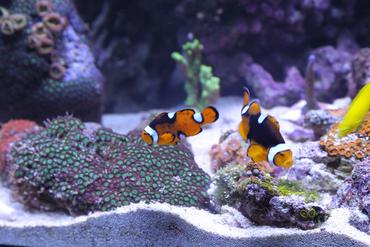
- Ocellaris or Percula Clownfish
- Royal Grammas and Firefish
- Cardinalfish (such as Banggai or Pajama Cardinals)
- Small wrasses (like Possum or Flasher wrasses)
- Peaceful reef invertebrates like Cleaner Shrimp and Turbo Snails
Conversely, avoid keeping small gobies with large predators such as Lionfish, Groupers, large Angelfish, or aggressive Triggerfish, which will easily view a 2-inch goby as a snack. Additionally, exercise caution when keeping large, aggressive crustacean species like Arrow Crabs or Mantis Shrimp that hunt bottom-dwelling fishes. To check whether your favorite marine species will get along in the same tank, try out our interactive saltwater fish compatibility tool.
Common Beginner Mistakes and How to Avoid Them
Even experienced aquarists occasionally make mistakes when keeping marine gobies. Recognizing these potential pitfalls ahead of time will save you money, time, and heartache.
1. Undermining Rockwork: Pistol shrimp and burrowing watchman gobies love to excavate vast tunnels beneath live rock formations. If your live rock is rested directly on top of a deep sand bed, these burrows can cause a structural collapse, crushing the fish or cracking aquarium glass. Always place your base rock directly on the bottom glass of the tank before adding sand, or construct sturdy PVC support cradles underneath heavy rock structures.
2. Adding Sand-Sifters to Brand New Tanks: Introducing a Diamond Watchman Goby into a freshly cycled aquarium with sterile sand is a recipe for starvation. Wait at least 4 to 6 months until your tank's sand bed matures and establishes a self-sustaining population of beneficial microfauna before introducing dedicated sand-sifters.
3. Inadequate Lid Coverage: Relying on standard glass tops with large open gaps around filter pipes or heaters often ends in tragedy. Gobies can slip through openings as small as half an inch. Secure all gaps with tight mesh or foam cutouts.
Key Takeaways for Successful Goby Care
Saltwater gobies bring an unmatched blend of utility, personality, and fascinating natural behaviors to home marine aquariums. By providing a soft aragonite sand bed, securing your aquarium with a tight-fitting lid, target-feeding nutrient-dense frozen foods, and choosing compatible tankmates, you can enjoy these remarkable reef creatures for many years to come.
Ready to build the ultimate saltwater aquarium? Browse profiles, tank requirements, and member photos across hundreds of marine species in our saltwater aquarium fish database. Have a question about pairing your goby with a pistol shrimp or selecting the perfect species for your nano reef? Leave a comment below or explore the main RateMyFishTank blog hub to connect with fellow marine hobbyists!

MOST RECENT ARTICLES