GREEN HAIR ALGAE VS. STAGHORN ALGAE: HOW TO TELL THE DIFFERENCE
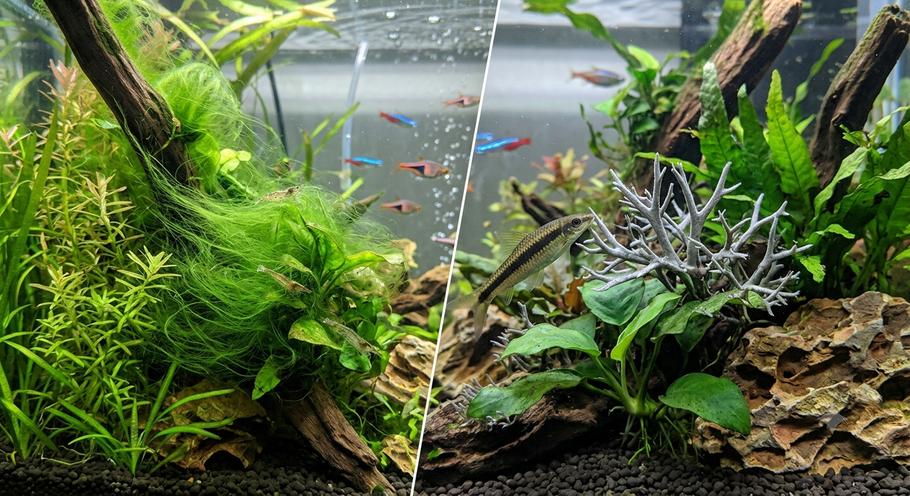
Identifying Green Hair Algae vs. Staghorn Algae
Accurate identification is half the battle when learning how to control algae growth in your freshwater aquarium. Treating Green Hair Algae like Staghorn Algae—or vice versa—often leads to wasted effort, unnecessary chemical dosing, and prolonged stress for your tank inhabitants. Let's look closely at how each strain presents itself under normal tank lighting.
Green Hair Algae (Filamentous Algae)
Green Hair Algae belongs to the Chlorophyta family (true green algae). Visually, it lives up to its name with several defining characteristics:
- Color: Bright grass-green, forest green, or yellowish-green.
- Texture: Soft, flexible, slippery, and fine. It feels almost silk-like when rolled between your fingers underwater.
- Structure: Forms long, unbranched, thread-like strands. It creates dynamic webs, mats, or floating veils that drift with the tank's water flow.
- Anchor Points: It loosely clings to plant leaves, driftwood, intake tubes, and substrate, but it is exceptionally easy to pull away mechanically.
Staghorn Algae (Compsopogon caeruleus)
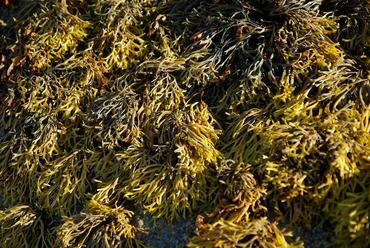
Despite its grayish appearance, Staghorn Algae actually belongs to the Rhodophyta family (red algae). It presents a stark contrast to hair algae upon closer inspection:
- Color: Light gray, ash-blue, pale green-white, or dark charcoal. It often turns bright red or pink if treated with liquid carbon or hydrogen peroxide.
- Texture: Coarse, stiff, rubbery, and tough. It feels wiry or crusty rather than soft.
- Structure: Forms distinct, branching structures resembling deer antlers (hence its name). It grows in tight, dense tufts rather than flowing ribbons.
- Anchor Points: Binds tenaciously to leaf margins, hardscape edges, filter outlets, and slow-growing plants like Anubias and Java Fern. It is notoriously difficult to pluck off by hand without tearing the plant tissue underneath.
Root Causes: What Triggers Each Outbreak?
Algae is an opportunistic organism; it capitalizes on physiological weaknesses in your live plants and environmental imbalances within the water column. However, Green Hair Algae and Staghorn Algae are triggered by very different aquarium parameters.
What Triggers Green Hair Algae?
Green Hair Algae shares almost the exact same nutritional requirements as high-order aquatic plants. Because it is a true green algae, it thrives when conditions favor plant growth, but one or two critical limiting factors fall out of balance.
- Excessive Photoperiod or Light Intensity: Leaving your aquarium lights on for more than 8 to 10 hours daily gives hair algae the extra energy it needs to outcompete higher plants.
- Nutrient Accumulation: High levels of dissolved nitrates and phosphates—often caused by overfeeding or irregular water changes—act as high-octane fuel for filamentous growth.
- Elevated Iron Levels: Over-dosing liquid micro-nutrients, particularly iron fertilizers, is a notorious trigger for sudden hair algae explosions.
- Unstable CO2 Levels: In high-tech planted aquariums, fluctuating carbon dioxide injection causes live plants to stall, allowing hair algae to absorb the excess light and nutrients.
What Triggers Staghorn Algae?
Staghorn Algae is rarely caused by excessive light alone. Instead, it is almost exclusively a diagnostic signal of organic pollution paired with unstable carbon availability.
- Spikes in Free Ammonia/Ammonium: Even micro-spikes in ammonia—caused by disturbing a dirty substrate, a rotting dead fish, or a clogged filter—can trigger Staghorn spores to germinate rapidly.
- Accumulated Organic Detritus: Low water circulation allows fish waste, decaying plant leaves, and uneaten food to settle into dead zones, degrading water purity.
- Low or Fluctuating CO2 Levels: Sharp drops in dissolved carbon dioxide cause plant stress and leaf cell leakage, releasing organic compounds directly into the water column that Staghorn algae feeds upon.
- Dirty Mechanical Filter Media: Infrequent rinsing of filter sponges allows organic sludge to build up, continuously leaking dissolved organics back into the display tank.
Targeted Treatment Strategies: How to Eradicate Both
Because their underlying causes differ, attempting a blanket fix for algae rarely yields long-term success. Follow these tailored protocols to wipe out the specific invader in your display.
Protocol 1: Clearing Green Hair Algae
- Manual Extraction: Take a clean, unused toothbrush or wooden skewer, insert it into the center of the hair algae mats, and spin it in a circle like pulling spaghetti onto a fork. This removes up to 80% of the bulk mass within minutes.
- Light Management: Reduce your daily photoperiod to 6 hours for two weeks. Ensure the tank is not receiving ambient direct sunlight from nearby windows.
- Nutrient Reset: Perform a 30% to 50% water change using a gravel vacuum to clear detritus. Temporarily halt any supplemental iron liquid fertilizers.
- Blackout Method (For Severe Cases): If hair algae covers the entire tank, execute a strict 3-day blackout by shutting off lights and covering the aquarium with a dark blanket. True green algae suffers rapidly without light, while your higher plants will easily survive the short duration.
Protocol 2: Eliminating Staghorn Algae
- Spot-Treatment Dosing: Turn off your filter pumps to stop water circulation. Using a syringe or pipette, spot-treat dense Staghorn tufts directly with either liquid carbon (glutaraldehyde) or 3% Hydrogen Peroxide (H2O2) at a dose of no more than 1.5 mL per gallon. Allow it to sit for 10 minutes before turning filters back on. Within 24 to 48 hours, the Staghorn will turn pink, purple, or white, indicating it is dying.
- Deep Clean Biological and Mechanical Filters: Gently squeeze out filter sponges in a bucket of extracted tank water during your routine maintenance. Never use chlorinated tap water, which wipes out beneficial nitrifying bacteria. Removing organic sludge stops the mini ammonia leaks that Staghorn thrives on.
- Improve Water Circulation: Adjust filter returns or add a small powerhead to eliminate stagnant dead spots near plant beds where detritus accumulates.
- Stabilize Carbon Levels: Ensure CO2 injection is consistent or increase surface agitation slightly to maintain steady ambient oxygen and carbon exchange.
Biological Control: Matching Cleanup Crews and Fish Compatibility
Adding biological grazers can significantly ease your workload, but you must select species based on their mouth morphology and feeding habits. Not all algae-eating fish and invertebrates will consume tough or fibrous algae strains.
Best Livestock for Green Hair Algae
Green Hair Algae is soft and palatable, making it a favorite for many herbivorous aquatic species:
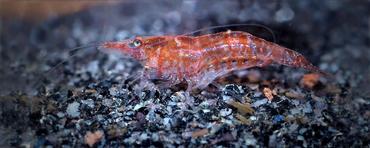
- Amano Shrimp (Caridina multidentata): The undisputed champions of hair algae removal. A small team of Amano shrimp will work tirelessly, picking apart long filaments strand by strand.
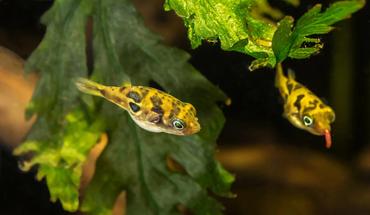
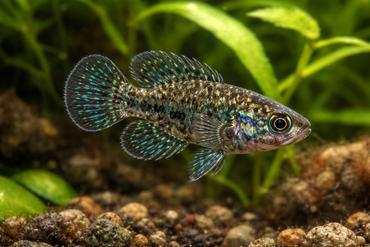
- American Flagfish (Jordanella floridae): Native to North America, these pupfish possess specialized jaws capable of ripping tough strands of hair algae off plant stems.
- Rosy Barbs (Pethia conchonius): Energetic community fish that actively graze on soft filamentous algae when kept in small schools.
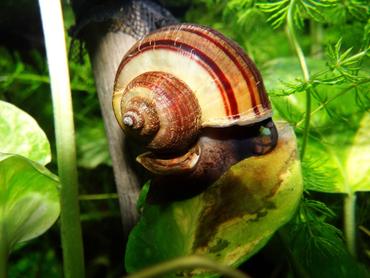
- Nerite Snails (Neritina sp.): Excellent overall grazers that clear hair algae roots off hardscape and glass surfaces.
Best Livestock for Staghorn Algae
Because Staghorn Algae is coarse, rubbery, and chemically defended, very few aquatic animals will touch it when it is fully grown:
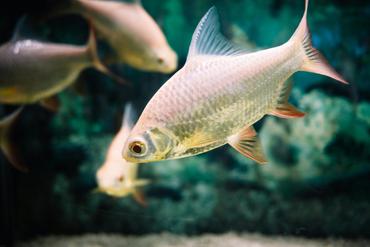
- Siamese Algae Eater (Crossocheilus oblongus): The true Siamese Algae Eater (SAE) is one of the rare fish species capable of raspy grazing on tough red algae types like Staghorn and Black Beard Algae. Ensure you acquire the true SAE rather than the aggressive Chinese Algae Eater.
- Amano Shrimp: While they usually ignore healthy Staghorn, Amano shrimp will greedily devour it once it has been weakened and turned pink/purple by liquid carbon or spot treatments.
Tankmate Compatibility and Care Considerations
Before rushing to your local fish store to purchase a new biological cleanup crew, you must consider the environmental needs and temperament of these specialized species. Poorly planned stocking can lead to aggressive behavior, stressed fish, or elevated organic waste that worsens your algae issues.
Siamese Algae Eater (SAE) Compatibility: True SAEs grow to roughly 6 inches long and are active, powerful swimmers. They require a minimum tank size of 30 gallons with plenty of open swimming area. While peaceful toward most community fish like Tetras, Rasboras, and Corydoras, adult SAEs can become territorial toward their own kind or similarly shaped bottom-dwellers if kept in cramped quarters.
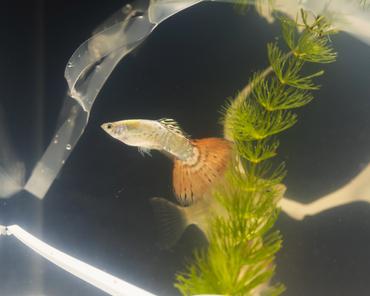
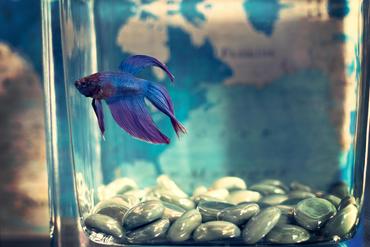
American Flagfish Temperament: American Flagfish are exceptional algae consumers, but males can display mild territoriality, particularly during breeding cycles. Avoid pairing Flagfish with delicate, slow-swimming species with long fins (such as Male Guppies or Betta fish), as Flagfish may nip fins when bored or defending territory.
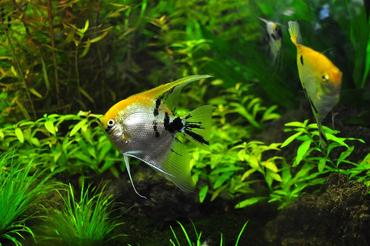
Shrimp Safety with Fish Tankmates: Amano shrimp are invaluable for algae control, but their small size makes them natural prey for larger, predatory fish species. Never stock Amano shrimp in aquariums housing semi-aggressive or large cichlids, such as Angelfish, Oscars, or Jack Dempseys. Always provide dense live mosses, rock caves, or driftwood hideouts where invertebrates can safely molt.
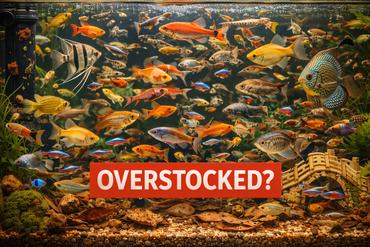
Avoiding the "Overstocking Pitfall": A classic beginner mistake is purchasing several large algae-eating fish to combat a sudden bloom, only to overcrowd the aquarium. Heavy fish stocking increases bioload, elevating nitrate and phosphate production. Thorough fish tank maintenance and cleaning must remain your primary line of defense.
Long-Term Prevention: Maintaining Balance in Your Aquascape
Once you have successfully cleared your tank of Green Hair or Staghorn Algae, shift your focus toward preventative care. Algae prevention is not about creating a completely sterile environment; it is about maintaining a stable balance where higher plants thrive and outcompete primitive organisms.
- Establish a Consistent Lighting Schedule: Put your aquarium lights on a digital timer set for 7 to 8 hours daily. Consistency prevents lighting fluctuations that trigger nuisance blooms.
- Execute Weekly Water Changes: Perform a 20% to 25% water change every week without fail. Use a siphon to vacuum accumulated debris out of exposed gravel beds and hardscape crevices.
- Promote Healthy Plant Growth: Dense, rapidly growing stems (such as Vallisneria, Hornwort, or Ludwigia) consume dissolved nitrogen and phosphorus quickly, leaving zero excess nutrients for algae spores.
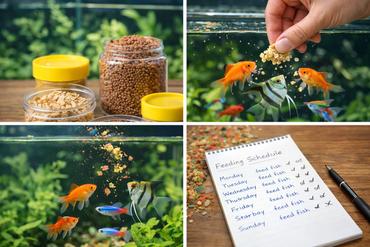
- Do Not Overfeed: Only offer as much food as your fish can completely consume within two minutes. Leftover flakes and pellets dissolve rapidly, releasing high amounts of phosphates directly into the water column.
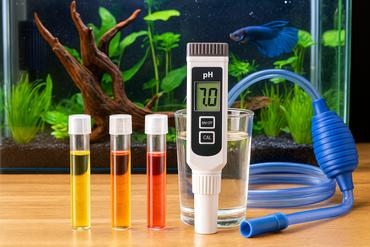
- Test Water Quality Regularly: Maintain nitrates below 20 ppm and keep track of parameters using a high-quality liquid test kit. Catching a nutrient spike early allows you to take corrective action long before an algae outbreak physically takes hold.
Takeaway: Restoring Balance to Your Aquarium
While dealing with an algae invasion can feel overwhelming, understanding the distinct differences between Green Hair Algae and Staghorn Algae transforms a frustrating problem into a manageable diagnostic tool. Bright green, thread-like filaments signal excess light, unmanaged fertilizers, or high nutrients. In contrast, stiff, grayish, antler-like tufts alert you to organic sludge buildup, ammonia micro-spikes, or unstable carbon levels. By pairing physical removal with targeted water parameter adjustments and compatible algae-eating species, you can quickly restore clarity and beauty to your display setup.
Ready to master freshwater tank husbandry and keep your underwater paradise looking its best? Explore our comprehensive guide on the best algae eaters for freshwater tanks to choose the perfect cleanup crew for your specific setup, or share your tank's progress with our community today!

MOST RECENT ARTICLES