BEGINNER-FRIENDLY ODDBALL FISH: UNIQUE SPECIES THAT WORK IN SMALL TANKS
Understanding the Allure of the Nano-Oddball
In the aquarium hobby, the term "oddball" is a catch-all phrase for anything that doesn't fit the typical profile of a sleek, streamlined schooling fish. For many hobbyists, the appeal lies in the personality and the "alien" aesthetic these creatures bring to a room. When you keep a school of 20 Rasboras, you are admiring a collective movement; when you keep a single Dwarf Pea Puffer or a pair of Bumblebee Gobies, you are interacting with individual characters.
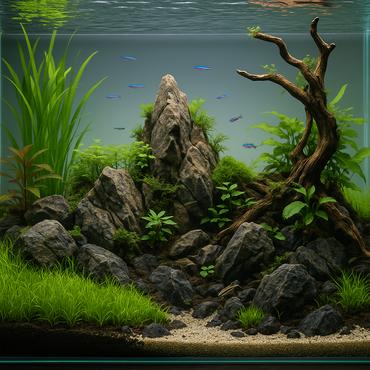
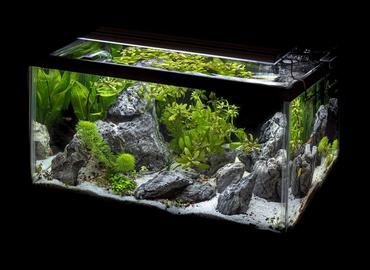
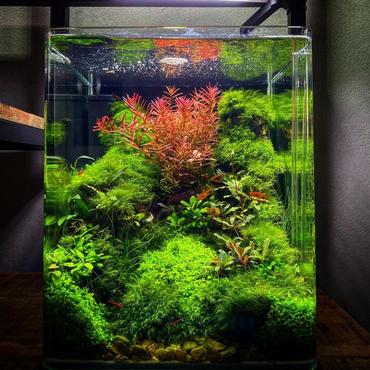
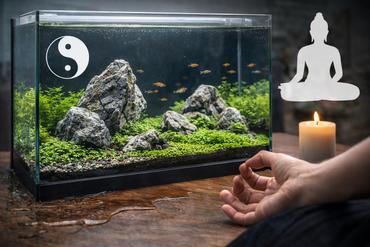
The rise of "nanoscaping"—the art of creating high-detail layouts in small tanks—has paved the way for these unique species to take center stage. Beginners often assume that a 10-gallon or 20-gallon tank limits them to the basics, but in reality, these smaller volumes are the perfect laboratory for observing the specialized behaviors of oddball species. Because these fish often have unique hunting styles, territorial displays, or camouflage techniques, a smaller environment allows the keeper to witness these behaviors up close without the fish getting "lost" in a massive 75-gallon scape.
However, the shift from "standard" to "oddball" requires a mental shift in how you approach the hobby. You are no longer just maintaining water; you are curating a specific niche ecosystem. This transition is the hallmark of an intermediate keeper, but with the right guidance, a beginner can leapfrog the learning curve and find success with these extraordinary animals right from the start.
Top Beginner-Friendly Oddballs for Small Tanks
Choosing the right species is the most critical step. Many fish sold as "cute" juveniles in pet stores—such as Iridescent Sharks or Clown Knifefish—are actually monster fish that will outgrow a small tank in months. The following species are true nano-oddballs that stay small and are relatively forgiving of beginner mistakes.
1. The Dwarf Pea Puffer (Carinotetraodon travancoricus)
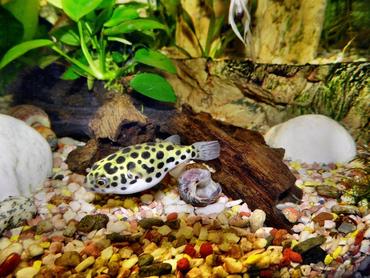
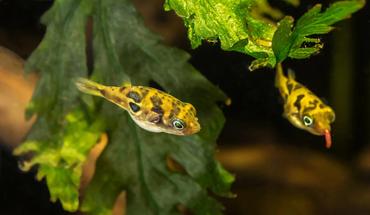
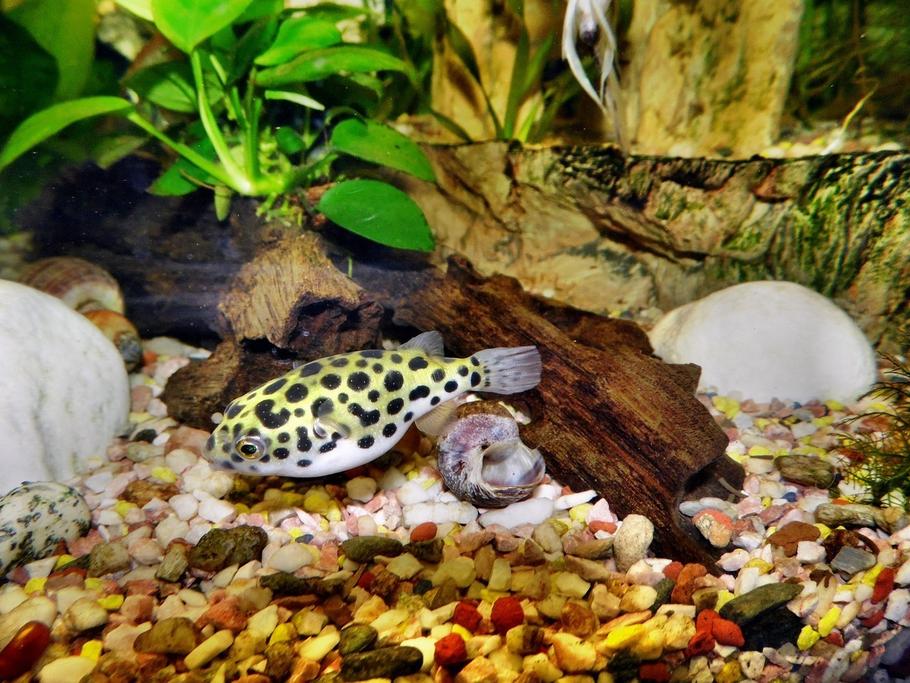
The Pea Puffer is perhaps the most iconic nano-oddball. Originating from the Western Ghats of India, these are the smallest puffers in the world, topping out at just about an inch. Unlike their massive saltwater cousins, they don't require complex marine setups, but they do require a dedicated owner. They have independently moving eyes, allowing them to track prey (and their owners) with uncanny precision. They are highly intelligent and can become quite "tame," begging for food at the glass.
- Tank Size: 10 gallons for a single puffer or a small harem.
- Diet: Strictly carnivorous. They generally refuse flakes and pellets. You must be prepared to offer frozen bloodworms, brine shrimp, and live "pest" snails like bladder snails to keep their beaks trimmed.
- Social Behavior: They are territorial "fin nippers." While some keep them with fast-moving Otocinclus, they are generally best in a species-only tank.
2. The Freshwater Bumblebee Goby (Brachygobius doriae)
These fish look like tiny, grumpy bumblebees with fins. Their black and yellow bands make them stand out against green plants, and their habit of "sticking" to the glass or resting on rocks using their fused pelvic fins is endlessly entertaining. They have a stout, bulldog-like appearance that adds a completely different geometry to your tank.
- Tank Size: 10 to 15 gallons.
- Water Chemistry: While many gobies are brackish (requiring salt), B. doriae can thrive in hard freshwater. It is vital to confirm the species with your dealer.
- Feeding: Like puffers, they are picky. They prefer frozen foods and may take time to transition to high-quality sinking pellets.
3. African Dwarf Frog (Hymenochirus curtipes)
While not a fish, these fully aquatic frogs are the quintessential oddball for a small community or species-only setup. They spend their entire lives underwater, only darting to the surface for a quick gulp of air. Their clumsy swimming style and "zen" poses (sitting perfectly still for hours) make them a favorite for families. They are social creatures and should always be kept in groups of two or more.
- Tank Depth: They are not strong swimmers. Avoid tall, vertical tanks; a standard "long" tank is better so they can easily reach the surface to breathe.
- Compatibility: Very peaceful, but they have poor eyesight. They should not be kept with aggressive fish that will steal their food before they can find it.
4. The Peacock Gudgeon (Tateurndina ocellicauda)
If you want the "oddball" look with the color of a saltwater fish, the Peacock Gudgeon is your best bet. With a shimmering blue body, yellow-edged fins, and a bright red "eye-spot" on the tail, they are stunning. They have a unique "hovering" movement and are one of the few oddballs that are truly peaceful in a community setting. They are also cave spawners, and watching a male guard a clutch of eggs inside a small pipe or cave is a masterclass in fish behavior.
Creating the "Oddball" Environment: Scaping for Success
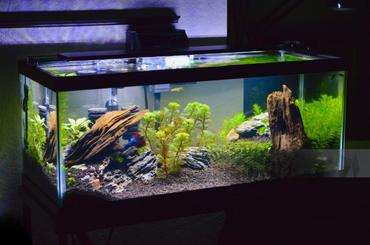
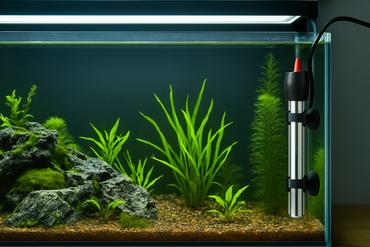
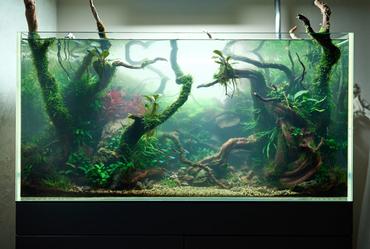
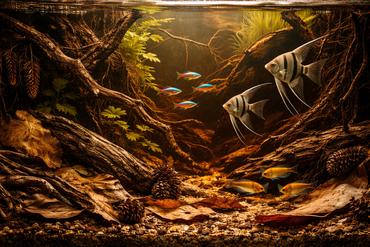
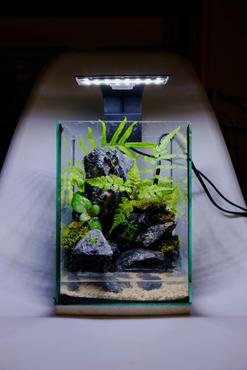
Standard aquarium setups often focus on open swimming space in the middle of the tank. For oddballs, the "negative space" is less important than the "complex space." These fish have evolved to hide, hunt, and inhabit specific niches like leaf litter, rock crevices, or dense root systems. To make them feel at home, your aquascaping must be intentional.
The Importance of Caves and Sightlines
Many unique species are territorial. In a small tank, "out of sight, out of mind" is the rule for keeping the peace. If a Pea Puffer can see its neighbor at all times, it will eventually attack. By using tall plants, driftwood, and rocks to break up the "lines of sight," you create multiple mini-territories within a single 20-gallon footprint. This allows each fish to have a "safe zone."
Substrate Selection
Don't just grab the cheapest neon-colored gravel. Many oddballs, such as the various species of Kuhli Loaches (the "water snakes" of the hobby) or gobies, have sensitive underbellies or like to sift through the bottom. Rough gravel can cause physical injury or lead to infections. A fine, soft sand is almost always the superior choice for oddball tanks. It allows for natural burrowing behavior and is much easier to keep clean using a gravel vacuum, as waste sits on top of the sand rather than sinking into the gaps of the gravel.
Live Plants: More Than Just Decoration
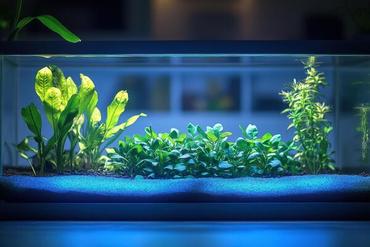
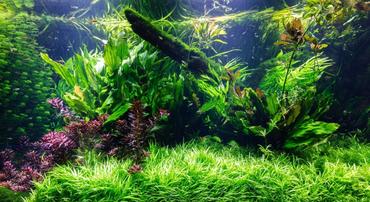
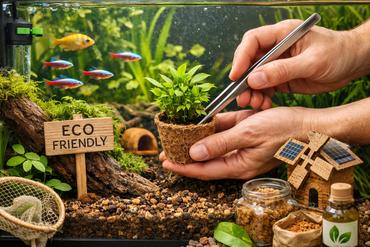
For a beginner, live plants might seem intimidating, but they are the secret weapon for oddball success. Plants like Java Fern, Anubias, and Cryptocoryne are "low-light" friendly and provide the organic cover these fish crave. Floating plants like Amazon Frogbit or Salvinia are particularly helpful; they diffuse the light, making shy oddballs feel more secure, and their long hanging roots provide a 3D playground for frogs and puffers to explore. Furthermore, plants act as a biological filter, absorbing nitrates and providing a home for "micro-fauna" (tiny organisms) that many oddballs like to snack on between meals.
Care, Compatibility, and the "Picky Eater" Problem
The most common reason beginners fail with unique species is a lack of preparation regarding diet. Unlike Goldfish or Danios, which will eat almost anything that hits the water, many oddballs are specialized predators. In the wild, they hunt tiny crustaceans, insect larvae, and worms. This instinct remains strong in the aquarium.
The Frozen Food Reality
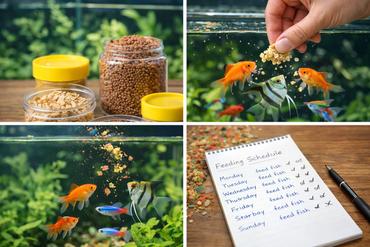
If you are not comfortable keeping a tray of frozen bloodworms or brine shrimp in your freezer, many oddball fish are not for you. While some can be trained to eat high-quality sinking pellets, a diet of 100% dry food will often lead to malnutrition or a failure to thrive. Target feeding—using a long pair of tweezers or a pipette to place food directly in front of the fish—is a common practice for oddball keepers. This ensures that the "slow" fish (like African Dwarf Frogs) get fed before the "fast" fish (like Tetras) can steal the meal.
Water Quality and Stability
While we classify these as "beginner-friendly," they are less tolerant of "New Tank Syndrome" than a Zebra Danio might be. A small tank has less water volume, meaning that if something goes wrong (like an ammonia spike from an uneaten worm), it happens fast.
- Filtration: Use a filter that provides excellent biological filtration but low current. Many oddballs, especially those from stagnant or slow-moving waters, find heavy "waterfall" currents stressful. A sponge filter or an adjustable hang-on-back filter with a pre-filter sponge is ideal.
- Maintenance: Small tanks require discipline. A 20-30% water change once a week is mandatory. This removes nitrates and replenishes minerals that are essential for the health of unique species.
The "Community" Question
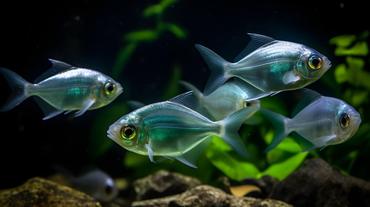
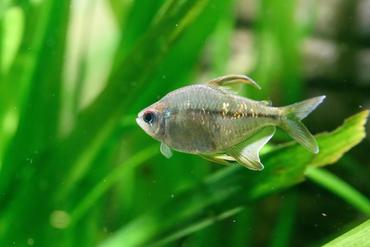
Can you keep oddballs with regular fish? The answer is "sometimes." The key is matching temperament and speed. You should never pair a slow-moving, shy oddball like a Glass Catfish (which, while usually needing larger tanks, is sometimes sold for smaller ones) with aggressive fin-nippers. Conversely, if you have a "bully" oddball like a Pea Puffer, you shouldn't put it with anything that has long, flowing fins. Compatibility is about more than just water temperature; it's about social dynamics. Always research the "biotope" of your fish to see if they would naturally encounter one another in the wild.
Overcoming Common Beginner Mistakes
Success in this hobby is often about avoiding the pitfalls that claim the tanks of those who rush. When dealing with unique species, the margin for error is slightly thinner.
1. Overstocking the "Cool" Fish
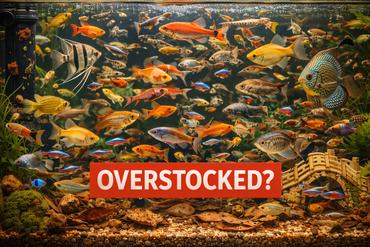
It is very tempting to want one of everything. However, in a 15-gallon tank, having a Pea Puffer, a Goby, and a Frog is a recipe for disaster. These animals need their own space. It is much better to have a thriving colony of one unique species than a "mosh pit" of five different ones that are constantly stressed or fighting. Use the "one inch of fish per gallon" rule only as a very loose starting point; for oddballs, the "territory per fish" rule is much more accurate.
2. Neglecting the Lid
Oddball fish are often the most athletic jumpers. Gobies, for example, can climb glass if there is a thin film of water. Frogs are notorious for finding the one-inch gap where the filter enters the tank and jumping out, only to be found dried up on the carpet the next morning. A tight-fitting lid is the single most important piece of hardware for an oddball tank. If your lid has gaps, use aquarium-safe mesh or sponge to plug them.
3. Skipping the Quarantine
Many unique species are wild-caught or come from specialized wholesalers. This increases the risk of them carrying internal parasites or fungal infections. Because they are more "exotic," they may have been through more stress during transport than a common Neon Tetra. Placing your new oddball in a simple 5-gallon quarantine tank for 14 days allows you to observe their eating habits and treat them for any illnesses before they enter your beautiful main display.
Final Takeaway: Your Journey into the Unique
Transitioning from standard community fish to beginner-friendly oddballs is one of the most exciting milestones for any aquarium hobbyist. These species challenge you to become a better observer, a more diligent cleaner, and a more thoughtful "interior designer" for your underwater world. While they require a bit more attention to diet and habitat than your average goldfish, the reward is an aquarium that feels alive with personality and prehistoric mystery. By choosing hardy species like the Pea Puffer, Bumblebee Goby, or African Dwarf Frog, and providing them with a stable, well-scaped environment, you can enjoy the "oddball" side of the hobby without the "monster fish" headaches.
Are you ready to turn your nano tank into a conversation piece? Start by picking one species from this list that resonates with you and build the tank around their specific needs. Once you see a Goby "walking" across the sand or a Puffer recognizing you as the "food provider," you may never go back to standard community fish again. For more inspiration and expert tips on specialized species, keep exploring RateMyFishTank.com and join our community of passionate keepers.

MOST RECENT ARTICLES