Sponge filters are one of the simplest, safest, and most underrated filtration systems in the aquarium hobby—and the good news is that you don’t need to buy one to enjoy the benefits. Whether you’re setting up a shrimp tank, breeding fish, or running a quarantine aquarium, learning how to make your own sponge filter can save money, improve biological filtration, and give you complete control over your setup.
What Is a Sponge Filter and Why Use One?
A sponge filter is an air-driven filtration device that combines mechanical and biological filtration in one gentle system. Water is pulled through a porous sponge by rising air bubbles, trapping debris while beneficial bacteria colonize the sponge surface.
Sponge filters are especially popular among breeders and beginner aquarists because they are reliable, inexpensive, and nearly impossible to crash.
Excellent biological filtration with minimal maintenance
Gentle water flow that won’t stress fish or fry
No risk of fish being sucked into an intake
Works well in small tanks, breeding tanks, and quarantine setups
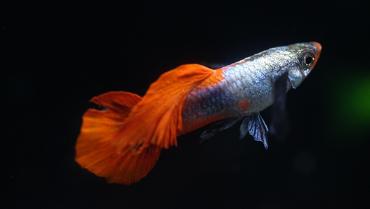
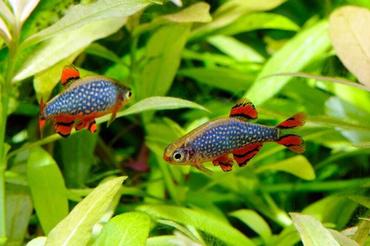
They’re commonly used with species like bettas, guppies, mollies, platies, neon tetras, dwarf cichlids, cherry shrimp, and fish fry of almost any species.
One of the biggest advantages of a homemade sponge filter is that most materials are inexpensive and easy to find online or at a local aquarium store.
Aquarium-safe sponge (coarse pore sponge works best)
Rigid airline tubing (6–8 inches)
Flexible airline tubing
Air pump (sized appropriately for your tank)
Check valve (prevents backflow)
Air control valve (optional but recommended)
A small weight or suction cup (optional)
Avoid household sponges or kitchen sponges, as they may contain chemicals or antibacterial agents harmful to fish. Always choose sponges specifically labeled as aquarium-safe.
Step-by-Step: How to Make Your Own Sponge Filter
Building a sponge filter takes less than 10 minutes and requires no special tools.
When you first set up your aquarium, whether it’s a freshwater community tank with neon tetras or a saltwater reef with clownfish, one of the most important but often misunderstood aspects of keeping water clear and fish healthy is filter media — the materials inside your filter that help remove waste and keep the water balanced. Choosing the right media can make your filtration system work smarter, not harder, and help you avoid common beginner mistakes like cloudy water, ammonia spikes, and stressed fish.
What Is Filter Media and Why It Matters
Filter media refers to the materials inside your aquarium filter that trap debris, harbor beneficial bacteria, or chemically balance the water. Most hobbyists break media down into three broad categories — mechanical, biological, and chemical — each serving a distinct purpose in maintaining a healthy aquarium ecosystem. :contentReference[oaicite:0]{index=0}
Good filtration doesn’t just clear the water — it creates stability. Beneficial bacteria on the media process harmful ammonia and nitrites, while chemical media can remove dissolved impurities that cloud the tank or stress your fish. For a deeper dive into filtration basics, check out our guide on Choosing the Right Filtration System for Your Aquarium.
Mechanical Filter Media: Removing the Visible Waste
Mechanical media is the first line of defense in most filtration setups. Its job is simple: physically trap solid particles as water passes through the filter so the waste can be removed manually during maintenance. :contentReference[oaicite:1]{index=1}
Filter foam/sponge: A go‑to for both beginners and pros — sponge media traps larger debris and, when cleaned properly, can also serve as a biological surface. It’s great for community freshwater tanks with fish like guppies or danios.
Filter floss/fiber pads: Fine fibers capture smaller particles that foam sponges might miss, especially in tanks with heavy feeding or lots of plant detritus.
Cartridge pads: Pre‑formed media packaged for specific filter models, making replacement and maintenance easy for new hobbyists.
Gravel and sand: In undergravel filter systems, the substrate itself acts as mechanical media, though these are less common in modern setups....
There is nothing quite as alarming for an aquarium owner as walking up to a tank only to hear a sputtering motor, notice a sudden drop in water output, or see your fish gasping near the surface because the filtration system has failed. Your aquarium filter is the heart of your ecosystem, working around the clock to remove physical waste, clear chemical impurities, and house the beneficial bacteria required to keep toxic ammonia and nitrites at zero. When your filter encounters a snag, the health of your entire setup hangs in the balance. Whether you are dealing with a power filter that refuses to prime or a canister filter leaking across your hardwood floor, understanding how to diagnose and fix common aquarium filter issues will save you time, stress, and most importantly, the lives of your aquatic livestock.
Reduced Water Flow: Diagnosing and Fixing Clogs
A noticeable decrease in water flow is perhaps the single most common issue hobbyists encounter with power filters (hang-on-back), canister filters, and internal units alike. When the gentle waterfall or steady return spray slows down to a trickle, the oxygenation levels in your tank drop while floating debris begins to accumulate rapidly.
In most instances, reduced flow is caused by physical blockages within the media or intake tubing. Mechanical filter media, such as coarse sponges and dense poly-fill pads, are designed to catch fish waste, uneaten food, and decaying plant matter. Over time, these materials become saturated. If you keep messy feeders or active diggers—such as Oscar Cichlids (Astronotus ocellatus) or Goldfish—your mechanical media will clog far faster than it would in a lightly stocked community tank filled with Neon Tetras.
To restore proper flow, perform a gentle maintenance check during your routine water changes:
Rinse mechanical sponges in a bucket of extracted aquarium water rather than tap water to prevent chlorine from killing off your beneficial bacterial colonies.
Check the intake strainer for stray plant leaves, particularly floating vegetation like Java Fern fragments or Duckweed that readily pull into the intake grid.
Use a flexible tube brush to clean gunk out of canister filter hosing, as biofilm build-up along hose walls can restrict water movement by up to 50 percent over several months.
If you have cleared the media and tubing but the flow remains sluggish, inspect the motor assembly. Small snails, such as Ramshorn or Bladder snails,...
Every aquarium keeper eventually battles the dreaded nitrate buildup, relying on endless water changes, gravel vacuuming, and heavy filter maintenance to keep water parameters safe for their fish.
African cichlids are among the most captivating freshwater fish in the aquarium hobby, renowned for their brilliant, marine-like coloration and high levels of activity.
Standing in the aquarium store aisle, staring at dozens of colorful containers, can quickly turn what should be a fun feeding routine into an overwhelming guessing game.
For many aquarium hobbyists, transitioning from a basic community setup—where species from different continents share a single glass enclosure—to a dedicated natural display represents the ultimate evolution in fishkeeping.
Embarking on the journey of fishkeeping is one of the most rewarding endeavors a nature lover can undertake, offering a unique blend of artistry, biology, and peaceful observation.
Stepping into the world of live aquatic plants is often the moment a casual fish keeper becomes a true aquarist, transitioning from someone who simply "has fish" to someone who "maintains an ecosystem.
he Guppy (Poecilia reticulata) is arguably the most iconic species in the aquarium hobby, often serving as the gateway fish for generations of successful aquarists.
Maintaining a thriving freshwater aquarium is about much more than just a beautiful glass box and colorful fish; it is about managing a delicate, invisible ecosystem that exists within your living room.
Heating and filtration are two key elements in keeping your aquarium running properly. The articles in this category will help you choose the right heating and filtration system for your tank.
Walking into a local pet shop or browsing an online aquatics retailer can feel incredibly overwhelming when you look at the sheer wall of filtration options available today.
There is nothing quite as alarming for an aquarium owner as walking up to a tank only to hear a sputtering motor, notice a sudden drop in water output, or see your fish gasping near the surface because the filtration system has failed.
When you first set up your aquarium, whether it’s a freshwater community tank with neon tetras or a saltwater reef with clownfish, one of the most important but often misunderstood aspects of keeping water clear and fish healthy is filter media — the materials inside your filter that help remove waste and keep the water balanced.
Sponge filters are one of the simplest, safest, and most underrated filtration systems in the aquarium hobby—and the good news is that you don’t need to buy one to enjoy the benefits.
Embarking on the journey of setting up your first freshwater aquarium is an exhilarating experience that blends art, science, and a touch of nature right in your living room.
Fish bowls are one of the most recognizable symbols of fishkeeping, often associated with simplicity, minimal effort, and a single fish gently swimming in a clear glass sphere.
Wall mounted fish tanks have transformed from futuristic novelties into a popular design choice for modern aquarium hobbyists looking to save floor space while adding a living piece of art to their home.
Bringing home new fish is one of the most exciting parts of the aquarium hobby, but what you do during the first hour after arriving home can determine whether your new pets thrive or struggle.
Setting up a new aquarium is easily one of the most exciting moments in the fishkeeping hobby, whether you are filling a humble 10-gallon desktop tank or installing a majestic 120-gallon display reef.
Every passionate aquarist eventually reaches a pivotal moment in the hobby: standing in front of an established aquarium, watching fish weave through plants, and realizing that the current setup has reached its absolute limit.
Moving to a new home is one of life's most stressful experiences, but when you add a fully functioning freshwater or saltwater aquarium to the mix, that anxiety can double overnight.
Setting up a new freshwater aquarium is one of the most exciting and rewarding journeys in the fish-keeping hobby, but selecting the right tank is the single most critical foundation you will build.
Starting a freshwater aquarium is one of the most deeply rewarding journeys you can undertake in the pet-keeping world, but transforming a static glass box into a thriving, self-sustaining underwater ecosystem requires navigating a surprisingly steep learning curve.
Maintaining a freshwater aquarium is a deeply rewarding journey that brings a slice of nature into your home, but the transition from a simple glass box to a thriving ecosystem requires more than just water and fish.
Often hailed as the "King of the Aquarium," the Discus (Symphysodon) is a breathtaking centerpiece for any freshwater enthusiast, boasting a majestic saucer-like shape and a kaleidoscopic array of colors and patterns.
The modern aquarium hobby is often defined by high-tech gadgetry, from pressurized CO2 systems to canisters that look like they belong in a laboratory.
There is an undeniable majesty in keeping large freshwater fish, from the prehistoric allure of an Arowana to the puppy-like personality of a large Oscar.
Maintaining a thriving aquarium is a labor of love, but even the most diligent hobbyists will eventually encounter a sick fish or a sudden outbreak of disease.
Building a successful freshwater aquarium often starts with the fish, but it is the lush, green backdrop of live plants that truly brings the ecosystem to life.
Few things in the aquarium hobby match the breathtaking beauty of a lush, thriving planted freshwater tank, where vibrant greenery creates a natural underwater ecosystem for your livestock.
A lush, vibrant planted aquarium is one of the most breathtaking features you can add to your home, turning a simple glass box into a thriving underwater ecosystem.
There is something inherently magical about a lush, vibrant underwater garden, but for many hobbyists, the challenge lies in finding the perfect inhabitants to compliment that greenery.
Live aquarium plants do far more than make a tank look beautiful—they actively improve water quality, provide shelter for fish, and create a more stable ecosystem.
For many beginner aquarists, the prospect of managing a complex nutrient-rich substrate system—complete with root tabs, specialized soils, and the risk of anaerobic gas pockets—can be enough to delay their dreams of a lush, green tank.
Lighting is far more than a simple aesthetic fixture that brightens your living room; it serves as the foundational life-support engine for your entire aquatic ecosystem, influencing everything from the biological circadian rhythms of your fish to the photosynthetic success of live aquatic plants and the management of unwanted algae blooms.
When you set up a freshwater aquarium, choosing the right fixture is often treated as an afterthought or purely aesthetic decision to make your fish look bright and colorful.
Achieving the perfect aquatic display requires far more than simply selecting an eye-catching background, stacking ornate hardscape rocks, or picking out colorful gravel at your local fish store; finding the right balance with aquarium lighting is the fundamental biological secret to maintaining a thriving, disease-resistant underwater ecosystem.
Entering the marine aquarium hobby often begins with a single moment of awe: watching a vibrant yellow tang glide past a rich reef backdrop or seeing the electric violet and gold hues of a royal gramma flash through live rock.
Whether you keep a single energetic Betta fish in a planted desktop tank or a thriving community of Amazonian cichlids, watching your aquatic pets hunt and consume live prey is undeniably captivating.
Observing your favorite aquarium fish floating sluggishly near the substrate, displaying a visibly distended abdomen, or struggling to swim without rolling sideways can cause immediate panic for any fish keeper.
Algae wafers are a staple food for plecos, otocinclus, snails, and other algae-eating aquarium residents—but many hobbyists notice their tank water turning cloudy soon after feeding.
Few things match the simple, peaceful joy of watching a vibrant school of neon tetras or a majestic pair of angelfish glide smoothly through a beautifully aquascaped aquarium.
Every passionate aquarist eventually faces a moment of crisis when a prized fish exhibits symptoms of illness, whether it is a stubborn case of Ich, frayed fins, or unexplained lethargy.
Observing your aquatic pets glide peacefully through a glass display is one of the most rewarding aspects of keeping an aquarium, but when a fish suddenly starts swimming erratically, hiding constantly, or showing unexpected aggression, it can cause immediate worry.
Few sights are more distressing for an aquarium hobbyist than looking into a tank and seeing a beloved fish with a bloated body and scales that stick out like a pinecone.
Few experiences in the aquarium hobby are as universally frustrating as looking into your display tank only to find hazy, murky, or milky water obscuring your aquascape and fish.
As the mercury rises and we start reaching for the air conditioning remote, it is easy to forget that our underwater companions are feeling the heat just as much as we are—if not more.
It is the ultimate nightmare for any aquarium owner: you spend an afternoon performing what you think is a helpful, routine water change, only to wake up the next morning to find your prized Discus gasping at the surface or your school of Neon Tetras floating lifelessly.
There is nothing quite as frustrating as sitting down to enjoy your aquascape, only to find yourself staring at a murky film of green or brown slime coating the front pane.
Setting up a brand-new aquarium is easily one of the most exciting moments for any fish enthusiast, but rushing to fill your glass box with colorful livestock right after adding water is the single fastest way to encounter heartbreak.
Discovering dozens of tiny snails clinging to your aquarium glass, rocks, and plants can feel like an overnight invasion, leaving even experienced fishkeepers wondering where they all came from.
Planning a vacation should be a time of pure relaxation and excitement, but for the dedicated aquarium hobbyist, it often brings a wave of "tank anxiety" that is hard to shake.
Setting up a new aquarium is an exciting milestone, but many beginners focus so much on choosing vibrant fish and beautiful aquascaping that they overlook the single most vital element of the entire setup: the water.
Setting up a new freshwater aquarium is an exciting milestone for any hobbyist, but rushing to add fish before your tank's biological filter is established is a recipe for disaster.
There is a shared, deeply frustrating rite of passage that almost every aquarium hobbyist faces at some point in their fishkeeping journey: waking up, turning on the tank light, and finding the beautifully curated glass, rocks, and plants covered in a stubborn layer of fuzzy, slimy green or brown growth.
Setting up a new aquarium is one of the most fulfilling journeys in the fishkeeping hobby, but nothing transforms an empty glass box full of water into a vibrant, dynamic underwater habitat quite like the right aquarium decorations.
Setting up a new freshwater aquarium is an exciting milestone, but it is incredibly easy to get overwhelmed by the sheer number of decisions you have to make before the first fish ever swims in its new home.
Aquarium backgrounds are often treated as an afterthought, but the right background can dramatically improve the look, health, and functionality of a freshwater tank.
Transforming a standard glass box into a thriving underwater ecosystem is one of the most rewarding milestones in the aquarium hobby, and nothing achieves this more effectively than the strategic combination of natural driftwood and live plants.
Often referred to as the Dragon Fish due to their shimmering, armor-like scales and majestic, undulating movements, the Arowana is the ultimate centerpiece for any serious freshwater aquarist.
If you have ever spent more than five minutes browsing a freshwater fish gallery, you have likely encountered the charming, industrious, and perpetually busy Corydoras catfish.
Stepping into the world of reef keeping is often described as the final frontier for the aquarium enthusiast, transforming a standard saltwater setup into a pulsing, glowing, and living tapestry of biological wonder.
When aquarium enthusiasts transition from a standard 20-gallon starter kit to a large-scale home aquarium, they often find themselves searching for fish that can truly fill the space with color and movement.
Freshwater shrimp have exploded in popularity over the last decade, evolving from niche cleanup crew members to the absolute stars of the home aquarium.
Creating a visually stunning aquarium is often compared to painting a living canvas, where the fish serve as the vibrant brushstrokes that bring the underwater landscape to life.
Freshwater crayfish are the rugged, charismatic architects of the invertebrate world, bringing a sense of prehistoric wonder and activity to any home aquarium.
There is nothing quite as mesmerizing in the aquarium hobby as a synchronized group of fish moving as a single, shimmering unit across a well-planted tank.
For decades, catfish have been the unsung heroes of the freshwater aquarium, serving as the backbone of the "cleanup crew" while providing a level of personality and behavioral depth that few other fish can match.
Apple snails are often overlooked by beginner and intermediate aquarists, yet these charismatic invertebrates can add fascinating behavior, eye-catching color, and beneficial cleanup activity to your freshwater aquarium.
If you’ve ever noticed pristine aquarium glass, spotless decorations, or felt mystified by a snail that seems to magically keep your tank algae-free, chances are you’re thinking about nerite snails — one of the most popular grazing snail species in the freshwater and saltwater aquarium hobby.
The Wolf Cichlid, known scientifically as Parachromis dovii, is one of the most talked-about freshwater fish in the aquarium hobby, admired for its intelligence and power while simultaneously feared for its aggression and size.
The 10-gallon aquarium occupies a unique and cherished space in the fish-keeping world, serving as the definitive starting point for countless beginners while offering a sophisticated "nano" challenge for seasoned veterans.
For many years, aquarium snails were unfairly labeled as nothing more than "pests" that hitched a ride on live plants and overran tanks with lightning speed.
Setting up a new aquarium is easily one of the most thrilling parts of the fishkeeping hobby, but figuring out how to stock it properly can make or break your success.
Transitioning from a freshwater setup to a marine environment is one of the most exciting milestones for any fishkeeper, but it also brings a steep learning curve.
Creating a vibrant, peaceful underwater world is one of the most rewarding aspects of the aquarium hobby, but success hinges entirely on one fundamental principle: fish compatibility.
Among the thousands of freshwater fish species available in the aquarium trade, few families command as much fascination, admiration, and passionate debate as cichlids.
Every freshwater aquarium owner eventually faces the dreaded green invasion: patches of slimy algae creeping across the glass, coating decorations, and smothering live aquatic plants.
Freshwater angelfish (Pterophyllum scalare) are one of the most captivating and graceful species in community aquariums, with their tall, flowing fins and curious personalities.
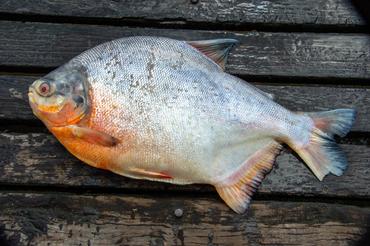
Red Bellied Pacus are among the most fascinating and rewarding fish for freshwater aquarium enthusiasts, but they’re also fish that come with unique needs and challenges.
If you’re diving into the colorful world of freshwater aquariums and want active, charismatic fish that add energy and interest to your tank, few groups deliver like barbs — from the classic Tiger Barb to the dazzling Cherry Barb — but choosing the right barb species for your tank requires more than just picking your favorite color.
There is perhaps no sight more captivating in the aquarium hobby than a tight-knit school of iridescent fish moving in perfect unison across a lushly planted backdrop.
With their shimmering iridescent scales and deliberate, graceful movements, Dwarf Gouramis (Trichogaster lalius) have earned their place as one of the most beloved centerpieces in the freshwater hobby.
If you’ve ever visited a pet store or aquarium show you may have noticed a group of tough-looking, algae‑eating fish whisking along the glass and decor — the plecostomus.
For many years, the aquarium hobby viewed gobies as the exclusive crown jewels of the saltwater world, often associated with colorful reefs and symbiotic relationships with pistol shrimp.
Breeding freshwater fish is one of the most rewarding milestones in the aquarium hobby, turning a beautiful display tank into a thriving, dynamic ecosystem.
Known as the undisputed "King of the Aquarium," the Discus (Symphysodon) is renowned for its breathtaking coloration, elegant circular shape, and captivating parent-child interactions.
For beginner and intermediate aquarium hobbyists looking to step into the rewarding world of fish reproduction, live-bearing species offer the ultimate entry point into the hobby.
Raising cichlid fry to maturity can be one of the most rewarding experiences for aquarium hobbyists, offering a firsthand glimpse into the fascinating world of fish development.
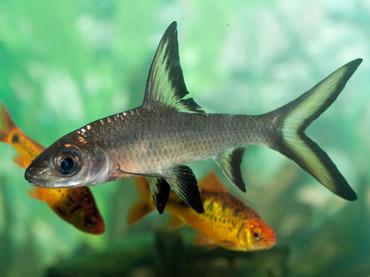
Bala sharks are one of the most striking freshwater fish available to aquarium hobbyists, admired for their torpedo-shaped bodies, shimmering silver scales, and active schooling behavior.