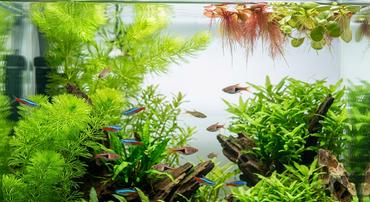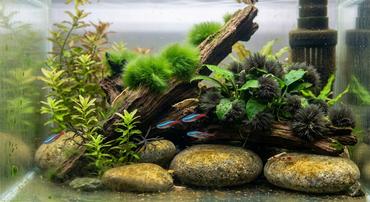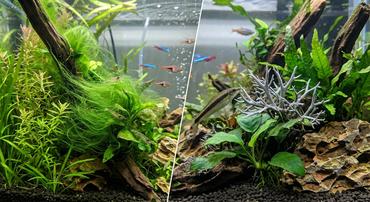
BEST FISH FOR HEAVILY PLANTED AQUARIUMS
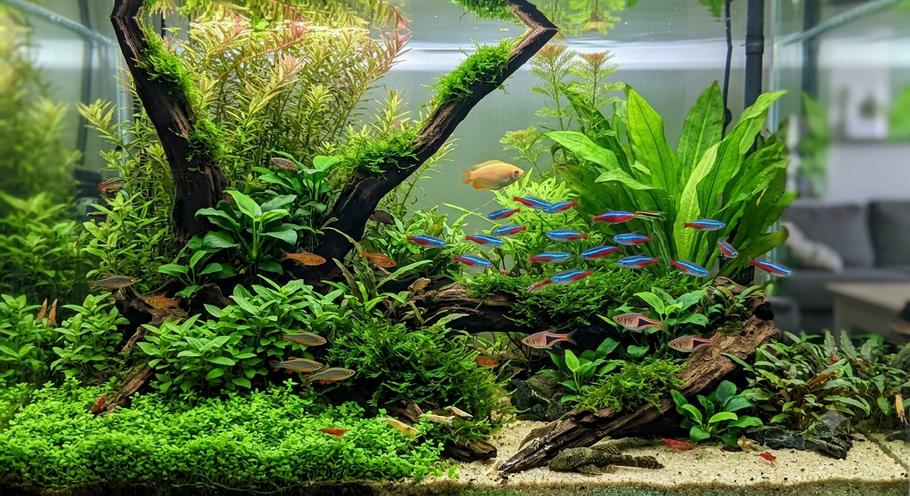
Characteristics of Ideal Plant-Friendly Fish
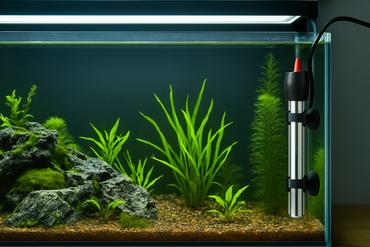
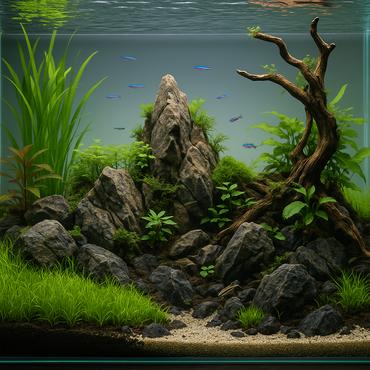
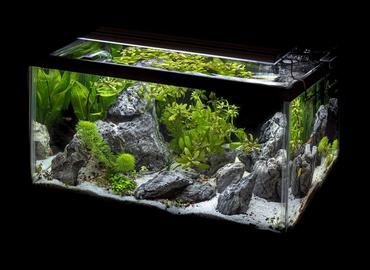
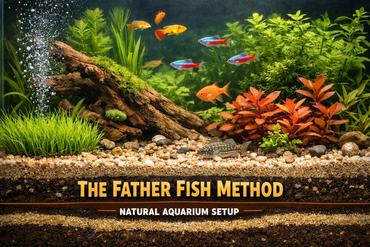
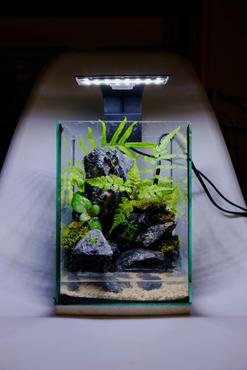
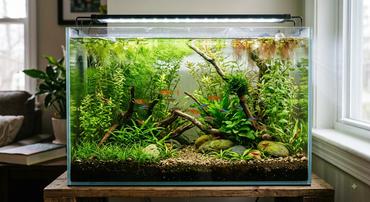
When curating a livestock list for a heavily planted aquascape, understanding species behavior is just as critical as monitoring water chemistry. A planted tank creates a unique ecosystem where lighting, carbon dioxide supplementation, and fertilizer regimes directly impact water conditions. The goal is to choose species that naturally complement these dynamic environmental factors without causing mechanical damage to the vegetation.
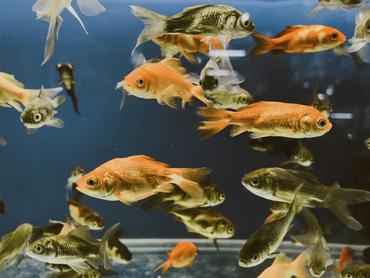
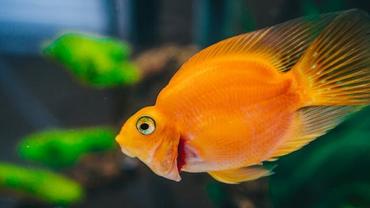
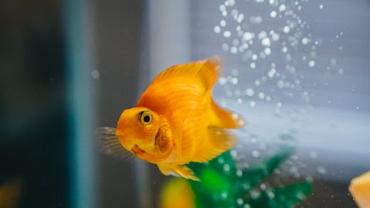
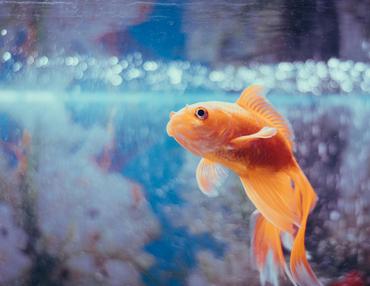
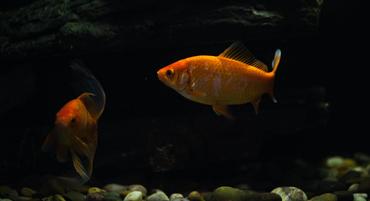
First and foremost, your aquatic livestock should possess non-destructive habits. Herbivorous or omnivorous diggers—such as large South American cichlids, silver dollars, and goldfish—are famous for treating aquascapes like an all-you-can-eat buffet or continuously shifting substrate until delicate stem plants float to the surface. Ideal choices are either strict micro-predators, peaceful omnivores with small mouths, or dedicated algae grazers that clean plant leaves without rasping through the delicate cellular structure of the foliage.
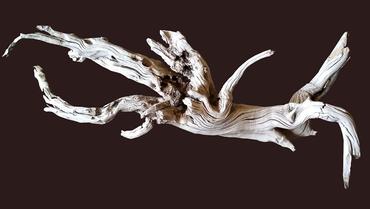
Size and swimming style also play a significant role. Small nano fish and slender schooling species navigate dense branches of driftwood and thick thickets of Rotala or Hygrophila with ease. Large, wide-bodied fish can easily snap brittle plant stems during sudden movements or territorial chases. Additionally, fish with vibrant red, orange, or iridescent blue coloration create a breathtaking visual contrast against deep green foliage, bringing your aquascape to life.
Top Schooling Nano Species for Dense Greenery
Schooling fish are the quintessential addition to any planted display. When kept in adequate groups of eight or more, their synchronized swimming patterns create rhythm, movement, and a sense of natural scale within the aquascape.
Neon and Cardinal Tetras ( Paracheirodon spp. )
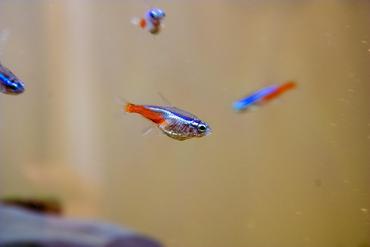
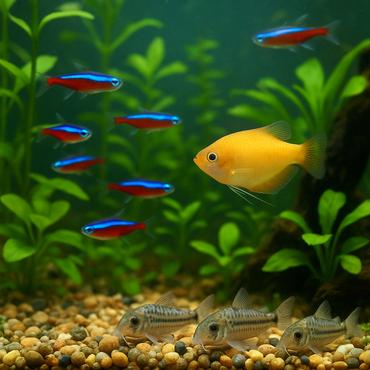
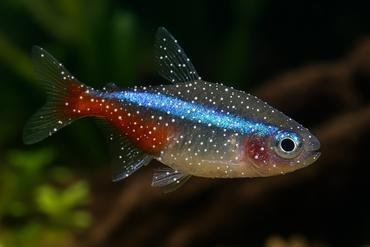
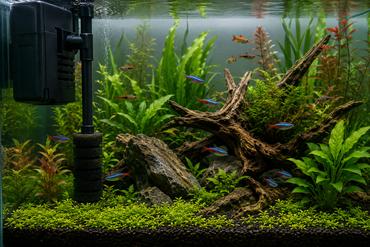
Neon Tetras ( Paracheirodon innesi ) and Cardinal Tetras ( Paracheirodon axelrodi ) remain timeless favorites for planted tank enthusiasts, and for good reason. Their luminous blue stripes and bold red accents slice through dark green background plants like Vallisneria or Java Fern. Cardinals grow slightly larger than Neons and feature a bright red stripe that runs the full length of their lower body. Both species thrive in acidic to neutral water (pH 6.0 to 7.0) with soft hardness, making them ideal companions for setups utilizing active aquarium soils that naturally lower pH.
Ember Tetras ( Hyphessobrycon amandae )
Reaching a maximum size of just under one inch, Ember Tetras are top-tier nano fish. Their fiery orange, semi-translucent bodies contrast magnificently against bright green carpets of Glossostigma or Monte Carlo. Because of their tiny size, Ember Tetras have a minimal bioload, allowing hobbyists to keep larger shoals without overwhelming the biological filter. They are extremely peaceful micro-predators that feel most secure when surrounded by dense vegetation.
Rummynose Tetras ( Hemigrammus rhodostomus )
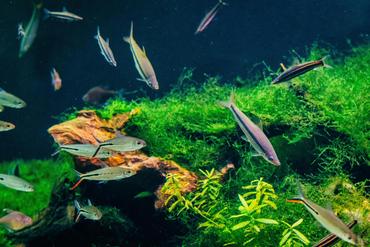
If tight, disciplined schooling behavior is your top priority, the Rummynose Tetra is unmatched. Recognized by its brilliant crimson face and black-and-white checkered tail, this species stays together in tight formations as it moves across the mid-water section of the aquarium. Interestingly, Rummynose Tetras act as natural barometers for water quality; if their vibrant red snout begins to fade to a dull pale color, it serves as an early indicator that nitrates are rising or water parameters have drifted outside optimal ranges.
Harlequin Rasboras ( Trigonostigma heteromorpha )
Hailing from Southeast Asian blackwater streams, Harlequin Rasboras sport a deep copper-orange body adorned with a distinctive black wedge or "hatchet" mark across their posterior half. They are exceptionally hardy, highly adaptable, and gentle toward delicate plant leaves. Their broad body shape contrasts nicely with sleeker tetra species, and they perform best in groups of 8 to 12 in aquariums provided with gentle water flow and shadowed areas created by floating plants like Salvinia or Frogbit.
Celestial Pearl Danios ( Celestichthys margaritatus )
Often referred to as galaxy rasboras, Celestial Pearl Danios (CPDs) resemble miniature trout covered in gold specks with striking orange-and-black striped fins. CPDs thrive in heavily planted nano environments where dense foliage offers plenty of hiding spots. Males display stunning courtship dances among plant thickets, flaring their colorful fins at rivals without inflicting real harm. A heavily planted tank is practically required to keep this timid species confident and stress-free.
Best Centerpiece Fish for Planted Aquariums
While schooling nano species provide continuous movement, adding a peaceful centerpiece fish gives the aquarium a focal point. The key is selecting focal species that display fascinating behaviors without disrupting the aquascape.
Dwarf and Honey Gouramis ( Trichogaster spp. )
Dwarf Gouramis ( Trichogaster lalius ) and Honey Gouramis ( Trichogaster chuna ) are exceptional focal fish for small to medium-sized planted aquariums. As labyrinth fish, they possess a specialized organ that allows them to gulp atmospheric air at the water surface. Honey Gouramis, with their warm golden-amber hues, are particularly peaceful and spend their days exploring foliage with their modified thread-like pelvic fins. They often pick lightly at soft algae and microscopic organisms adhering to leaf surfaces, helping maintain plant cleanliness.
German Blue Rams and Bolivian Rams ( Mikrogeophagus spp. )
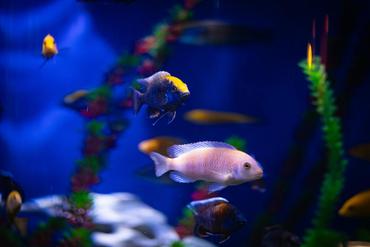
For aquarists desiring the intelligence and personality of cichlids without the destructive digging habits, dwarf cichlids of the genus Mikrogeophagus are ideal. German Blue Rams exhibit brilliant iridescent yellow, electric blue, and black markings. They prefer warm water temperatures (80°F to 84°F) and soft, clean water. Unlike larger cichlids that excavate vast mounds of gravel, Rams gently sift through fine sand substrates around plant bases without uprooting shallow-rooted foreground plants.
Angelfish ( Pterophyllum scalare )
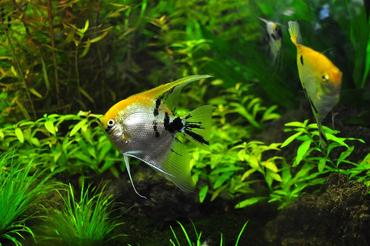
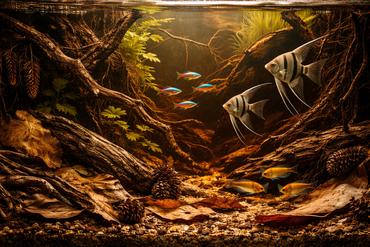
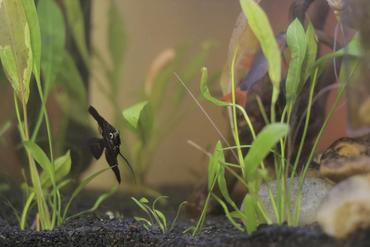
In taller aquariums (55 gallons and above), Freshwater Angelfish bring regal elegance to heavily planted landscapes. Their tall, disc-like bodies allow them to maneuver effortlessly between tall stems of Ammania and broad Amazon Sword leaves. However, hobbyists should exercise caution when pairing Angelfish with tiny nano fish like Neon Tetras or adult Cherry Shrimp, as fully grown Angelfish will happily consume small tankmates that fit in their mouths.
Essential Clean-Up Crew for Dense Foliage
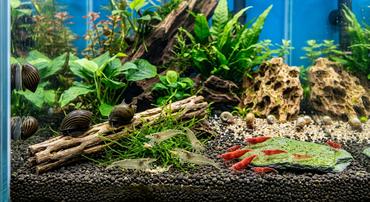
No heavily planted tank is complete without a dedicated cleanup crew. Plants constantly shed older leaves, capture floating organic debris, and provide surface area for opportunistic algae growth. Integrating specialized grazers keeps plant leaves clear of debris, allowing optimal light absorption for photosynthesis.
- Otocinclus Catfish ( Otocinclus vestitus ): Tiny, gentle suckermouth catfish that work tirelessly to remove soft green algae and diatoms from delicate plant leaves without damaging the vegetation underneath.
- Amano Shrimp ( Caridina multidentata ): Renowned for their voracious appetite for hair algae, thread algae, and decaying organic detritus, making them an indispensable asset for planted tank maintenance.
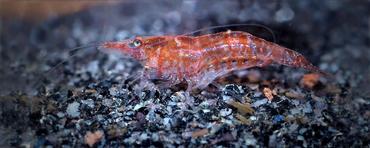
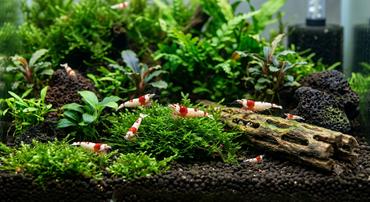
- Neocaridina Cherry Shrimp ( Neocaridina davidi ): Available in brilliant red, blue, and yellow strains, these small dwarf shrimp scavenge microscopic biofilm and food scraps from mosses and fine foliage.
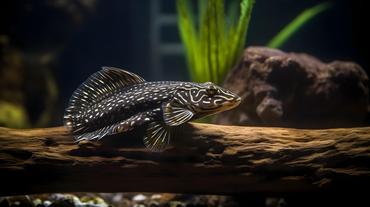
- Bristlenose Pleco ( Ancistrus sp. ): Unlike common plecostomus species that grow excessively large and destroy plant setups, Bristlenose Plecos remain under 5 inches and effectively graze film algae off driftwood and broad plant leaves.
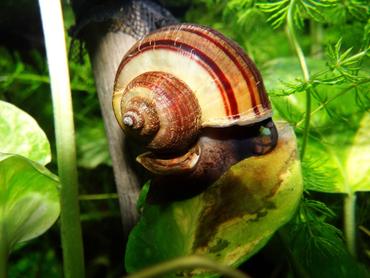
- Neritite Snails ( Vittina natalensis ): Superior glass and hardscape cleaners that consume tough green spot algae while remaining entirely herbivorous and safe around living plant tissues.
When selecting your clean-up crew, it is essential to ensure your tank is fully established. Introducing delicate species like Otocinclus or dwarf shrimp into a freshly set up aquarium often leads to losses due to insufficient natural algae and biofilm availability. If you are starting out, take time to explore our guide on aquatic mosses for freshwater tanks to discover ideal, shelter-rich plants that foster beneficial biofilms for dwarf shrimp and bottom dwellers.
Planted Tank Compatibility, Water Parameters, and Maintenance Care
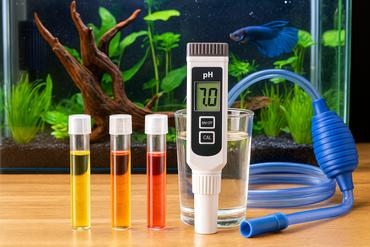
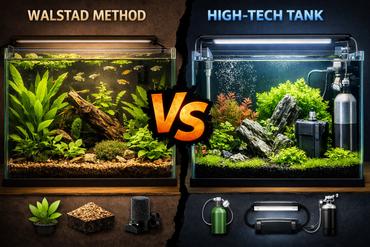
Maintaining a thriving planted aquarium requires balancing the environmental needs of living flora alongside sensitive livestock. While plants help purify the water by absorbing ammonium and nitrates, high-tech planted tank setups often utilize high-intensity lighting, liquid fertilizers, and pressurized carbon dioxide (CO2) injection—all of which introduce specific management requirements for fish health.
Balancing CO2 and Dissolved Oxygen
Pressurized CO2 injection accelerates plant growth and prevents undesirable algae outbreaks, but elevated CO2 levels directly reduce dissolved oxygen levels in the water column. Gas exchange occurs primarily at the surface, so maintaining moderate surface agitation without off-gassing excessive CO2 is critical. If your fish begin gasping at the surface or breathing rapidly near the top water layer, drop your CO2 bubble rate immediately and introduce temporary aeration via an air stone.
Fertilizers and Invertebrate Safety
Dosing liquid micro and macro nutrients ensures plants receive essential elements like nitrogen, potassium, iron, and phosphorus. While standard aquatic fertilizers are safe for most fish species when dosed correctly, aquarists keeping ornamental dwarf shrimp or sensitive snails must exercise caution with treatments containing high concentrations of copper. Always inspect liquid fertilizer labels to verify they are certified invertebrate-safe at recommended dosage levels.
Avoiding Common Beginner Mistakes
One of the most common mistakes beginner hobbyists make in planted aquariums is overstocking the tank too early in its establishment phase. Early on, plants undergo an emersed-to-submersed transition period where they drop old leaves and establish root systems, during which time they absorb fewer nutrients. Excess fish waste combined with decomposing plant leaves creates rapid ammonia spikes that trigger unsightly algae blooms. For more advice on species selection and tank layout, read our overview of freshwater aquarium articles to help you navigate tank setups efficiently.
Another common misstep is selecting plant species or fish without evaluating lighting compatibility. For instance, combining high-light demanding foreground carpets with light-sensitive or timid fish that prefer shaded, dim environments can cause chronic fish stress. To remedy this, introduce floating plants or tall, arching background stems that create natural shaded retreats throughout the upper water column.
Water Parameter Reference Table
To help you structure your planted community tank, the following table summarizes optimal environmental conditions for the top plant-friendly fish species discussed above:
| Species | Temperature Range | Optimal pH | Tank Zone | Primary Behavior |
|---|---|---|---|---|
| Neon / Cardinal Tetra | 72°F – 80°F | 6.0 – 7.0 | Mid-Water | Peaceful Schooling |
| Ember Tetra | 73°F – 81°F | 6.0 – 7.2 | Mid-Water | Peaceful Nano Shoaler |
| Rummynose Tetra | 75°F – 81°F | 6.0 – 7.0 | Mid-Water | Tight Schooling |
| Harlequin Rasbora | 72°F – 78°F | 6.0 – 7.5 | Top to Mid-Water | Hardy Schooling |
| German Blue Ram | 80°F – 84°F | 5.5 – 6.8 | Bottom | Territorial Centerpiece |
| Honey Gourami | 74°F – 80°F | 6.5 – 7.5 | Top to Mid-Water | Curious Centerpiece |
| Otocinclus Catfish | 72°F – 78°F | 6.0 – 7.5 | All Plant Surfaces | Algae Scavenger |
If you are planning a smaller setup or desktop display, check out our insights on aquarium news and trends for advice on managing nano ecosystems and maintaining long-term water quality stability in planted aquascapes.
Final Takeaways and Creating Your Aquatic Haven
Building a heavily planted aquarium is a deeply rewarding journey that blends botanical gardening with aquatic animal care. By selecting peaceful, non-destructive species like Ember Tetras, Harlequin Rasboras, Honey Gouramis, and Amano Shrimp, you create a balanced ecosystem where livestock and plants directly benefit one another. The plants provide security, natural water purification, and breeding grounds, while the fish provide vital organic nutrients that fuel vibrant plant growth.
Remember to stock your tank gradually, match fish species based on water parameter compatibility, and maintain a consistent maintenance routine that balances light, nutrient dosing, and gas exchange. With the right planning and species selection, your planted aquarium will reward you with years of tranquil beauty and dynamic natural behaviors.
We would love to hear about your planted display! Have you had great success schooling Rummynose Tetras, or do you prefer a pair of dwarf cichlids navigating your foliage? Drop a comment below, share your aquascape photos with the RateMyFishTank community, and check out our extended library of planted tank guides to keep your underwater garden thriving!
MOST RECENT ARTICLES