AQUARIUM WATER CHEMISTRY MADE SIMPLE: PH, HARDNESS, AND HEALTHY FISHKEEPING
The Foundations of Water Chemistry: Understanding the pH Scale
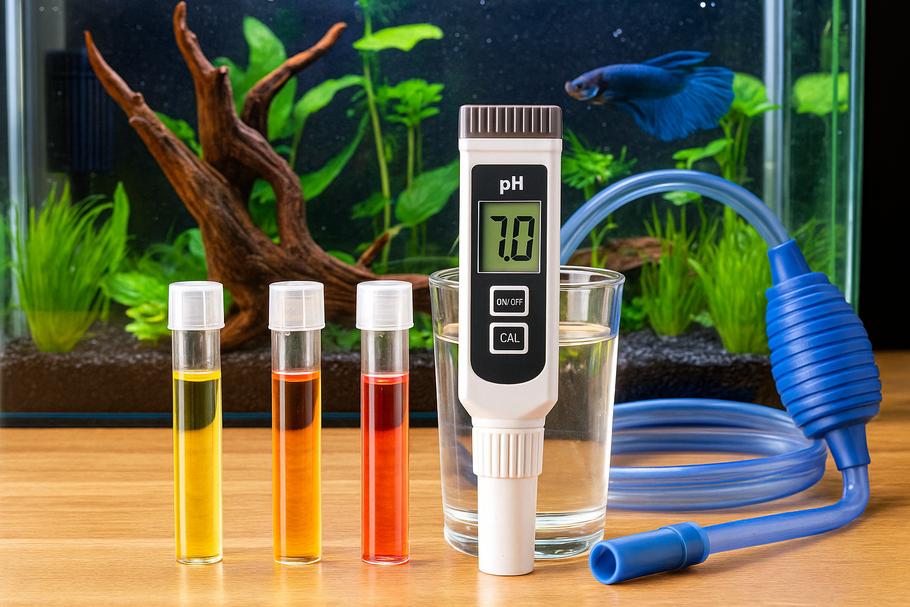
The most commonly discussed aspect of water chemistry is pH, which stands for "potential hydrogen." This logarithmic scale measures how acidic or alkaline (basic) your water is, ranging from 0 to 14. Because the scale is logarithmic, a jump from pH 6.0 to 7.0 represents a tenfold decrease in acidity. This is a massive shift for a small organism like a fish, which is why stability is far more important than hitting a specific decimal point.
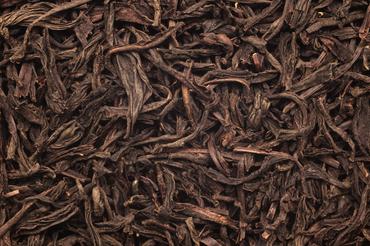
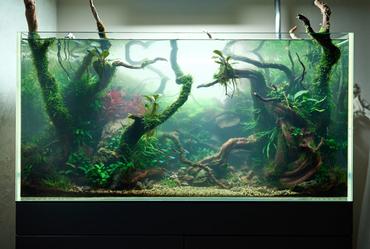
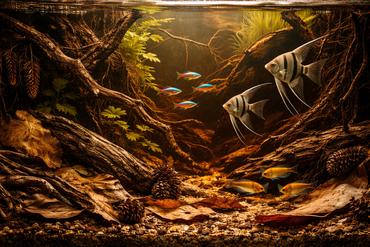
In the wild, fish have evolved over millions of years to thrive in specific water types. For example, the Amazon River basin is often filled with decaying organic matter like leaves and wood, which release tannins into the water. These tannins lower the pH, making the water acidic. Conversely, the great Rift Lakes of Africa are carved out of limestone, which leaches minerals into the water, resulting in a very high, alkaline pH.
Most freshwater fish can adapt to a range of pH levels, but they thrive best when the water matches their ancestral homes. Consider these common groupings:
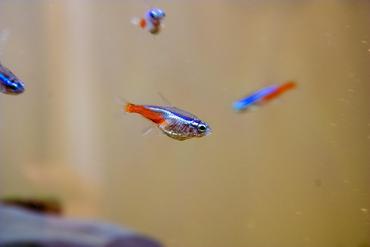
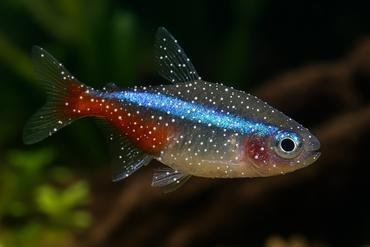
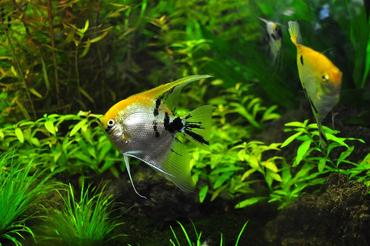
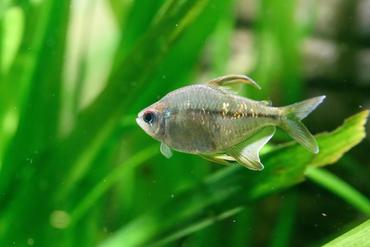
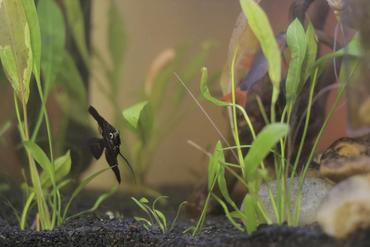
- Acidic Lovers (pH 5.5 – 6.8): Species like Discus, Angelfish, and many Tetras come from soft, acidic "blackwater" environments.
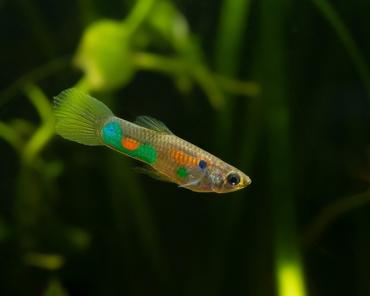
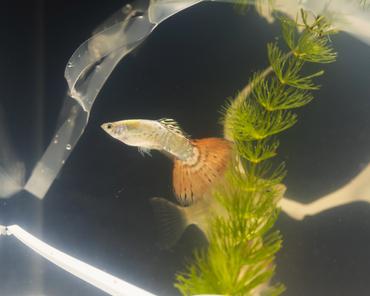
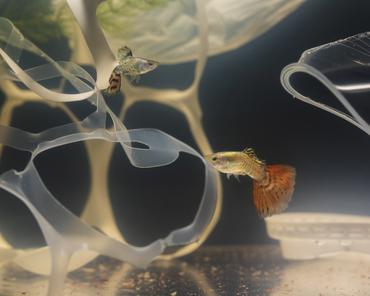
- Neutral to Slightly Alkaline (pH 7.0 – 7.5): Livebearers such as Guppies, Mollies, and Platies generally prefer water that is neutral or a bit on the harder side.
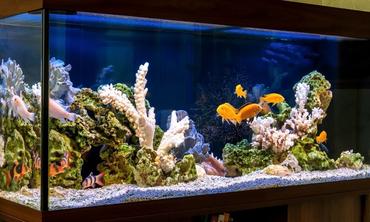
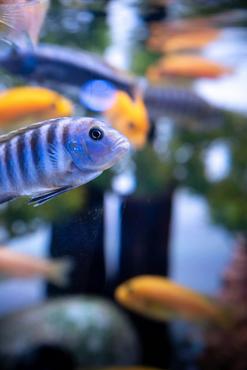
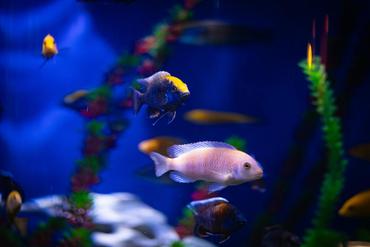
- Highly Alkaline (pH 8.0 – 9.0): African Cichlids from Lakes Malawi and Tanganyika require high pH levels to stay healthy and display their best colors.
The most important rule regarding pH is stability. A fish can often adapt to a pH that is slightly outside its "ideal" range, but it cannot survive rapid fluctuations. Rapid changes in pH can cause "pH shock," which damages the protective slime coat of the fish and compromises its immune system. When you perform regular water testing, focus on consistency rather than chasing a "perfect" number using chemical buffers, which often lead to dangerous see-sawing effects. Many hobbyists find that their fish are much healthier at a stable pH of 7.8 than they are in a tank where the owner is constantly adding "pH Down" chemicals to reach a 7.0, only for it to bounce back up hours later.
Water Hardness: The Roles of GH and KH
While pH gets most of the attention, water hardness is the engine that drives water stability and biological health. In the aquarium hobby, we look at two distinct types of hardness: General Hardness (GH) and Carbonate Hardness (KH).
General Hardness (GH) measures the concentration of calcium and magnesium ions in the water. This is what people usually mean when they say they have "hard" or "soft" water. These minerals are essential for the biological functions of fish, including bone development, muscle contraction, and electrolyte balance. Fish "drink" the water around them through their skin and gills in a process called osmoregulation. If the GH is too low for a hard-water species, they will struggle to maintain their internal mineral balance, leading to organ failure over time. Conversely, soft-water fish in high GH water may suffer from mineral deposits in their kidneys.
Carbonate Hardness (KH), often called "alkalinity," measures the concentration of carbonates and bicarbonates. Think of KH as a "buffer" or a safety net for your pH. If you have a high KH, your pH will remain very stable because the carbonates act as an acid sponge, neutralizing acids before they can lower the pH. If your KH is very low (below 3 dKH), your pH can suddenly crash, which is often fatal for fish. This is why understanding the basics of aquarium chemistry is vital—KH is the shield that protects your tank from dangerous acidity spikes caused by fish waste and organic decay.
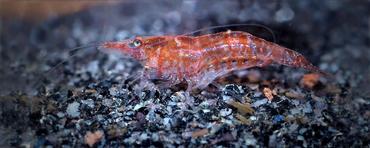
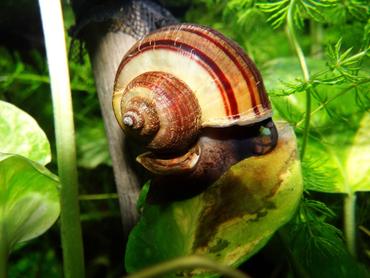
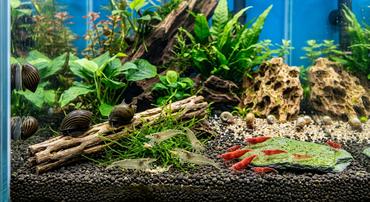
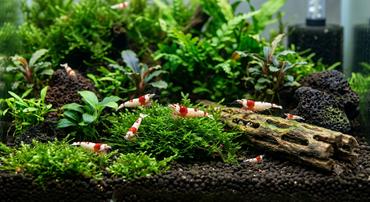
For those keeping invertebrates, GH and KH are even more critical. Shrimp and snails require calcium to build their shells and exoskeletons. In a tank with very soft water, you might notice a snail's shell becoming pitted or white, or a shrimp might die during a failed molt. This is a clear sign that your water chemistry lacks the mineral "hardness" required for these creatures to survive.
The Nitrogen Cycle: Managing Ammonia, Nitrite, and Nitrate
You cannot talk about healthy fishkeeping without mentioning the Nitrogen Cycle. This is the biological process by which beneficial bacteria convert toxic waste into less harmful substances. This cycle is the most critical component of "seasoning" a new aquarium, and failures here are the leading cause of fish death for beginners.
The cycle follows a specific progression:
- Ammonia (NH3): This is the primary waste product produced by fish through their gills and urine, as well as from decaying food and plant matter. Even in small amounts (0.5 ppm), ammonia is highly toxic. It causes chemical burns on the gills, making it difficult for fish to breathe.
- Nitrite (NO2): A group of beneficial bacteria (Nitrosomonas) "eats" the ammonia and turns it into nitrite. While it is a step in the right direction, nitrite is also highly toxic. It enters the fish's bloodstream and prevents it from carrying oxygen, effectively suffocating the fish from the inside out.
- Nitrate (NO3): A different set of bacteria (Nitrobacter) convert nitrite into nitrate. Nitrate is relatively harmless in low concentrations. Most freshwater fish can tolerate levels up to 40 ppm, though 20 ppm or lower is ideal for sensitive species.
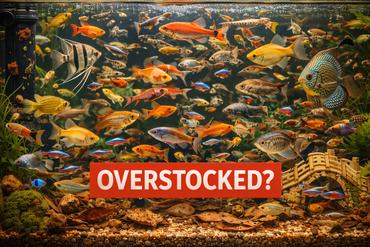
A common beginner mistake is adding too many fish at once to a brand-new tank. This leads to "New Tank Syndrome," where ammonia levels spike because there isn't enough beneficial bacteria to process the waste. To avoid this, always cycle your tank for several weeks before adding livestock. You can "fishless cycle" by adding a small amount of fish food or pure ammonia to the water to feed the growing bacterial colonies. Use a routine maintenance schedule that includes weekly water changes to export the final product of the cycle: nitrates.
Biological Compatibility and Environmental Stress
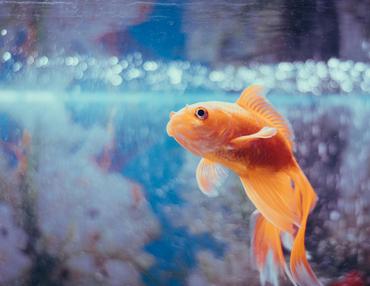
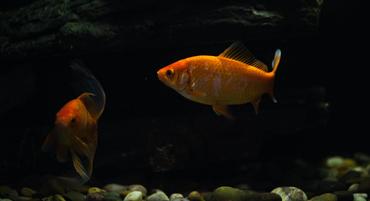
When selecting fish, it is vital to group species that share the same water chemistry requirements. Mixing a Discus (which needs soft, acidic, warm water) with a Goldfish (which prefers cooler, harder, alkaline water) is a recipe for disaster. While both might survive for a short time, one or both will be under constant physiological stress.
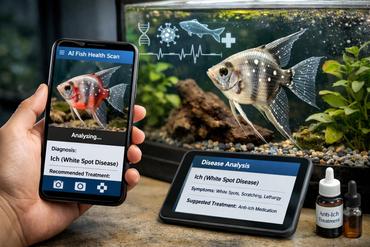
Stress is the silent killer in fishkeeping. When a fish is kept in water with the wrong pH or hardness, its body has to work overtime to maintain its internal chemistry. This diverts energy away from the immune system. This is why a tank with poor water chemistry often sees outbreaks of Ich (white spot disease), fungus, or fin rot. The pathogens are often present in the water anyway, but a healthy, unstressed fish can easily fight them off.
Consider these compatibility groupings for a balanced tank:
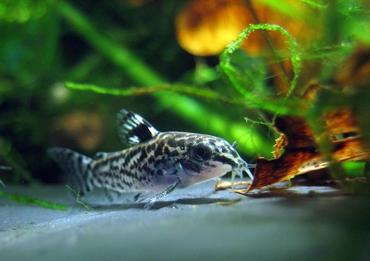
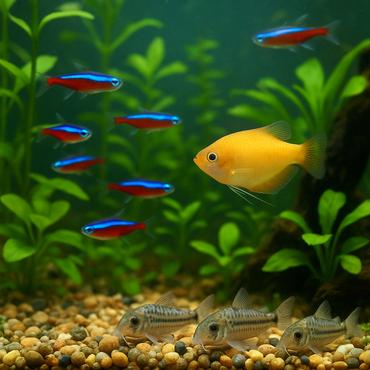
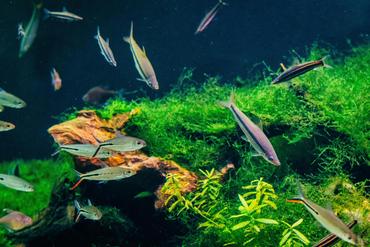
- The South American Community: Neon Tetras, Rummy Nose Tetras, Corydoras Catfish, and Apistogramma. These species all thrive in soft water with a pH between 6.0 and 6.8.
- The Central American/Livebearer Tank: Swordtails, Guppies, Mollies, and Platies. These fish thrive in "liquid rock"—water with high GH and a pH of 7.5 to 8.2.
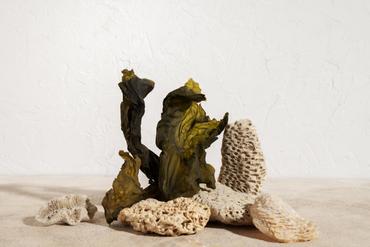
- The African Rift Lake Tank: Yellow Labs, Demasoni, and Frontosa. These require specialized substrates like aragonite sand to keep the pH high and the water very hard.
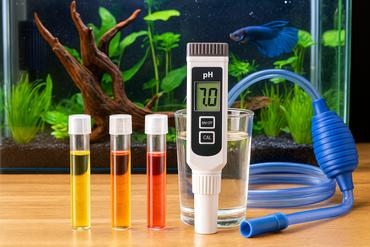
Practical care tip: Always test your tap water before you go shopping for fish. If your tap water is naturally very hard, you will save yourself a lot of money and heartbreak by choosing fish that like hard water rather than trying to use expensive RO (Reverse Osmosis) systems to strip the minerals out for soft-water fish. Work with what you have, and your hobby will be much more enjoyable.
Advanced Water Management: Beyond the Basics
Once you understand pH, GH, KH, and the nitrogen cycle, you can begin to look at more advanced factors like Temperature, Dissolved Oxygen, and Phosphates. Each of these plays a supporting role in the overall health of your aquarium.
Temperature affects the metabolic rate of your fish. In warmer water, fish are more active and eat more, but the water also holds less dissolved oxygen. This is why high-temperature tanks (like those for Discus) require extra surface agitation or air stones to ensure the fish can breathe. Conversely, cold water holds more oxygen but can slow a tropical fish's metabolism to a point where their immune system fails.
Phosphates often enter the tank through fish food and tap water. While not directly toxic to fish, high phosphate levels are the primary fuel for algae blooms. If you are struggling with "green water" or thick hair algae, checking your phosphate levels and adjusting your feeding habits is a crucial step.
To maintain a high-level chemical balance, consider the following checklist:
- Don't Overclean the Filter: Many beginners replace their filter media or scrub everything with chlorinated tap water. This kills the beneficial bacteria. Only rinse filter sponges in a bucket of used tank water.
- Use a High-Quality Dechlorinator: Tap water contains chlorine or chloramines to make it safe for humans, but these chemicals are lethal to fish and bacteria. Always treat new water before it hits the tank.
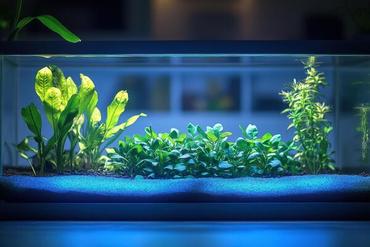
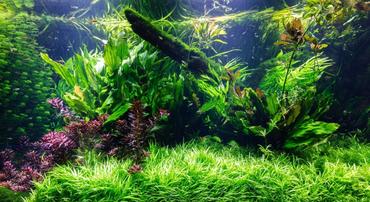
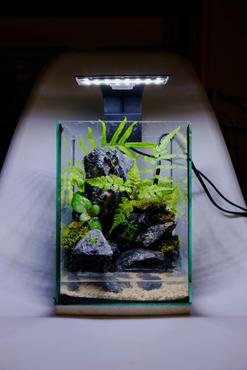
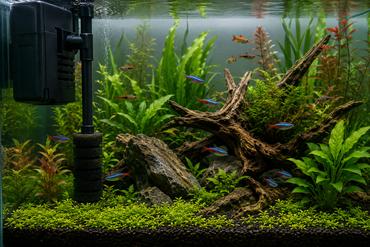
- The Power of Live Plants: Live plants act as a secondary filter. They consume nitrates and even small amounts of ammonia. Floating plants like Frogbit or fast growers like Hornwort are excellent "sponges" for excess nutrients.
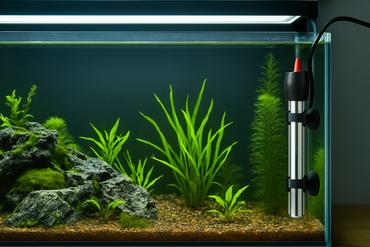
- Substrate Choice: Your gravel or sand can change your water chemistry. Crushed coral or aragonite will raise your pH and hardness, while peat moss or specialized "aquasoils" will lower them. Match your substrate to the fish you intend to keep.
Real-world example: If you notice your fish gasping at the surface, it is rarely an oxygen issue alone; it is often an ammonia or nitrite spike. Before reaching for medications, your first step should always be to test the water and perform a 25% water change to dilute potential toxins. Dilution is often the best solution for chemical imbalances.
The Importance of Consistency Over Perfection
One of the hardest lessons for intermediate hobbyists to learn is that "perfect" numbers are a myth. You might read that a specific species requires a pH of 6.5, but if your tap water is 7.2, trying to force it down using liquid acids can be more harmful than leaving it alone. Most captive-bred fish are remarkably adaptable. A fish raised in a commercial hatchery has likely already spent its whole life in water that isn't "perfect" by wild standards.
What fish cannot handle is change. In the wild, water chemistry changes very slowly over seasons. In an aquarium, we can change the entire environment in minutes with a bucket and a siphon. When performing water changes, try to match the temperature and, if possible, the pH of the new water to the old water. If you are doing a large change (over 50%), add the new water slowly to allow the fish's internal systems to adjust to the new mineral concentrations.
As your tank matures, you may encounter "Old Tank Syndrome." This happens when the KH is slowly used up by the biological processes in the tank, causing the pH to slowly drop over months. If you don't do regular water changes, the fish adapt to this very slow drop. However, if you then do a massive 80% water change with high-pH tap water, the sudden "correction" can kill the fish. This is why small, frequent water changes (15-20% weekly) are the gold standard for long-term health.
Final Takeaway: Master the Water, Master the Hobby
Understanding pH, hardness, and the nitrogen cycle is the difference between a frustrating, expensive hobby and a rewarding, serene one. By focusing on stability rather than perfection, and by choosing fish that are compatible with your local water parameters, you create a resilient ecosystem where your aquatic pets can truly flourish. The water is the lifeblood of your aquarium; respect the chemistry, and the fish will reward you with vibrant colors and fascinating behaviors.
Water chemistry might seem intimidating at first, but it quickly becomes second nature. Most successful hobbyists find a rhythm where they only need to test their water once every few weeks or when they notice something "off" with their fish's behavior. By keeping a simple logbook of your parameters, you can spot trends before they become disasters.
Ready to take your tank to the next level? Explore our guides on advanced aquascaping and specialized species care to keep your hobby growing. Success in fishkeeping is a journey of continuous learning, so keep testing, keep observing, and most importantly, enjoy the beautiful world you've created behind the glass. Your fish are counting on you to be the best "water keeper" you can be!

MOST RECENT ARTICLES