DRIFTWOOD IN AQUARIUMS: BENEFITS, TYPES, AND HOW TO PREPARE IT SAFELY
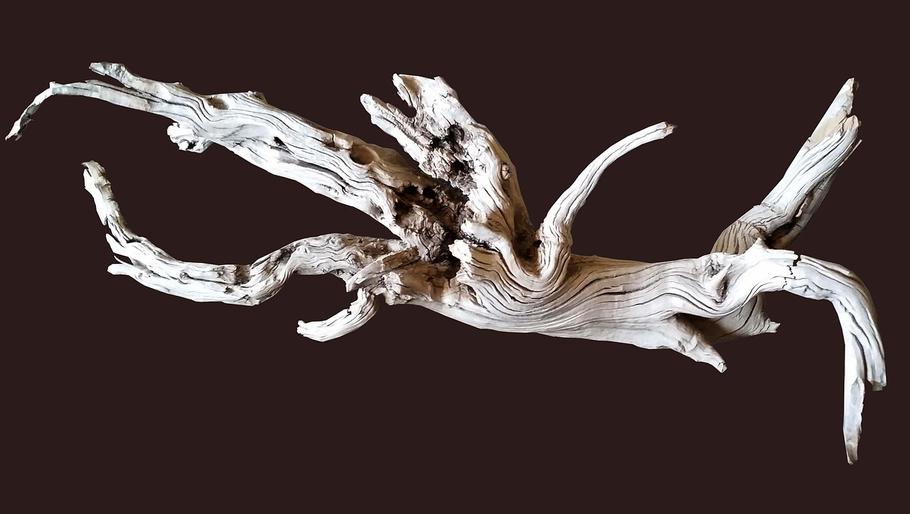
The Ecological and Aesthetic Benefits of Aquarium Driftwood
Driftwood is far more than just "underwater decor." For many experienced hobbyists, it is a biological tool used to manage water chemistry and influence animal behavior. When you introduce natural wood into your tank, you are introducing organic matter that interacts with the water column in several beneficial ways that artificial decorations simply cannot replicate.
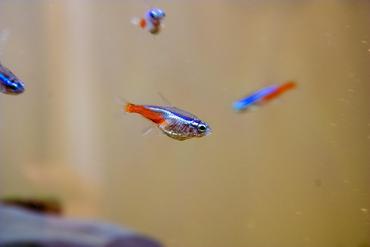
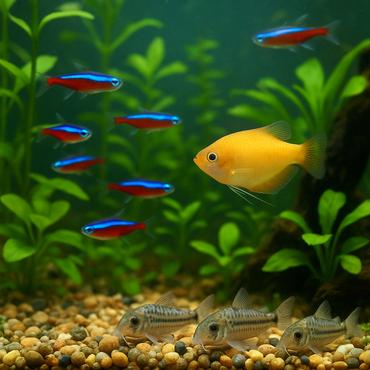
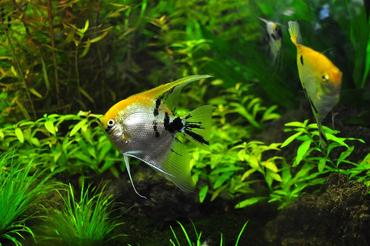
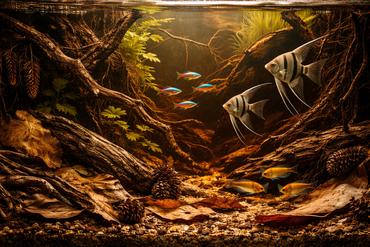
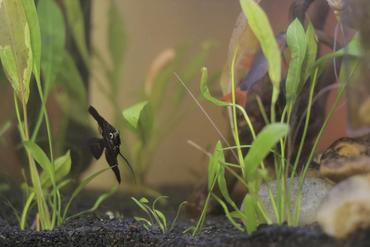
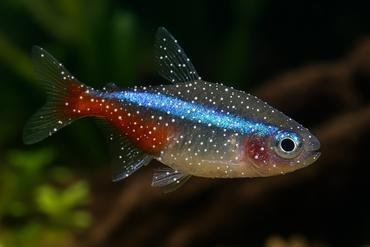
One of the primary advantages of driftwood is its role in Natural Water Softening. Many types of driftwood, particularly those from tropical regions, release humic substances and tannins. These organic compounds slowly lower the pH of the water and reduce general hardness (GH). This makes driftwood an essential addition for soft-water species like Discus, Angelfish, and various South American Tetras. These fish evolved in environments where fallen trees are abundant, and the presence of wood in the aquarium signals a "home" environment, reducing stress and encouraging natural spawning behaviors.
Furthermore, driftwood acts as a Natural Immune Booster. The tannins released—which often result in a slight tea-colored tint known as "blackwater"—have mild antibacterial and antifungal properties. This creates a therapeutic environment that mimics the natural habitats of tropical fish, helping to prevent common ailments like fin rot or velvet. For hobbyists interested in specialized setups, learning how to create a blackwater aquarium can help you leverage the full potential of these wood-released tannins for sensitive species.
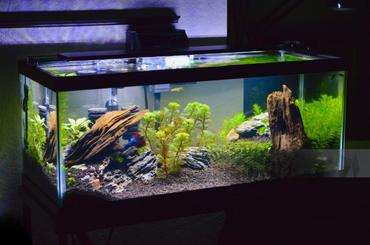
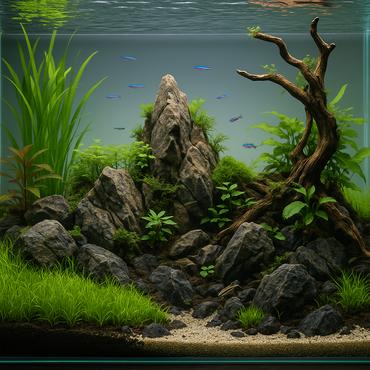
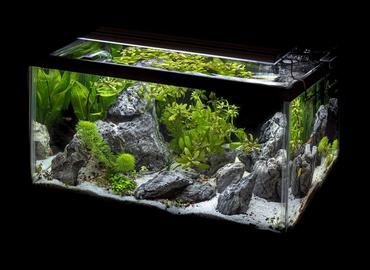
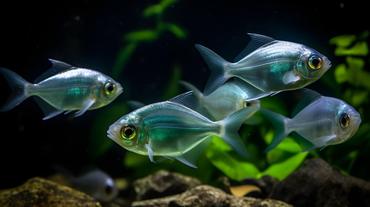
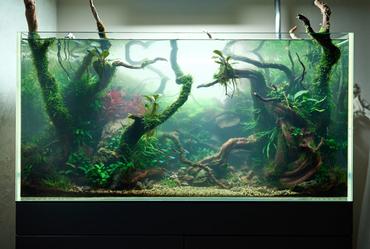
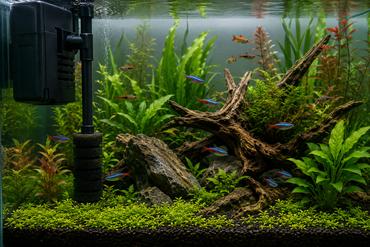
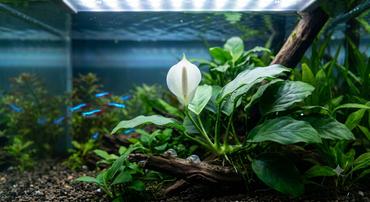
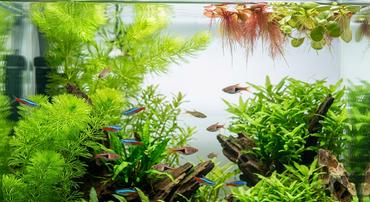
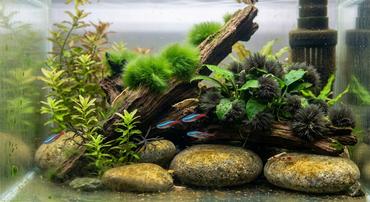
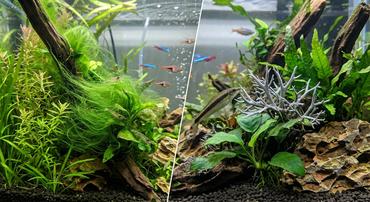
From a design perspective, driftwood provides Visual Depth and Verticality. In a standard aquarium, much of the visual interest is concentrated on the bottom third of the tank. Large, branching pieces of wood allow you to utilize the vertical space, reaching toward the surface. This provides shade for low-light plants and security for top-dwelling fish like Hatchetfish. By attaching epiphytic plants like Anubias, Java Fern, or various mosses to the wood, you can create a "tree-like" look that looks aged and established.
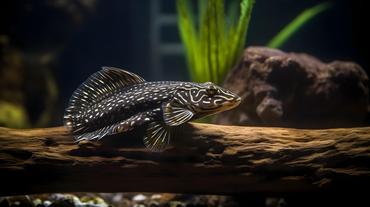
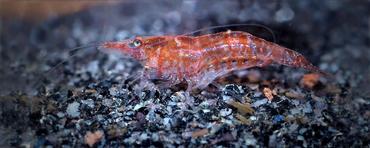
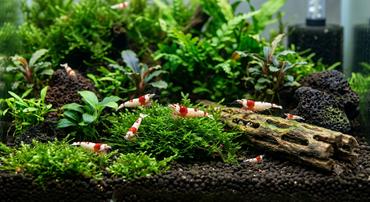
Finally, we cannot overlook the Biological Grazing Surfaces driftwood provides. As wood matures underwater, it promotes the growth of biofilm—a thin, slippery layer of bacteria, fungi, and microorganisms. This biofilm is a primary, nutrient-rich food source for ornamental shrimp and fry. Specialized eaters, such as the Bristlenose Pleco (Ancistrus) and the Clown Pleco (Panaqolus maccus), actually require the lignin and cellulose found in the wood to aid their specialized digestive tracts. Without wood to rasp on, these species often suffer from nutritional deficiencies.
Popular Types of Driftwood for Freshwater Tanks
Selecting the right type of wood is the foundation of a healthy tank. It is a common beginner mistake to assume that any dried branch found in the woods or on a beach is suitable for an aquarium. Many terrestrial woods rot quickly when submerged, causing ammonia spikes, or contain toxic saps and resins (like those found in pine or cedar) that can be lethal to fish. Choosing "aquarium-safe" commercial varieties ensures longevity and safety.
- Malaysian Driftwood: This is perhaps the most popular choice for beginners. It is incredibly dense and heavy, meaning it almost always sinks immediately without the need for weights. Its dark, rugged appearance and deep grooves make it perfect for high-contrast aquascapes. It is also a prolific producer of tannins, making it ideal for those seeking a natural tint.
- Mopani Wood: Hailing from Africa, Mopani is a heavy, two-toned wood with a gnarly, textured surface. It is often sandblasted before sale to reveal beautiful light and dark grain patterns. Like Malaysian wood, it sinks readily. However, Mopani is notorious for releasing heavy amounts of tannins for several months, which may require extra carbon filtration if you prefer clear water.
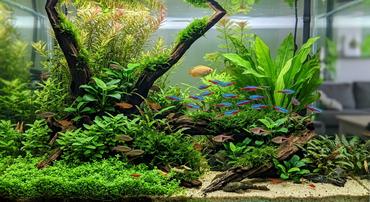
- Spider Wood (Azalea Root): A favorite in "Nature Style" and "Iwagumi" influenced aquascaping, Spider Wood features many thin, twisting branches that resemble a spider's legs. It is lightweight and often requires a week or two of soaking to stay submerged. Its intricate structure provides incredible "playgrounds" for small, active fish like Chili Rasboras or Ember Tetras to dart through.
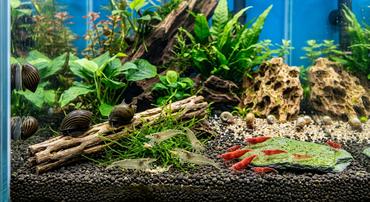
- Cholla Wood: This is actually the dried skeleton of the Cholla cactus. It is soft, hollow, and riddled with small holes. While it doesn't last as long as hardwood (it may break down after a year or two), it is the gold standard for shrimp keepers. The holes provide safety for molting shrimp, and the soft wood grows biofilm rapidly.
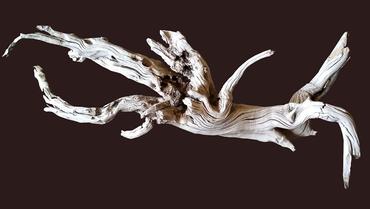
- Manzanita: Manzanita is a dense hardwood that resists decay for many years. It has a smooth bark and elegant, sprawling branches. Because it is so hard, it leaches very few tannins, making it the preferred choice for hobbyists who want the look of wood without the brown water.
- Bogwood: This is wood that has been preserved in peat bogs for hundreds or even thousands of years. It is extremely dark, almost black, and highly acidic. It is excellent for specialized soft-water breeding tanks but should be used cautiously in tanks where a high pH is required.
When selecting your wood, always consider the size and temperament of your inhabitants. For example, large, boisterous Cichlids may easily knock over delicate Spider Wood arrangements, whereas heavy, solid Malaysian wood provides a sturdy, unmovable anchor for their territorial boundaries.
How to Prepare Driftwood Safely: A Comprehensive Step-by-Step Guide
The preparation phase is where the success or failure of your driftwood integration is decided. Dropping a raw piece of driftwood into a tank can lead to massive pH crashes, "tannin tea" water that is too dark to see through, or the introduction of harmful pathogens. Follow these rigorous steps to ensure your wood is "cured" and safe.
Step 1: Initial Inspection and Mechanical Cleaning
Before the wood even touches water, inspect it for any sharp splinters or soft, rotting spots. Use a firm plastic brush (not a wire brush, which can leave metallic fragments or destroy the natural patina) to scrub away loose dirt, dust, and debris. If you find any "mushy" sections, scrape them away with a dull knife until you reach solid wood. Use only plain tap water for this process. Never use soap, bleach, or household chemical cleaners. Driftwood is porous; it will absorb these toxins and slowly leach them into your tank, which can kill your entire fish population.
Step 2: The Boiling Process
Boiling is the most effective way to sterilize driftwood and prepare it for submersion. Place the wood in a large stainless steel pot and boil it for at least 1 to 2 hours. This serves three vital purposes:
- Sterilization: Boiling kills algae spores, fungal spores, and potential parasites that might be hitchhiking on the wood.
- Saturation: Heat helps expand the wood's pores, allowing water to penetrate more deeply. This helps the wood lose its buoyancy and sink faster once placed in the tank.
- Tannin Depletion: Boiling forces a massive amount of tannins out of the wood in a short period, preventing your aquarium from turning dark brown overnight.
If the wood is too large for a pot, you can place it in a clean, fish-safe plastic tub and pour boiling water over it, allowing it to sit until the water cools, and repeating the process several times.
Step 3: The Extended Soaking Phase
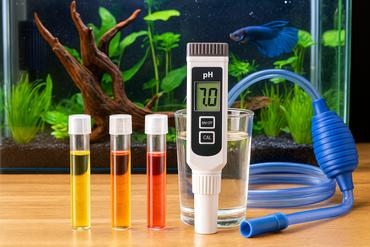
After boiling, the wood needs to be "cured" in a bucket of dechlorinated water. Submerge the wood completely. You will notice the water turning a shade of yellow or brown within hours. Change this water daily. Continue this process until the water stays relatively clear for 24 hours or reaches the "tint" level you personally desire. This process can take anywhere from three days for Manzanita to three weeks for Mopani. During this time, you are also checking for "sinkability." If the wood still floats, it needs more time to become waterlogged.
For more tips on maintaining a healthy environment during the initial setup phase, check out our guide on the importance of water changes to manage the organic load that new wood can introduce.
Overcoming Common Driftwood Challenges: Biofilm, Buoyancy, and Tannins
Even with meticulous preparation, nature often takes its course once the wood is submerged. Beginners often panic when they see "strange" growths, but most are part of a healthy ecological cycle.
The "White Fuzz" (Biofilm) Mystery
Within the first week of adding wood, you might see a white, translucent, jelly-like slime covering the surface. This is not a sign of a "dying" tank; it is a saprolegnia fungus or a bacterial bloom feeding on the residual sugars and organic compounds left in the wood. It is completely harmless to fish. In fact, it is a delicacy for Mollies, Platies, and Otocinclus catfish. If the sight bothers you, you can siphon it off during water changes or add a few Amano shrimp, which will clean a piece of wood in a matter of days. The fuzz typically disappears on its own within two to four weeks as the food source is exhausted.
Fighting Buoyancy
If your driftwood refuses to stay at the bottom, you have a few professional tricks at your disposal. The most permanent method is to use a stainless steel screw to attach the wood to a flat piece of slate or a heavy rock, which is then buried under the substrate. You can also use aquarium-safe cyanoacrylate glue (super glue gel) to bond smaller pieces of wood to heavy stones. If you prefer a less permanent solution, simply wedge the wood under a heavy rock for a month until it becomes fully waterlogged.
Managing Excessive Tannins
If you find that your water is becoming darker than you'd like, you don't need to remove the wood. Chemical filtration is your best friend here. Adding a bag of activated carbon to your filter will help, but for crystal clear results, many hobbyists use Seachem Purigen. This synthetic adsorbent specifically targets organic waste and tannins without stripping away essential trace elements, turning "tea" water back to "crystal" water in a matter of hours.
Compatibility and Care: Selecting the Right Wood for Your Fish
While driftwood is generally a positive addition, you must consider the specific environmental needs of your livestock. Not every fish thrives in the conditions that driftwood creates, and some fish have physical requirements that dictate the type of wood you should use.
The African Cichlid Dilemma
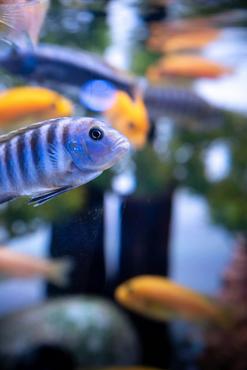
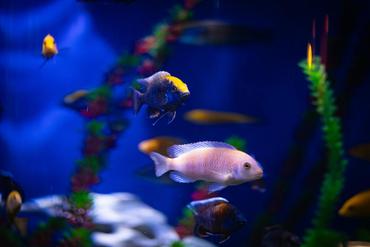
Fish from the African Rift Lakes (Malawi, Tanganyika, and Victoria) evolved in high-pH, hard-water environments with very little decaying organic matter. Adding large amounts of tannin-leaching driftwood can lower the pH and soften the water, which can stress or even kill these species. If you want the look of wood in a Cichlid tank, choose well-aged, "spent" driftwood that no longer leaches tannins, and ensure you have a buffering substrate like crushed coral to keep the pH stable between 7.8 and 8.6.
Plecos and Wood-Eaters
As mentioned, for species like the Royal Pleco (Panaque nigrolineatus), driftwood is a dietary necessity. When keeping these fish, you should avoid extremely hard woods like Manzanita, as the fish may struggle to rasp off enough material. Softer woods like Malaysian driftwood are better suited for their needs. Be prepared for a higher waste load in the tank, as these fish produce a lot of "sawdust" (frass) as they consume the wood.
Protecting Long-Finned Species
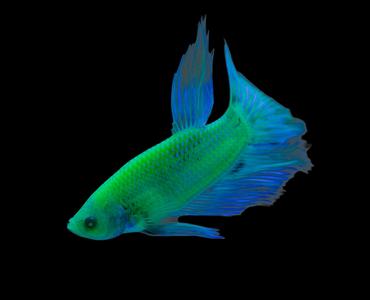
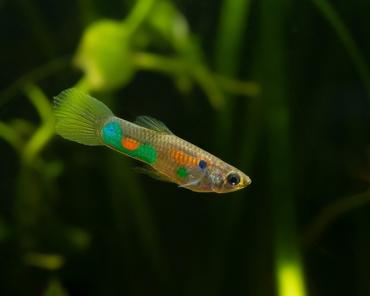
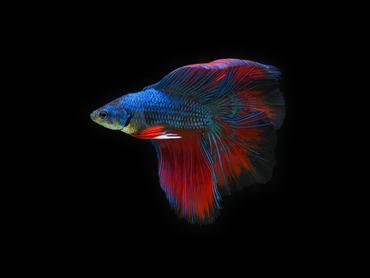
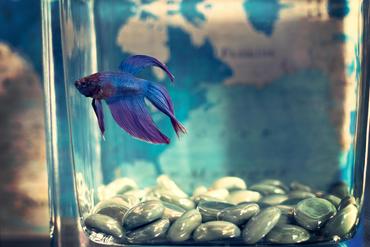
If you keep Betta fish, Fancy Guppies, or long-finned Rosy Barbs, you must perform the "pantyhose test" on your driftwood. Run a pair of nylons over the surface of the wood; if the fabric snags, the wood is sharp enough to tear a fish's fins. Delicate fins are highly susceptible to secondary infections like fin rot if they are damaged. You can use fine-grit sandpaper to smooth down any jagged points or "v-shaped" notches where a fish might get stuck.
Driftwood as a Plant Anchor
Driftwood is the perfect substrate for "epiphytes"—plants that grow on surfaces rather than in the soil. Species like Anubias, Java Fern, and Bolbitis have rhizomes that will rot if buried in gravel. Instead, you can tie them to driftwood using clear fishing line, cotton thread, or a tiny drop of gel super glue. Within a few months, the plant's roots will wrap around the texture of the wood, creating a stunningly natural look. This is a core technique in professional aquascaping. If you are just starting your design journey, reading about aquascaping for beginners will help you place your driftwood in a way that creates a balanced, aesthetically pleasing focal point.
Final Takeaway: Transforming Your Tank with Natural Wood
Integrating driftwood into your aquarium is one of the most rewarding ways to enhance the health and beauty of your aquatic world. It bridges the gap between a sterile, artificial environment and a thriving biological habitat. By providing shelter for shy species, essential minerals for scavengers, and a natural pH buffer for tropical fish, driftwood proves itself to be an invaluable tool for any serious hobbyist.
The key to success lies in the preparation. By taking the time to properly identify aquarium-safe wood and following a strict regimen of cleaning, boiling, and soaking, you eliminate the risks and set your tank up for years of stability. Don't be discouraged by the initial tannins or the temporary appearance of biofilm; these are signs that your aquarium is becoming a functioning ecosystem.
The "perfect" piece of driftwood is out there waiting to become the centerpiece of your next layout. Whether you're building a sprawling root system for a community tank or a tiny Cholla wood sanctuary for your shrimp, the effort you put into preparation will be repaid tenfold in the health and vibrancy of your fish. Ready to get started? Head to your local shop, find a piece that speaks to your creative side, and begin the curing process today. Your fish will thank you for it!
MOST RECENT ARTICLES