EARLY DISEASE IDENTIFICATIONS IN THE TANK
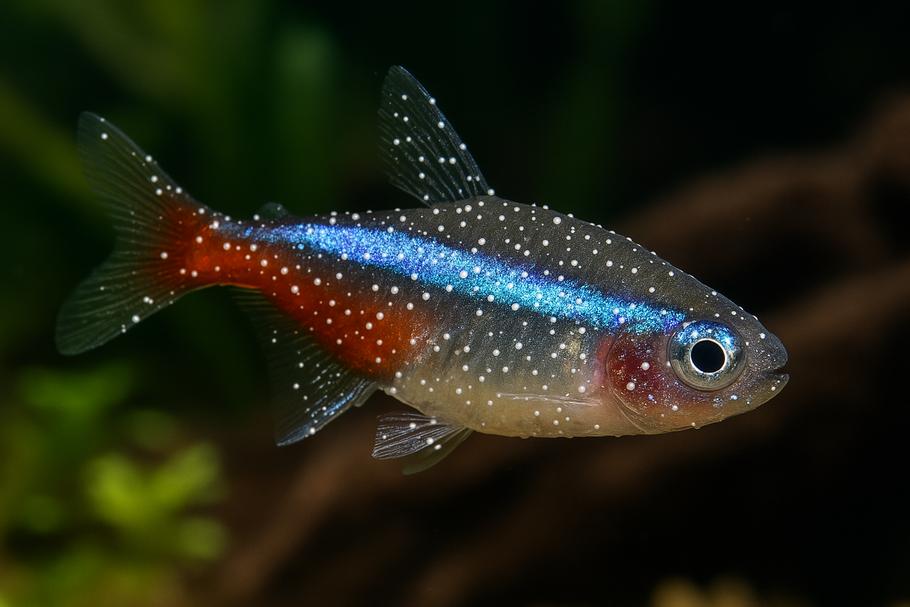
The Psychology of the Sick Fish: Reading Behavioral Cues
Before a fish shows a single white spot or a frayed fin, its behavior will change. In the wild, a fish that looks sick is a fish that gets eaten. Consequently, most aquarium species have evolved to mask their symptoms for as long as possible. As a hobbyist, you must become a keen observer of "normal" behavior so that "abnormal" behavior stands out like a beacon.
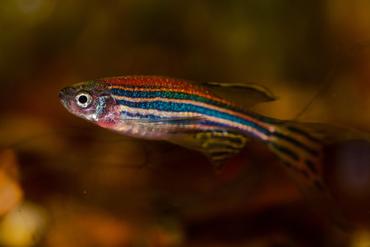
One of the most common early signs is lethargy. If you have active swimmers like Rainbowfish or Zebra Danios, and you notice one individual hovering near the heater or tucked away in a corner for hours, something is wrong. This lack of energy often precedes more visible symptoms by 48 to 72 hours. During this window, the fish's immune system is struggling, and a simple water change or temperature adjustment might be enough to help it recover without harsh chemicals.
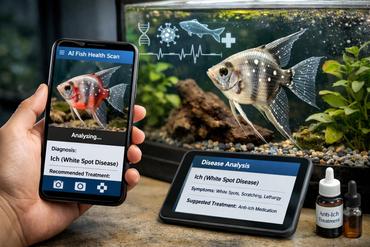
Another behavior to watch for is "flashing" or "glancing." This is when a fish swims rapidly toward a piece of driftwood, a rock, or the substrate and scrapes its body against it. To a beginner, it might look like a playful burst of speed, but it is actually the fish attempting to dislodge external parasites like Ich (White Spot) or Flukes. If you see multiple fish in the tank flashing, the parasite is already present in the water column, and you must act immediately to prevent a full-blown outbreak.
Appetite loss is perhaps the most definitive behavioral cue. Most healthy fish are perpetually hungry. If a fish that usually rushes the surface during feeding time suddenly stays at the bottom or takes food into its mouth only to spit it back out, it could be suffering from internal blockages, mouth fungus, or high levels of nitrate stress. Pay close attention to the "pecking order" during feeding; sometimes a fish stops eating not because it is sick, but because it is being bullied, which leads us to our next critical area of concern: stress and compatibility.
Physical Indicators: A Head-to-Tail Inspection Guide
Once you suspect a fish is unwell based on its behavior, a thorough physical inspection is necessary. Using a high-powered flashlight can help you see through the glare of the glass and the shimmer of the scales to find subtle abnormalities.
- The Eyes: Look for cloudiness or protrusion. "Pop-eye" (Exophthalmos) can affect one or both eyes. If only one eye is affected, it is often due to physical injury; if both are bulging, it usually indicates a systemic bacterial infection or poor water quality.
- The Gills: Healthy gills should be bright red and move at a steady, rhythmic pace. If the gills are pale, purple, or inflamed, the fish is struggling for oxygen. Rapid "panting" or gasping at the surface is a sign of ammonia poisoning or gill flukes.
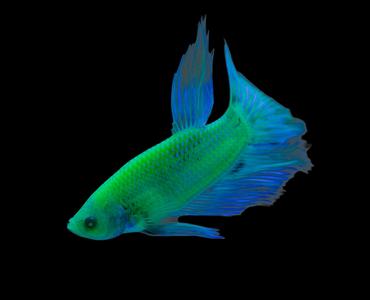
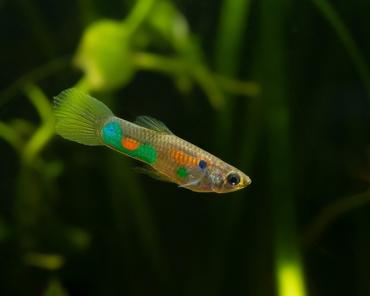
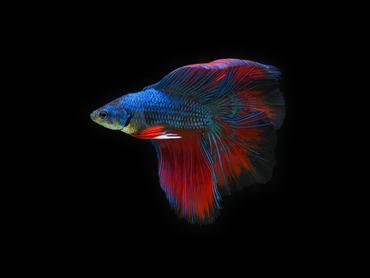
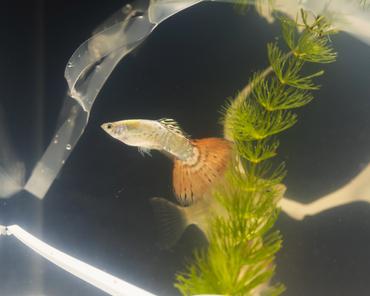
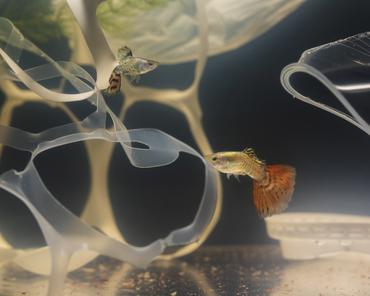
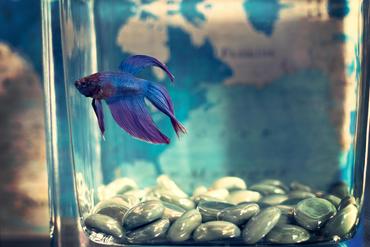
- The Fins: Clamped fins—where the fish holds its fins tight against its body—are a universal sign of distress. Additionally, look for "fin rot," characterized by ragged edges or white/red inflammation along the tips. This is common in long-finned species like Fancy Guppies and Bettas.
- The Slime Coat: A fish’s first line of defense is its mucus layer. If the fish looks "dusty," "milky," or excessively slimy, it is overproducing mucus to fight off an irritant. This is common in cases of Costia or Velvet disease.
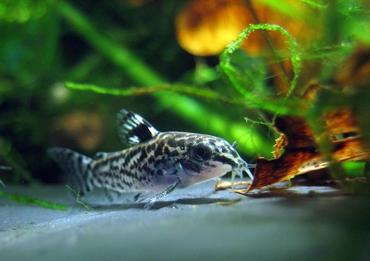
Specific species suggestions often come into play here. For instance, Discus are notorious for being "canaries in the coal mine." Their skin will darken significantly when they are stressed or ill. Conversely, hardy fish like Bronze Corydoras may not show physical symptoms until the disease is very advanced, making behavioral observation even more critical for them.
The Chemistry of Health: Water Quality as a Diagnostic Tool
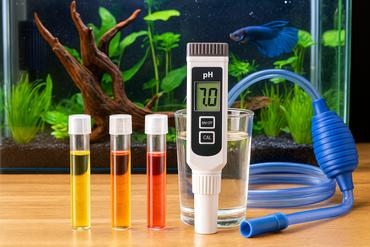
It is an old saying in the hobby that we don't keep fish; we keep water, and the fish just happen to live in it. More than 70% of all aquarium diseases are either caused or exacerbated by poor water chemistry. Before you reach for a bottle of medication, you must reach for your liquid test kit.
-
Ammonia and Nitrite:
- In a cycled aquarium, these should always be 0 ppm. Even a trace amount (0.25 ppm) can cause chemical burns on the gills and skin. These burns look like red streaks or black patches (which is actually the skin trying to heal). A fish suffering from ammonia poisoning will act exactly like a fish with a parasite—lethargic, gasping, and clamped. Always rule out "New Tank Syndrome" by checking these levels first.
-
Nitrate Levels:
- While less toxic than ammonia, high nitrates (above 40 ppm) lead to chronic stress. Chronic stress suppresses the immune system, allowing opportunistic bacteria to cause diseases like Fin Rot or Hole-in-the-Head. If you find your nitrates are creeping up, increasing your water change frequency is often the only "medicine" you need. For a deeper dive into maintaining these levels, see our article on mastering the nitrogen cycle.
-
pH Stability:
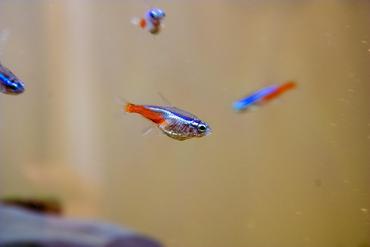
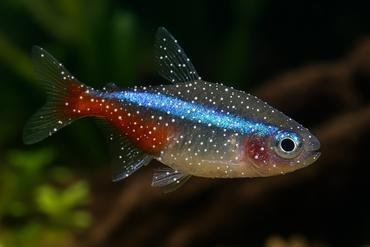
- It is less important to have a "perfect" pH than it is to have a "stable" pH. A sudden swing in pH can cause osmotic shock, which causes the fish's cells to struggle with fluid regulation. Symptoms include shimmying (swimming in place with a side-to-side motion) and sudden death without any other visible signs. This is particularly common in sensitive species like Cardinal Tetras or wild-caught Cichlids.
Compatibility and Care: Preventing Stress-Induced Illness
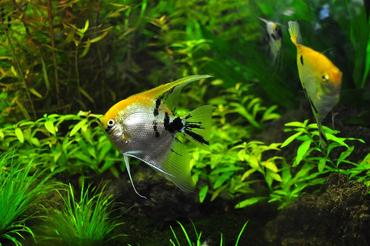
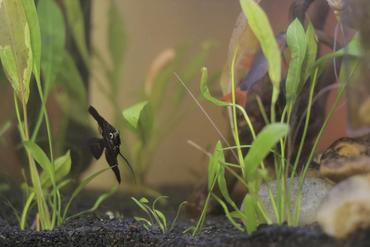
Stress is the silent killer in the aquarium. When a fish is stressed, its body produces cortisol, which suppresses the immune system. A primary source of stress in beginner tanks is poor compatibility. You might identify what looks like a fungal infection on the side of a slow-moving Angelfish, but if that Angelfish is being nipped by a school of aggressive Tiger Barbs, the "disease" is actually a wound.
Common Beginner Mistakes in Compatibility:
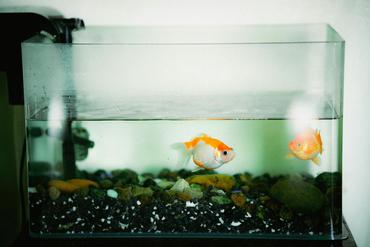
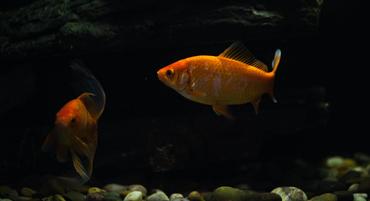
- Mixing Temperature Requirements: Keeping Goldfish (cold water) with Tropical Tetras (warm water) stresses both species, making them susceptible to Ich.
- Inappropriate Schooling Sizes: Species like Neon Tetras or Harlequin Rasboras need to be in groups of at least 6-10. A solitary Tetra will live in a state of constant fear, leading to a weakened immune system.
- Territorial Overlap: Putting two male Bettas together is an obvious mistake, but many beginners don't realize that two male Dwarf Gouramis or multiple Red Tail Sharks will also fight, leading to physical injuries that invite bacterial infections.
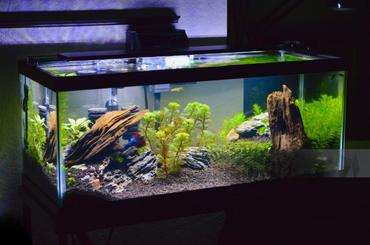
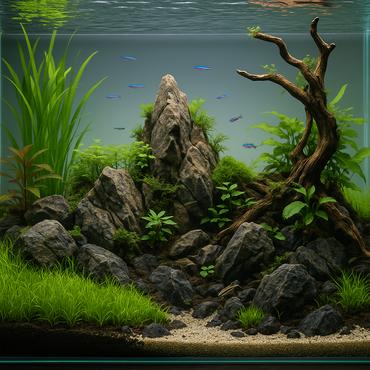
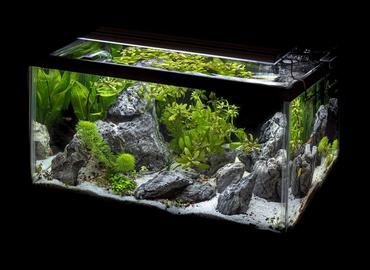
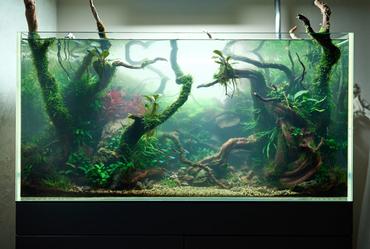
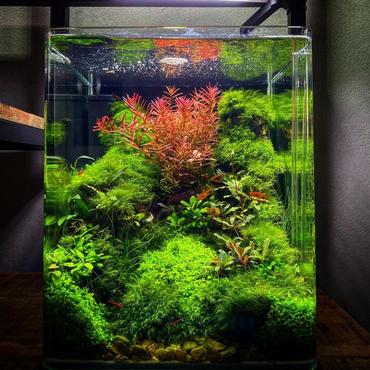
Practical care tips involve providing plenty of "sight breaks"—decorations, plants, and caves—that allow submissive fish to hide. A well-scaped tank isn't just for aesthetics; it is a functional requirement for disease prevention. Furthermore, always research the "maximum size" of a fish. A common Oscar might look cute at 2 inches, but as it outgrows a small tank, the buildup of waste and lack of swimming space will lead to "Hole-in-the-Head" disease, a common ailment for large Cichlids kept in suboptimal conditions.
Advanced Identification: Internal Parasites and Wasting
Internal issues are the hardest to spot because you can't see the pathogen. However, the fish’s waste and body shape provide vital clues. Internal flagellates and worms are extremely common in the hobby, especially in fish imported from large-scale commercial ponds.
If you notice your fish has a "pinched" belly or looks like it is losing weight despite eating well, it likely has internal parasites. Another tell-tale sign is white, stringy feces. In a healthy fish, waste should be thick and the color of the food being eaten. If the waste looks like a clear or white thread that hangs from the fish for a long time, it’s time to use medicated flakes. This is frequently seen in Livebearers like Guppies and Mollies, as well as in African Cichlids (often referred to as "Malawi Bloat" when accompanied by swelling).
Dropsy is another internal condition to watch for. It is characterized by extreme bloating where the scales stick out, making the fish look like a pinecone. This is actually a symptom of organ failure (usually the kidneys) and is often the result of long-term exposure to poor water quality or an untreated internal infection. Identifying the early stages—minor swelling and lethargy—is the only way to save a fish from Dropsy; once the "pineconing" begins, the damage is usually irreversible.
The Quarantine Protocol: Your Best Defense
The most effective way to identify and manage disease is to never let it into your main display tank. Every intermediate hobbyist should eventually invest in a Quarantine Tank (QT). A QT can be a simple 10-gallon setup with a sponge filter and a heater.
When you bring home new fish, keep them in the QT for 2 to 4 weeks. This allows you to observe them closely for any of the signs mentioned above without risking your established community. If a disease manifests, you can treat the small QT with much less medication (saving money) and without worrying about the medicine killing your expensive live plants or staining the silicone in your main tank. This practice alone can reduce your tank's mortality rate by nearly 90% over the long term.
Summary of Identification Symptoms
To help you quickly diagnose issues, refer to the table below for the most common symptoms and their likely causes:
| Symptom | Likely Cause | Immediate Action |
|---|---|---|
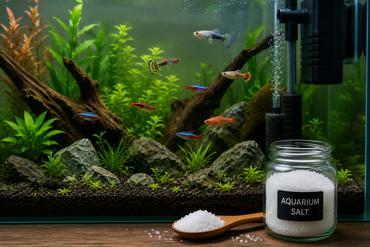
| White grains of salt | Ich (Parasite) | Raise temp, add salt or Ich medication |
| Gold/Rust colored dust | Velvet (Parasite) | Black out tank, use copper-based meds |
| Cottony/Fuzzy tufts | Fungal or Columnaris | Check water quality, use anti-fungal |
| Red streaks on fins | Ammonia/Septicemia | Large water change, check bio-filter |
| White stringy feces | Internal Parasites | Medicated food (Metronidazole) |
Takeaway: Be the Guardian of Your Underwater World
Early disease identification is a skill that develops over time, combining scientific knowledge with the "gut feeling" that comes from daily observation. By understanding that behavior is the first indicator, physical signs are the second, and water chemistry is the underlying cause, you are now equipped to handle almost any challenge the hobby throws at you. Don't wait for a fish to be floating at the surface to take action—the moment you see a "shiver," a "flash," or a "clamped fin," begin your diagnostic process.
The health of your aquarium is in your hands. If you found this guide helpful, stay a
MOST RECENT ARTICLES