HOW TO KEEP YOUR SALTWATER AQUARIUM FROM OVERHEATING

The Hidden Dangers of High Temperatures in Marine Systems
To understand why overheating is so dangerous, it helps to look at the basic physics and biology of saltwater. As water warms up, its capacity to hold dissolved oxygen drops significantly. At the same time, the metabolic rate of your fish, corals, and beneficial bacteria increases. This creates a stressful cross-intersection: your aquarium inhabitants require more oxygen to function precisely when the water is least capable of providing it. This sudden imbalance can lead to rapid respiratory distress, weakened immune systems, and a collapse of the biological filtration that keeps toxic ammonia levels at zero.
When temperatures consistently exceed 80°F, or spike rapidly by even a few degrees, the consequences become visible. Corals are particularly vulnerable because they rely on a symbiotic relationship with microscopic algae called zooxanthellae, which live inside their tissues and provide them with energy through photosynthesis. When thermal stress occurs, corals expel these colorful algae in a defense mechanism known as coral bleaching. Without their zooxanthellae, the corals lose their vibrant hues, turn white, and will eventually starve if conditions do not return to normal quickly. Keeping a close eye on your tank parameters is an absolute requirement during seasonal transitions to ensure these delicate systems remain perfectly balanced.
Identifying the Core Sources of Aquarium Heat
Before you can effectively cool down a saltwater aquarium, you must figure out exactly where the excess heat is coming from. While ambient room temperature plays a massive role, the mechanical equipment keeping your ecosystem alive can also act as an unintentional water heater.
- Submersible pumps, powerheads, and filtration systems generate kinetic energy, a portion of which is transferred directly into the surrounding water as heat.
- Older style AC-motor pumps run significantly hotter than modern, energy-efficient DC-motor equivalents, making equipment selection an important variable in your thermal equation.
Lighting is another primary contributor to high tank temperatures. Traditional metal halide and T5 fluorescent fixtures emit substantial amounts of infrared radiation, warming the surface of the water continuously throughout the daily photoperiod. Even high-intensity LED fixtures, which run much cooler on the underside, generate significant heat at their upper heatsinks. If these fixtures are enclosed within a tight canopy without proper ventilation, that trapped heat has nowhere to go but down into the water. Additionally, a malfunctioning heater with a stuck thermostat is a common hardware failure that can quietly cook an aquarium overnight. Utilizing a dual-stage external temperature controller is one of the most reliable ways to guard against this specific disaster.
Practical and Immediate Techniques for Cooling Your Tank
If you check your thermometer and find that your saltwater tank is creeping into the danger zone above 82°F, you need to take swift, controlled action. The single most effective immediate cooling method available to hobbyists is evaporative cooling.
- By directing a simple clip-on household fan across the surface of the display tank or the sump, you break the boundary layer of humid air and encourage rapid evaporation.
- This process pulls heat energy directly out of the water column, frequently lowering the tank temperature by two to four degrees within a few hours.
- Keep in mind that this will drastically increase your rate of evaporation, so you must stay on top of replenishing the system with fresh top-off water to keep your salinity stable.
Another immediate step is to modify your lighting schedule.
- Turning off your aquarium lights entirely for a day or two will not harm your fish or corals, and it immediately eliminates a significant source of heat generation.
- If your tank is enclosed by a heavy wooden canopy or tight-fitting glass lids, open or remove them completely to allow trapped hot air to escape and facilitate better gas exchange.
- Increasing the physical surface agitation with extra powerheads also helps maximize oxygenation, giving your livestock a fighting chance against low oxygen levels while you work to bring the temperature back down to safe parameters.
Long-Term Climate Control: Comparing Fans and Chillers
For hobbyists who battle high indoor temperatures every summer, relying on temporary emergency measures is not a sustainable strategy. Long-term thermal stability requires investing in dedicated cooling infrastructure. The two primary options available are specialized aquarium cooling fan arrays and dedicated refrigerant-based aquarium chillers. Choosing between them depends on your local climate, the size of your tank, and your budget.
- Cooling Fan Arrays: These units are highly affordable, easy to install, and remarkably efficient in areas with low to moderate ambient humidity. They mount directly to the rim of the aquarium and run continuously or via a controller. However, their cooling capacity is strictly limited by evaporation mechanics. If your home is naturally humid, or if you live in a tropical region, evaporation slows to a crawl, rendering fans largely ineffective.
- Refrigerant-Based Chillers: For large setups or homes without reliable air conditioning, a dedicated aquarium chiller is the golden standard. These units function like a miniature refrigerator for your tank water, pumping water out of the system, cooling it via a heat exchanger, and returning it at a precise temperature. While chillers represent a significant upfront financial investment and generate their own ambient heat and noise outside the tank, they offer absolute peace of mind regardless of how high the room temperature climbs.
Compatibility and Care Considerations Under Thermal Stress
Different marine species exhibit vastly different tolerances to thermal stress, meaning your livestock choices directly impact how resilient your system is to temperature spikes.
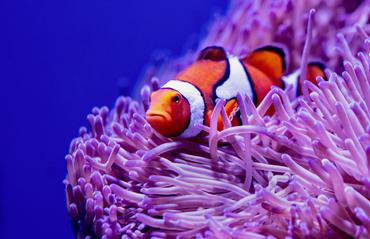
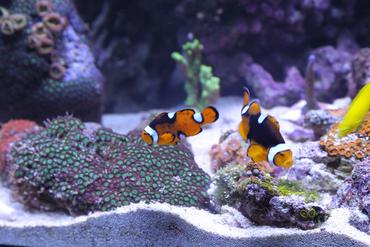
- Popular and hardy species like the Ocellaris Clownfish ( Amphiprion ocellaris ) and the Yellow Tang ( Zebrasoma flavescens ) can tolerate brief, moderate temperature swings better than deep-water or specialized species.
- However, even these resilient fish will succumb to oxygen deprivation if temperatures stay elevated for multiple days.
- When researching how to stock your tank, always look for species that share overlapping, stable temperature preferences to minimize structural vulnerability.
Delicate fish like the Blue Tang ( Paracanthurus hepatus ) are notoriously prone to developing marine ich or other external parasites when subjected to the immune-suppressing stress of an overheating tank. In a reef setting, stony corals such as Acropora species are the absolute first to suffer, often showing signs of tissue necrosis or bleaching within hours of a major heat event. In contrast, soft corals like Zoanthids and Mushroom Corals tend to show slightly higher resilience, though they will still remain tightly closed and stressed.
If you are currently in the process of setting up a new system, understanding how environmental stability protects your chemistry can help you select a balanced, hardy community capable of handling minor environmental fluctuations. Taking care to avoid common beginner mistakes, such as packing a tank with incompatible, high-stress species, ensures your ecosystem retains the biological buffer it needs to withstand sudden summer heatwaves.
Proactive Strategies and Common Pitfalls to Avoid
When it comes to managing aquarium temperatures, prevention is infinitely easier than dealing with an emergency crisis.
- One of the most common beginner mistakes is placing an aquarium in a location that receives direct sunlight for even an hour a day.
- The greenhouse effect inside a glass or acrylic tank exposed to sunlight can raise water temperatures exponentially faster than the ambient room air.
- Always position your aquarium against interior walls away from large windows, heating vents, or drafty areas.
- Furthermore, if you want to understand how your overall configuration impacts stability, taking the time to review an explicit guide on how to select the best location for your tank can ensure your hardware placement is optimized for thermal safety right from the very start.
Another dangerous pitfall is the misuse of ice packs or frozen water bottles during an emergency.
- While floating a frozen bottle of water in the sump seems like a quick fix, it often creates localized zones of extreme cold that shock any fish or coral unfortunate enough to swim or sit near it.
- If the tank temperature drops too rapidly, the sudden shift can be more damaging than the gradual heat spike itself.
- If you absolutely must use ice bottles as a final resort, place them in a high-flow area of the sump rather than the main display tank, and monitor your thermometer closely to ensure the drop does not exceed 1°F per hour.
Consistent tracking and minor, proactive adjustments are always superior to drastic, panicky interventions. To learn more about standard baseline parameters that must stay balanced during these shifts, check out our guide on salinity requirements in a saltwater aquarium to ensure your parameters remain locked in place.
Ensuring Stable Temperatures Year-Round
Protecting your saltwater aquarium from overheating is an ongoing commitment that requires a combination of smart hardware choices, regular monitoring, and a clear understanding of your livestock's biological limits. By keeping equipment clean, leveraging evaporative cooling fans, or investing in a dedicated chiller, you can insulate your piece of the ocean from the unpredictable shifts of the outside world. To continue expanding your knowledge on how to maintain pristine water quality and avoid common setup mistakes before adding life, explore our deep dive on saltwater and reef tank cycling to build a flourishing marine habitat that thrives for years to come.


MOST RECENT ARTICLES