TOP 10 NANO PREDATORS (AND HOW TO KEEP THEM PEACEFULLY)
The Evolution of the Nano Predator Trend
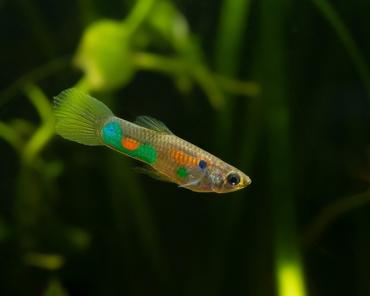
In the last decade, the aquarium hobby has seen a significant shift toward smaller, more intricate setups. As urban living spaces shrink and "high-tech" planted aquascapes become more accessible, the demand for fish that suit 10-to-20-gallon tanks has skyrocketed. However, many hobbyists quickly tire of the standard school of Neon Tetras or Guppies. They crave the personality and "pet-like" interaction often found in larger cichlids or predatory species. This is where the nano predator fills the void. These fish are typically more observant of their surroundings, often recognizing their owners and displaying complex courtship or territorial displays that far exceed the behavioral repertoire of typical community fish.
Understanding the biology of a nano predator is the first step toward successful keeping. Unlike generalist feeders, these fish have evolved specialized morphological traits: the distensible jaws of a Goby, the suction-feeding precision of a Leaf Fish, or the crushing beak of a Puffer. These tools require specific dietary inputs and environmental triggers. When we talk about keeping them "peacefully," we are referring to the mitigation of stress and the prevention of opportunistic predation on tank mates. A well-fed, well-housed predator is a manageable inhabitant; a stressed or hungry one is a liability.
The Top 10 Nano Predators for Freshwater Tanks
Selecting the right species involves balancing your aesthetic desires with your ability to provide specialized care. Here is a curated list of the most fascinating nano predators currently available to the modern hobbyist.
-
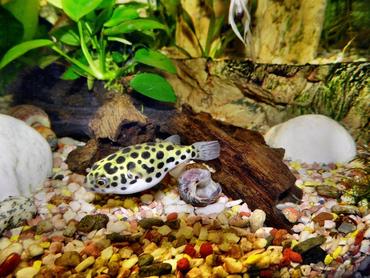
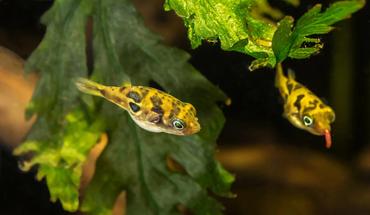
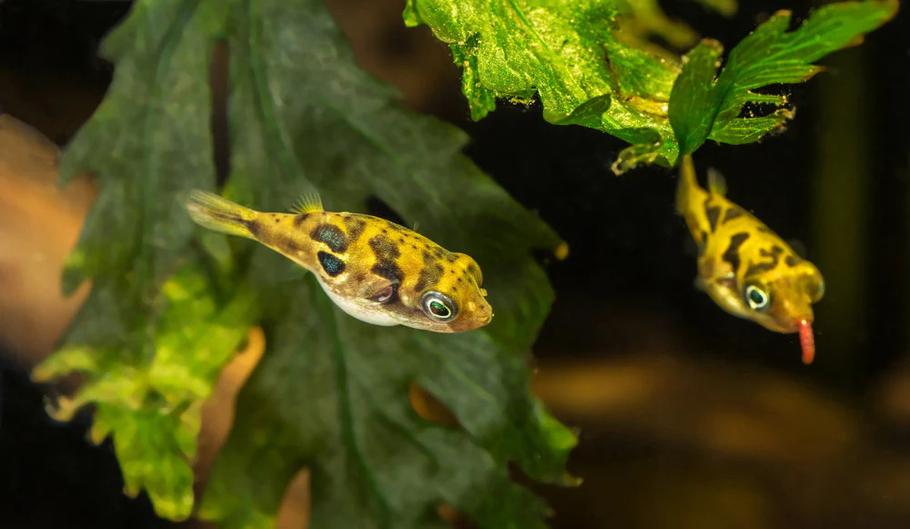
- The Dwarf Pea Puffer (Carinotetraodon travanctoricus): Often called "water puppies," these are perhaps the most popular nano predators. They are pure carnivores that hunt by sight, using their independently moving eyes to track snails and micro-crustaceans. While tiny, they are notoriously aggressive fin-nippers.
- Expert Tip: Keep them in a "heavy jungle" style planted tank to prevent them from constantly harassing one another.
-
- The Sparkling Gourami (Trichopsis pumila): While they look like shimmering jewels, these gouramis are active hunters of hydra and small shrimp. They use a unique "shooting" mechanism to stun tiny prey and are famous for the audible croaking sounds they make during social interactions.
-
- The Scarlet Badis (Dario dario): These micro-cichlid relatives are stunningly beautiful but can be incredibly shy. They are ambush predators that almost exclusively eat live foods like copepods and baby brine shrimp. They are perfect for 5-gallon high-tech planted tanks.
-
- The African Butterfly Fish (Pantodon buchholzi): A true "living fossil," this surface dweller looks like a piece of bark. It is an insectivore with a massive mouth designed to snatch flies and crickets from the surface. It requires a tight lid and calm surface water.
-
- The Black Tiger Dario (Dario sp. 'Myanmar'): Larger and more robust than the Scarlet Badis, this species is a territorial hunter that thrives in cool, oxygen-rich water. Their tiger-like stripes and aggressive posturing make them a centerpiece for any small tank.
-
- The Golden Dwarf Cichlid (Nannacara anomala): These are excellent "entry-level" predators. While peaceful toward fish they cannot eat, they are ruthless hunters of shrimp and small fry. They display incredible parental care, which is a hallmark of predatory cichlids.
-
- The Amazon Leaf Fish (Monocirrhus polyacanthus): The ultimate master of disguise. This fish mimics a dead leaf floating in the current. It is a specialized predator that can swallow fish nearly its own length. This species is for the advanced keeper who can provide a steady supply of live feeder fish.
-
- The Desert Goby (Chlamogobius eremius): Hailing from the harsh Australian outback, these gobies are incredibly hardy. They are opportunistic predators with large mouths and even larger personalities, often "hopping" across the substrate to investigate anything that moves.
-
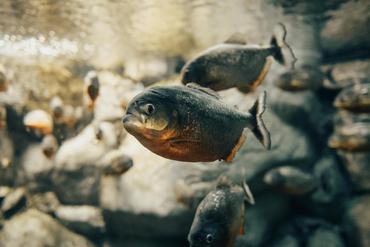
- The Bucktooth Tetra (Exodon paradoxus): If you want a "mini piranha" experience, this is it. They are incredibly fast, sleek, and hunt in packs. They are scale-eaters by nature, so they are best kept in a species-only group of 12 or more to disperse their high energy.
-
- The Freshwater Pom Pom Crab (Eriocheir sinensis - Nano Variant): While not a fish, this predatory crustacean is a fascinating addition. It uses fuzzy patches on its claws to trap microorganisms and will hunt small snails or weak fry, acting as a "clean-up crew" with an edge.
Before introducing these specialized species, it is vital to have a rock-solid understanding of water parameters. Predatory fish often produce more waste due to their high-protein diets. We highly recommend reading our guide on the nitrogen cycle and your aquarium to ensure your biological filtration can handle the load.
The Architecture of Aggression: Designing the Layout
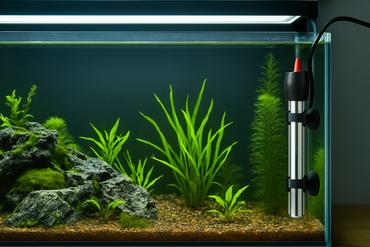
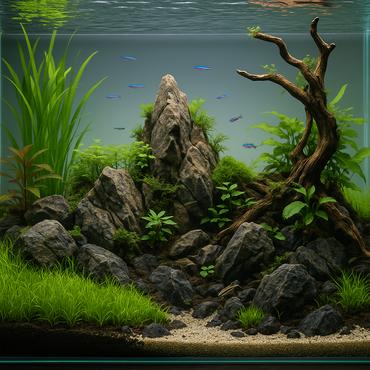
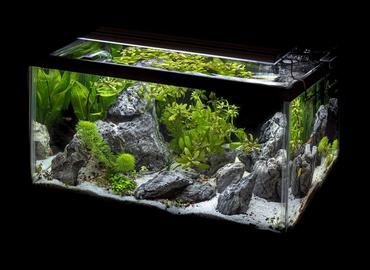
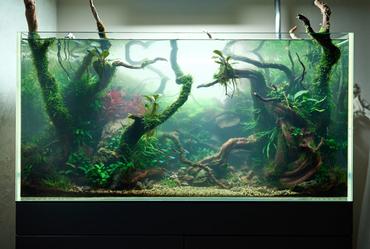
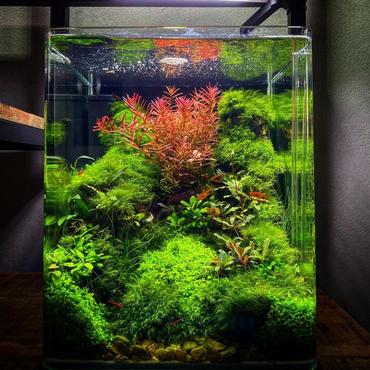
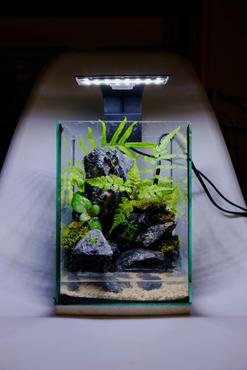
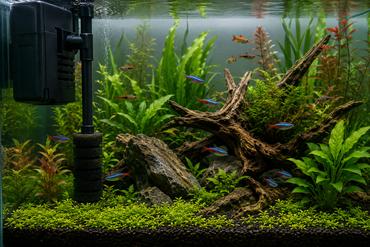
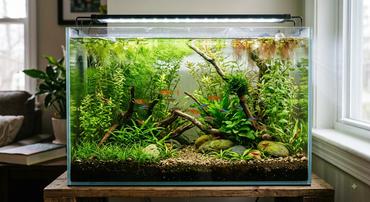
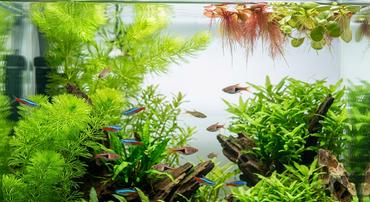
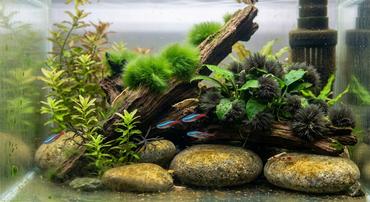
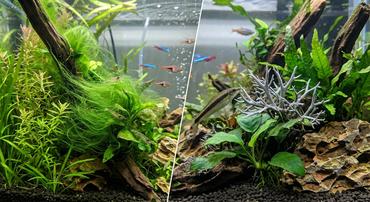
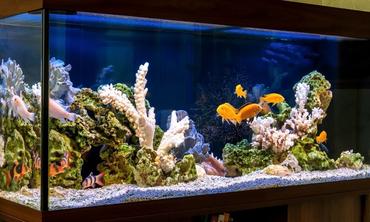
In a standard community tank, fish swim in open water. In a nano predator tank, the "open water" is a danger zone. To keep these fish peacefully, you must think like an architect. The goal is to maximize the surface area of the tank's interior without making it look cluttered.
Breaking Lines of Sight
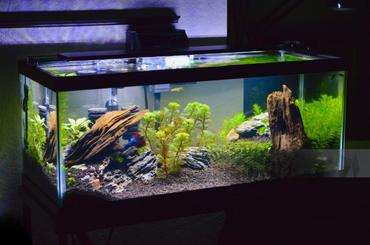
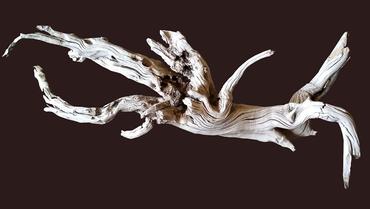
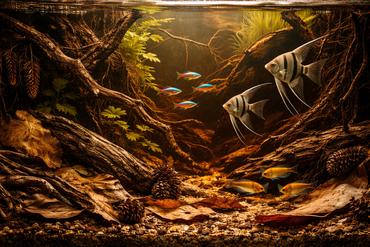
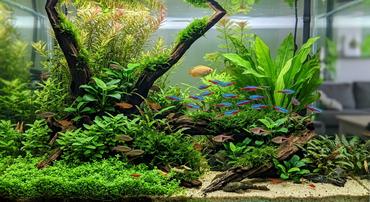
Most nano predators are territorial. If a dominant male can see a rival from across the tank, he will spend his entire day attacking the glass or his tank mate. By using "hardscape" (driftwood, dragon stone, or seiryu stone) to create vertical barriers, you effectively divide one 20-gallon tank into five or six smaller "neighborhoods." This allows multiple predators to coexist because they aren't constantly forced into visual contact.
The Role of "Dither Fish"
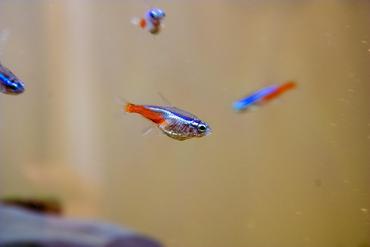
Ironically, one of the best ways to keep predators peaceful is to add "dither fish." These are fast-moving, non-aggressive schooling fish like Celestial Pearl Danios or Ember Tetras. Their presence in the upper water column signals to the predators that there are no "mega-predators" nearby, which reduces their stress and makes them feel safe enough to come out of hiding. However, you must ensure the dither fish are too fast or too large to be eaten.
Substrate and Micro-Ecosystems
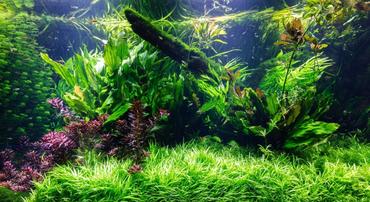
Many nano predators, such as the Scarlet Badis, hunt the "micro-fauna" living in the substrate and moss. By using a specialized soil and including a heavy layer of leaf litter (like Indian Almond Leaves), you encourage the growth of infusoria and copepods. This provides your predators with "passive food," which keeps their hunting instincts occupied throughout the day, reducing the likelihood that they will turn their attention to their tank mates.
Managing the nutrient levels in such a densely packed environment can be tricky. For more on maintaining the aesthetic balance of your tank, see our article on how to control algae growth in your aquarium.
Advanced Feeding Strategies for High-Octane Hunters
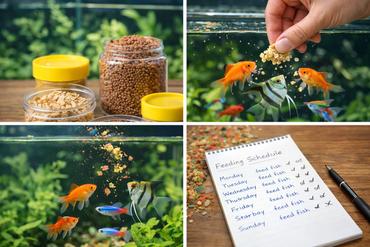
You cannot keep a predator healthy on a diet of flakes. Their digestive tracts are short and designed to process proteins and fats rapidly. To keep them "peaceful," you must keep them satiated. A hungry predator is an aggressive predator.
- The Live Food Culture: For many nano predators, the movement of the prey is what triggers the "strike" response. Keeping cultures of Grindal worms, Vinegar eels, or Wingless Fruit Flies is often a requirement rather than an option.
- Frozen Rotation: Frozen bloodworms, Mysis shrimp, and Cyclops are excellent staples. However, avoid feeding only one type of food. Nutritional deficiencies can lead to "Hole-in-the-Head" disease or stunted growth, especially in dwarf cichlids.
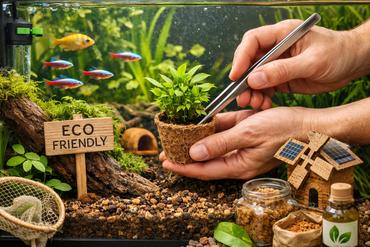
- Target Feeding: In a community setup, use a turkey baster or long aquascaping tweezers to deliver food directly to the predator. This ensures they get their fill without having to compete with faster, more "greedy" community fish.
One common beginner mistake is overfeeding. While these fish need protein, their small stomachs can only handle so much. Rotting meat-based food will foul the water much faster than plant-based flakes. Performing 25-30% weekly water changes is mandatory to keep nitrate levels below 20ppm.
Compatibility: The "Mouth-Sizing" Rule
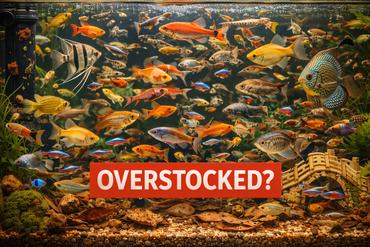
Compatibility in a nano predator tank is a game of geometry. The most important rule in the hobby is: If a fish can fit another fish in its mouth, it eventually will.
When selecting tank mates for your nano predators, consider these categories:
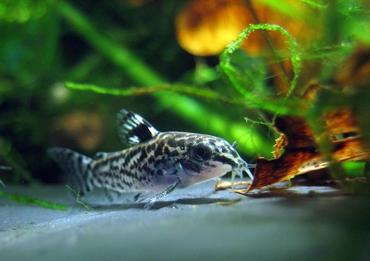
- Armored Tank Mates: Fish like Otocinclus Catfish or small Corydoras have bony plates and spines. Most nano predators will leave them alone after one or two unsuccessful attempts at nipping.
- Fast Schoolers: Rummy Nose Tetras or Harlequin Rasboras are often too quick for ambush predators like the Leaf Fish or the Badis.
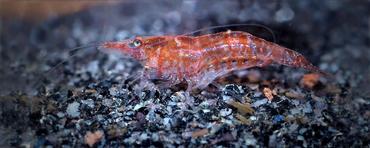
- Invertebrate Caution: If you value your Cherry Shrimp colony, do not add nano predators. Even the "peaceful" Sparkling Gourami will hunt shrimp shrimplets with surgical precision. If you must have invertebrates, look into larger Amano Shrimp, which are usually too big to be bothered.
Common Challenges and How to Overcome Them
Keeping nano predators is not without its hurdles. Many of these fish are wild-caught or come from specialized breeders, meaning they are less "bulletproof" than your average Danio.
1. Internal Parasites
Since many nano predators eat live foods or are wild-sourced, they are highly susceptible to internal parasites. A tell-tale sign is a "sunken belly" even when the fish is eating well. It is wise to quarantine new arrivals and treat them with a general dewormer before adding them to your main display.
2. Specific Water Chemistry
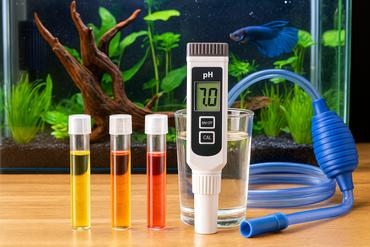
Some predators, like the Chocolate Gourami or certain Badis species, require very soft, acidic water (pH 5.5 to 6.5). If your tap water is liquid rock (high pH/KH), you may need to invest in a Reverse Osmosis (RO) system to keep these sensitive hunters alive and vibrant.
3. Intraspecies Aggression
Sometimes the predator's worst enemy is its own kind. In small tanks, a dominant male may harass a female to death. Always research the specific "M:F" (Male to Female) ratio for your species. For Pea Puffers, a ratio of 1 male to 3 females is usually recommended to distribute aggression.
Technical Checklist for a Nano Predator Setup
To ensure your success, cross-reference your setup with this technical checklist:
| Component | Requirement |
|---|---|
| Filtration | Oversized (e.g., a filter rated for 30 gallons on a 20-gallon tank) |
| Lighting | Moderate to Low (Predators prefer dim environments) |
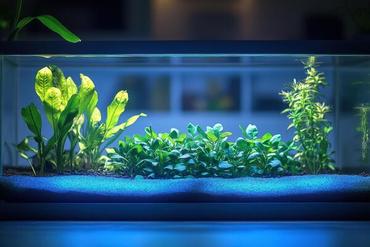
| Plants | Heavy coverage (Anubias, Java Fern, Cryptocoryne) |
| Water Flow | Low to Moderate (Most nano predators inhabit slow-moving water) |
| Cover | Tight-fitting lid (Many are jumpers when hunting surface insects) |
Summary and Final Takeaway
Successfully keeping nano predators is a badge of honor for any hobbyist. It represents a transition from "keeping fish" to "maintaining an ecosystem." These tiny titans require more effort—specialized diets, intentional aquascaping, and vigilant water quality monitoring—but the payoff is a level of engagement and beauty that few other fish can provide. By choosing the right species, like the intelligent Pea Puffer or the camouflaged Leaf Fish, and providing them with a "complex" home that breaks lines of sight, you can witness the majesty of nature's hunters right on your desk.
Take the Next Step
Ready to start your own micro-wilderness? Start by selecting one of the species mentioned above and researching its specific water requirements. If you have questions about setting up your first predatory tank or want to share your success stories, join our community forums or check out our latest gallery of high-tech nano tanks for inspiration. Your journey into the world of the nano predator starts with a single, well-placed piece of driftwood and a passion for the hunt!
MOST RECENT ARTICLES