FATHER FISH–STYLE NATURAL AQUARIUMS: WHAT BEGINNERS SHOULD KNOW
Section 1: What Is a Father Fish–Style Natural Aquarium?
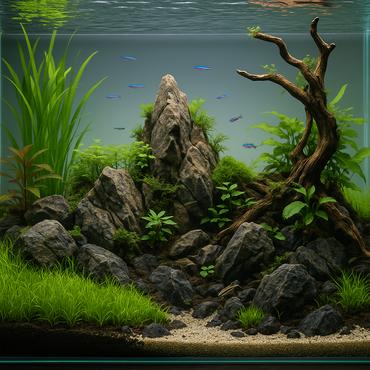
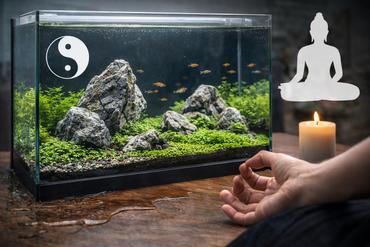
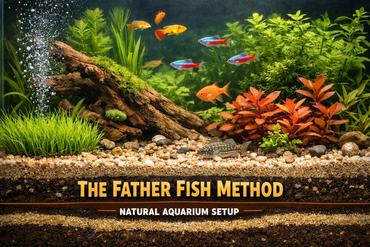
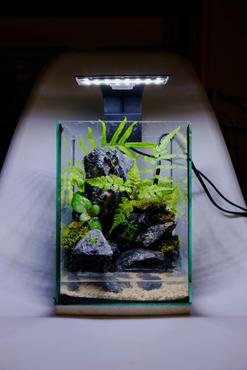
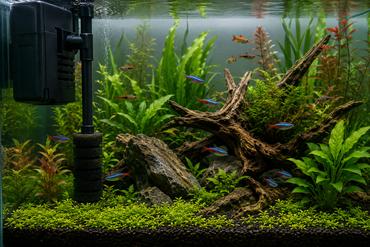
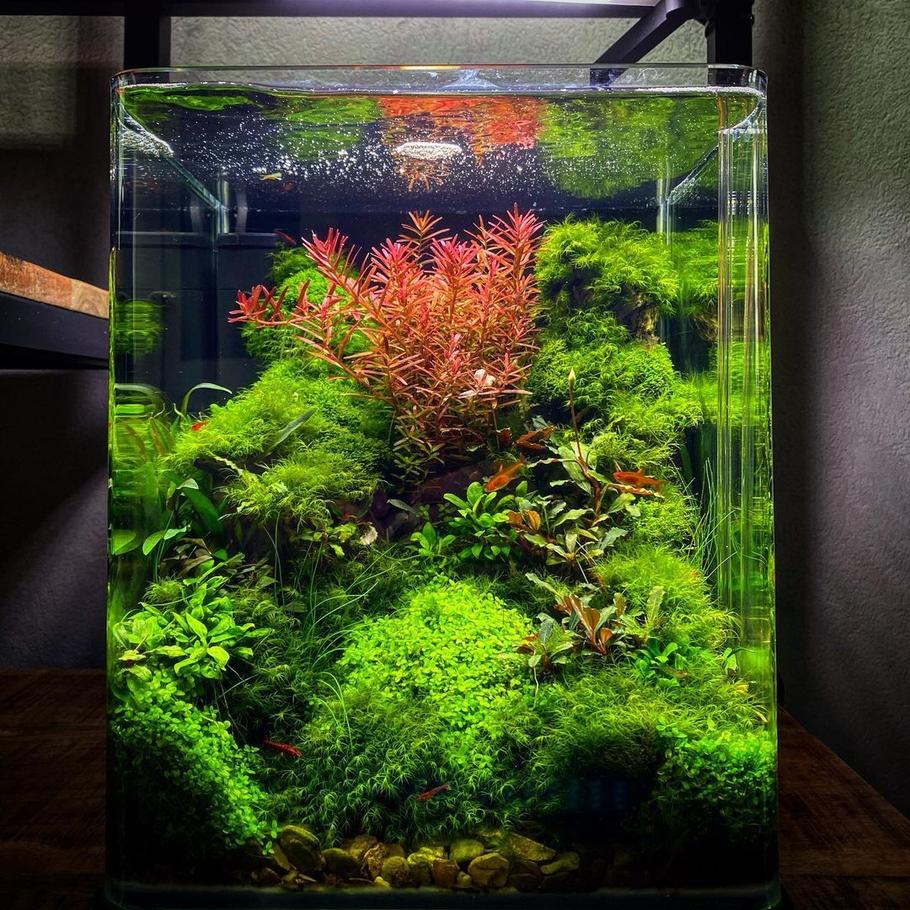
A natural aquarium in this style is designed around a living substrate and a planted layout, with the goal of creating a small, stable food web. Instead of treating detritus as something to eliminate on sight, you accept that decomposing plant matter and a thin layer of mulm can become habitat for microbes and microfauna. Those organisms help convert waste into forms plants can use, and they become snacks for fish and shrimp.
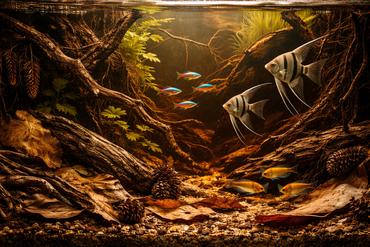
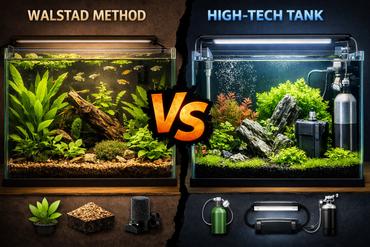
The method does not require abandoning equipment; it simply prioritizes consistency over intensity. Filtration is usually gentle, with enough flow to circulate oxygen but not so much that every particle is kept in suspension. Many tanks use a sponge filter or a moderate hang-on-back filter, plus steady heat and a light that matches the plants you chose. The tank is expected to look more like a slice of nature than a polished showroom, especially as leaves age and biofilm develops.
Most importantly, this approach assumes that stability comes from time. Plants need weeks to root and begin meaningful nutrient uptake. Bacteria need surfaces and steady feeding to establish. If you rush stocking or keep redesigning the layout, you interrupt the very processes you are trying to build.
Section 2: Why Natural Aquariums Appeal to Beginners
Natural aquariums appeal to beginners because they give you several safety nets at once. Plants soften minor nutrient spikes, reduce glare, and offer cover that lowers fish stress. A tank with cover often shows better behavior: schooling fish group more tightly, shy species hide less, and livebearers graze constantly instead of pacing the glass.
The approach can also feel less intimidating than a gear-heavy setup. You can succeed with a simple heater, dependable filter, and a reasonable light, as long as you choose plants that match that light. Beginners who dislike chasing “perfect numbers” often enjoy focusing on trends: are plants growing, is algae spreading, are fish eating and breathing normally, and is the water clear enough to see the back panel?
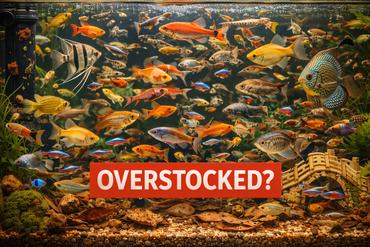
There are realistic downsides, and acknowledging them helps avoid disappointment. Natural tanks can look messy during the break-in phase. Leaf litter can tint water, and early algae is common. Also, a biologically rich tank can hide overfeeding for a while, which tempts beginners to push stocking too quickly. The method is forgiving, but not limitless.
Section 3: Key Components of a Natural Aquarium Setup
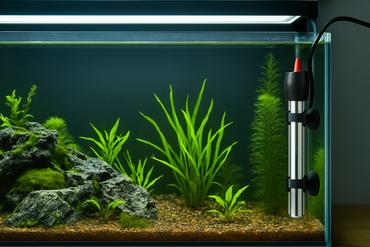
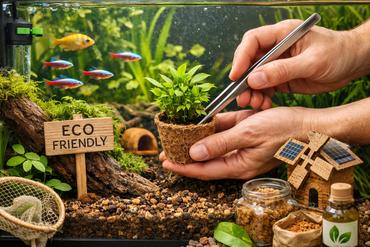
Start from the bottom. A substrate that supports roots and bacteria is central to this style. Many hobbyists use a nutrient-rich base capped with fine gravel or sand. The cap helps keep organics in place and gives rooted plants a stable anchor. If you use inert sand alone, plan to supplement heavy root feeders with root tabs or a richer soil pocket.
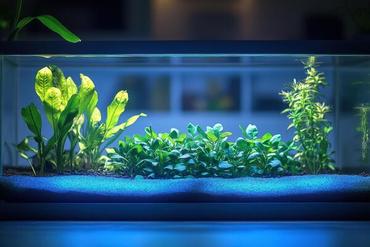
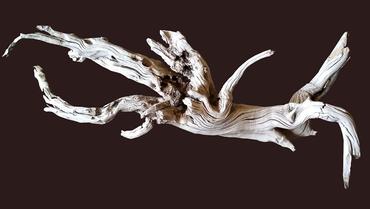
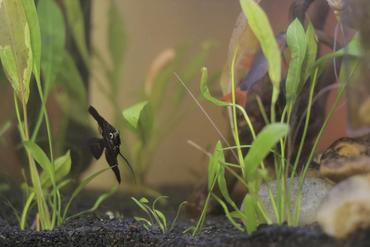
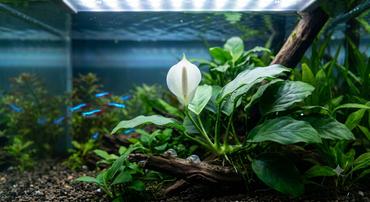
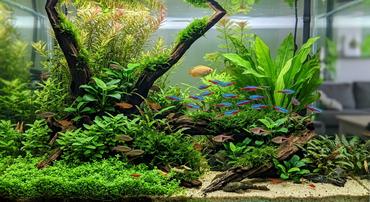
Plant mass is the next priority. Include fast growers for the first months—stem plants, water sprite, hornwort, or floaters—then add slower plants for structure. Hardscape is not just decoration; wood and rock provide biofilm surface, create shade, and break lines of sight so timid fish feel secure.
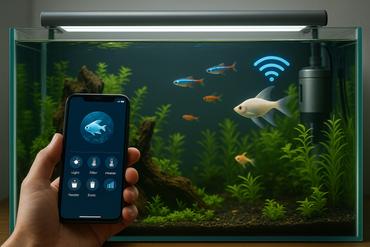
Keep equipment modest and predictable. Strong light without enough plants invites algae, and high flow can stress fish that prefer calmer water. A gentle filter and stable aeration are usually enough, and you can add a small powerhead only if you see dead spots or surface film.
- Choose a substrate that can feed plants for months, not days
- Plant heavily from the start, especially with fast growers
- Use hardscape to create shade and hiding zones
- Match light and flow to the plants and fish you keep
Section 4: Fish and Livestock That Work Best
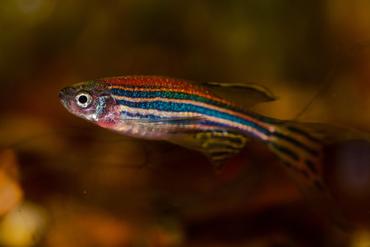
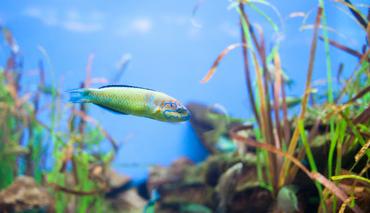
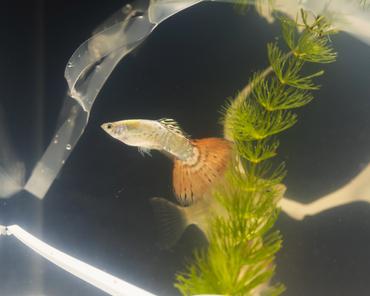
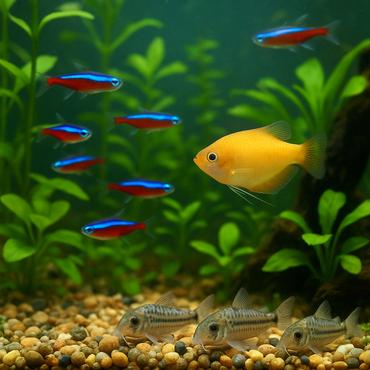
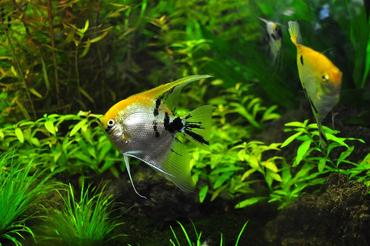
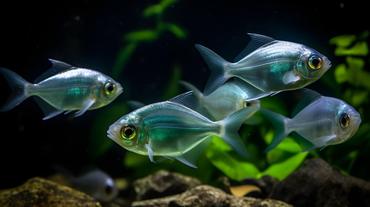
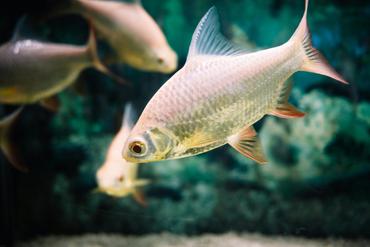
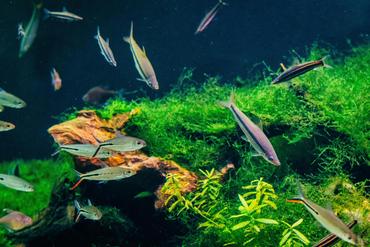
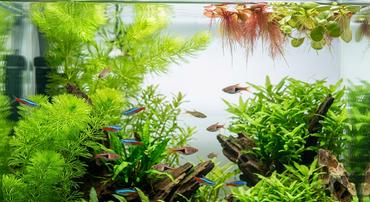
Pick livestock that benefits from cover and tolerates normal beginner variability. Small community fish are usually the easiest: danios, rasboras, many tetras, and peaceful livebearers often thrive in planted tanks with gentle flow. If you want a short list of reliable starters, browse our beginner freshwater fish recommendations and build around one temperature range.
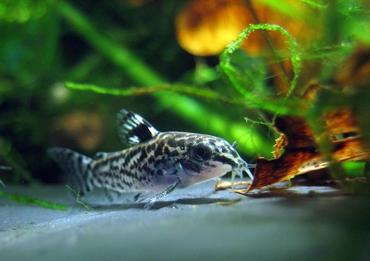
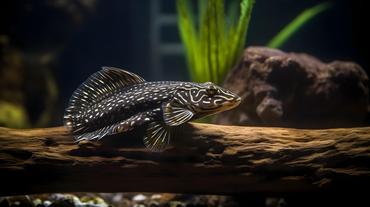
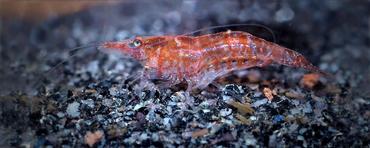
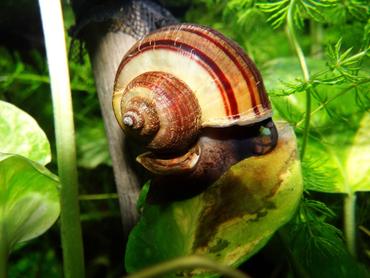
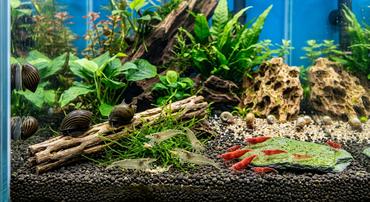
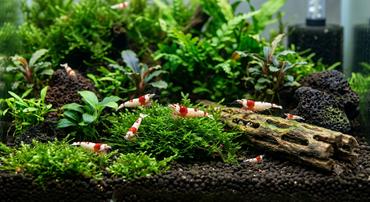
Bottom dwellers can work well if the substrate suits them. Corydoras generally prefer smooth sand for their barbels, while kuhli loaches need caves and stable water quality. Shrimp and snails often do well because a mature tank produces biofilm to graze, but remember they add bioload and can be sensitive to medications, especially anything containing copper.
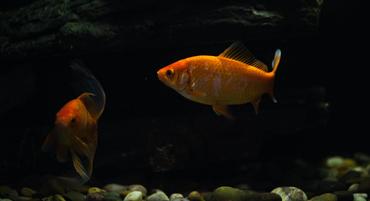
Avoid fish that constantly uproot plants or overwhelm the system with waste. Large goldfish, big cichlids, and many monster catfish can turn a natural layout into a perpetual rebuild. For beginners, smaller fish stocked lightly tend to deliver the “natural” experience you were hoping for: calm movement, browsing, and lots of visible behavior.
Section 5: Compatibility and Care Considerations
A natural aquarium does not change the fundamentals of compatibility. Plants cannot prevent bullying, and a deep substrate cannot fix fish that need different temperatures or water hardness. If you are mixing species, choose fish with similar needs and respect social rules like minimum school sizes. When in doubt, check a dependable reference such as our community fish compatibility guide before you buy.
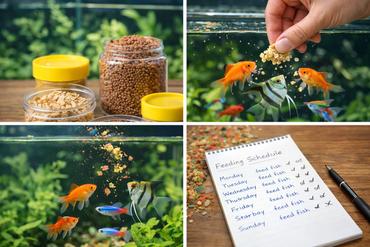
Feeding is where this style can quietly go wrong. Because you may see shrimp, worms, or tiny crustaceans, it is easy to assume fish can live off “natural food” alone. Most aquarium fish still need regular meals, just not oversized ones. A useful target is to feed amounts that are gone in a couple of minutes, then reassess. If you want a simple rhythm, follow the principles in our guide to how often to feed aquarium fish and adjust based on body condition and waste.
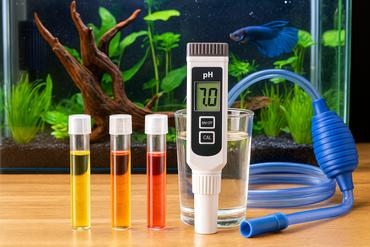
Maintenance remains part of the plan. Many natural keepers do smaller, steadier water changes to control dissolved organics and keep minerals from drifting. Watch the fish first: rapid breathing, clamped fins, or unusual hiding are stronger signals than a single test strip. If you must vacuum, do it lightly and in sections so you do not disrupt the whole substrate at once.
Section 6: Common Beginner Mistakes With Natural Aquariums
The most common mistake is rushing the early phase. A planted substrate helps, but it does not eliminate cycling. If you add a full community at once, you can still overwhelm new bacteria and end up with cloudy water and stressed fish. Stock slowly, and treat the first month as a test run.
Another mistake is underplanting. Many beginners choose only slow growers because they are labeled “easy,” then wonder why algae takes over. Easy does not always mean fast, and speed matters when the tank is young. Add floating plants or quick stems early, then remove extras later if you dislike the look.
Beginners also misread detritus. A little mulm in quiet corners can be normal, but uneaten food is not. If you see food settling every feeding, feed less and improve circulation instead of adding cleaners or chemicals. Finally, avoid constant deep cleaning. Replacing all filter media or scrubbing every surface can reset the biology you are relying on.
- Adding fish before bacteria and plants have time to mature
- Using too few plants, or only slow growers, at the beginning
- Overfeeding and assuming the tank will “self correct”
- Deep-cleaning the filter and substrate so often that stability never forms
Conclusion + Real-World Examples
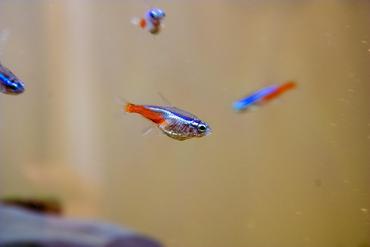
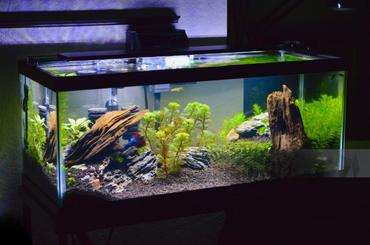
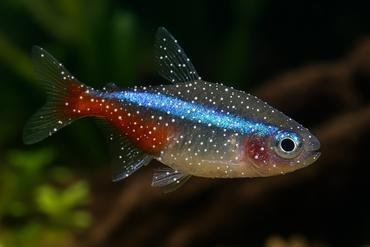
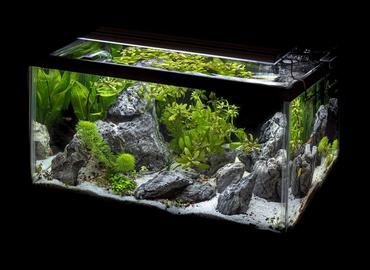
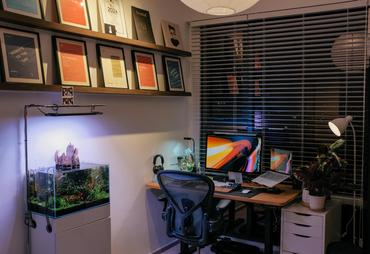
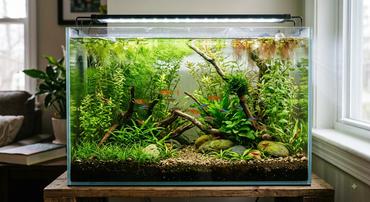
A natural aquarium succeeds when you treat it like an ecosystem you guide, not a machine you constantly reset. One practical example is a 20-gallon long with a capped substrate, driftwood, and a heavy start of water sprite, crypts, and floating salvinia. The keeper runs a sponge filter, keeps the light moderate, and does small weekly water changes. After cycling, they add a group of ember tetras, then a small group of Corydoras a few weeks later. Early on, the glass needs frequent wiping and plant leaves melt. By month two, new growth appears, algae slows, and fish begin using every level of the tank.
Contrast that with a common “natural” failure: a new 10-gallon with bright high-output lighting, minimal planting, and a deep gravel bed that traps food. The owner adds fish immediately because the water is clear, then feeds generously. Within days, algae blooms and the filter clogs. In response, they scrub the tank spotless, replace all media, and do huge swings in fertilizer and light. The system never stabilizes because it is constantly restarted.
If you want real-world realism, plan for a learning curve. Natural tanks are not inherently cheaper, because plants and good substrate cost money up front. They are not maintenance-free, because water changes and trimming still happen. What they can offer is a steadier, more observable path to a healthy aquarium, especially if you like watching subtle changes over time. Start with a reasonable tank size, plant more than you think you need, stock lightly, and change only one thing at a time. That slow, calm approach is what turns “natural” from a slogan into a stable home for fish.
A final reality check: some tanks simply take longer, and that is normal. If the water stays hazy after a week, first confirm you are not overfeeding and that the filter is moving water across the surface. If you notice a swampy odor, remove decaying leaves, increase aeration, and do a small water change rather than tearing the tank down. When plants stall, look at basics before buying new additives: is the light on too long, are you missing potassium or iron, or are the roots struggling in compacted substrate? Keep notes, take photos, and compare progress month to month. The calm, incremental troubleshooting mindset is the real skill this style teaches, and it carries over to every aquarium you keep. In time, tank will look lived-in, not neglected.
MOST RECENT ARTICLES