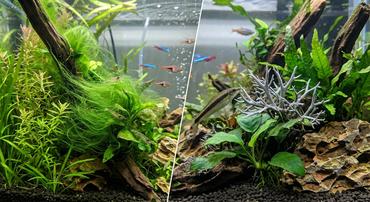
CREATIVE HACKS TO KEEP YOUR AQUARIUM CLEAN

Creative hacks to keep your aquarium clean
Let’s be honest: while we all love the tranquil beauty of a thriving underwater ecosystem, very few of us actually enjoy the back-breaking labor of scrubbing algae at 10:00 PM on a Sunday. Maintaining a crystal-clear aquarium is often the biggest hurdle for beginner and intermediate hobbyists, leading many to feel like they are fighting a losing battle against murky water and stubborn grime. However, the secret to a pristine tank isn’t necessarily working harder; it’s working smarter by leveraging biological processes, mechanical shortcuts, and a few clever DIY "hacks" that the pros use to keep their displays museum-quality. Whether you are struggling with a persistent green film on the glass or debris that refuses to stay in the filter, these creative strategies will help you reduce your maintenance time by half. By shifting your approach from reactive cleaning to proactive management, you can transform your aquarium from a high-maintenance chore into a self-sustaining work of art that stays clear with minimal intervention.

The Biological Cleanup Crew: Nature’s Tiny Janitors

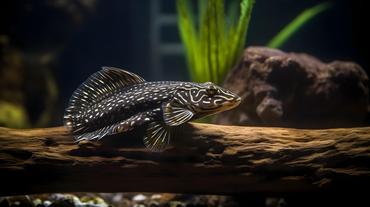
One of the most effective "hacks" for a clean tank is to stop trying to do all the work yourself. In a balanced ecosystem, specific fish and invertebrates fill the niche of scavengers, consuming the very things that make your tank look dirty: uneaten food, decaying plant matter, and algae. For freshwater enthusiasts, the Otocinclus Catfish is a legendary glass-cleaning specialist. These tiny catfish are tireless workers that focus almost exclusively on soft green film and diatoms. If you have a larger tank, the Bristlenose Pleco is a hardy alternative that won't grow to the gargantuan, tank-shattering proportions of the Common Pleco. Their specialized mouthparts act like organic sandpaper, keeping driftwood and ornaments free of fuzz.

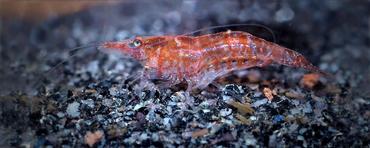
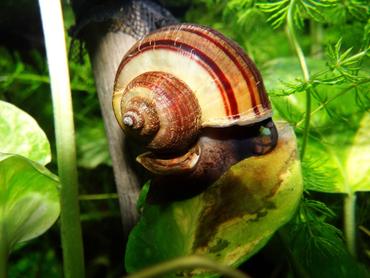
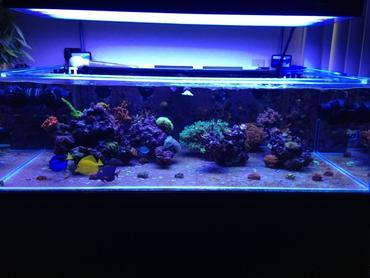
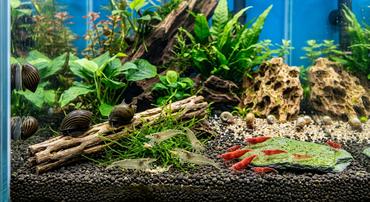
Don't overlook the power of invertebrates. In the freshwater world, Amano Shrimp are the gold standard for controlling hair algae, while Nerite Snails are famous for devouring the tough green spot algae that most fish ignore. In saltwater systems, a diverse "Cleanup Crew" (CUC) is mandatory. Blue-legged Hermit Crabs act as the "trash collectors" for the substrate, while Emerald Crabs are often recruited to handle bubble algae. By carefully selecting a mixture of these species, you create a multi-layered defense against filth. However, adding these animals isn't a "set and forget" solution; you must first ensure the process of cycling a fish tank is fully established, as these scavengers are often more sensitive to ammonia spikes than the fish they live with.

  • Otocinclus Catfish: Best for soft green algae and diatoms in planted tanks.
  • Nerite Snails: Excellent for cleaning glass and hard surfaces without overpopulating.
  • Amano Shrimp: The ultimate weapon against stringy hair algae.
  • Bristlenose Pleco: A manageable, hardy scavenger for medium to large setups.
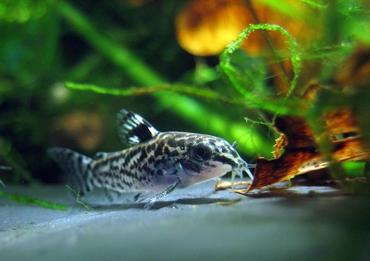
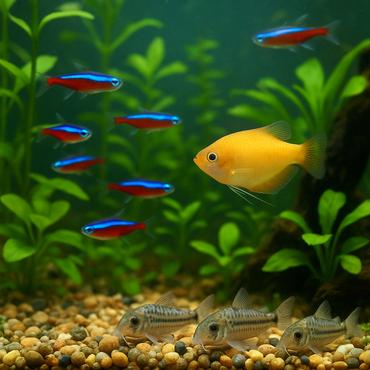
  • Corydoras Catfish: Perfect for sifting through sand to find buried uneaten food.

Substrate Hacks: The Secret to Debris-Free Sand

The substrate is often the "sewer" of the aquarium, where fish waste and uneaten pellets settle and rot. A creative hack to keep this area clean is the implementation of "Targeted Flow." By positioning your internal powerheads or filter outflows toward the bottom (but not so low that they kick up sand), you create a gentle current that keeps detritus suspended in the water column. When waste stays suspended, it eventually gets sucked into the filter intake rather than sinking into the sand. This significantly reduces the amount of gravel vacuuming required during your weekly water change. For those with sand beds, using a "turkey baster" to gently puff air or water over the surface before a cleaning session can kick up hidden pockets of waste for easy removal.

Another game-changing hack is the "Feeding Ring." Much of the mess in an aquarium comes from floating flakes or pellets drifting into hard-to-reach corners or behind rockwork where they decay. A simple, inexpensive floating ring keeps the food in one spot. Your fish quickly learn where the "cafeteria" is, and any uneaten food remains in a small, manageable area where it can be easily siphoned out. This prevents the widespread nutrient spikes that fuel algae outbreaks. Keeping these nutrients in check is vital, as the dangers of high ammonia, nitrite and nitrate often stem from food rotting in the "dead zones" of your substrate.

For intermediate hobbyists, the "Deep Sand Bed" (DSB) method can be a creative way to handle waste biologically. By maintaining a sand bed of 3 to 4 inches, you allow anaerobic bacteria to colonize the lower layers. These bacteria convert nitrates into nitrogen gas, which then bubbles harmlessly out of the tank. While this requires careful setup and the use of "sand-sifting" species like Malaysian Trumpet Snails or Diamond Gobies to prevent toxic gas pockets, it is a brilliant way to let nature handle the chemical cleaning of your water.

Mechanical Filtration Shortcuts and DIY Fixes

If your water looks "cloudy" with tiny floating particles, your mechanical filtration might need a hack. Most standard filter cartridges are too coarse to catch the finest dust. The pro hack here is "Filter Floss." Adding a layer of dense, 100% polyester batting (the kind used for stuffing pillows, as long as it is flame-retardant-free and chemical-free) into your filter will polish the water to a high shine. This material is so fine it catches particles invisible to the naked eye. The best part? It’s incredibly cheap, meaning you can toss the dirty wad and replace it every few days without breaking the bank.

For those with Hang-On-Back (HOB) filters, a common issue is "bypass," where water flows around the media instead of through it. You can hack your filter by using plastic mesh or craft foam to create custom baffles that force every drop of water through your sponges and chemical media. Additionally, the "Pre-Filter Sponge" is a must-have hack. By sliding a simple sponge over your filter’s intake tube, you prevent large leaves and small fish from getting sucked in, and you provide a massive extra surface area for beneficial bacteria. It’s much easier to squeeze out a pre-filter sponge during a water change than it is to take apart the entire filter housing.

  • Polyester Filter Floss: Polishes water to crystal clarity by catching micro-particles.
  • Pre-Filter Sponges: Keeps the main filter cleaner for longer and protects fry.
  • Custom Baffles: Maximizes the efficiency of HOB and canister filters.
  • Purigen: A synthetic adsorbent that removes organic waste before it turns into nitrate.
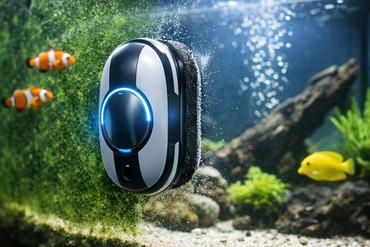
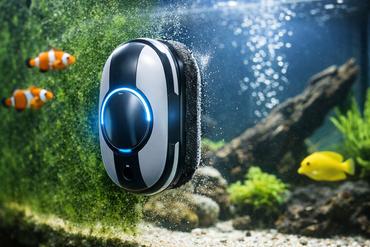
  • Magnetic Scrapers: Use them daily for 30 seconds to prevent algae from ever bonding to the glass.

Algae Management: Lighting and Nutrient Hacks

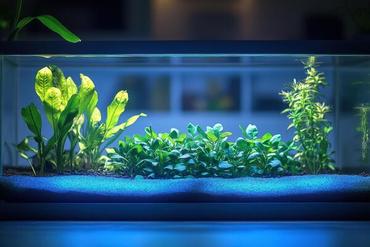
Algae is an opportunistic squatter that moves in when there is too much light and too many nutrients. The most effective hack for algae control is the "Siesta Regimen." Instead of running your lights for 8 hours straight, use a digital timer to run them for 4 hours in the morning, turn them off for 2 hours midday, and run them for another 4 hours in the evening. Plants can easily handle this "siesta," but algae—which thrives on consistent, uninterrupted light—is significantly hindered. This simple adjustment can stop a green water outbreak in its tracks without the use of expensive UV sterilizers.

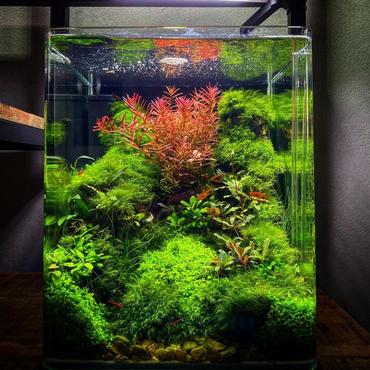
Another creative way to "clean" the water is through "Phyto-Remediation," or using fast-growing plants to outcompete algae. Floating plants like Duckweed, Salvinia, or Frogbit act like biological sponges, sucking up massive amounts of nitrates and phosphates. Because they have access to atmospheric CO2, they grow much faster than submerged plants and "starve" the algae. The hack here is to regularly "harvest" half of the floating plants and throw them away (or compost them). By removing the plants, you are physically removing the nitrates they absorbed from the tank. It is essentially a "solid" water change.

If you are dealing with Black Beard Algae (BBA) on ornaments, a "Hydrogen Peroxide Spot Treatment" is a powerful tool. Using a syringe, you can squirt small amounts of standard 3% hydrogen peroxide directly onto the algae while the filter is off. The peroxide oxidizes the algae, killing it almost instantly, and then breaks down into harmless water and oxygen. Within a few days, the BBA will turn red or pink and be eaten by your shrimp or fish. This is a surgical strike compared to the "carpet bombing" effect of commercial algaecides.

Compatibility and Care: Balancing the Cleanup Crew

When implementing these hacks, especially the biological ones, you must consider the long-term health and social dynamics of your tank. A common beginner mistake is adding a "cleanup" fish that isn't compatible with the current inhabitants. For example, adding a school of delicate Otocinclus to a tank with aggressive Cichlids will result in a tragedy. Always refer to the basics of freshwater fish compatibility before making a purchase. Your cleanup crew members are living animals, not just tools, and they have their own environmental needs.

Furthermore, you must ensure that your "clean" tank doesn't become "starved." If your Otocinclus or Snails do their job too well, they will run out of natural algae to eat. You must supplement their diet with algae wafers or blanched vegetables like zucchini. A hungry pleco, for instance, may start rasping on the sides of flat-bodied fish (like Discus or Goldfish) to eat their slime coat if it isn't getting enough nutrition from the tank surfaces. Keeping a balance between a clean tank and a well-fed crew is the mark of an intermediate hobbyist.

Temperature and water chemistry also play a role. Many invertebrates like Nerite snails need a specific amount of calcium in the water to maintain their shells. If your water is too soft or acidic, their shells will begin to pit and dissolve. Similarly, many shrimp are highly sensitive to copper, which is a common ingredient in many fish medications. If you have to treat your fish for a disease, you must move your "cleaners" to a separate tank or find an invertebrate-safe medication. Protecting your biological cleaners is just as important as protecting your centerpiece fish.

  • Supplemental Feeding: Give algae wafers at night when the lights are off.
  • Check Calcium Levels: Vital for the shell health of snails and the molting of shrimp.
  • Avoid Copper: Never use copper-based medications in a tank with invertebrates.
  • Quarantine New Cleaners: Scavengers can carry parasites just like any other fish.
  • Size Matching: Ensure your scavengers are large enough not to be eaten by your centerpiece fish.

The "Low-Maintenance" Setup Hack

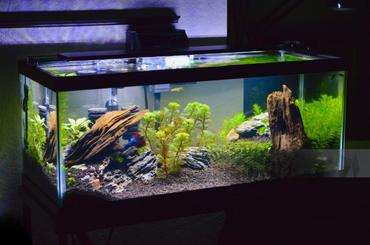
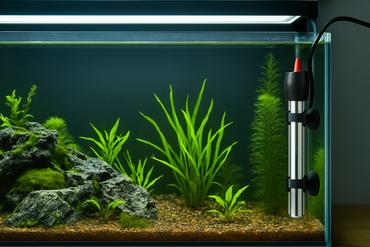
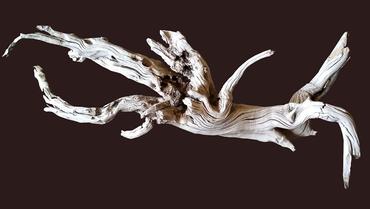
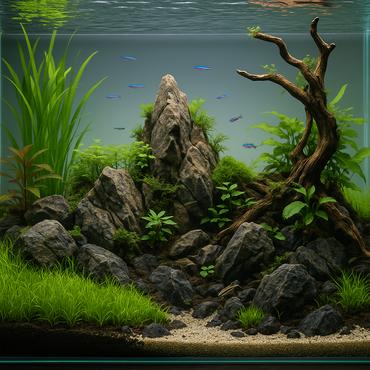
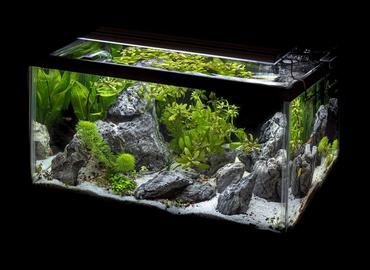
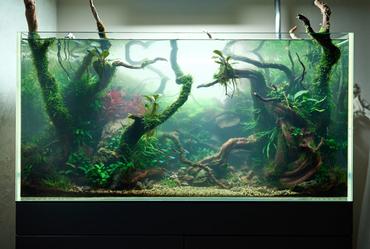
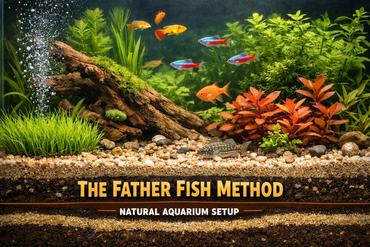
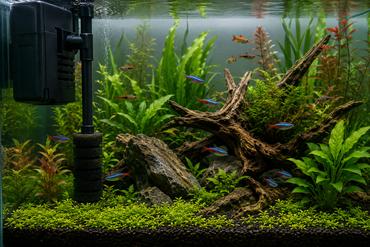
If you are truly looking for a hack to keep your tank clean, look at your aquascaping. A "High-Flow, Low-Decor" setup is much easier to maintain than a tank packed with intricate plastic castles and artificial plants. Plastic decorations have countless nooks and crannies where waste can hide and rot. By switching to natural smooth rocks and driftwood, you make it easier for your cleanup crew to do their job and easier for you to siphon the substrate. Natural driftwood also releases tannins, which have mild antibacterial properties that can help keep the water "cleaner" on a microscopic level.

For those who hate cleaning the glass, the "Background Hack" is a lifesaver. By painting the back of your tank black or using a dark blue vinyl background, you make small amounts of algae and debris nearly invisible. This doesn't mean you don't have to clean, but it prevents the tank from looking "messy" between maintenance sessions. Additionally, dark backgrounds make the colors of your fish and plants pop, creating a more professional look with zero extra effort.

Finally, consider the "Automatic Top-Off" (ATO) hack for saltwater or high-evaporation freshwater tanks. Evaporation leaves behind minerals and salts, which can create a "crust" at the waterline. An ATO keeps the water level perfectly consistent, preventing the dreaded "hard water ring" from forming on your glass. This keeps the tank looking full and pristine while also stabilizing the salinity for your sensitive inhabitants. These small automated steps are what allow advanced hobbyists to keep dozens of tanks without spending their entire life with their arms in the water.

Takeaway: Work With Your Tank, Not Against It

Keeping an aquarium clean is less about brute force and more about understanding the biological and mechanical forces at play. By enlisting a specialized cleanup crew, optimizing your filter with fine floss, and managing your light cycles, you can create a system that largely maintains itself. Remember that a "perfectly" clean tank—one that is sterile and devoid of any algae—is often an unhealthy tank. A little bit of green is a sign of a functioning ecosystem. Your goal should be "managed cleanliness," where the waste is processed efficiently and the glass stays clear enough for you to enjoy the view. Embrace these hacks, stay consistent with your weekly check-ups, and you'll find that the hobby becomes much more relaxing and much less of a chore. Ready to upgrade your maintenance game? Explore our equipment reviews at RateMyFishTank.com and find the best tools to help you keep your aquatic world sparkling! If you have a creative hack of your own, why not share it with our community in the comments or on our forums?

Spring Cleaning: How to Clean and Give Your Old Tank New Life
Keeping your tank clean is about more than just aesthetics - it also affects your fish.
What Are GloFish and How Do You Care for Them?
Bright, glowing fish that look like they belong in a science fiction movie have become a familiar sight in modern aquariums.

MOST RECENT ARTICLES

Overstocking Myths vs Reality
OVERSTOCKING MYTHS VS REALITY
Setting up a new aquarium is an exercise in restraint that many hobbyists, both beginners and seasoned veterans, find difficult to master.
Blackwater & Biotope Aquariums (Natural-Style Boom)
BLACKWATER & BIOTOPE AQUARIUMS (NATURAL-STYLE BOOM)
For decades, the gold standard of the home aquarium was a pristine, crystal-clear box of water, often decorated with neon gravel and plastic plants that bore little resemblance to the wild.
Sustainable & Ethical Fishkeeping
SUSTAINABLE & ETHICAL FISHKEEPING
Bringing a slice of the underwater world into your home is a rewarding experience, but as the hobby grows, so does our responsibility to ensure that our passion doesn’t come at the expense of the environments we admire.

Rate This Tank:

GENERAL AQUARIUM ARTICLES
Top Fish for Community Tanks
Creating a thriving community aquarium is one of the most rewarding experiences in the fish-keeping hobby, offering a dynamic window into a complex underwater ecosystem.
Top 10 Beginner-Friendly Freshwater Fish (Ranked by Ease of Care)
Diving into the world of freshwater aquariums is an exhilarating journey, but for many beginners, the initial excitement is often met with the daunting challenge of keeping their new aquatic residents alive and thriving.
Aquarium Water Changes: How Often and How Much?
Maintaining a thriving aquarium is often described as a balancing act, and no single task is more critical to that balance than the routine water change.
Blackwater Aquariums: How Tannins Improve Fish Health and Reduce Stress
The mysterious, tea-colored depths of a blackwater aquarium may look "dirty" to the uninitiated, but for many tropical fish species, these tannin-rich environments are a slice of paradise.
Top 10 Nano Predators (and How to Keep Them Peacefully)
The allure of the predatory fish has long been a driving force in the aquarium hobby, drawing enthusiasts toward the raw, primal energy of nature's most efficient hunters.
Betta Fish in a Planted Tank: Setup, Care & Mistakes to Avoid
The Betta fish, with its cascading fins and kaleidoscopic colors, has long been the victim of the "bowl" myth, but modern aquarists are finally recognizing that these intelligent, labyrinth-breathing creatures truly flourish when placed in a living, breathing ecosystem.
Best Fish for a 10 Gallon Tank with Plants
Setting up a 10-gallon planted aquarium is one of the most rewarding projects a hobbyist can undertake, offering a perfect slice of nature that fits comfortably on a desk or side table.
AI and Smart Technology in Aquariums: The Future of Fishkeeping
Technology is transforming the aquarium hobby faster than ever before.
Beginner-Friendly Oddball Fish: Unique Species That Work in Small Tanks
Want something cooler than guppies and tetras in your small aquarium, but not ready for ultra-demanding species?
Beginner Aquarium Mistakes That Kill Fish in the First 30 Days
The first 30 days of owning an aquarium are often referred to as the "danger zone" for both the hobbyist and the fish.
Aquarium Temperature Guide: What’s Best for Your Fish?
Maintaining the perfect environment for your aquatic pets is a delicate balancing act, and temperature is arguably the most critical variable in the equation.
Aquarium Hardscape Guide: Dragon Stone, Seiryu, Spider Wood & More.
Creating a captivating underwater landscape is about more than just choosing the right fish; it is about building a foundation that mimics the natural world.
Fish Compatibility Checker: How to Build Peaceful Freshwater and Saltwater Communities
Starting a new aquarium is one of the most exciting moments in the hobby, but nothing halts that enthusiasm faster than waking up to find a once-vibrant community decimated by aggression or stress.
How to Fix Cloudy Water Fast (White, Green & Yellow Water Explained)
There is perhaps no greater disappointment for an aquarium enthusiast than approaching a carefully curated tank only to find the view obscured by a thick, mysterious haze.
Low-Light Aquarium Plants for Beginners
The transition from a basic fish tank to a lush, living underwater garden is often the most rewarding milestone for any aquarium enthusiast.
Driftwood in Aquariums: Benefits, Types, and How to Prepare It Safely
Adding a piece of driftwood to your aquarium is one of the most transformative decisions you can make as a hobbyist, shifting your tank from a simple glass box to a vibrant, living slice of nature.
The Benefits of Having a Nano Aquarium and Tips for Setting One Up
If you're fascinated by the beauty of aquatic life but think a full-sized aquarium might be too overwhelming, a nano aquarium could be the perfect solution.
Cherry Shrimp Care for Beginners: Tank Setup, Water, and Breeding Tips
Cherry shrimp (Neocaridina davidi) have revolutionized the freshwater aquarium hobby, transforming the way enthusiasts view small-scale ecosystems.
Aquascaping for Beginners: Designing a Natural Underwater Landscape
Aquascaping is the transformative art of arranging aquatic plants, stones, driftwood, and substrate in a way that transcends the traditional fish tank, turning a glass box into a living, breathing underwater masterpiece.
Best Fish for a 10-Gallon Tank with Plants: Top Choices for a Thriving Nano Aquarium
Starting a 10-gallon aquarium is one of the most exciting entries into the fish-keeping hobby, offering a perfect balance between a manageable footprint and enough space to create a stunning underwater garden.
Aquarium Science Myths: 10 Outdated Fishkeeping Rules You Should Stop Following
The world of fishkeeping has evolved dramatically over the last few decades, moving away from anecdotal "old wives' tales" toward a more rigorous, science-based approach to aquatic husbandry.
Creative hacks to keep your aquarium clean
Let’s be honest: while we all love the tranquil beauty of a thriving underwater ecosystem, very few of us actually enjoy the back-breaking labor of scrubbing algae at 10:00 PM on a Sunday.
How to Build an Automatic Fish Feeder
Every aquarium hobbyist knows the subtle anxiety that creeps in the moment you lock your front door for a weekend getaway or a well-deserved vacation.
Early Disease Identifications in the Tank
Maintaining a thriving aquarium is a rewarding journey, but even the most diligent hobbyist will eventually face the challenge of a sick fish.
What Are GloFish and How Do You Care for Them?
Bright, glowing fish that look like they belong in a science fiction movie have become a familiar sight in modern aquariums.
Aquarium Water Chemistry Made Simple: pH, Hardness, and Healthy Fishkeeping
Walking into a local fish store and seeing a vibrant display of neon tetras or majestic angelfish is enough to make anyone want to dive headfirst into the aquarium hobby.
Best Fish for a 10-Gallon Tank with Plants: A Complete Guide for Beginners
Starting a 10-gallon aquarium is one of the most exciting entry points into the fish-keeping hobby, offering a perfect balance between a manageable footprint and enough space to create a thriving underwater ecosystem.
CO2 for Planted Aquariums: A Beginner’s Guide to Healthier, Faster Growth
While many aquarium hobbyists start their journey with low-light plants like Anubias or Java Fern, they often find themselves wondering why their tanks do not look like the lush, vibrant underwater jungles seen in professional aquascaping competitions.
Quarantine Tanks Explained: Why Most Fish Loss Happens in the First 30 Days
The first month after you bring home new fish is when most preventable losses happen—often because the fish are stressed, carrying hidden parasites, or placed into a tank that isn’t ready for them.
History Of Fish Keeping As A Hobby
Fish keeping is one of the world’s oldest and most enduring hobbies, blending art, science, and a deep fascination with aquatic life.
Emergency Power Outages: How to Protect Your Aquarium
Few things strike fear into the heart of an aquarium hobbyist like a sudden power outage.
Fishless Cycling vs Fish-In Cycling: Which Method Is Best for Your Aquarium?
Setting up a new aquarium is one of the most exciting moments in the fishkeeping hobby—but it’s also where most beginners unintentionally make mistakes that lead to stressed fish, disease outbreaks, or early losses.
Brackish Aquariums for Beginners: Reliable Setups, Stocking, and Salinity Tips
The world of fishkeeping is often divided into two clear-cut camps: freshwater and saltwater.
How to Keep Your Tank Safe During a Power Outage
A power outage is every aquarium hobbyist’s worst nightmare, often striking at the most inconvenient times—during a summer thunderstorm or a winter blizzard.
What Is Driftwood Doing in Your Tank?
Adding a piece of driftwood to your aquarium is one of the most effective ways to transform a sterile glass box into a thriving, natural ecosystem.
3 Problems Every Aquarist Can Avoid
The transition from admiring a beautiful aquarium to successfully maintaining one is often marked by a series of "ah-ha" moments and, unfortunately, a few heartbreaks.
Aquarium Fish Medications - Do or Don't?
Learn about how aquarium fish medications work and what diseases they may be used for.
Aquascaping Tips to Reduce Aggression in Fish
Walking into a room and seeing a beautifully scaped aquarium is supposed to be a Zen experience, but for many hobbyists, that peace is shattered by the sight of a dominant fish relentlessly chasing its tank mates.
Spring Cleaning: How to Clean and Give Your Old Tank New Life
Keeping your tank clean is about more than just aesthetics - it also affects your fish.
Why Your Aquarium Lighting Matters More Than You Think
For many new hobbyists, setting up an aquarium feels like a balancing act between water chemistry, filtration, and choosing the right fish.
Tips for Spotting Signs of Distress in Your Fish Before It's Too Late
When you see signs of stress in your fish, you can then take steps to identify the source of that stress and then to resolve it before it becomes a major issue.
How to Buy Aquarium Supplies Online
The transition from browsing the aisles of a local pet store to navigating the vast digital landscape of online aquarium retailers marks a significant milestone for any hobbyist looking to expand their aquatic horizons.
How Cycling the Tank Can Stress Your Fish
Setting up a new aquarium is one of the most exciting moments in the fishkeeping hobby, but it’s also where many beginners unknowingly create stressful — and sometimes deadly — conditions for their fish.
Eco-Friendly Aquarium Guide: Energy-Saving Gear and Responsible Stocking
The aquarium hobby offers a unique window into the wonders of the aquatic world, but as any seasoned hobbyist knows, maintaining a slice of the ocean or a tropical river in your living room requires a significant amount of resources.
Do You Know What You Are Feeding Your Fish?
Walking down the aquarium aisle of a local pet store can be a dizzying experience.
Why Keep Aquarium Fish?
There is something inherently hypnotic about the slow, rhythmic movement of a well-maintained aquarium.
What You Need to Know About All-in-One Aquariums
For many aspiring aquarists, the sheer volume of equipment required to start a successful tank—sumps, plumbing, external filters, and lighting—can feel overwhelming.
Is My Fish Stressed? A 10-Minute Checklist to Prevent Emergencies
Walking into a room and seeing your fish acting unusual can be a heart-sinking experience for any hobbyist.
The Right and Wrong Way to Catch Fish
There is perhaps no moment more stressful for both an aquarist and their aquatic residents than the sight of a blue mesh net dipping into the water.
Simple Tips for Building a Saltwater Tank Without Breaking the Bank
The allure of a saltwater aquarium is undeniable—the vibrant colors of a Coral Beauty Angelfish, the rhythmic pulsing of Xenia corals, and the fascinating symbiotic relationship between a Clownfish and its anemone are enough to captivate any nature lover.
Smart Planted Tanks: Budget Automation for Lighting, CO₂, and Safety
Maintaining a lush, vibrant planted aquarium often feels like a balancing act between a rewarding hobby and a full-time job.
Do You Need CO₂? Three Proven Paths to a Healthy Planted Tank
The lush, vibrant landscape of a masterfully scaped planted aquarium is often what draws newcomers into the hobby, but it is also the source of the most common question: do I really need a CO2 system to achieve this?
Community Fish Compatibility Guide
Creating a thriving community aquarium is one of the most rewarding aspects of the fish-keeping hobby, but it requires much more than simply picking out the most colorful fish at the local pet store.
Read more articles (55)

READ AQUARIUM ARTICLES