NANO & PICO ECOSYSTEMS FOR URBANITES
Understanding Nano and Pico Aquariums
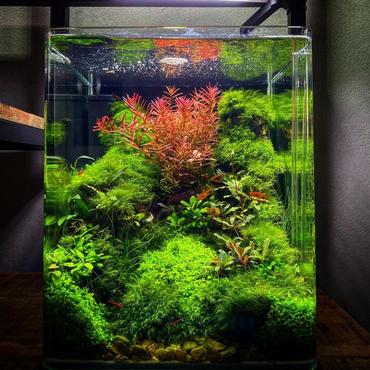
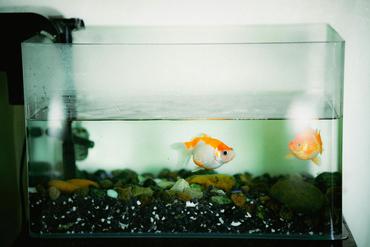
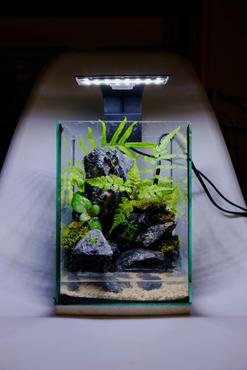
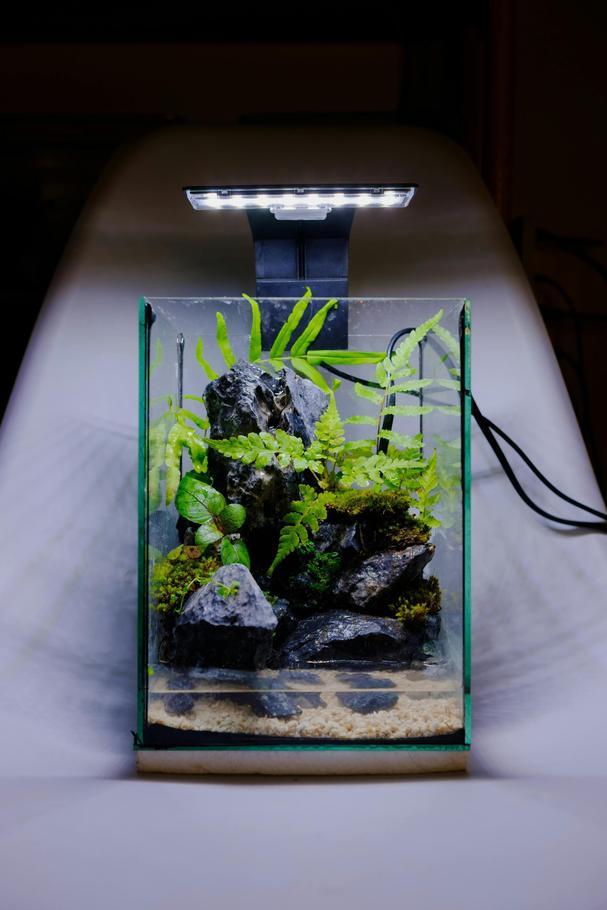
Before choosing fish or buying equipment, it helps to understand what separates nano and pico aquariums from traditional setups. In general, nano aquariums range from about 5 to 30 gallons, while pico aquariums are typically under 5 gallons. These smaller tanks are popular among urban hobbyists because they fit easily into apartments, dorm rooms, home offices, and studio spaces.
One of the biggest reasons nano tanks appeal to city dwellers is affordability. Smaller aquariums require less substrate, less water, and lower electricity consumption compared to large tanks. Maintenance is also physically easier because water changes take only a few minutes.
However, small tanks are not automatically easier to care for. This is one of the most common misconceptions among beginners. In larger aquariums, mistakes such as overfeeding or missing a water change may not immediately cause major problems. In nano systems, those same mistakes can quickly destabilize the entire tank.
For example, adding too many fish to a 5-gallon aquarium may lead to dangerous ammonia spikes within days. Likewise, leaving lights on too long can trigger algae outbreaks much faster than in larger setups.
Successful nano aquariums depend on:
- Stable water parameters
- Careful livestock selection
- Consistent maintenance routines
- Proper filtration and heating
- Patience during setup and cycling
Urban aquarists who understand these fundamentals often discover that nano tanks provide a uniquely immersive fishkeeping experience. Because the aquarium is small, every detail becomes more noticeable, from plant growth to fish behavior.
Choosing the Right Equipment for a Small Ecosystem
Equipment selection plays a major role in the long-term success of nano and pico aquariums. Since these tanks have limited water volume, stability should always take priority over appearance alone.
Many beginners purchase extremely small decorative tanks without researching filtration or heating requirements. Unfortunately, this often leads to unstable water conditions and unhealthy fish.
A quality nano setup should include:
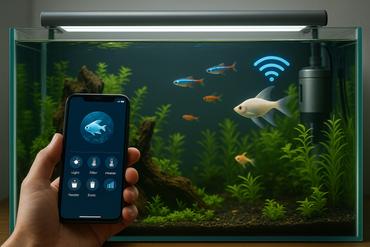
- A dependable filter with gentle flow
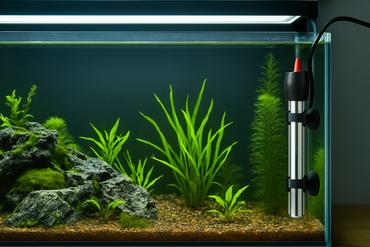
- A properly sized heater
- LED lighting suited to your plants or corals
- A thermometer
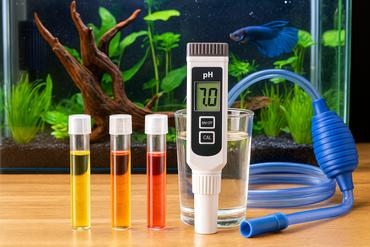
- Water testing supplies
Sponge filters are especially popular for nano aquariums because they provide excellent biological filtration while producing minimal current. This makes them ideal for shrimp tanks, betta aquariums, and other setups containing delicate species.
Lighting deserves careful consideration as well. Many hobbyists make the mistake of purchasing extremely powerful lighting systems for low-tech planted aquariums. Excessive light without balanced nutrients or CO₂ supplementation often causes severe algae growth.
If algae becomes an issue in your aquarium, the article Controlling Algae Growth provides practical strategies for maintaining a balanced ecosystem.
Another major factor is filtration flow. Strong filters designed for larger aquariums may create excessive water movement in nano tanks. Fish such as bettas and shrimp can become stressed if they constantly struggle against strong currents.
Heaters are equally important. Many urban hobbyists assume small tanks stay warm enough naturally indoors, but room temperatures fluctuate far more than most people realize. Stable temperatures are essential for tropical fish health.
Positioning the aquarium correctly also matters. Tanks should be placed away from direct sunlight, radiators, air-conditioning vents, and drafty windows. Sudden temperature changes are much more dangerous in small aquariums than in larger systems.
Best Fish and Invertebrates for Nano Tanks
One of the most enjoyable aspects of nano aquariums is selecting livestock. Because space is limited, choosing the right species becomes critically important.
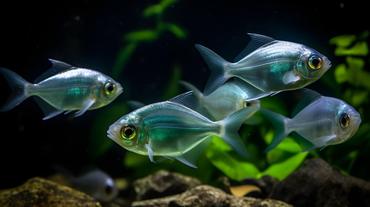
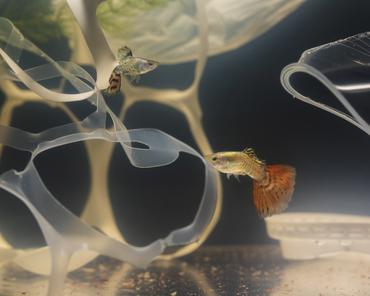
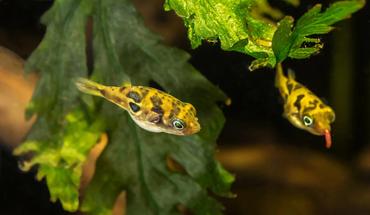
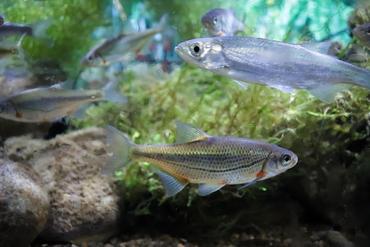
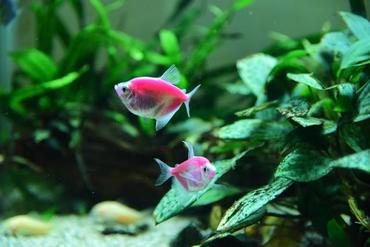
Small, peaceful fish generally perform best in nano environments. Some excellent options include:
- Betta fish
- Chili rasboras
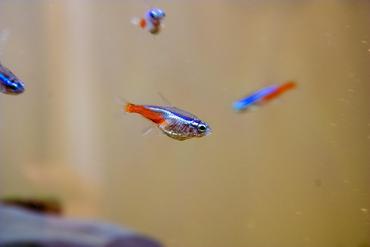
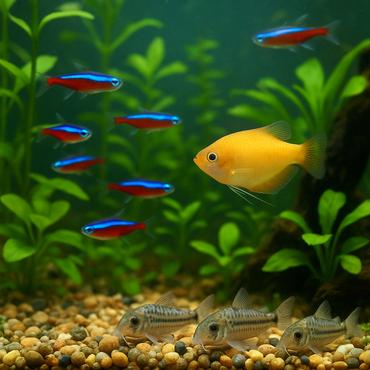
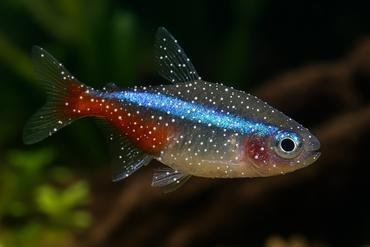
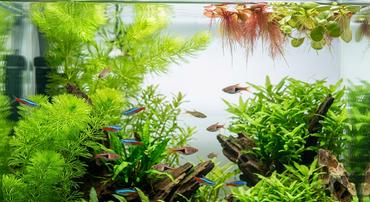
- Ember tetras
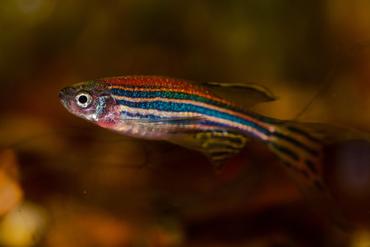
- Celestial pearl danios
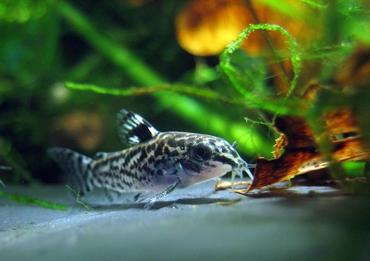
- Pygmy corydoras
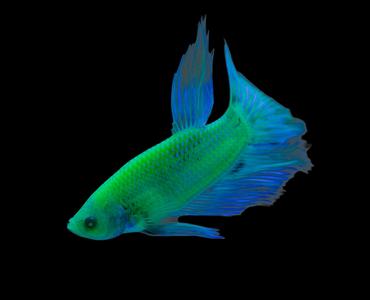
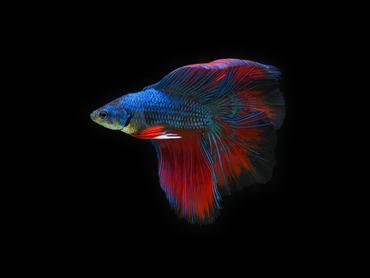
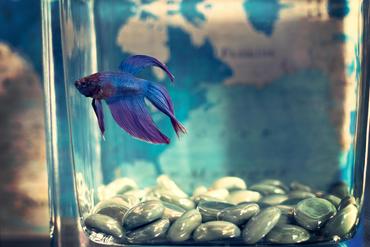
Betta fish remain one of the most popular choices for nano aquariums, but they are also among the most misunderstood species in the hobby. Many beginners still believe bettas can thrive in tiny bowls without filtration or heating.
The reality is that bettas require warm, stable, filtered environments to truly thrive. Hobbyists interested in better understanding betta care should read Common Myths About Bettas, which explains many misconceptions surrounding these fish.
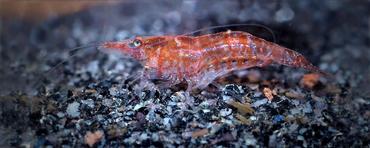
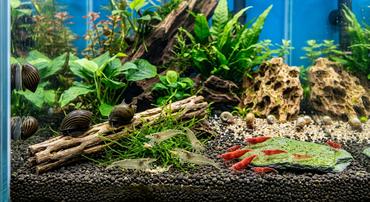
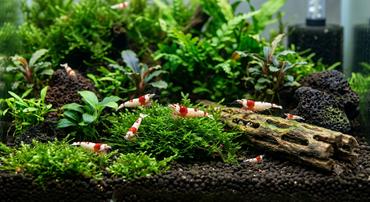
Shrimp-only aquariums are another outstanding option for urban hobbyists. Cherry shrimp, crystal shrimp, and Amano shrimp all thrive in planted nano setups and produce significantly less waste than fish.
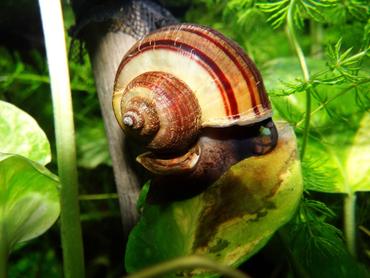
Snails can also contribute positively to the ecosystem. Nerite snails are particularly useful because they help consume algae without reproducing uncontrollably in freshwater aquariums.
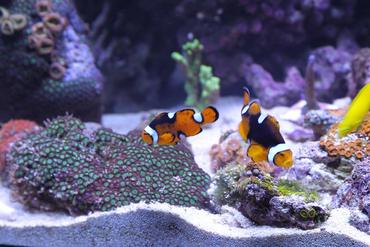
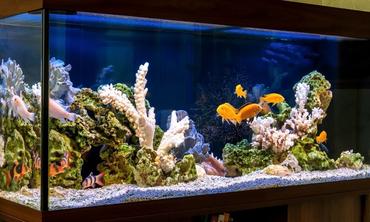
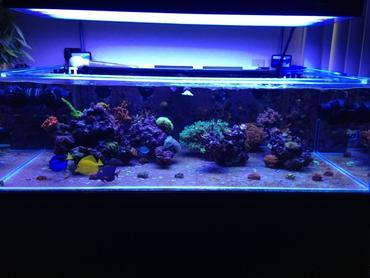
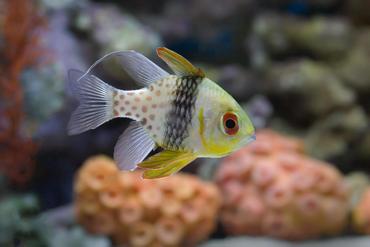
For saltwater enthusiasts, pico reef systems have become increasingly popular in recent years. Small reef tanks featuring mushroom corals, zoanthids, and soft corals can create stunning displays in compact living spaces.
However, saltwater pico tanks require much more attention to evaporation and salinity stability than freshwater nanos. Even a small amount of evaporated water can significantly affect salinity in a tiny reef aquarium.
Beginners interested in marine setups should first explore Reef Aquariums to understand the additional care requirements involved in maintaining healthy corals and marine livestock.
Building a Stable Nano Ecosystem
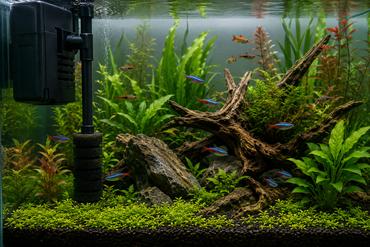
The most successful nano tanks are not simply collections of fish and decorations. They function as miniature ecosystems where plants, bacteria, substrate, and livestock all work together in balance.
Live plants are one of the best tools for stabilizing small aquariums. Plants absorb nitrates, improve oxygen levels, compete against algae, and provide shelter for fish and shrimp.
Excellent beginner-friendly plant choices include:
- Java fern
- Anubias nana
- Java moss
- Cryptocoryne species
- Floating plants like Frogbit
Floating plants deserve special attention because they help reduce excess light while absorbing nutrients directly from the water column. In apartments where tanks receive indirect sunlight, floating plants can significantly reduce algae problems.
One of the biggest beginner mistakes in nano aquariums is rushing the cycling process. Many hobbyists add fish immediately after filling the tank with water, unaware that beneficial bacteria colonies need time to develop.
Without proper cycling, toxic ammonia and nitrite levels can quickly rise and stress or kill fish.
The article The Process of Cycling a Fish Tank explains how beneficial bacteria establish biological filtration and why patience during setup is essential for long-term success.
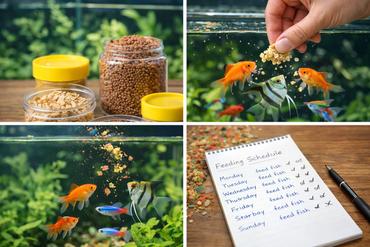
Overfeeding is another major issue in small ecosystems. Fish require far less food than most beginners realize. Excess food quickly decomposes and pollutes the water.
A useful rule for nano tanks is to feed only what fish can consume within about 30 seconds. Small feedings once or twice daily are usually sufficient for most community fish.
Water changes remain one of the most important maintenance tasks. While nano tanks require smaller water changes, they often need them more consistently than larger aquariums.
Weekly water changes of 20% to 30% help maintain stable water quality and reduce nitrate accumulation.
Compatibility and Common Beginner Mistakes
Fish compatibility becomes especially important in nano ecosystems because limited space leaves little room for territorial disputes.
One common beginner mistake is combining species that appear peaceful in stores but become aggressive in cramped environments. Fish that coexist in a 55-gallon aquarium may become territorial in a 10-gallon tank.
For example, male bettas should never be housed together in nano aquariums. Similarly, fin-nipping species like tiger barbs can create serious stress for slower-moving fish.
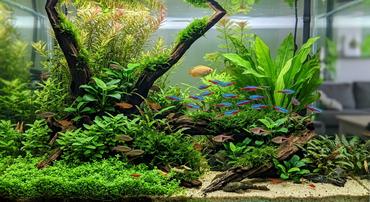
Successful nano communities often combine fish that occupy different areas of the tank. Pygmy corydoras remain near the substrate while ember tetras occupy the mid-water column, reducing direct competition.
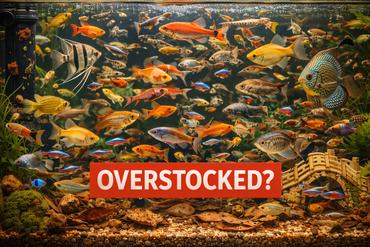
Another major mistake is overstocking. Many urban hobbyists try to maximize the number of fish in small tanks, but overcrowding quickly destabilizes water quality.
Remember that every fish contributes waste to the ecosystem. Even if fish physically fit inside the aquarium, the biological load may exceed what the tank can safely support.
New hobbyists should also avoid constantly rearranging decorations or chasing fish with nets during maintenance. Frequent disruptions create stress that weakens immune systems and increases disease risk.
Acclimation matters as well. Sudden changes in temperature or water chemistry can shock fish when they are introduced to a new aquarium.
The guide Acclimating Fish – Drip Method explains how to safely introduce new fish and shrimp into established aquariums while minimizing stress.
Another issue commonly seen in city apartments is neglect during busy schedules. Owners sometimes skip maintenance for weeks because the tank appears clean visually. Unfortunately, water chemistry problems are often invisible until fish show signs of stress.
Consistent testing for ammonia, nitrite, nitrate, and pH helps identify problems before they become serious.
Designing a Nano Aquarium for Urban Living
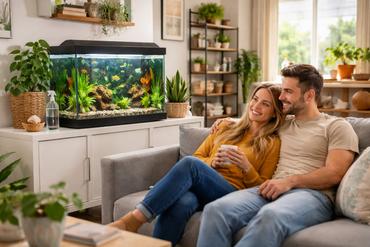
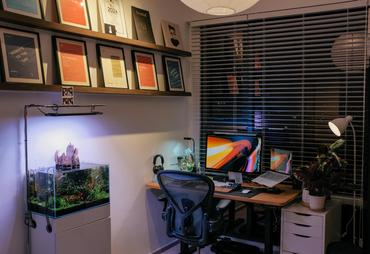
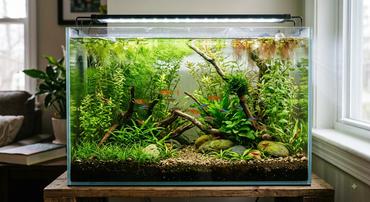
Beyond fishkeeping itself, nano aquariums have become an important part of modern interior design. Many urban hobbyists view their aquarium as both a living ecosystem and a decorative centerpiece.
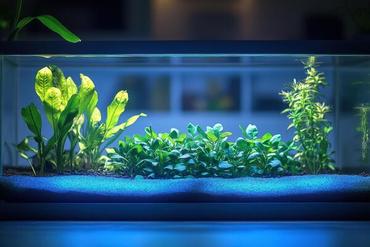
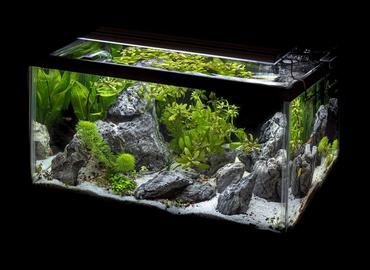
Rimless aquariums are particularly popular because they provide a sleek, minimalist appearance that fits modern apartments beautifully.
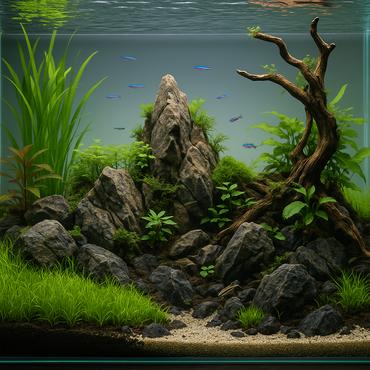
Popular nano aquascaping styles include:
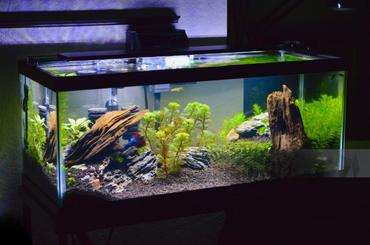
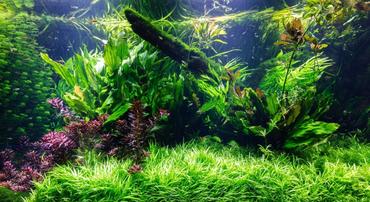
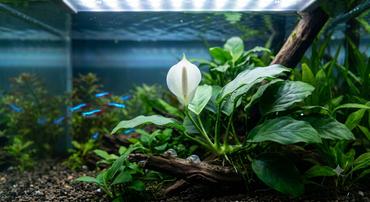
- Nature-inspired planted layouts
- Minimalist stone aquascapes
- Shrimp-focused moss tanks
- Compact reef coral displays
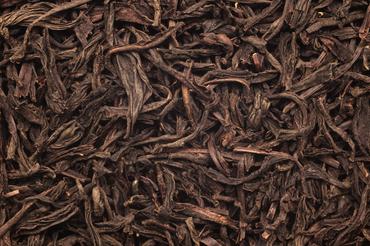
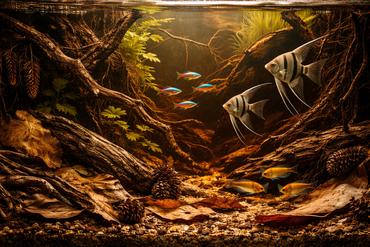
- Blackwater biotope aquariums
One important design principle for nano tanks is restraint. Overcrowding the aquarium with decorations can make the space feel cluttered and reduce swimming areas for fish.
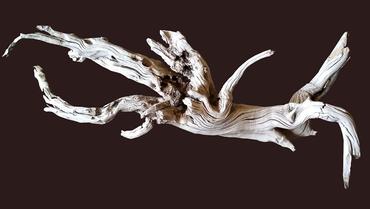
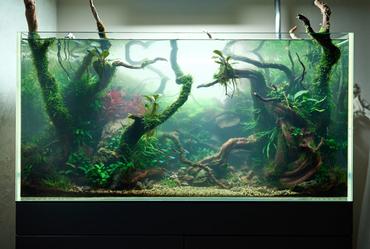
Hardscape materials like driftwood, dragon stone, and lava rock help create depth and visual structure without overwhelming the tank.
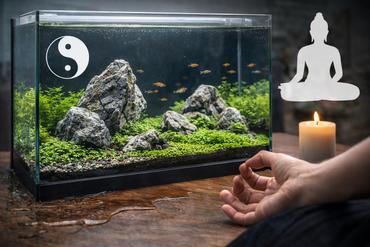
Urban hobbyists also appreciate the calming psychological effects of aquariums. Watching fish swim through planted aquascapes can become a relaxing daily ritual after stressful workdays.
Many hobbyists report that maintaining a nano aquarium encourages mindfulness and consistency. Small daily routines like feeding fish, trimming plants, or observing shrimp behavior create a rewarding sense of connection with the ecosystem.
Noise control is another factor for apartment living. Quiet filters and gentle aeration systems are preferable in bedrooms or studio apartments.
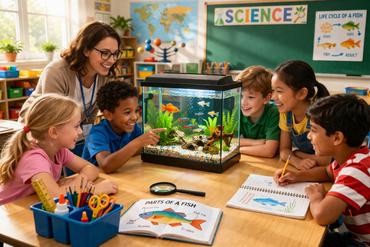
Small aquariums can even serve educational purposes for families and children. Observing fish behavior, plant growth, and water chemistry teaches responsibility while introducing fascinating ecological concepts.
Final Thoughts on Nano and Pico Ecosystems
Nano and pico aquariums prove that limited living space does not have to limit creativity in the aquarium hobby. With proper planning, even the smallest apartment can support a thriving aquatic ecosystem filled with vibrant plants, peaceful fish, and fascinating invertebrates.
Success with nano tanks comes down to patience, stability, and thoughtful stocking decisions. Smaller aquariums may require more attention to detail, but they also provide some of the most immersive and visually rewarding experiences in fishkeeping.
Whether you are building your first planted betta aquarium, experimenting with shrimp breeding, or creating a compact reef system, nano ecosystems offer endless opportunities for learning and creativity. Continue exploring RateMyFishTank.com for additional aquarium care guides, fish compatibility advice, and aquascaping inspiration to help your miniature ecosystem thrive for years to come.
MOST RECENT ARTICLES