BLACKWATER AQUARIUMS: HOW TANNINS IMPROVE FISH HEALTH AND REDUCE STRESS
The Science of Tannins: Why "Brown Water" Is Better
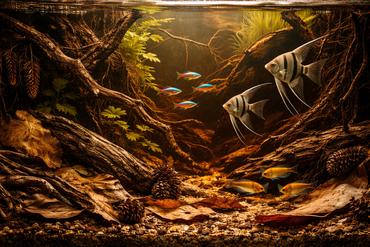
In the wild, blackwater environments are created when fallen leaves, branches, and seed pods decompose in slow-moving or stagnant water. This process releases humic and tannic acids, which tint the water a deep amber or mahogany hue. For the aquarium hobbyist, these substances are far more than just a dye; they are active chemical agents that alter the water's properties in ways that benefit livestock.
Tannins naturally lower the pH of the aquarium, making the water more acidic. Most importantly, they possess antifungal and antibacterial properties. In a sterile, clear-water environment, fish are often more susceptible to external pathogens. In a blackwater tank, the humic substances act as a mild natural disinfectant, helping to protect delicate fish membranes and assisting in the healing of minor fin nicks or skin abrasions. Furthermore, the dark tint of the water reduces light penetration, which significantly lowers the stress levels of shy or nocturnal species that feel exposed under bright LED fixtures.
- Natural pH Buffering: Tannins help maintain the soft, acidic levels required by many tropical species.
- Antimicrobial Benefits: Humic acids inhibit the growth of common waterborne pathogens.
- Algae Suppression: The reduced light penetration in stained water makes it harder for nuisance algae to bloom.
Reducing Stress and Enhancing Natural Behaviors
Stress is the leading cause of fish mortality in the home aquarium. When fish feel exposed or out of their element, their immune systems weaken, leading to outbreaks of Ich or velvet. Blackwater aquariums provide a sense of security through "visual cover." The tinted water acts as a natural veil, allowing fish to feel hidden even when they are swimming in the middle of the water column.
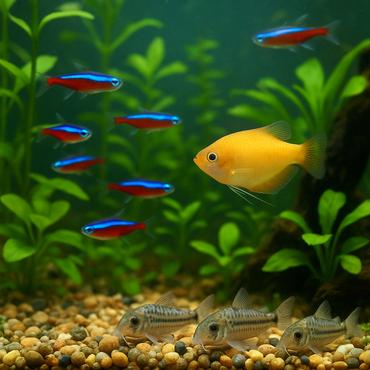
When stress levels drop, you will notice a dramatic shift in behavior. For example, many schooling species like Rummy Nose Tetras or Cardinal Tetras will school more tightly and explore the tank with more confidence. Furthermore, the presence of tannins is often a trigger for spawning. Many species wait for the "rainy season" in the wild—when leaf litter floods the rivers—to begin breeding. By adding botanicals to your tank, you are sending a biological signal that it is time to reproduce.
If you are transitioning from a traditional setup, it is important to understand how to lower pH in your freshwater aquarium safely. Sudden shifts in chemistry can be harmful, so the introduction of tannins should always be a gradual process to allow your fish to acclimate to the changing acidity levels.
Best Fish Species for Blackwater Environments
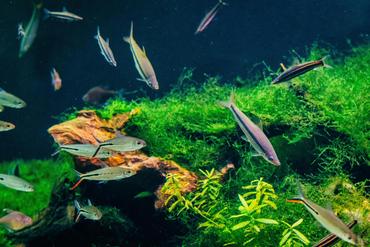
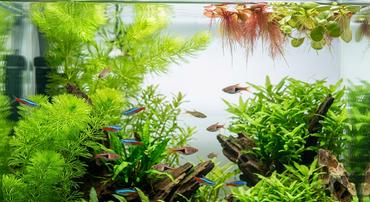
While many fish can tolerate tannins, certain groups truly thrive in them. These species often originate from the Rio Negro or similar peat-heavy habitats. When placed in a blackwater environment, their colors—especially iridescent blues and deep reds—pop against the dark background in a way that clear water cannot replicate.
- Dwarf Cichlids: Species like Apistogramma and Mikrogeophagus ramirezi (German Blue Rams) are the kings of blackwater. They require soft, acidic water to thrive and display their best breeding plumage.
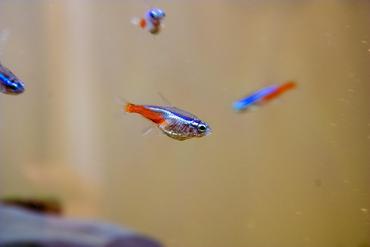
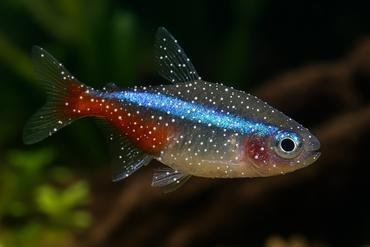
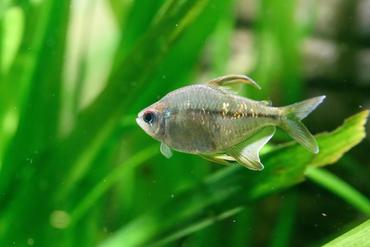
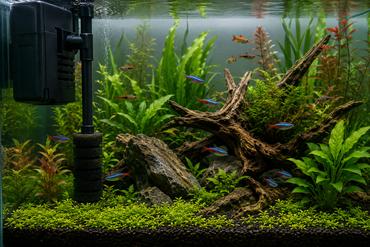
- Tetras: Cardinal tetras, Neon tetras, and Ember tetras look stunning in amber water. The dark tint makes their glowing lateral lines appear much brighter.
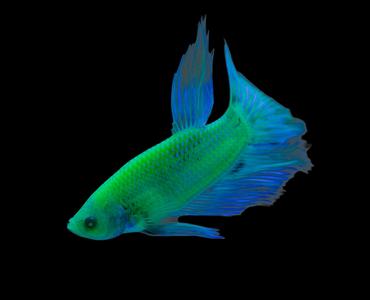
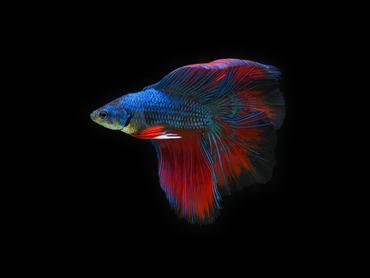
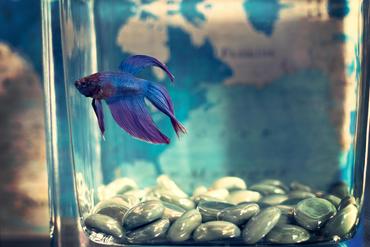
- Anabantoids: Wild-type Bettas, Chocolate Gouramis, and Licorice Gouramis are specialized for these environments. They often struggle in high-pH, clear-water setups.
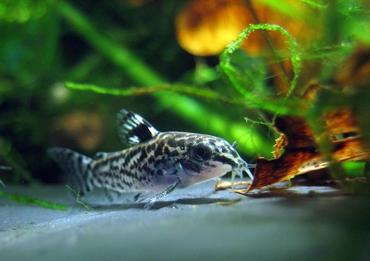
- Corydoras: Many Cory species, such as Corydoras adolfoi, are found naturally in leaf litter zones where they forage for micro-crustaceans.
- Rasboras: Harlequin Rasboras and Chili Rasboras from Southeast Asia are perfect candidates for a blackwater "biotope" setup.
How to Source and Prepare Botanicals
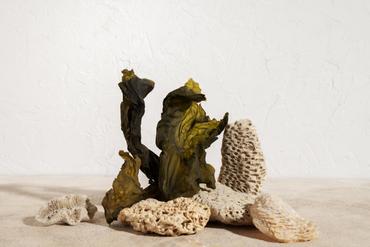
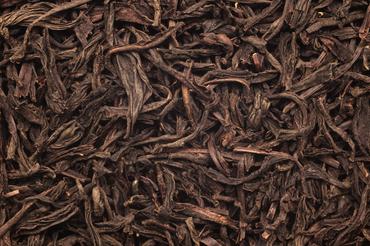
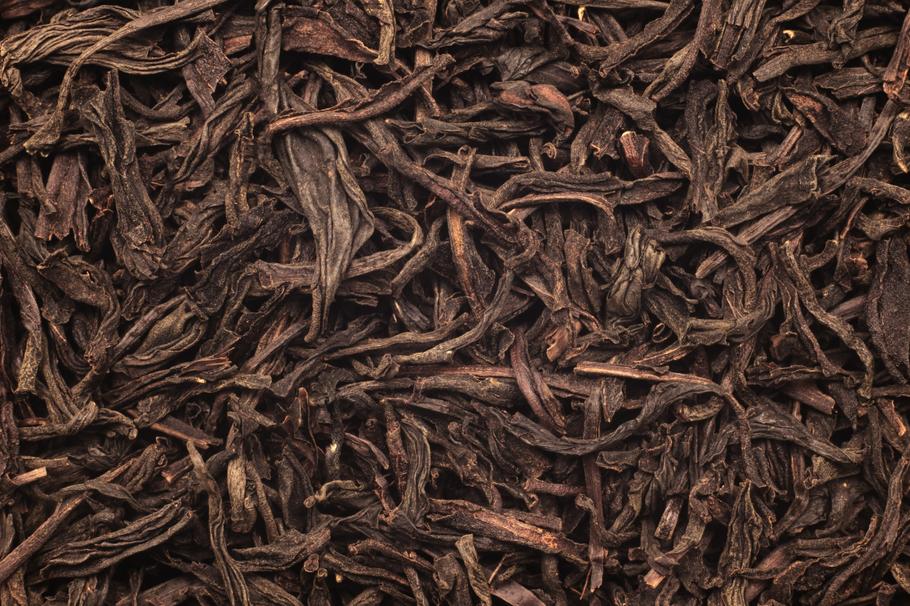
Creating a blackwater tank involves adding "botanicals"—organic materials that leach tannins. You cannot simply grab any leaf from your backyard, as many trees produce saps or toxins that are harmful to fish. The most common and safest options include Indian Almond Leaves (Catappa leaves), Alder cones, and Guava leaves.
Before adding any botanical to your tank, it is essential to boil them for 5 to 10 minutes. This serves two purposes: it sterilizes the material by killing any hitchhiking bacteria or fungi, and it helps the material saturate so it sinks immediately. If you skip this step, your leaves may float on the surface for days, and you risk introducing pollutants into your water column.
Over time, these materials will break down and form "mulm" at the bottom of the tank. While beginner hobbyists often want to vacuum this away, it is actually a vital part of the blackwater ecosystem. This decaying matter provides a home for biofilms and infusoria, which serve as an excellent natural food source for fry and shrimp. To keep your system stable, check out our guide on the importance of water changes to ensure that while the water stays dark, the nitrate levels remain low.
Compatibility and Care Considerations
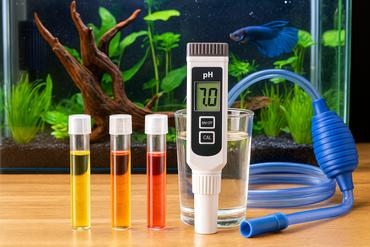
Blackwater aquariums require a different maintenance mindset than traditional tanks. The most common mistake beginners make is ignoring the relationship between KH (carbonate hardness) and pH. In a blackwater system, the KH is typically very low. Without this "buffer," your pH can drop rapidly—a phenomenon known as a "pH crash." It is vital to monitor your parameters weekly when first establishing a blackwater tank.
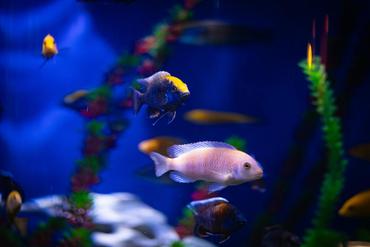
Compatibility is another major factor. Not all fish like acidic water. For instance, African Cichlids from the Rift Lakes (Lake Malawi or Tanganyika) require hard, alkaline water with a high pH. Adding tannins to their tank would be detrimental to their health. Similarly, many livebearers like Mollies and Platies prefer harder water. Always research the natural habitat of your fish before adding botanicals.
Filtration also requires a slight adjustment. If you use chemical filtration media like activated carbon or Purigen, these products will remove the tannins from the water as fast as the leaves can release them. To maintain the "blackwater look," you should remove carbon from your filter and rely on mechanical and biological media instead. For more tips on maintaining a healthy biological balance, read our article on the nitrogen cycle and your aquarium.
Common Beginner Mistakes to Avoid
One of the most frequent errors is adding too much botanical material at once. While tannins are beneficial, a massive influx of decaying organic matter can cause a spike in ammonia or a sudden drop in dissolved oxygen. Start with one or two large Indian Almond leaves per 10 gallons and observe how your fish react over the course of a week.
Another mistake is neglecting the "humic surge." When you first add botanicals, the water may get very dark very quickly. While this isn't inherently dangerous, it can make it difficult to observe your fish for signs of illness. Ensure you have adequate surface agitation. Because the decomposition of leaves consumes oxygen, maintaining a bubbly surface or using an air stone is critical to prevent your fish from gasping at the surface.
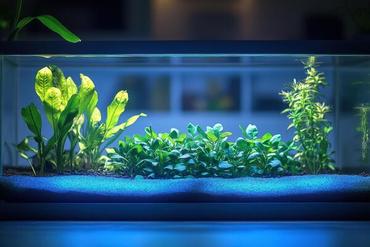
Finally, don't forget about your plants. Many aquatic plants require high light to survive. If your water is dark red, the light intensity reaching the bottom of the tank will be significantly reduced. Stick to low-light plants like Anubias, Java Fern, and Cryptocoryne, which can handle the dimmed conditions of a blackwater environment.
Conclusion: Embracing the Natural Beauty of Blackwater
Transitioning to a blackwater aquarium is a rewarding step for any hobbyist looking to prioritize the biological needs of their fish over a clinical, clear-water aesthetic. By introducing tannins, you are providing your aquatic pets with a natural pharmacy, a stress-reducing sanctuary, and a spark for their most vibrant colors and interesting behaviors. While it requires a bit more attention to water chemistry and a departure from standard cleaning habits, the result is a dynamic, living ecosystem that looks as close to nature as possible. If you are ready to take your fish keeping to the next level, start by adding a few catappa leaves and watch as your fish explore their new, tea-colored home with renewed vigor. For more expert advice on specialized tank setups and species-specific care, continue exploring our library of guides to become the best aquarist you can be.
MOST RECENT ARTICLES