DO YOU NEED CO₂? THREE PROVEN PATHS TO A HEALTHY PLANTED TANK
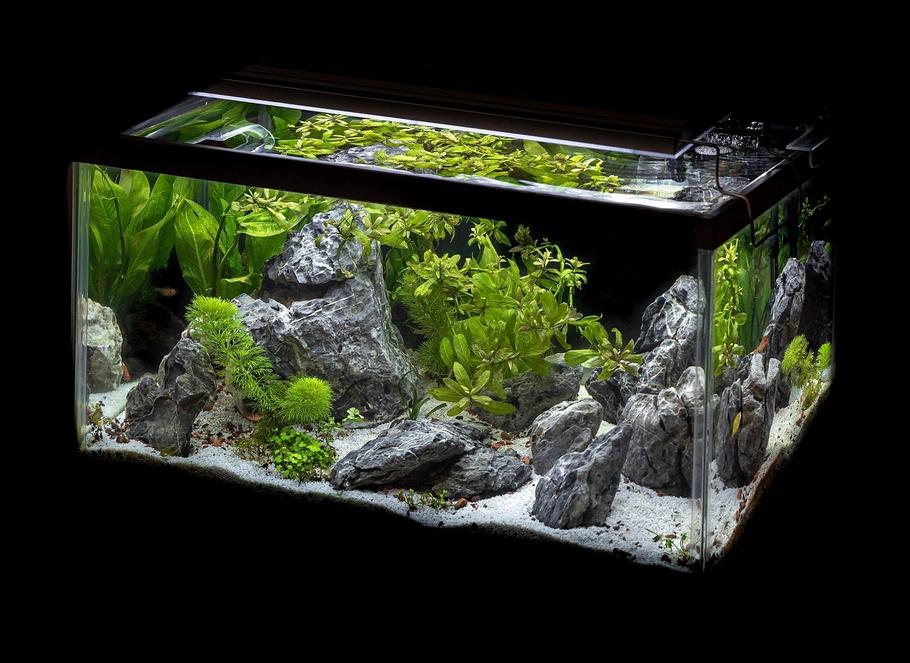
The Foundations of Planted Tank Success: The Golden Triangle
Before diving into specific setups, it is essential to understand the "Golden Triangle" of aquatic plant growth: Light, Nutrients, and Carbon Dioxide (CO2). These three elements must be in balance to ensure healthy growth. If you provide high intensity light but do not provide enough CO2, the plants cannot process the light energy, and opportunistic algae will take over. Conversely, if you pump in massive amounts of CO2 but have poor lighting, your plants will become leggy and weak. In the wild, plants have access to nearly unlimited CO2 from the atmosphere or from rich, decaying organic matter in slow-moving streams. In the aquarium, we are working with a closed volume of water where these gases can quickly become depleted.
For many beginners, the mistake is thinking that more of everything is always better. In reality, the goal is stability. In a natural environment, CO2 levels are relatively low but constant. In an aquarium, we are creating a closed loop where we must manage these levels manually. When considering if you need a pressurized system, ask yourself what species you intend to keep. While many "easy" plants can scavenge carbon from the water column, "high-tech" plants like Dwarf Baby Tears (Hemicianthus callitrichoides) or Rotala Macrandra almost always require supplemental carbon to maintain their form and color. Without it, these species will often "melt"—a process where the leaves turn translucent and disintegrate as the plant digests its own cellular structure to survive.
To master the planted tank, you must view CO2 not as a luxury, but as a metabolic regulator. When you increase light, you increase the plant's appetite for carbon and minerals. If the carbon isn't there, the biological machinery of the plant stalls. This is when algae, which are far more efficient at scavenging trace amounts of carbon than higher plants, seize the opportunity to colonize your hardscape and leaves. Therefore, the question isn't just "do I need CO2?" but rather "is my carbon supply sufficient for the amount of light I am providing?"
Key Elements
- Light: Drives photosynthesis but acts as the accelerator pedal. More light equals a faster metabolism.
- Nutrients: Nitrogen, Phosphorus, Potassium, and micronutrients are the fuel. These must be present in the substrate or water column.
- CO2: The structural building block. Approximately 40% of a plant's dry mass is carbon.
Path 1: The Low-Tech, Non-CO2 Method
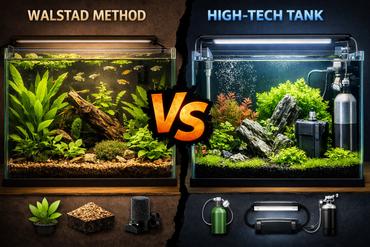
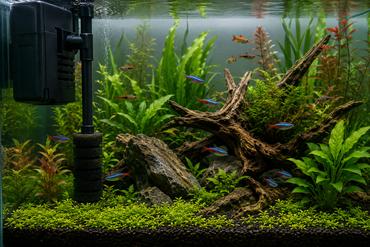
The first path is the most accessible for beginners and is often referred to as the "Low-Tech" approach. This method relies on the natural CO2 produced by fish respiration and the decomposition of organic matter in the substrate. It is a slow-and-steady approach that requires patience but offers the most stability and the lowest risk of catastrophic failure. Many hobbyists find this path rewarding because it mimics a balanced pond ecosystem where the flora and fauna work in a symbiotic loop.
In a low-tech tank, you must select plants that are highly efficient at utilizing low levels of carbon. Species such as Anubias, Java Fern, and various Cryptocoryne are the superstars of this category. These plants grow slowly, meaning they don't demand a high "metabolism" of CO2. To succeed here, you should use moderate lighting—avoid the high-output "pro" LED panels unless they are dimmable. Because growth is slower, you will also find that your water quality maintenance schedule is much more forgiving. You won't need to prune every week, and the nutrient uptake is slow enough that small fluctuations in fertilizer dosing won't trigger an immediate algae bloom.
A common mistake in low-tech tanks is over-cleaning the substrate. In this path, a certain amount of "mulm" or organic waste is beneficial. This waste is broken down by beneficial bacteria, a process that slowly releases CO2 and humic acids into the water. If you gravel-vac every inch of the floor, you are removing the very source of carbon your plants rely on. Instead, focus on "spot cleaning" and let the base of your plants benefit from the organic buildup. This path is perfect for hobbyists who want a beautiful tank without the "mad scientist" vibe of regulators and gas tanks.
Furthermore, the low-tech path benefits greatly from a "dirted" substrate or high-quality aquatic soil. These substrates are packed with organic matter that off-gasses CO2 during the first few months of the tank's life, giving your plants a massive head start. If you choose this route, be prepared for a "transition period" where the tank settles. You might see some initial algae as the soil leaches nutrients, but once the plants establish their root systems, the tank will reach a state of equilibrium that can last for years with minimal intervention.
Path 2: Liquid Carbon and Excel-Based Systems
The second path occupies the middle ground. Many hobbyists find themselves in a position where they want slightly faster growth or more demanding plants, but they aren't ready to invest in a pressurized CO2 canister. This is where "liquid carbon" supplements, such as Glutaraldehyde-based products, come into play. It is important to note that liquid carbon is not actually CO2; it is an organic carbon compound that plants can use, though less efficiently than gas. It provides a carbon chain that the plant can incorporate into its Calvin cycle with less energy than it takes to extract it from the carbonates in the water.
This path is excellent for keeping algae at bay, as many carbon supplements also act as a mild algaecide. Plants like Vallisneria and Mosses can sometimes be sensitive to these chemicals, so it is important to dose carefully. If you are struggling with BBA (Black Brush Algae), liquid carbon can be a powerful tool when spot-treated directly onto the affected areas using a syringe. However, for a long-term strategy, this path requires daily discipline, as the carbon compounds break down quickly in the water column (usually within 12 to 24 hours) and must be replenished daily to be effective.
When using this method, look for plants that fall into the "medium" difficulty range. This includes:
- Amazon Swords (Echinodorus): These are heavy root feeders that benefit from the extra carbon boost to support their massive leaf structures.
- Bacopa Caroliniana: A hardy stem plant that develops better leaf density and color with carbon supplementation.
- Ludwigia Repens: Known for its reddish hues, which are far easier to maintain with a consistent carbon source.
- Hygrophila Polysperma: A fast grower that will appreciate the extra carbon to prevent the bottom leaves from falling off.
The trick to Path 2 is consistency. If you dose liquid carbon on Monday, skip Tuesday, and dose again on Wednesday, you are creating a "yo-yo" effect in the water chemistry. This instability is exactly what algae look for. To succeed with liquid carbon, you should automate the process with a small dosing pump if possible, or make it a part of your morning feeding routine. Over time, you will notice that your plants have a cleaner appearance, with fewer "dust" algae appearing on the older leaves. It is a fantastic way to bridge the gap between a basic setup and a high-performance aquascape.
Path 3: The High-Tech Pressurized CO2 System
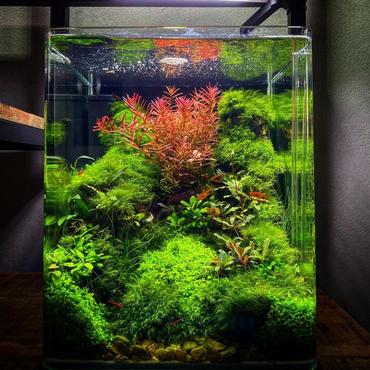
The third path is the "High-Tech" method, utilizing a pressurized CO2 tank, a solenoid-controlled regulator, and a fine-pore diffuser. This is the gold standard for Dutch-style aquascapes and lush "Nature Aquarium" layouts. By injecting pure CO2 gas into the water, you remove the primary bottleneck for plant growth. The results are often breathtaking: plants will "pearl" (release visible oxygen bubbles) as they reach the saturation point of photosynthesis, and growth rates will skyrocket. What takes six months to grow in a low-tech tank can often be achieved in six weeks with pressurized CO2.
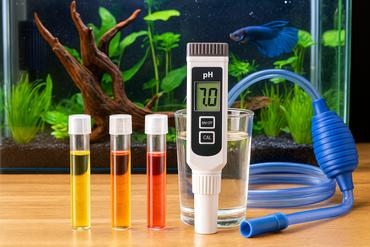
While this path offers the most control, it also carries the most risk. If a regulator fails or is set too high, you can "gas" your fish. High CO2 levels lead to a drop in pH and can deprive fish of oxygen. Beginners should always use a "drop checker"—a glass device filled with a pH-sensitive reagent—to monitor CO2 levels in real-time. Aiming for approximately 30 parts per million (ppm) of CO2 is the standard for a high-growth tank. You can learn more about balancing these levels and the equipment involved by reading our guide on keeping aquarium plants healthy.
Pressurized CO2 allows you to grow "carpeting" plants like Glossostigma elatinoides or Hemianthus callitrichoides 'Cuba', which create the appearance of an underwater lawn. These plants have a very high demand for carbon because they are physically distant from the water's surface, where natural gas exchange occurs. Without injection, these plants will usually grow upward (etiolation) toward the light rather than spreading across the substrate. Furthermore, CO2 injection allows for the most vibrant reds in plants like Alternanthera Reineckii 'Mini' or Rotala H'Ra. These pigments are often a protective response to high light, but the plant can only produce them if it has the carbon resources to sustain its primary metabolic functions.
Setting up a high-tech system involves several components:
- CO2 Cylinder: Usually 5lb or 20lb tanks filled with liquid CO2.
- Regulator: Reduces the high pressure of the tank to a usable, low pressure.
- Solenoid Valve: Allows you to hook the system to a timer so the CO2 turns off at night when plants aren't photosynthesizing.
- Bubble Counter: A visual aid to see how much gas is flowing per second.
- Diffuser/Reactor: Breaks the gas into tiny bubbles so it can dissolve into the water.
Fish Compatibility and Care Considerations
When choosing your path, you must consider your livestock. Not all fish thrive in every environment. In a high-tech CO2 tank, you must ensure you have adequate surface agitation. While it seems counterintuitive (won't agitation drive off the CO2?), a slight ripple on the surface ensures that oxygen levels remain high enough for the fish even while CO2 is being injected. Sensitive species like certain wild-caught Discus, chocolate gouramis, or high-grade Caridina shrimp can be stressed by the pH swings associated with CO2 injection if the system is not tuned perfectly.
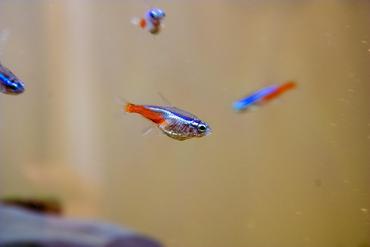
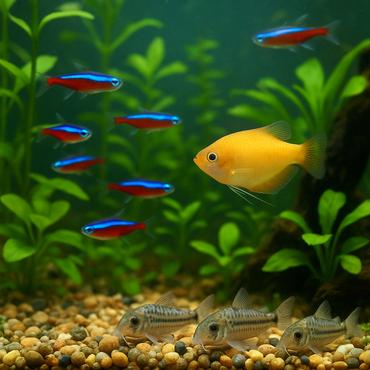
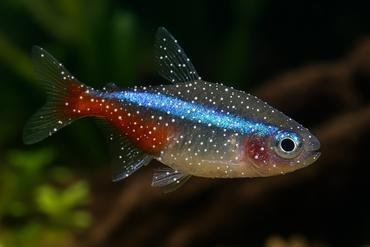
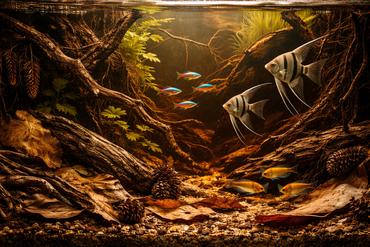
For low-tech tanks, smaller community fish are ideal. Species like the Neon Tetra, Ember Tetra, and Honey Gourami thrive in the stable, slow-growing environment. These fish often appreciate the "tannins" and slightly higher organic load that comes with a low-tech, natural approach. If you are interested in a more specialized setup, check out our article on the best low-light aquarium plants to see which species pair best with these fish. In these tanks, the fish actually provide the fertilizer (via waste) and the CO2 (via respiration), creating a true closed-loop ecosystem.
There is also the "Algae Crew" to consider. In any planted tank, you want a cleaning crew that matches your growth rate. In a high-tech tank, Amano Shrimp and Nerite Snails are essential to manage the fast-moving bio-load. In a low-tech tank, Otocinclus Catfish and Cherry Shrimp are excellent choices. Be careful with larger fish like Goldfish or large Cichlids in a planted tank; they tend to uproot delicate plants and consume the very foliage you are trying to grow, regardless of how much CO2 you provide.
Maintenance considerations also vary wildly by path:
- Low-Tech: Monthly pruning and minimal water changes (10-20% weekly). The goal is to let the tank find its own balance.
- Liquid Carbon: Daily dosing and bi-weekly pruning. You must be careful not to overdose, as this can harm your bio-filter.
- High-Tech: Weekly 50% water changes are often required (the Estimative Index method) to remove excess nutrients and prevent toxicity. You will also spend significant time pruning, as plants can grow several inches per week.
Common Beginner Mistakes and Pitfalls
The most frequent mistake hobbyists make is transitioning from one path to another without adjusting their light and fertilizers. This is the "Crash and Burn" scenario. If you suddenly add pressurized CO2 to a tank with low light, you won't see much improvement because the light is now the limiting factor. However, the most dangerous move is the opposite: upgrading your lights to a high-PAR LED system without increasing your CO2. Within days, you will likely face a massive outbreak of Green Hair Algae or Staghorn Algae. Algae are the "scavengers" of the plant world; they thrive when there is an imbalance. High light tells the plants to grow, but the lack of CO2 prevents them from doing so, leaving all that light energy for the algae.
Another pitfall is the "set it and forget it" mentality regarding CO2 equipment. Regulators can drift, and diffusers can become clogged with algae or mineral deposits. A clogged diffuser produces larger bubbles, which float to the surface and waste gas rather than dissolving. Cleaning your diffuser in a dip of 10% bleach once a month is a vital part of high-tech maintenance. Similarly, for liquid carbon users, forgetting to dose for three days can lead to a "rebound" of algae that takes weeks to clear.
Lastly, be mindful of water flow. CO2 and nutrients need to reach every corner of the tank. If you have "dead spots" where the water is stagnant (often behind large pieces of driftwood or in dense thickets of stems), the plants in those areas will suffer from nutrient deficiencies and algae growth, regardless of how much CO2 you are injecting at the source. Using a small powerhead or "wavemaker" to gently circulate the water ensures that your carbon investment is reaching the entire plant biomass.
One often overlooked aspect is the "End of Tank Dump" (EoTD). With pressurized systems, as the liquid CO2 in the cylinder runs low, the pressure can sometimes spike, dumping the remaining gas into the tank all at once. This is a common way beginners lose their entire fish stock. Investing in a high-quality "dual-stage" regulator prevents this phenomenon, as it is designed to keep the output pressure constant even when the cylinder pressure drops. It is a more expensive upfront cost, but it provides peace of mind and protects your livestock.
The Role of Substrate in the Carbon Cycle
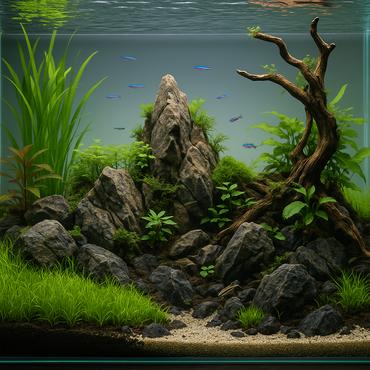
While we talk a lot about gas and liquid, the substrate is a silent partner in the carbon conversation. In a low-tech tank, the substrate is where the "magic" happens. Using a soil-based substrate capped with sand or fine gravel allows for the slow release of CO2 through the activity of anaerobic and aerobic bacteria. This is often called the "Walstad Method," named after Diana Walstad, who popularized the idea of using potting soil in aquariums. This method can sustain healthy plant growth for years without a single drop of bottled CO2.
In high-tech tanks, the substrate is less about carbon and more about nutrient storage (Cation Exchange Capacity). However, even here, a "living" substrate is beneficial. When you prune stem plants, you often disturb the substrate, which can release a small burst of CO2 and nutrients. Successful hobbyists often use a combination of active "aquasoil" and pressurized gas to provide a multi-channel approach to plant nutrition. If the gas runs out, the roots still have the soil to fall back on; if the soil becomes depleted, the water column injection keeps the plants fed.
For those on Path 2 (Liquid Carbon), the substrate choice is flexible. However, because liquid carbon doesn't help with root development as much as gas does, using root tabs is highly recommended. These small capsules are buried near the roots of heavy feeders like Crypts and Swords, providing them with a "slow-release" buffet of minerals that complements the daily liquid carbon dosing. This ensures that the plant is being fed from both ends—the leaves and the roots.
Final Takeaway: Choosing the Right Path for You
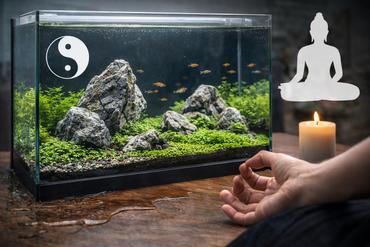
Deciding whether you need CO2 ultimately depends on your vision for your aquarium and the level of engagement you want to have with your hobby. There is no "wrong" way to keep a planted tank, only the way that best fits your lifestyle. If you want a relaxing, low-maintenance slice of nature that requires very little intervention and allows you to enjoy the slow evolution of an ecosystem, Path 1 (Low-Tech) is your best bet. It is the most forgiving and often the most rewarding for those who value long-term stability over rapid growth.
If you find yourself somewhere in the middle—perhaps you have a few stem plants that are looking a bit "leggy" or you want to experiment with more demanding species without a large upfront investment—Path 2 (Liquid Carbon) provides a great stepping stone. It introduces you to the discipline of daily dosing and gives you a taste of what carbon supplementation can do for plant health and algae control. It’s an excellent way to "level up" your hobby without the complexity of gas tanks and regulators.
However, if you are chasing the vibrant, fast-growing landscapes seen in international aquascaping competitions, or if you simply must have that "carpet" of green at the bottom of your tank, Path 3 (Pressurized CO2) is the only way to reach those heights. While it requires a higher initial investment and more diligent monitoring, the reward is a level of plant vitality and color that is simply unattainable by any other means. It turns the aquarium into a true high-performance machine.
No matter which path you choose, remember that the most successful aquarists are those who observe their tanks closely. Watch your plants for signs of new growth or distress, monitor your fish for signs of stress, and do not be afraid to adjust your parameters. The journey of a planted tank is one of constant learning and refinement. Ready to get started? Explore more of our expert guides on aquarium equipment and plant care to build the underwater garden of your dreams. Your plants (and your fish) will thank you for the effort!
MOST RECENT ARTICLES