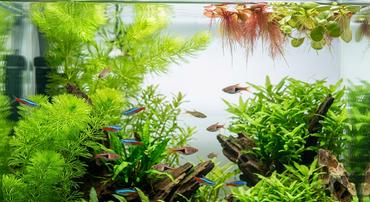
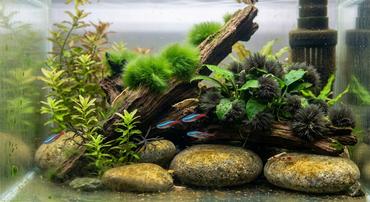
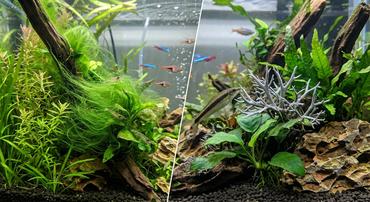
AQUARIUM HARDSCAPE GUIDE: DRAGON STONE, SEIRYU, SPIDER WOOD & MORE.
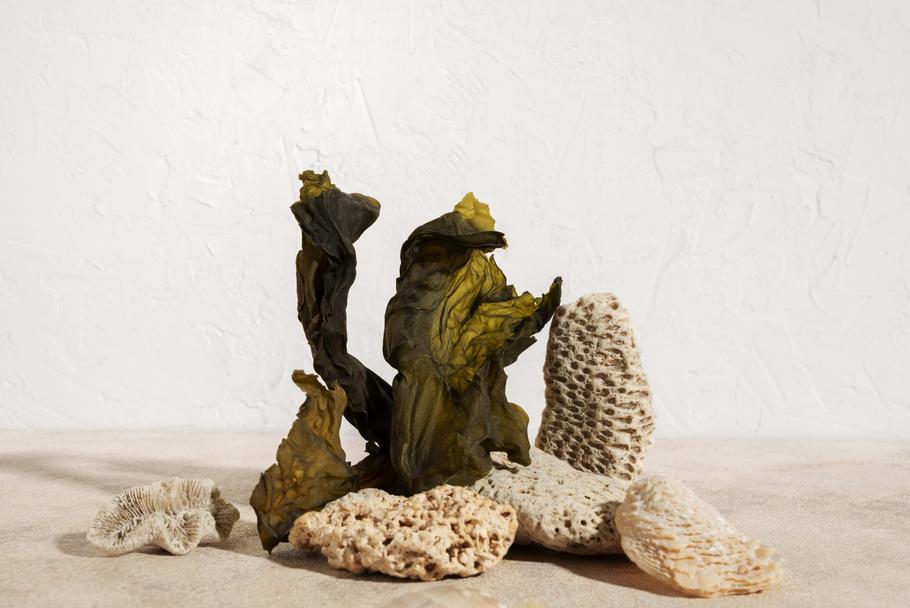
The Foundations of Rockwork: Dragon Stone and Seiryu Stone
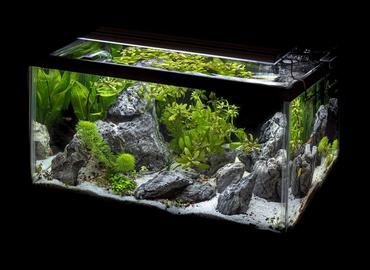
Rocks are often the most dramatic elements in an aquarium, providing vertical scale, contrast, and vital hiding places for inhabitants. Two of the most iconic stones in the hobby are Dragon Stone and Seiryu Stone, though they serve very different purposes both aesthetically and chemically. Understanding these differences is crucial before you start stacking them in your tank.
Dragon Stone (Ohko Stone)
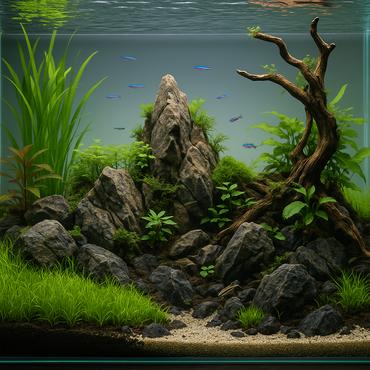
This sedimentary rock is a favorite for beginners because of its incredible texture and "clay-like" appearance. It features deep pits, crevices, and craters that resemble the scales of a mythical beast.
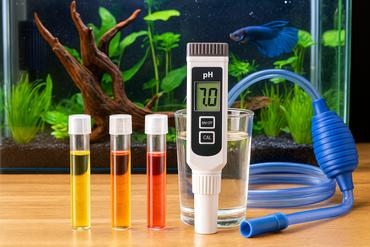
- Chemical Impact: One of the biggest benefits of Dragon Stone is that it is completely inert. It will not alter your pH, GH (General Hardness), or KH (Carbonate Hardness). This makes it the perfect choice for high-tech planted tanks or sensitive species like Caridina shrimp and soft-water South American dwarf cichlids.
- Practical Tip: Dragon Stone is literally hardened clay. It often arrives with dried mud and debris trapped deep within its crevices. If you don't clean it thoroughly with a toothbrush and pressurized water, your tank will remain cloudy for weeks.
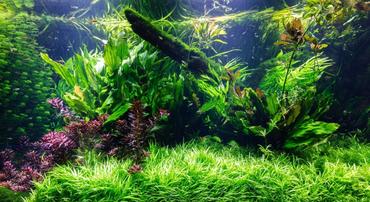
- Aquascaping Use: Its brownish-yellow hues pair beautifully with bright green "carpeting" plants like Monte Carlo or Hemianthus callitrichoides.
Seiryu Stone
Characterized by its sharp edges, deep gray color, and intricate white calcite veins, Seiryu is the gold standard for Japanese-inspired Iwagumi layouts. It provides a rugged, mountainous look that suggests an ancient, weathered landscape.
- Chemical Impact: Unlike Dragon Stone, Seiryu is a limestone-based rock. It contains calcium carbonate, which will slowly leach into the water, raising both the pH and the hardness. While this can be managed with CO2 injection or frequent water changes, it is something to monitor closely.
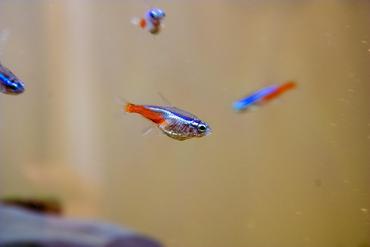
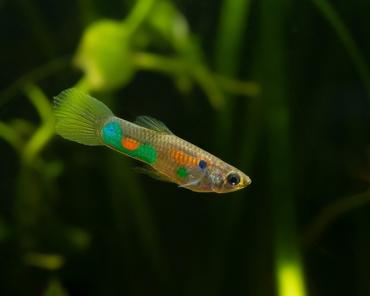
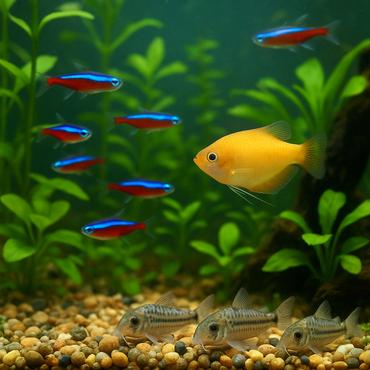
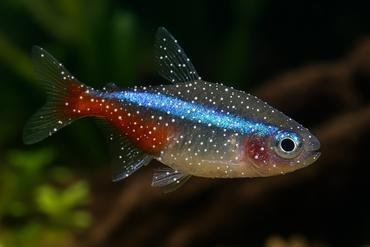
- Fish Compatibility: This stone is excellent for Livebearers (Guppies, Mollies, Platies) and African Cichlids that thrive in harder, alkaline water. However, if you are keeping soft-water fish like Neon Tetras or Chocolate Gouramis, Seiryu Stone may make it difficult to maintain their preferred parameters.
- Selection Tip: True Seiryu Stone is now harder to export from Japan. You will often find "Ryuoh Stone" sold as a substitute. It looks nearly identical and shares the same water-altering properties.
Adding Organic Flow with Spider Wood and Exotic Driftwood
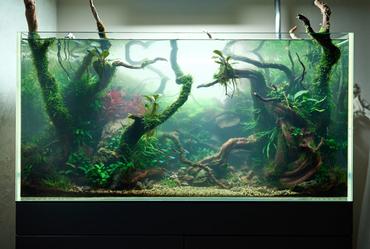
Wood adds a sense of age and maturity to an aquarium that rocks alone cannot achieve. While rocks provide the "bones," wood provides the "limbs" and "flow" of the scape. The most popular choice for modern aquascapers is Spider Wood, but understanding the nuances of various wood types will help you choose the right one for your specific livestock. For those just starting out, checking out our top 10 freshwater fish for beginners can help you decide which wood-heavy environment suits which fish.
Spider Wood (Azalea Root)
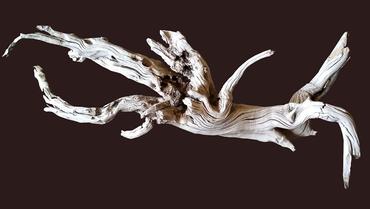
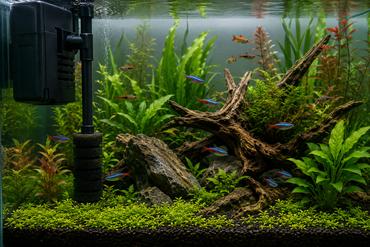
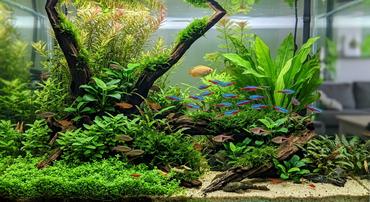
Known for its spindly, branching limbs, Spider Wood allows for intricate "tree-like" designs. It is lightweight, aesthetically versatile, and easy to moss over.
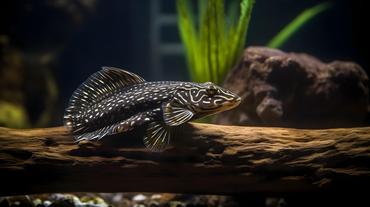
- The "Biofilm" Phase: Beginners are often alarmed when a white, gelatinous film appears on new Spider Wood. This is a harmless fungus feeding on leftover sugars in the wood. It is not dangerous and will be eagerly eaten by Bristlenose Plecos, Otocinclus, or Amano Shrimp.
- Buoyancy: Spider Wood is incredibly buoyant. It often requires soaking in a separate bucket for 1-4 weeks or being glued/bolted to a heavy rock to keep it from floating to the surface and ruining your layout.
Mopani and Malaysian Driftwood
These are much denser, darker woods. They sink almost immediately and are rich in tannins.
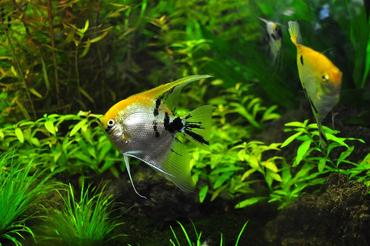
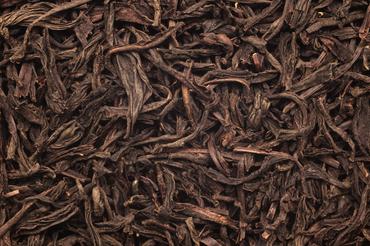
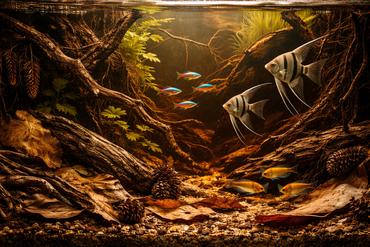
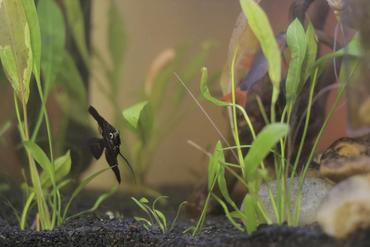
- Tannins and Blackwater: Tannins are organic compounds that tint the water a tea-like color. While some hobbyists prefer crystal-clear water, many species—such as Discus, Angelfish, and Rasboras—thrive in "blackwater" conditions. Tannins have natural antifungal and antibacterial properties and help lower the pH of the water.
- Durability: Because these woods are so dense, they take many years to break down. They are ideal for larger tanks where you want a permanent, unchanging structure.
Cholla Wood
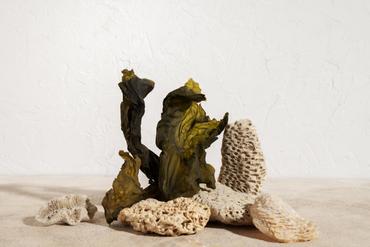
This is actually the dried skeleton of a cactus. It is hollow and filled with small holes, making it the ultimate playground for dwarf shrimp. It breaks down faster than other woods, providing a constant source of biofilm for shrimp to graze on. To understand how these organic materials impact your tank's ecosystem, read our guide on water chemistry basics for freshwater aquariums.
Advanced Composition: The Rule of Thirds and Focal Points
One of the most common beginner mistakes is "centering"—placing a single large rock or piece of wood right in the dead center of the tank. This creates a symmetrical look that feels "manufactured" rather than natural. To create a professional-looking scape, you should utilize the "Rule of Thirds."
Imagine your aquarium glass is divided into a 3x3 grid. Your primary focal point should be placed on one of the four intersecting lines of that grid. This creates an asymmetrical balance that draws the eye across the entire tank, making the space feel larger and more dynamic.
Creating Depth and Perspective
- Substrate Sloping: Never leave your substrate flat. Slope it so it is 1 inch deep at the front glass and 4-6 inches deep at the back. This "hills" effect adds immediate 3D depth.
- The Path Technique: Use cosmetic sand (like La Plata sand) to create a winding path that starts wide at the front and tapers to a thin point as it disappears behind a rock in the back. This tricks the brain into seeing distance.
- Size Scaling: Place your largest, most textured rocks in the foreground and smaller, smoother stones in the background. This mimics atmospheric perspective found in nature.
The Golden Ratio
When using rocks, try to use an odd number (3, 5, or 7). Even numbers often look too "paired" or arranged. In a classic Iwagumi layout, you have one "Oyaishi" (the main stone), flanked by smaller "Fukuishi" (assistant stones) and "Suteishi" (sacrificial stones that may eventually be covered by plants).
Hardscape Care and Environmental Considerations
Your hardscape is not just decoration; it is a functional part of the aquarium's filtration and biological cycle. However, it requires maintenance to keep it from becoming an eyesore. If you're struggling with keeping your surfaces clean, you might need to review how to properly clean your aquarium substrate, as detritus often collects where the rock meets the sand.
Algae Management on Hardscape
Hardscape is the first place algae will strike. Green Spot Algae (GSA) loves rocks, while Black Beard Algae (BBA) prefers the high-flow areas on the tips of driftwood.
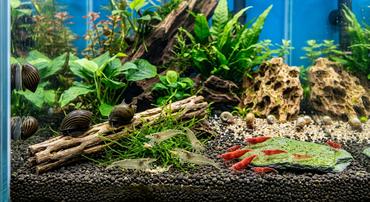
- Prevention: Use "Algae Eaters" like Nerite Snails or Siamese Algae Eaters to keep surfaces polished.
- Treatment: During a water change, you can "spot treat" stubborn algae by applying a small amount of Hydrogen Peroxide or Excel directly onto the affected area of the rock (ensure the filter is off during this process).
Stability and Safety
Large rock formations can be incredibly heavy. If a fish (like a Cichlid or a Loach) digs under a rock, the entire structure could shift, potentially cracking the bottom glass of the tank.
- Egg Crate: Many professionals place a layer of plastic "egg crate" (light diffuser) on the bottom glass before adding rocks. This distributes the weight and prevents point-pressure cracks.
- Aquarium Glue: Use cyanoacrylate gel or specialized aquarium epoxy to bond rocks and wood together. This ensures that your masterpiece stays exactly as you designed it during maintenance or high-energy fish activity.
Livestock Compatibility: Matching Hardscape to Your Fish
Before you commit to a specific hardscape style, you must consider the physical and behavioral needs of your inhabitants. Not every fish is suited for every type of rock or wood.
The "Fin-Tear" Test
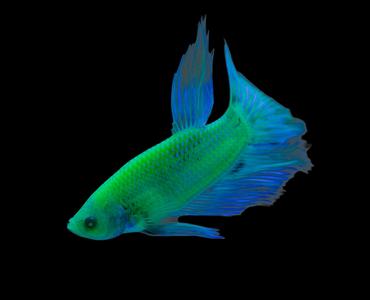
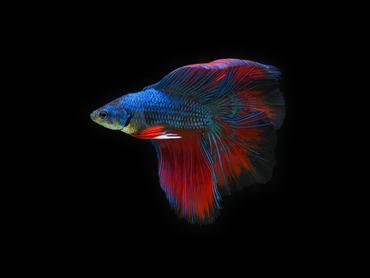
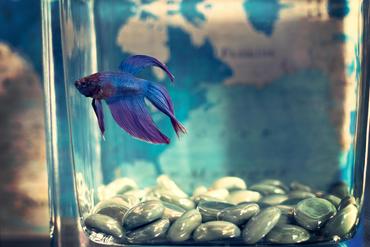
If you are keeping long-finned varieties like Betta fish, Fancy Guppies, or Long-fin Rosy Barbs, you must be extremely careful. Seiryu Stone and some types of Dragon Stone have edges sharp enough to slice through delicate fins. For these fish, stick to smooth river stones, Manzanita wood, or heavily sanded Mopani. If you can run a pair of pantyhose over the hardscape without it snagging, it is safe for long-finned fish.
Cichlids and Territoriality
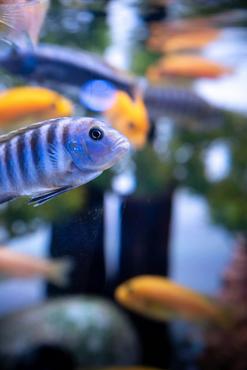
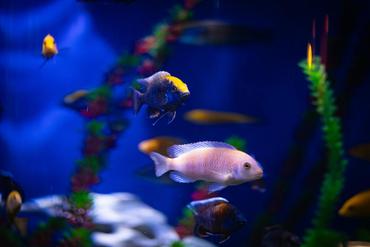
African Cichlids from Lake Malawi or Tanganyika require "rock piles" with many "sight-line breaks." This allows bullied fish to escape the view of dominant males. For these tanks, using neutral stones like Hole Rock (Texas Holey Rock) is ideal as it also buffers the water to the high pH these fish require.
Bottom Dwellers
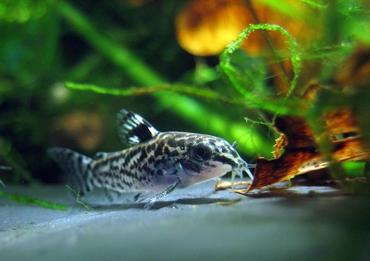
Corydoras and Khuli Loaches have sensitive barbels (whiskers). If your hardscape consists of sharp, volcanic rock or rough lava stone, they will eventually wear down their barbels, leading to infections. Always provide these fish with smooth surfaces and sandy "beaches" around your hardscape elements.
Common Hardscaping Mistakes to Avoid
Even intermediate hobbyists fall into traps that can lead to a "re-scape" only months after a tank is established. Here are the pitfalls to watch out for:
- Lack of Scale: Using rocks that are too small for the tank size. Once plants grow in, small rocks will disappear. Always choose hardscape that looks "too big" for the empty tank—once you add substrate and plants, it will look just right.
- Inconsistent Materials: Mixing Dragon Stone with Seiryu Stone or mixing four different types of wood. In nature, you rarely see completely different geological formations in the same six-foot radius. Stick to one type of rock and one type of wood for a cohesive, natural look.
- Blocking Flow: Placing a massive, solid wall of rock directly in front of your filter outlet. This creates "dead zones" where waste accumulates and oxygen levels drop. Ensure water can circulate around and through your hardscape.
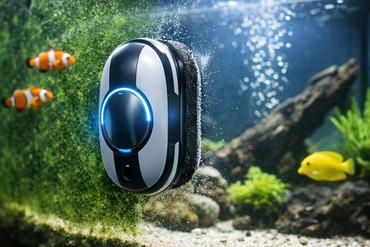
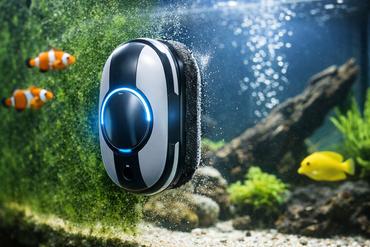
- Forgetting the "Maintenance Gap": Placing rocks or wood too close to the side glass. You need enough space to fit a magnetic glass cleaner or a scraper between the hardscape and the glass. If you don't leave this gap, you will have permanent patches of algae on your side panels.
The Final Takeaway: Building Your Underwater Masterpiece
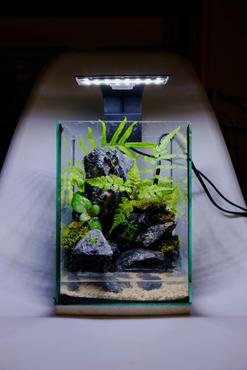
Mastering aquarium hardscaping is a journey of trial and error. The most important thing to remember is that the hardscape is the "anchor" of your ecosystem. It influences your water chemistry, provides safety for your fish, and serves as the canvas for your aquatic plants. By selecting the right materials—whether it is the inert beauty of Dragon Stone or the tannin-rich depths of Malaysian Driftwood—you are setting yourself up for long-term success. A well-planned hardscape makes maintenance easier and provides a more stable environment for your pets.
As you begin your next project, take your time during the "dry scape" phase. Arrange your rocks and wood in an empty box or on a table before placing them in the tank. Take photos, walk away, and come back with fresh eyes. Once you are satisfied, the rest of the process—planting and adding fish—will fall into place seamlessly. We encourage you to share your progress with the community and continue exploring our library of guides to perfect your hobbyist skills. Happy scaping!
MOST RECENT ARTICLES