CO2 FOR PLANTED AQUARIUMS: A BEGINNER’S GUIDE TO HEALTHIER, FASTER GROWTH
The Science of Carbon: Why Your Plants are Starving
To understand why CO2 is so vital, we must look at the fundamental biology of aquatic flora. In nature, plants have access to a vast volume of water and constant gas exchange from the atmosphere, along with carbon-rich runoff from the surrounding land. In an aquarium, the environment is isolated. Once your plants consume the small amount of CO2 naturally produced by fish respiration and surface agitation, they hit a biological wall. This is known as a carbon-limited environment.
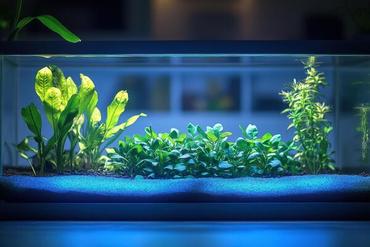
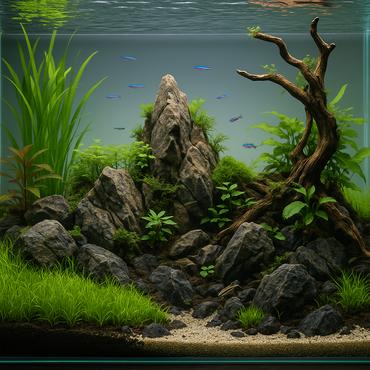
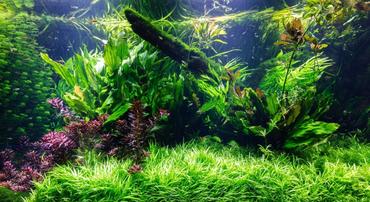
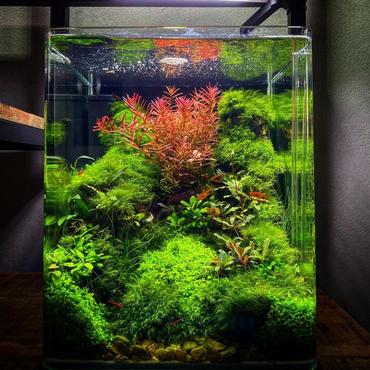
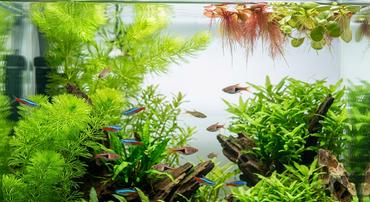
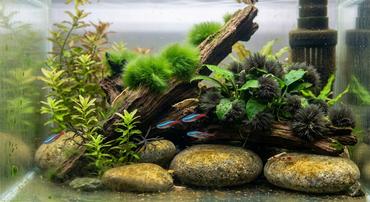
When you increase the light intensity over your aquarium, you are essentially telling your plants to work faster. If the carbon is not available to match that light energy, the plants cannot complete the process of photosynthesis effectively. This imbalance causes the plants to leak organic carbons into the water, which serves as a dinner bell for algae. By supplementing CO2, you are providing the necessary building blocks for plant tissue. Carbon makes up approximately 40% to 50% of a plant's dry mass. Without it, you are trying to build a house without the bricks. By saturating the water with a controlled amount of CO2, you allow plants like Dwarf Hairgrass or Glossostigma to form the thick, rolling carpets that characterize high-end aquascapes.
Furthermore, CO2 influences the bioavailability of other nutrients. When plants are photosynthesizing at their peak, their "cation exchange capacity" increases, allowing them to pull minerals like iron, potassium, and magnesium from the water column more efficiently. This is why plants in CO2-injected tanks often look much more colorful; they are literally better nourished at a cellular level. For beginners, understanding this relationship is the first step toward moving away from "survival mode" and into a phase of true aquatic gardening.
Types of CO2 Systems: Choosing Your Hardware
The marketplace for CO2 equipment can be overwhelming, but most systems fall into three distinct categories based on how the gas is generated and regulated. Choosing the right one depends on your tank size, budget, and how much "hands-on" time you want to spend on maintenance.
- DIY Yeast Fermentation: This is the entry-level method often used by hobbyists testing the waters. It involves a mixture of sugar, water, and yeast in a sealed plastic bottle. As the yeast consumes the sugar, it releases CO2 as a byproduct. While it is the cheapest option, it has significant drawbacks. The pressure is inconsistent, the flow cannot be easily turned off at night, and the mixture must be replaced every two weeks. It is generally only recommended for tanks under 10 or 15 gallons.
- Citric Acid and Baking Soda (Chemical) Systems: These systems have gained massive popularity recently. They use two stainless steel canisters or a specialized dual-chamber bottle where a citric acid solution reacts with baking soda to create CO2 gas. Unlike yeast, these systems can be pressurized enough to use a solenoid valve and a fine needle valve. They offer much better control and are a fantastic middle-ground for 20- to 40-gallon tanks.
- Pressurized CO2 Cylinders: This is the ultimate solution for any serious planted tank. A pressurized system uses a heavy-duty aluminum or steel cylinder filled with liquid CO2. It requires a high-quality regulator to step down the thousands of pounds of pressure to a safe level. While the initial setup cost is higher, the long-term cost of refills is much lower than other methods. A 5lb cylinder can often run a 50-gallon tank for six months or more without any intervention.
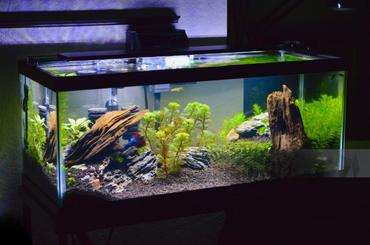
When selecting your system, consider your long-term goals. Many hobbyists find that they start with DIY methods only to upgrade to pressurized systems within a year. If you are serious about the hobby, investing in a high-quality regulator from the start will save you money and frustration. If you are just starting your journey, you might find our guide on how to setup a planted aquarium helpful for visualizing where the CO2 equipment fits into the overall design.
The Essential Components of a CO2 Setup
Getting the gas from the bottle into the water requires a chain of specialized equipment. Each piece plays a role in safety, efficiency, and monitoring. For a beginner, it is helpful to think of the CO2 path as a delivery line that needs constant checkpoints.
The Regulator and Solenoid
The regulator is the "brain" of the operation. It attaches directly to the cylinder and reduces the output pressure. Most modern regulators come with a solenoid valve—an electronic switch that can be plugged into a light timer. This is crucial because plants do not use CO2 at night. Turning off the CO2 when the lights are out saves gas and prevents your fish from suffocating. A high-quality regulator will have two gauges: one showing the pressure left in the tank and one showing the "working pressure" going to the aquarium.
The Needle Valve and Bubble Counter
Once the pressure is reduced, you need to control the flow with extreme precision. A needle valve allows you to adjust the flow down to a single bubble every few seconds. The bubble counter is a small clear chamber filled with water or glycerin that allows you to visually count how much gas is entering the tank. This is your primary way of measuring your "dosage." Beginners should start slowly, perhaps at 1 bubble per second (BPS), and monitor the results over several days.
The Diffuser
CO2 is difficult to dissolve in water. If you simply run a tube into the tank, large bubbles will float to the surface and pop, wasting the gas. A diffuser uses a fine ceramic disk to shred the gas into a "mist" of microscopic bubbles. These tiny bubbles have a much higher surface-area-to-volume ratio, allowing them to dissolve into the water before they reach the surface. For larger tanks, an "inline reactor" can be used, which connects to your canister filter hose and dissolves the CO2 completely before the water even enters the tank.
Check Valves and Drop Checkers
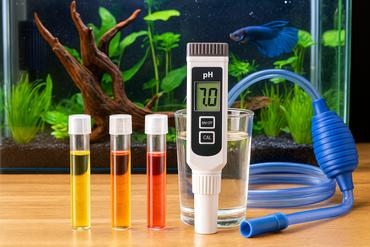
A check valve is a tiny, inexpensive piece of plastic that prevents water from siphoning back into your regulator when the gas is off. Never run a system without one. Finally, the drop checker is your safety monitor. It is a glass reservoir that sits inside the tank filled with a special pH-sensitive solution. If the solution turns blue, you need more CO2; if it turns yellow, you have too much and are endangering your fish; a bright "lime green" indicates the ideal concentration of approximately 30 parts per million (ppm).
Compatibility and Care: Keeping Fish Safe
The biggest fear beginners have regarding CO2 is "gassing" their fish. This happens when CO2 levels rise so high that the fish can no longer shed the CO2 from their own bloodstreams, leading to acidosis and suffocation. However, with a bit of care and observation, CO2 injection is incredibly safe.
Choosing Compatible Fish
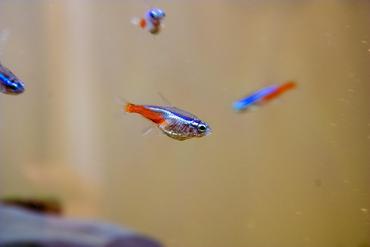
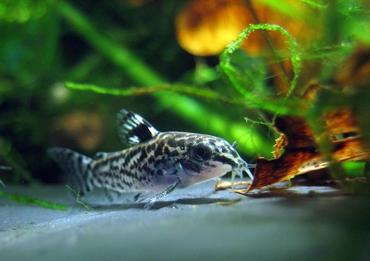
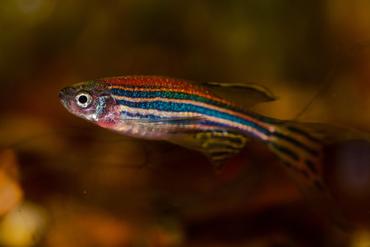
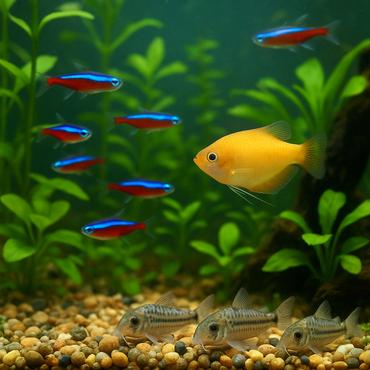
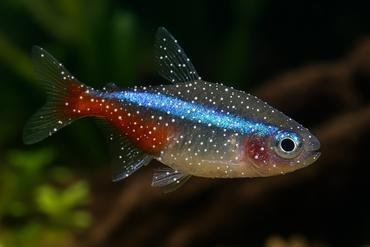
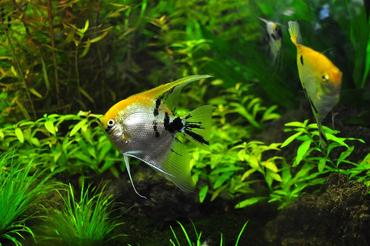
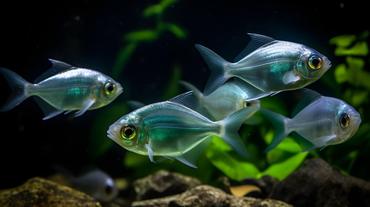
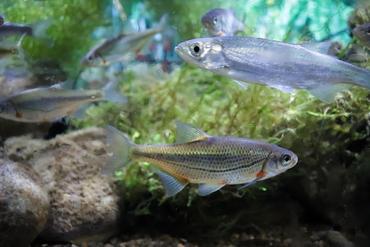
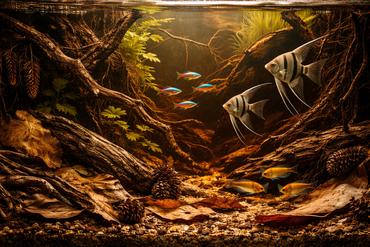
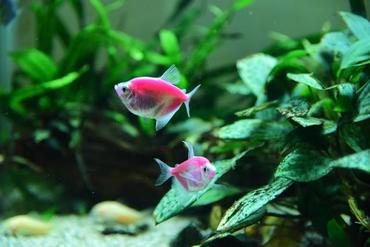
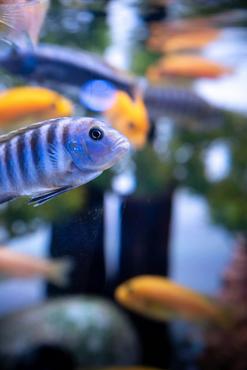
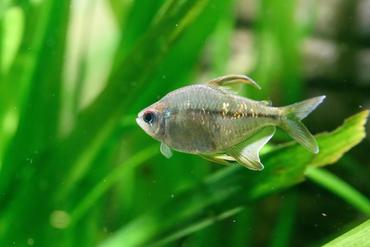
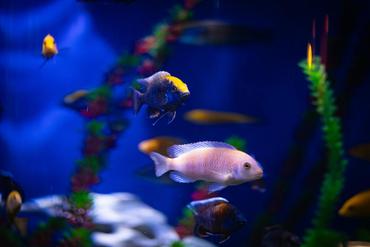
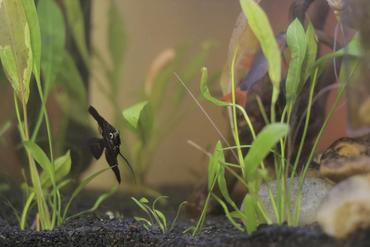
Most tropical fish thrive in the slightly acidic, soft-water conditions that CO2 injection creates. South American species like Neon Tetras, Rummynose Tetras, and Angelfish are perfect candidates. Even sensitive species like Discus benefit from the stable, low-pH environment. However, you must be cautious with "hard water" lovers. African Cichlids from Lakes Malawi or Tanganyika prefer high pH and high carbonate hardness; using CO2 in these tanks can be tricky and may stress the fish. If you are looking for hardy residents for your first high-tech tank, check out our list of top 10 best freshwater fish for beginners to find species that are forgiving of slight fluctuations.
The Role of Surface Agitation
There is a common myth that you should have zero surface movement in a CO2 tank to avoid "off-gassing." This is dangerous advice. While you don't want a splashing waterfall, you do need gentle surface ripples to ensure oxygen exchange. A tank with high CO2 and high Oxygen is much safer for fish than a tank with low CO2 and low Oxygen. Think of it as a two-way street: the CO2 goes in for the plants, and the O2 goes in for the fish. If you see your fish gasping at the surface, especially in the morning, your CO2 levels are likely too high or your surface agitation is too low.
Monitoring Invertebrates
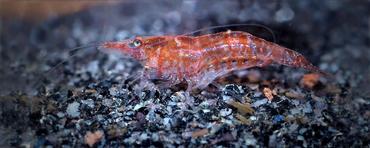
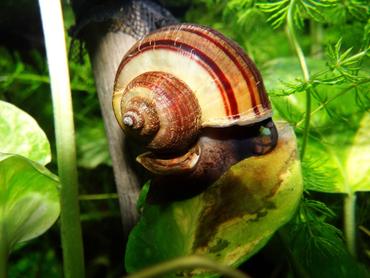
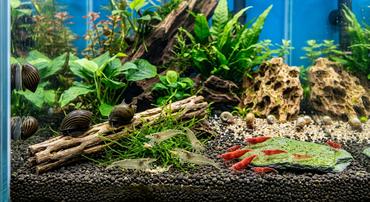
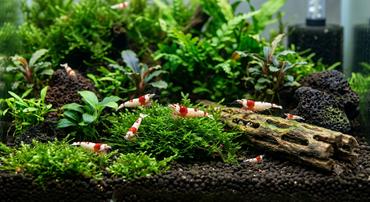
Freshwater shrimp, such as the popular Neocaridina (Cherry Shrimp) or Caridina (Crystal Reds), are much more sensitive to gas levels than fish. They also require specific mineral levels for molting. Because CO2 can impact the "perceived" hardness and pH of the water, it is vital to maintain a stable Carbonate Hardness (KH) of at least 3-4 degrees. This acts as a "buffer," preventing the pH from swinging wildly and crashing, which would be fatal to shrimp. Always introduce CO2 changes slowly over a week rather than all at once if you have a shrimp-heavy tank.
Optimizing the "Golden Triangle": Light, Nutrients, and CO2
To be successful with CO2, you must stop thinking of it as a standalone "magic potion" and start seeing it as one side of a triangle. The three sides are Light, Nutrients, and Carbon. If one side is longer than the others, the structure collapses, and algae moves in to fill the gap. This is the most common area where intermediate hobbyists struggle.
The Light Connection
Light is the driver. The more light you provide, the faster the plants want to grow, and the more CO2 they require. If you have high-powered LED lights but low CO2, your plants will starve while algae thrives on the excess light. Conversely, if you have high CO2 but very dim lights, the plants won't have the energy to use the carbon, and you risk gassing your fish for no benefit. Beginners should aim for a "medium" light setting when first starting with CO2 to give themselves a wider margin for error.
The Nutrient Connection
As plants grow faster due to CO2, they consume "macro" and "micro" nutrients at an accelerated rate. Nitrogen, Phosphorus, and Potassium (NPK) are the building blocks. If your plants have plenty of light and CO2 but run out of Potassium, they will develop holes in their leaves and eventually melt. This is why a "high-tech" tank almost always requires a daily or weekly liquid fertilizer regimen. You can learn more about this balancing act in our detailed post on the basics of aquarium plant nutrition.
The Algae Indicator
Algae is the best "test kit" you have. If you see Black Brush Algae (BBA), it is almost always a sign of fluctuating or insufficient CO2 levels. If you see Green Spot Algae, you might need more phosphates. If you see "Staghorn" algae, it often points to poor water circulation and "dead spots" where CO2 is not reaching. Instead of reaching for algaecides, use these signals to fine-tune your CO2 delivery and nutrient dosing. A healthy planted tank isn't one that has no algae; it's one where the plants are so healthy they simply don't leave any room for algae to take hold.
Maintenance and Troubleshooting Your System
A CO2 system is not a "set it and forget it" tool. It requires regular maintenance to ensure safety and efficiency. Every time you perform a water change, take a few seconds to inspect your CO2 hardware. Small leaks or clogged diffusers can lead to big problems over time.
- Checking for Leaks: Periodically spray a mixture of soapy water on the regulator connections and the tubing. If you see bubbles forming, you have a leak. This is the most common reason for cylinders running out prematurely. Ensure all connections are tightened with a wrench, not just finger-tight.
- Cleaning the Diffuser: Over time, the tiny pores in the ceramic disk will get clogged with algae or organic biofilm. This causes the bubbles to get larger and less efficient. Once a month, soak your diffuser in a mixture of 1:1 water and household bleach for 30 minutes, then rinse thoroughly with water and a de-chlorinator. It will come out looking brand new and working perfectly.
- Managing the "End of Tank Dump": As a CO2 cylinder becomes nearly empty, the internal pressure can fluctuate. Some lower-quality regulators may experience an "end of tank dump," where they suddenly release the remaining gas at a high flow rate. To prevent this, never let your tank run completely dry. When the high-pressure gauge enters the "red" zone, take the bottle in for a refill immediately.
- The Solenoid Test: Occasionally, a solenoid valve can get "stuck" in the open position due to heat or wear. Check your tank at night once in a while to ensure the bubbles have actually stopped. If the solenoid is staying open, it's time to clean the internal plunger or replace the unit.
By staying on top of these small tasks, you ensure that your investment continues to pay off in the form of a beautiful, healthy aquarium. Troubleshooting becomes second nature as you learn to read the "body language" of your plants and fish.
Taking the Next Step in Your Aquascaping Journey
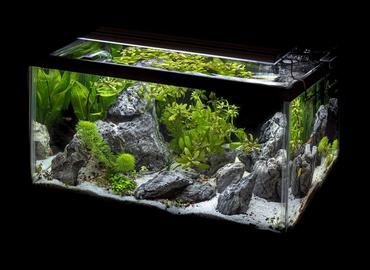
Adding CO2 to your planted aquarium is arguably the single most impactful change you can make as a hobbyist. It bridges the gap between a simple fish tank and a living piece of art. While the technical aspects of regulators, diffusers, and BPS can seem daunting at first, the core concept is simple: you are giving your plants the food they need to flourish. By understanding the balance between light, nutrients, and carbon, you gain total control over your underwater environment.
The rewards of a well-executed CO2 system are undeniable. You will see colors you never thought possible, growth rates that require weekly trimming, and a level of biological stability that makes fish keeping easier in the long run. Don't be afraid to start small—perhaps with a simple citric acid kit—and work your way up as your confidence grows. The most important thing is to observe, learn, and enjoy the process of watching your aquatic garden come to life.
If you found this guide helpful, we encourage you to explore our other resources on aquascaping design and advanced plant care. Do you have questions about which regulator to buy or how to dial in your bubble count? Join our community forums or leave a comment below to share your progress and get advice from fellow enthusiasts. Your dream of a lush, "pearling" underwater jungle is closer than you think—all it takes is a little bit of carbon and a lot of passion!
Summary of Key Takeaways
- CO2 is the primary building block of plant life; supplementing it prevents algae and promotes vibrant colors.
- Pressurized systems are the most reliable and cost-effective for long-term use, though DIY kits are available for small tanks.
- Safety is paramount: use a solenoid valve on a timer and a drop checker to monitor gas levels 24/7.
- Maintain the "Golden Triangle": balance your CO2 levels with appropriate lighting and a consistent fertilization schedule.
- Choose fish and invertebrates that thrive in the slightly acidic, soft-water conditions typical of high-tech planted tanks.
- Regular maintenance, such as cleaning the diffuser and checking for leaks, ensures the system remains safe and efficient.
Ready to see the difference CO2 can make? Start by assessing your current lighting and nutrient levels, and then choose a CO2 delivery method that fits your setup. Within weeks, you'll be witnessing the incredible transformation of your planted aquarium. Happy aquascaping!
MOST RECENT ARTICLES