THE PSYCHOLOGY OF FISHKEEPING: HOW VISUAL RHYTHMS IN AQUASCAPING REDUCE HUMAN STRESS

The Psychology of Fishkeeping: How Visual Rhythms in Aquascaping Reduce Human Stress
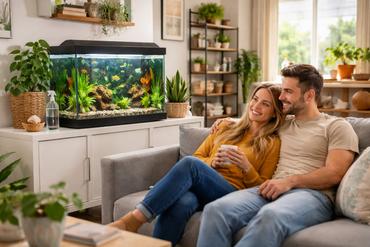
Fishkeeping is often seen as a relaxing hobby, but it offers far more than simply a means to pass the time. Beyond the aesthetic beauty of an aquarium, there’s a deeper psychological benefit to keeping fish and designing aquascapes. The gentle movements of fish, the rhythmic flow of water, and the careful arrangement of plants and rocks all create a visual environment that can significantly reduce human stress. In fact, aquascaping and fishkeeping are not only forms of artistic expression—they can also serve as a therapeutic escape that promotes relaxation, mindfulness, and mental well-being. In this article, we’ll dive into how visual rhythms in aquascaping can reduce stress and help create a tranquil, soothing environment that supports your psychological health.

The Role of Visual Rhythms in Stress Reduction

Visual rhythms are the repeated patterns and movements we observe in nature, and they can play a key role in reducing stress. For example, the fluid motions of fish swimming, the flow of water, or the soft swaying of aquatic plants all form subtle, repetitive rhythms that evoke a sense of calm. When we observe these patterns, our brains respond by releasing neurotransmitters such as dopamine and serotonin, which are known to elevate mood and reduce anxiety. This is why people often feel relaxed and at ease when watching an aquarium.

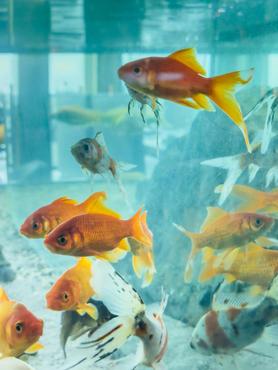
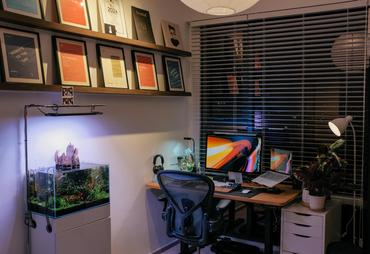
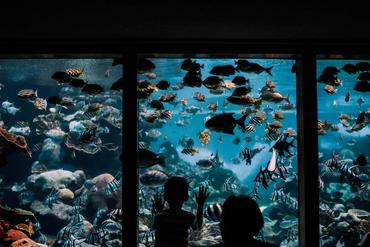
In fact, research has shown that just watching fish swim in an aquarium can lower blood pressure and reduce symptoms of stress and anxiety. The movements of the fish and the interplay of light and water create a soothing environment that encourages mindfulness, which in turn leads to greater emotional well-being. These visual rhythms have a meditative quality, which is why aquariums are frequently used in therapeutic settings such as waiting rooms, offices, and even hospitals to promote relaxation and reduce stress.

The Psychological Impact of Water and Fish Movement

One of the primary factors contributing to the stress-relieving qualities of aquariums is the movement of both water and fish. Whether it’s the ripples created by a filter or the gentle swaying of plants in the current, these natural motions mimic the rhythms found in nature, which humans instinctively associate with peace and tranquility. The sight of water flowing and fish gliding smoothly through it triggers a relaxation response in the human brain, helping to soothe an otherwise anxious or overstimulated mind.

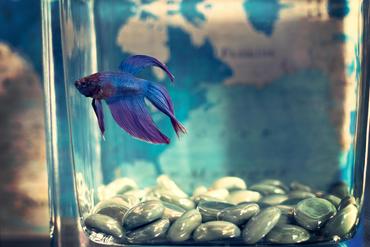
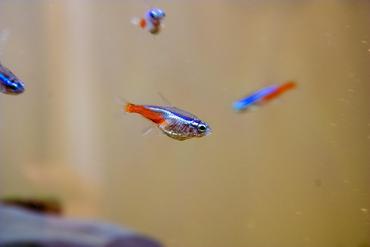
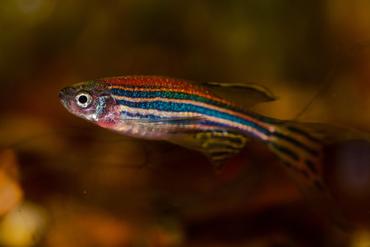
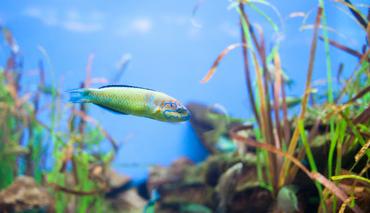
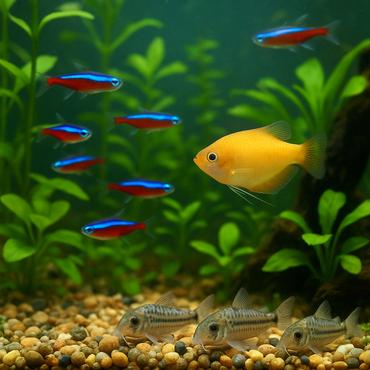
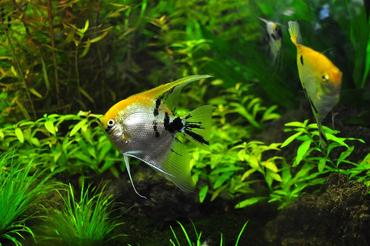
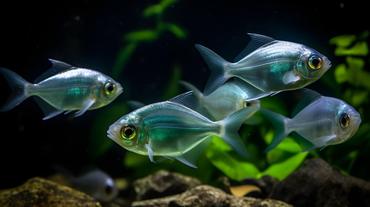
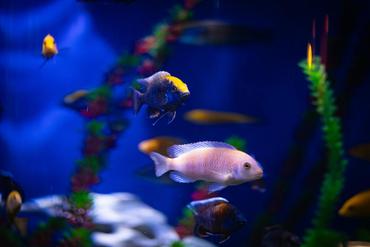
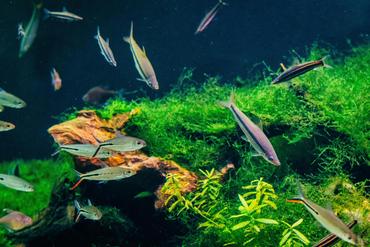
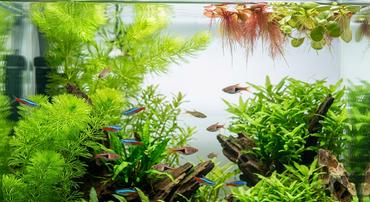
Different fish species offer varying visual effects depending on their swimming patterns. Slow-moving fish like Betta fish or Angelfish create a calming atmosphere with their graceful, fluid movements. In contrast, schooling fish such as Neon Tetras or Zebra Danios swim in synchronized patterns, creating a dynamic yet still peaceful rhythm in the tank. These contrasting movements—both slow and fast—combine to create a variety of visual experiences, making the aquarium a constantly evolving, engaging, and calming space.

Here are a few examples of fish species that contribute to a relaxing tank environment:

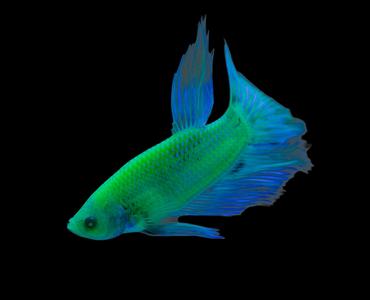
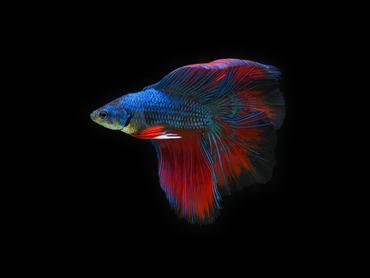
  • Betta Fish: Known for their slow, deliberate movements, Betta fish are one of the most popular choices for aquascaping. Their beautiful, flowing fins and elegant swimming patterns add a tranquil touch to the aquarium.
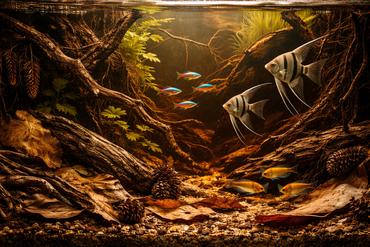
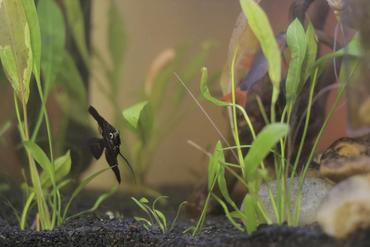
  • Angelfish: With their graceful, gliding movements, Angelfish create a calming, almost hypnotic effect in the aquarium. Their slow, fluid swimming patterns make them ideal for creating a peaceful, zen-like environment.
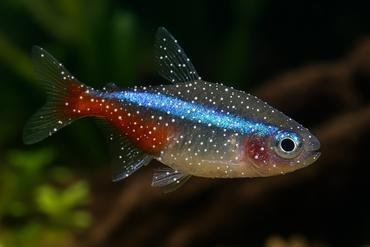
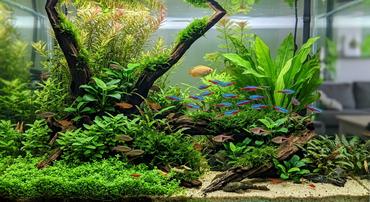
  • Neon Tetras: These small, brightly colored fish swim in tight schools, creating synchronized movements that can have a hypnotic, soothing effect. Their vibrant hues of blue and red add color while still maintaining a sense of calm.
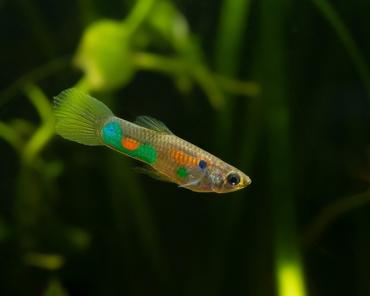
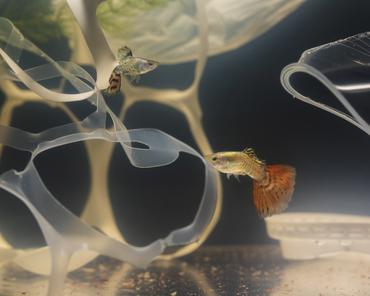
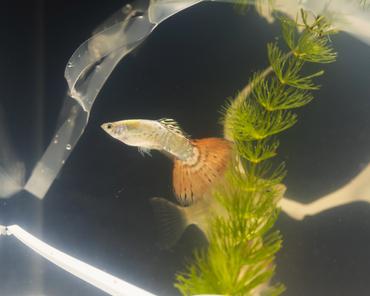
  • Guppies: These lively, active fish are often seen darting around the tank in quick, unpredictable movements. Despite their energetic nature, their small size and colorful appearance still contribute to a visually engaging yet calming display.

How Aquascaping Creates a Harmonious Environment

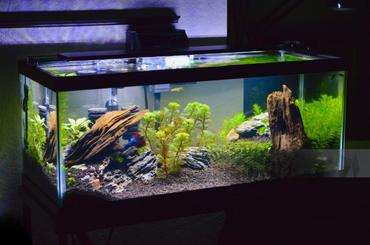
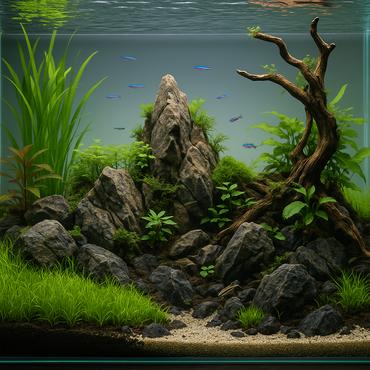
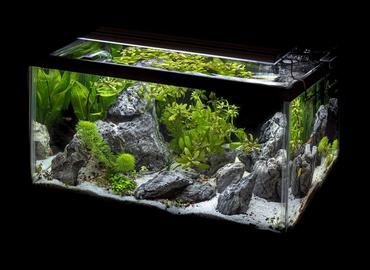
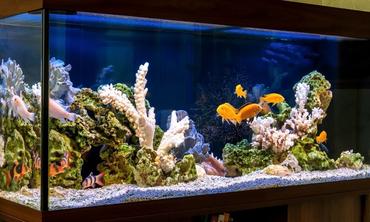
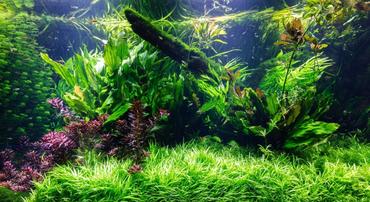
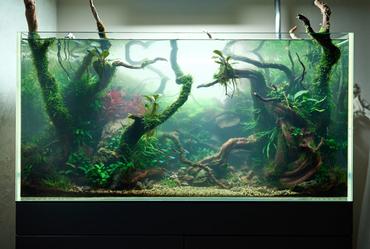
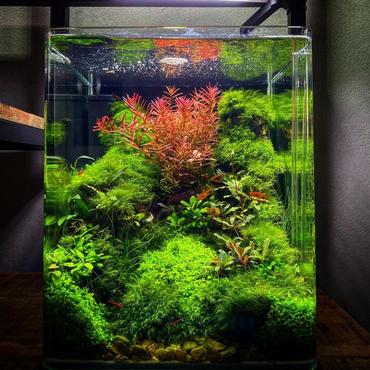
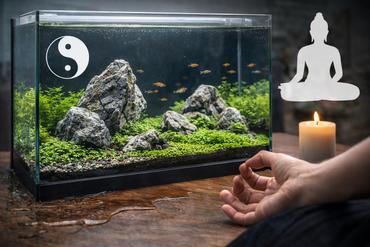
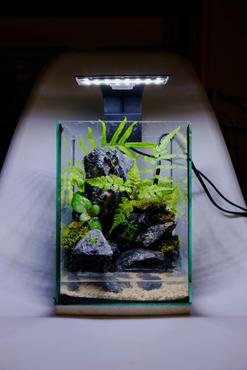
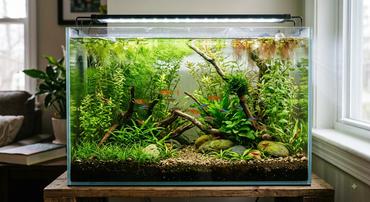
While fish movement plays a significant role in creating visual rhythm, the layout and design of the aquarium itself are just as important. Aquascaping—the art of arranging plants, rocks, driftwood, and other elements within the aquarium—can help establish a balanced, peaceful environment that reduces stress and promotes relaxation. The visual rhythm created through thoughtful aquascaping has a direct impact on how the human mind perceives the space and can evoke a sense of harmony, serenity, and order.

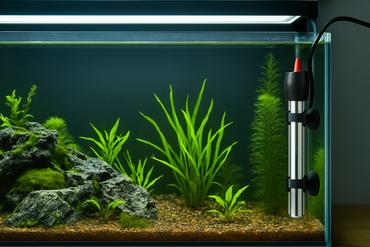
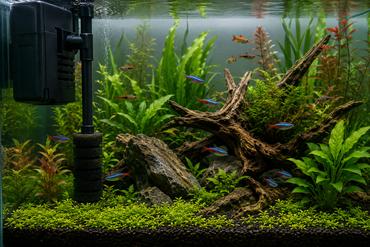
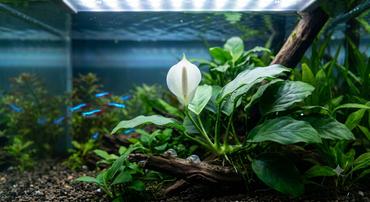
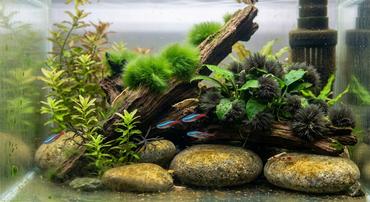
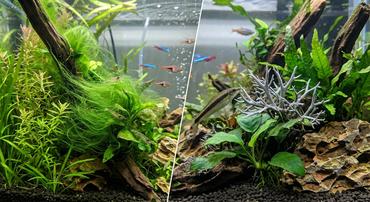
A well-designed aquascape takes inspiration from nature, focusing on creating a balanced ecosystem that mirrors the natural beauty of rivers, lakes, or coral reefs. The use of flowing lines, natural curves, and asymmetrical designs can help guide the viewer’s gaze and create a calming flow throughout the tank. Incorporating plants that sway gently in the current, placing rocks and driftwood strategically, and ensuring that the overall design feels harmonious and natural all contribute to a visually pleasing environment.


To create a tank that reduces stress, focus on these key aquascaping principles:

  • Flowing plants: Choose plants with soft, flowing leaves or long fronds, such as Java Fern or Water Wisteria. These plants move gracefully with the water flow, enhancing the overall rhythm of the tank.
  • Balanced composition: A balanced aquascape ensures that your tank’s layout isn’t too chaotic or overcrowded. Use natural shapes and sizes to create harmony, placing large objects like rocks and driftwood strategically to avoid visual clutter.
  • Depth and perspective: Incorporating depth into your tank design—through background plants, rocks, and substrate gradients—helps create the illusion of a larger, more expansive underwater environment. This adds a sense of tranquility by mimicking the depth and complexity of natural landscapes.
  • Natural hardscaping: Incorporate rocks, driftwood, or other natural elements that not only enhance the visual flow but also provide hiding places and shelter for your fish. These elements add structure to the tank while maintaining a sense of natural beauty.

If you're looking to enhance your tank's design, check out our beginner’s guide to aquascaping for tips on how to create a harmonious tank layout.

The Therapeutic Power of Color in Aquariums

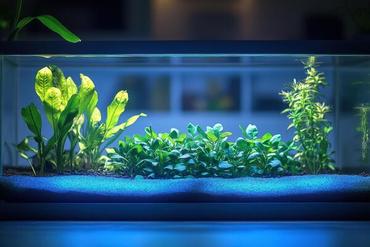
Color plays a pivotal role in how we experience an aquarium. Just like in other areas of design, the colors used in an aquarium can evoke a range of emotions and psychological responses. For example, warm colors like red, yellow, and orange are often associated with energy and excitement, while cooler tones like blue, green, and purple tend to evoke a sense of calm and relaxation. By carefully selecting fish, plants, and decorations with complementary colors, you can create a tank that not only looks beautiful but also promotes a soothing atmosphere.


One of the most calming colors for both fish and aquascaping elements is blue. It’s a color commonly associated with water and sky, both of which have natural, calming effects. Adding blue-hued fish like Blue Gouramis or Blue Rams can introduce peaceful, serene tones into your tank, while the use of green plants like Anubias or Java Moss adds a refreshing, natural vibe. The combination of these colors helps reduce stress and promotes a sense of well-being.

Here are some examples of fish species and plants that contribute to a calming, visually appealing aquarium:

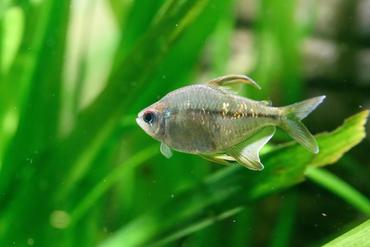
  • Blue Fish Species: Blue Gouramis, Blue Tetras, and Blue Rams are excellent choices for introducing calming blue hues into your tank. Their cool colors promote relaxation and tranquility.
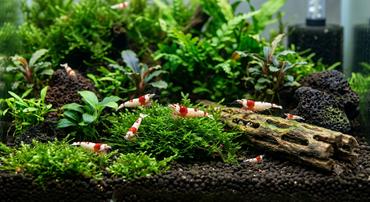
  • Green Plants: Plants like Java Moss, Anubias, and Amazon Sword offer calming green tones that enhance the peaceful atmosphere of the aquarium.
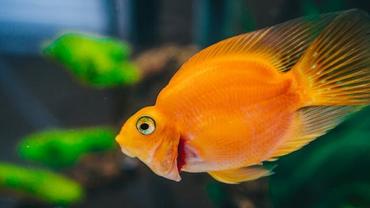
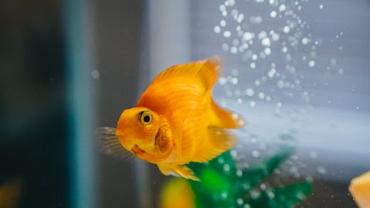
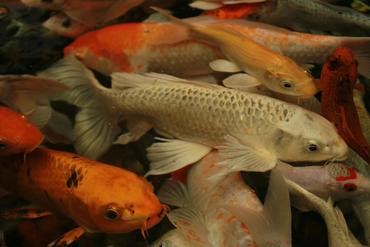
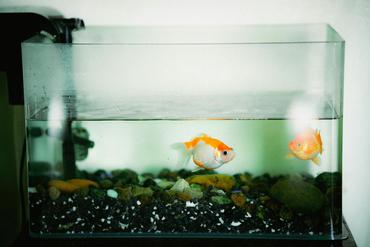
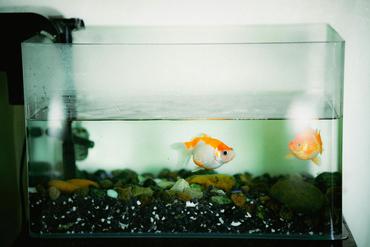
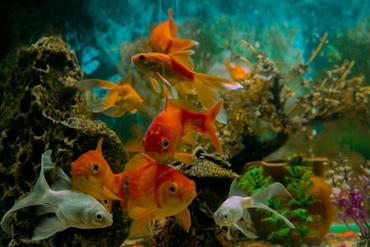
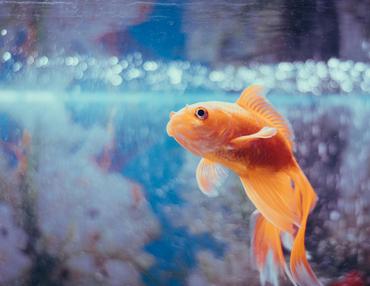
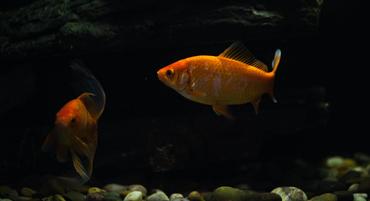
  • Warm Accent Colors: While cool colors should dominate the tank, a few warm-toned species like Goldfish or Koi can create a vibrant contrast without detracting from the overall sense of calm.

Compatibility and Care Considerations for a Stress-Reducing Aquarium

While the visual appeal of your aquarium is crucial to its stress-reducing effects, it’s also important to consider the compatibility of your fish species. Some fish can be aggressive or territorial, disrupting the peaceful atmosphere you’re trying to create. To maintain a harmonious tank, carefully select species that are compatible in terms of behavior, size, and water requirements.

Here are a few tips for creating a stress-free tank that fosters harmony between your fish and promotes a relaxing environment:

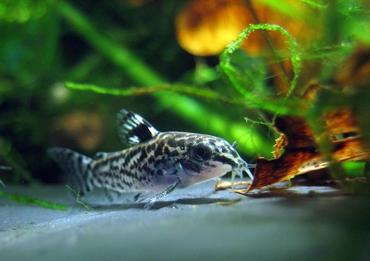
  • Choose peaceful fish: Species like Neon Tetras, Guppies, and Corydoras Catfish are generally peaceful and get along well with other species, making them ideal for a stress-free aquarium.
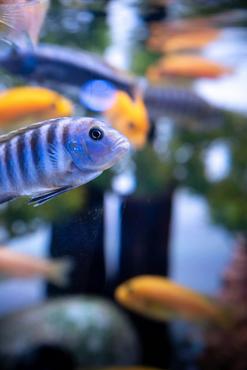
  • Avoid aggressive species: Fish like Cichlids and certain types of Bettas can be territorial and aggressive. While beautiful, they may disrupt the calming environment you want to create.
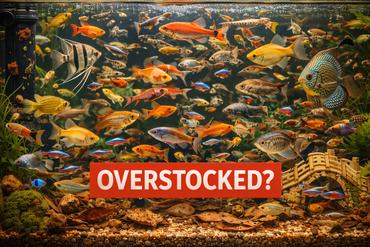
  • Ensure proper tank size: Overcrowding can lead to stress for both the fish and the aquarium owner. Make sure your tank is large enough to accommodate the fish you’ve chosen comfortably.
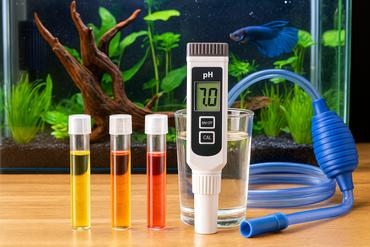
  • Maintain water quality: Poor water quality can cause stress for your fish and negatively affect the overall atmosphere of the tank. Regular water changes, proper filtration, and monitoring of water parameters are essential for maintaining a healthy, stress-free environment.

For a more in-depth look at fish compatibility, check out our comprehensive fish compatibility guide.

Takeaway: Creating a Stress-Reducing Aquarium

Fishkeeping offers much more than the joy of caring for your aquatic pets—it provides a peaceful, stress-relieving environment that promotes relaxation, mindfulness, and emotional well-being. By focusing on the psychological effects of visual rhythms, incorporating calming fish species, and designing a harmonious aquascape, you can create an aquarium that not only looks beautiful but also helps reduce stress and anxiety. Whether you’re a beginner or an experienced hobbyist, aquascaping offers a therapeutic escape that promotes mental clarity and relaxation.

For further insights into creating the perfect stress-reducing aquarium, explore our other resources here on RateMyFishTank, and start building your tranquil underwater world today.

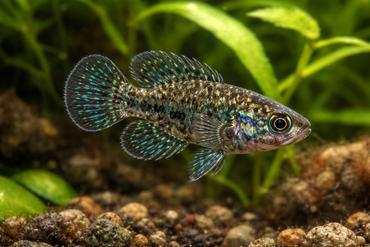
Small But Mighty: A Guide to Keeping the Everglades Pygmy Sunfish (Elassoma evergladei)
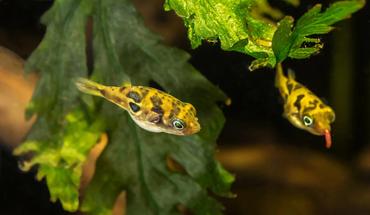
Deep within the slow-moving blackwater swamps and densely vegetated ditches of the Southeastern United States dwells a tiny titan that has captured the hearts of nano-aquarium enthusiasts worldwide: the Everglades Pygmy Sunfish (Elassoma evergladei).
Managing "Old Tank Syndrome": Rejuvenating Long-Term Established Systems
As your aquarium matures, it’s natural to feel a sense of pride watching your aquatic ecosystem grow and thrive.

MOST RECENT ARTICLES

The Psychology of Fishkeeping: How Visual Rhythms in Aquascaping Reduce Human Stress
THE PSYCHOLOGY OF FISHKEEPING: HOW VISUAL RHYTHMS IN AQUASCAPING REDUCE HUMAN STRESS
Fishkeeping is often seen as a relaxing hobby, but it offers far more than simply a means to pass the time.
Small But Mighty: A Guide to Keeping the Everglades Pygmy Sunfish (Elassoma evergladei)
SMALL BUT MIGHTY: A GUIDE TO KEEPING THE EVERGLADES PYGMY SUNFISH (ELASSOMA EVERGLADEI)
Deep within the slow-moving blackwater swamps and densely vegetated ditches of the Southeastern United States dwells a tiny titan that has captured the hearts of nano-aquarium enthusiasts worldwide: the Everglades Pygmy Sunfish (Elassoma evergladei).
The Therapeutic Tank: How Fishkeeping Helps Manage ADHD, Anxiety, and Sensory Processing Disorders
THE THERAPEUTIC TANK: HOW FISHKEEPING HELPS MANAGE ADHD, ANXIETY, AND SENSORY PROCESSING DISORDERS
For many aquarium enthusiasts, the hobby begins with the simple desire to bring a piece of the natural world indoors, yet they quickly discover that the rhythmic swaying of aquatic plants and the gentle glide of fish offer much more than aesthetic appeal.

Rate This Tank:

GENERAL AQUARIUM ARTICLES
Father Fish–Style Natural Aquariums: What Beginners Should Know
Natural aquariums are often described as “set it and forget it,” but the truth is calmer and more practical: you trade constant cleaning for thoughtful setup, steady habits, and time.
Top Fish for Community Tanks
Creating a thriving community aquarium is one of the most rewarding experiences in the fish-keeping hobby, offering a dynamic window into a complex underwater ecosystem.
Top 10 Beginner-Friendly Freshwater Fish (Ranked by Ease of Care)
Diving into the world of freshwater aquariums is an exhilarating journey, but for many beginners, the initial excitement is often met with the daunting challenge of keeping their new aquatic residents alive and thriving.
How to Keep Your Tank Safe During a Power Outage
A power outage is every aquarium hobbyist’s worst nightmare, often striking at the most inconvenient times—during a summer thunderstorm or a winter blizzard.
Community Fish Compatibility Guide
Creating a thriving community aquarium is one of the most rewarding aspects of the fish-keeping hobby, but it requires much more than simply picking out the most colorful fish at the local pet store.
AI and Smart Technology in Aquariums: The Future of Fishkeeping
Technology is transforming the aquarium hobby faster than ever before.
Top 10 Nano Predators (and How to Keep Them Peacefully)
The allure of the predatory fish has long been a driving force in the aquarium hobby, drawing enthusiasts toward the raw, primal energy of nature's most efficient hunters.
Aquarium Temperature Guide: What’s Best for Your Fish?
Maintaining the perfect environment for your aquatic pets is a delicate balancing act, and temperature is arguably the most critical variable in the equation.
Best Fish for a 10 Gallon Tank with Plants
Setting up a 10-gallon planted aquarium is one of the most rewarding projects a hobbyist can undertake, offering a perfect slice of nature that fits comfortably on a desk or side table.
Beginner-Friendly Oddball Fish: Unique Species That Work in Small Tanks
Want something cooler than guppies and tetras in your small aquarium, but not ready for ultra-demanding species?
Aquarium Water Changes: How Often and How Much?
Maintaining a thriving aquarium is often described as a balancing act, and no single task is more critical to that balance than the routine water change.
Betta Fish in a Planted Tank: Setup, Care & Mistakes to Avoid
The Betta fish, with its cascading fins and kaleidoscopic colors, has long been the victim of the "bowl" myth, but modern aquarists are finally recognizing that these intelligent, labyrinth-breathing creatures truly flourish when placed in a living, breathing ecosystem.
Overstocking Myths vs Reality
Setting up a new aquarium is an exercise in restraint that many hobbyists, both beginners and seasoned veterans, find difficult to master.
Best Fish for a 10-Gallon Tank with Plants: Top Choices for a Thriving Nano Aquarium
Starting a 10-gallon aquarium is one of the most exciting entries into the fish-keeping hobby, offering a perfect balance between a manageable footprint and enough space to create a stunning underwater garden.
What Are GloFish and How Do You Care for Them?
Bright, glowing fish that look like they belong in a science fiction movie have become a familiar sight in modern aquariums.
Fishless Cycling vs Fish-In Cycling: Which Method Is Best for Your Aquarium?
Setting up a new aquarium is one of the most exciting moments in the fishkeeping hobby—but it’s also where most beginners unintentionally make mistakes that lead to stressed fish, disease outbreaks, or early losses.
Our Guide to How Often to Feed Aquarium Fish
One of the most common questions every aquarist asks—from the first-time Goldfish owner to the seasoned reef enthusiast—is exactly how often those hungry mouths should be fed.
Blackwater & Biotope Aquariums (Natural-Style Boom)
For decades, the gold standard of the home aquarium was a pristine, crystal-clear box of water, often decorated with neon gravel and plastic plants that bore little resemblance to the wild.
Sustainable & Ethical Fishkeeping
Bringing a slice of the underwater world into your home is a rewarding experience, but as the hobby grows, so does our responsibility to ensure that our passion doesn’t come at the expense of the environments we admire.
Driftwood in Aquariums: Benefits, Types, and How to Prepare It Safely
Adding a piece of driftwood to your aquarium is one of the most transformative decisions you can make as a hobbyist, shifting your tank from a simple glass box to a vibrant, living slice of nature.
History Of Fish Keeping As A Hobby
Fish keeping is one of the world’s oldest and most enduring hobbies, blending art, science, and a deep fascination with aquatic life.
CO2 for Planted Aquariums: A Beginner’s Guide to Healthier, Faster Growth
While many aquarium hobbyists start their journey with low-light plants like Anubias or Java Fern, they often find themselves wondering why their tanks do not look like the lush, vibrant underwater jungles seen in professional aquascaping competitions.
Blackwater Aquariums: How Tannins Improve Fish Health and Reduce Stress
The mysterious, tea-colored depths of a blackwater aquarium may look "dirty" to the uninitiated, but for many tropical fish species, these tannin-rich environments are a slice of paradise.
Cherry Shrimp Care for Beginners: Tank Setup, Water, and Breeding Tips
Cherry shrimp (Neocaridina davidi) have revolutionized the freshwater aquarium hobby, transforming the way enthusiasts view small-scale ecosystems.
Emergency Power Outages: How to Protect Your Aquarium
Few things strike fear into the heart of an aquarium hobbyist like a sudden power outage.
Brackish Aquariums for Beginners: Reliable Setups, Stocking, and Salinity Tips
The world of fishkeeping is often divided into two clear-cut camps: freshwater and saltwater.
What Is Driftwood Doing in Your Tank?
Adding a piece of driftwood to your aquarium is one of the most effective ways to transform a sterile glass box into a thriving, natural ecosystem.
Best Fish for a 10-Gallon Tank with Plants: A Complete Guide for Beginners
Starting a 10-gallon aquarium is one of the most exciting entry points into the fish-keeping hobby, offering a perfect balance between a manageable footprint and enough space to create a thriving underwater ecosystem.
Beginner Aquarium Mistakes That Kill Fish in the First 30 Days
The first 30 days of owning an aquarium are often referred to as the "danger zone" for both the hobbyist and the fish.
How to Build an Automatic Fish Feeder
Every aquarium hobbyist knows the subtle anxiety that creeps in the moment you lock your front door for a weekend getaway or a well-deserved vacation.
Creative hacks to keep your aquarium clean
Let’s be honest: while we all love the tranquil beauty of a thriving underwater ecosystem, very few of us actually enjoy the back-breaking labor of scrubbing algae at 10:00 PM on a Sunday.
Aquascaping for Beginners: Designing a Natural Underwater Landscape
Aquascaping is the transformative art of arranging aquatic plants, stones, driftwood, and substrate in a way that transcends the traditional fish tank, turning a glass box into a living, breathing underwater masterpiece.
Fish Compatibility Checker: How to Build Peaceful Freshwater and Saltwater Communities
Starting a new aquarium is one of the most exciting moments in the hobby, but nothing halts that enthusiasm faster than waking up to find a once-vibrant community decimated by aggression or stress.
Aquascaping Tips to Reduce Aggression in Fish
Walking into a room and seeing a beautifully scaped aquarium is supposed to be a Zen experience, but for many hobbyists, that peace is shattered by the sight of a dominant fish relentlessly chasing its tank mates.
How to Fix Cloudy Water Fast (White, Green & Yellow Water Explained)
There is perhaps no greater disappointment for an aquarium enthusiast than approaching a carefully curated tank only to find the view obscured by a thick, mysterious haze.
Low-Light Aquarium Plants for Beginners
The transition from a basic fish tank to a lush, living underwater garden is often the most rewarding milestone for any aquarium enthusiast.
The Benefits of Having a Nano Aquarium and Tips for Setting One Up
If you're fascinated by the beauty of aquatic life but think a full-sized aquarium might be too overwhelming, a nano aquarium could be the perfect solution.
Aquarium Water Chemistry Made Simple: pH, Hardness, and Healthy Fishkeeping
Walking into a local fish store and seeing a vibrant display of neon tetras or majestic angelfish is enough to make anyone want to dive headfirst into the aquarium hobby.
Why Your Aquarium Lighting Matters More Than You Think
For many new hobbyists, setting up an aquarium feels like a balancing act between water chemistry, filtration, and choosing the right fish.
Early Disease Identifications in the Tank
Maintaining a thriving aquarium is a rewarding journey, but even the most diligent hobbyist will eventually face the challenge of a sick fish.
Is My Fish Stressed? A 10-Minute Checklist to Prevent Emergencies
Walking into a room and seeing your fish acting unusual can be a heart-sinking experience for any hobbyist.
Beyond the Naked Eye: Using AI and Vision Apps to Diagnose Fish Diseases Early
Every aquarium hobbyist knows the sinking feeling of approaching their tank in the morning only to see a prized Neon Tetra shimmying awkwardly or a Goldfish sporting a single, ominous white speck on its fin.
Aquarium Hardscape Guide: Dragon Stone, Seiryu, Spider Wood & More.
Creating a captivating underwater landscape is about more than just choosing the right fish; it is about building a foundation that mimics the natural world.
Spring Cleaning: How to Clean and Give Your Old Tank New Life
Keeping your tank clean is about more than just aesthetics - it also affects your fish.
Aquarium Science Myths: 10 Outdated Fishkeeping Rules You Should Stop Following
The world of fishkeeping has evolved dramatically over the last few decades, moving away from anecdotal "old wives' tales" toward a more rigorous, science-based approach to aquatic husbandry.
Eco-Friendly Aquarium Guide: Energy-Saving Gear and Responsible Stocking
The aquarium hobby offers a unique window into the wonders of the aquatic world, but as any seasoned hobbyist knows, maintaining a slice of the ocean or a tropical river in your living room requires a significant amount of resources.
How to Buy Aquarium Supplies Online
The transition from browsing the aisles of a local pet store to navigating the vast digital landscape of online aquarium retailers marks a significant milestone for any hobbyist looking to expand their aquatic horizons.
Smart Planted Tanks: Budget Automation for Lighting, CO₂, and Safety
Maintaining a lush, vibrant planted aquarium often feels like a balancing act between a rewarding hobby and a full-time job.
Aquarium Fish Medications - Do or Don't?
Learn about how aquarium fish medications work and what diseases they may be used for.
Do You Need CO₂? Three Proven Paths to a Healthy Planted Tank
The lush, vibrant landscape of a masterfully scaped planted aquarium is often what draws newcomers into the hobby, but it is also the source of the most common question: do I really need a CO2 system to achieve this?
Tips for Spotting Signs of Distress in Your Fish Before It's Too Late
When you see signs of stress in your fish, you can then take steps to identify the source of that stress and then to resolve it before it becomes a major issue.
The Right and Wrong Way to Catch Fish
There is perhaps no moment more stressful for both an aquarist and their aquatic residents than the sight of a blue mesh net dipping into the water.
The Zen of Aquascaping: Using Iwagumi Principles for Mindfulness and Stress Relief
In the modern world, the constant noise of digital notifications and the fast-paced demands of daily life often leave us searching for a sanctuary where we can reclaim a sense of peace.
Quarantine Tanks Explained: Why Most Fish Loss Happens in the First 30 Days
The first month after you bring home new fish is when most preventable losses happen—often because the fish are stressed, carrying hidden parasites, or placed into a tank that isn’t ready for them.
What You Need to Know About All-in-One Aquariums
For many aspiring aquarists, the sheer volume of equipment required to start a successful tank—sumps, plumbing, external filters, and lighting—can feel overwhelming.
Voice-Controlled Aquariums: Integrating Your Tank with Alexa and Google Home
The modern aquarium hobby is undergoing a digital transformation that goes far beyond high-tech filters and LED lighting.
The Rise of Smart Leak Detection: Protecting Your Home from Aquarium Disasters
There is no sound more terrifying to an aquarium hobbyist than the slow, steady drip of water hitting a hardwood floor in the middle of the night.
Do You Know What You Are Feeding Your Fish?
Walking down the aquarium aisle of a local pet store can be a dizzying experience.
Simple Tips for Building a Saltwater Tank Without Breaking the Bank
The allure of a saltwater aquarium is undeniable—the vibrant colors of a Coral Beauty Angelfish, the rhythmic pulsing of Xenia corals, and the fascinating symbiotic relationship between a Clownfish and its anemone are enough to captivate any nature lover.
Why Keep Aquarium Fish?
There is something inherently hypnotic about the slow, rhythmic movement of a well-maintained aquarium.
How Cycling the Tank Can Stress Your Fish
Setting up a new aquarium is one of the most exciting moments in the fishkeeping hobby, but it’s also where many beginners unknowingly create stressful — and sometimes deadly — conditions for their fish.
3 Problems Every Aquarist Can Avoid
The transition from admiring a beautiful aquarium to successfully maintaining one is often marked by a series of "ah-ha" moments and, unfortunately, a few heartbreaks.
Read more articles (64)

READ AQUARIUM ARTICLES