THE RIGHT AND WRONG WAY TO CATCH FISH

The Right and Wrong Way to Catch Fish
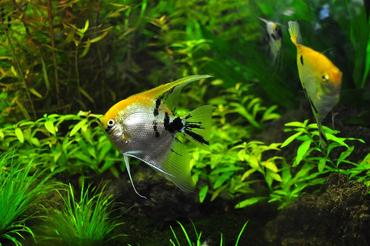
There is perhaps no moment more stressful for both an aquarist and their aquatic residents than the sight of a blue mesh net dipping into the water. For the fish, it represents a predator-like pursuit that triggers a massive "fight or flight" response; for the hobbyist, it is often a frustrating game of underwater tag that ends in uprooted plants, displaced hardscape, and a fish that is exhausted to the point of shock. Whether you are moving a prized Angelfish to a larger display, isolating a sick Tetra, or rehoming a species that has outgrown its welcome, catching fish is a fundamental skill that requires more strategy than speed. Doing it the "wrong way" can lead to physical injuries, damaged slime coats, and even sudden death due to stress-induced heart failure. By transitioning from a chase-and-scoop mentality to a more methodical, patient approach, you can ensure that your fish transition safely from point A to point B without turning your beautifully curated aquarium into a battlefield.

The Physics of Stress: Why the Chase is Dangerous

To catch a fish correctly, we must first understand the biological consequences of doing it poorly. When a fish is chased around a tank, its body releases a surge of cortisol and adrenaline. This isn't just a temporary "scare"; in a closed aquarium system, this stress causes the fish to consume oxygen at a much higher rate, leading to rapid gill movement and potential hypoxia. If the chase lasts more than a few minutes, the fish’s blood chemistry changes, becoming more acidic. For sensitive species like Rummy Nose Tetras or Discus, this metabolic shift can be fatal even if the fish is eventually caught and moved.

The "wrong way" usually involves a single small net and a lot of splashing. Beginners often make the mistake of following the fish directly with the net. Because fish have a lateral line system—a row of sensory organs that detect vibrations and pressure changes—they can feel the net pushing through the water long before it reaches them. Chasing them through the middle of the water column only encourages them to dive into crevices or jump out of the tank entirely. The goal should never be to outswim the fish; it should be to outsmart them by limiting their avenues of escape and using their natural instincts against them.

The Two-Net Technique: A Pro-Level Strategy

The most effective "right way" to catch almost any freshwater fish is the two-net method. Instead of one net doing all the work, you utilize a large, stationary net and a smaller "guiding" net. Think of the large net as a landing zone and the smaller net as a gentle shepherd. You place the large net in a corner or against a flat pane of glass and keep it perfectly still. Using the smaller net, you slowly and calmly nudge the fish toward the opening of the larger net. Because the fish is focused on the moving object (the small net), it will often swim directly into the "safe" dark space of the stationary net without realizing it is being captured.

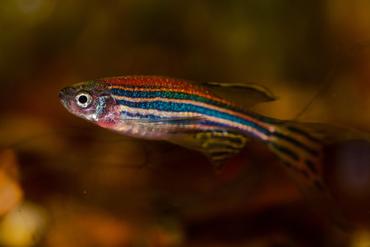
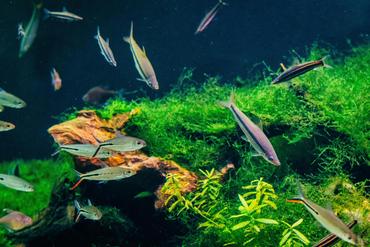
This method is particularly useful for fast-moving species such as Zebra Danios or Giant Danios. These fish are built for speed and can outmaneuver a single net indefinitely. By using two nets, you cut their escape routes in half. Another key tip is to use nets with dark mesh rather than bright white or neon colors. High-contrast nets are easily spotted by fish, whereas black or dark green mesh blends into the background of the tank, making the trap less obvious. When the fish is finally in the net, never lift it out of the water instantly. Instead, move the net slowly to the surface to prevent the fish from thrashing against the mesh, which can damage their delicate scales.

Specialized Equipment for Delicate Species

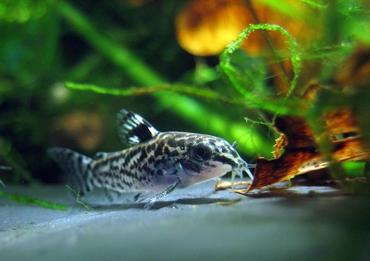
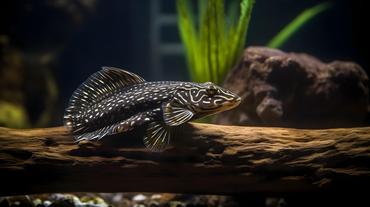
Not all fish should be caught with a standard mesh net. Some species have specialized physical traits that make netting them a genuine hazard. For example, Corydoras Catfish and many species of Loricariids (Plecos) have pectoral fin spines that can become hopelessly entangled in fine mesh. If a Corydoras gets stuck, the stress of being untangled can lead them to release toxins, and the physical trauma to their fins can lead to infections. For these "spiny" friends, the right way is to use a solid-walled container, such as a glass or plastic specimen container, to scoop them up underwater.

Other species that benefit from "water-to-water" transfers rather than mesh netting include:

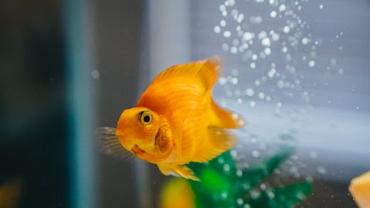
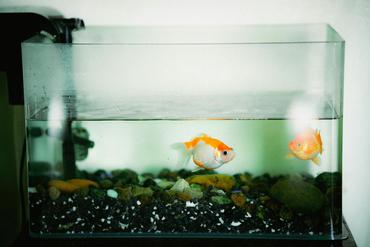
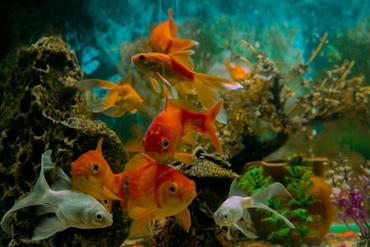
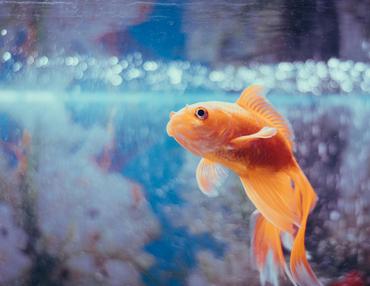
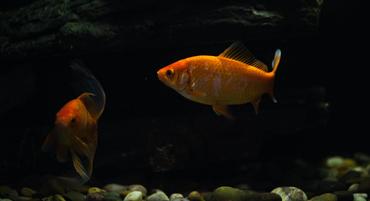
  • Fancy Goldfish: Their long, flowing fins are easily torn by mesh, and their heavy bodies can suffer internal bruising if lifted without the support of water.
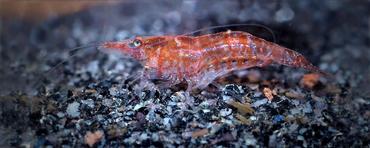
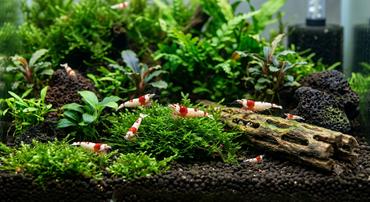
  • Shrimp and Invertebrates: Their delicate legs can be snapped if they get caught in the weave of a standard net.
  • Scale-less Fish: Species like Kuhli Loaches have very little protection; mesh can act like sandpaper on their skin.
  • Fry and Juveniles: Small babies are easily crushed by the weight of a net or the pressure of moving water.

Using a "cup-and-catch" method ensures the fish never leaves the water and never touches a dry surface. This preserves the vital slime coat, which is the fish's primary defense against bacteria and parasites. If you are struggling with a particularly elusive fish, it may be time to evaluate your overall community tank basics to ensure your decor isn't making the task impossible.

The Nighttime Ninja Method: Using the Darkness

If you have a heavily planted tank with hundreds of hiding spots, catching a fish during the day can be nearly impossible without tearing the entire aquascape apart. This is where the "Nighttime Ninja" method comes in. Most fish have a diurnal rhythm, meaning they "sleep" or enter a state of torpor when the lights go out. Their reaction times are significantly slowed, and their ability to detect movement is diminished.

About an hour after the lights have been turned off and the room is pitch black, use a dim flashlight to locate the fish you need to catch. While the fish is in this drowsy state, you can often simply scoop them up with a net or container before they even realize what is happening. This is the ultimate "low-stress" catch. It works exceptionally well for territorial fish like Cichlids or Bettas that would otherwise put up a fight. However, be careful not to keep the flashlight directly on the fish for too long, as the sudden bright light can cause them to bolt in a panic and strike the glass. Use the edge of the light beam to guide your movements.

Compatibility, Care, and Post-Catch Recovery

Catching the fish is only half the battle; the "right way" also involves what you do immediately after the capture. Moving a fish into a new environment—even if it is just a hospital tank—requires careful acclimation. The stress of being caught makes a fish more susceptible to changes in water chemistry. Before you even start catching the fish, ensure you have a firm grasp on understanding water parameters so that the destination tank matches the source tank as closely as possible.

Once the fish is moved, follow these care steps to ensure a full recovery:

  • Douse the Lights: Keep the lights off in the new tank for at least 4-6 hours to allow the fish to calm down.
  • Add Stress Coat: Use a water conditioner that contains aloe vera or other slime coat restorers to help heal any minor abrasions from the net.
  • Observe Respirations: If the fish is "panting" at the bottom, increase aeration in the tank to help them recover their oxygen levels.
  • Avoid Feeding: Do not offer food immediately. A stressed fish often won't eat, and the decaying food will only foul the water.
  • Monitor Tank Mates: Ensure that the other fish in the destination tank are not bullying the newcomer while they are in a weakened state.

It is also a common mistake to catch and move fish during a major water change. The combination of being netted and the shifting water chemistry of a large water change can be too much for a fish's system to handle. Ideally, catch your fish a day before or a day after your scheduled maintenance. For those looking to refine their stocking and movement strategies, our guide on choosing the right fish offers more insight into species-specific sensitivities.

The Trap Method: For the Truly Impossible

Sometimes, despite your best two-net efforts and nighttime maneuvers, a fish simply will not be caught. This is common with highly intelligent species like Loaches or extremely fast surface-dwellers like Hatchetfish. In these cases, the "right way" is to let the fish catch themselves. You can purchase commercial fish traps or make a simple one using a clear plastic water bottle. By cutting the top off the bottle, inverting it into the body, and placing some high-value food (like frozen bloodworms) inside, you create a one-way valve.

Place the trap in the tank and walk away. Check it every 15-20 minutes. Eventually, the lure of the food will overcome the fish's caution. Once the target fish is inside, you simply lift the bottle out. This method is entirely passive and involves zero chasing, making it the least stressful option available. It is also a great way to catch "hitchhiker" pests like snails or unwanted "pest" fish without disturbing your delicate plants or substrate. The key here is patience; it may take a few hours for the fish to feel confident enough to enter the trap, but the lack of physical trauma is well worth the wait.

Takeaway: Patience is the Best Tool in Your Kit

Catching a fish should never be a test of speed; it should be a test of patience and preparation. By abandoning the "wrong way" of frantic chasing and adopting methods like the two-net technique, the nighttime catch, or the container scoop, you protect the health and longevity of your aquatic pets. Remember that every time you handle a fish, you are essentially performing a medical procedure on a sensitive animal. The less they feel the process, the faster they will settle into their new home and return to their vibrant, healthy selves.

Ready to improve your fish-handling skills? Start by auditing your netting equipment—replace any old, stiff nets with soft, dark-mesh versions, and keep a clear specimen container on hand for your more delicate species. For more expert tips on maintaining a peaceful and professional aquarium, explore our extensive library of guides and species spotlights. Your fish will thank you for the extra care!

Aquarium Fish Medications - Do or Don't?
Learn about how aquarium fish medications work and what diseases they may be used for.
Aquascaping Tips to Reduce Aggression in Fish
Walking into a room and seeing a beautifully scaped aquarium is supposed to be a Zen experience, but for many hobbyists, that peace is shattered by the sight of a dominant fish relentlessly chasing its tank mates.

MOST RECENT ARTICLES

Overstocking Myths vs Reality
OVERSTOCKING MYTHS VS REALITY
Setting up a new aquarium is an exercise in restraint that many hobbyists, both beginners and seasoned veterans, find difficult to master.
Blackwater & Biotope Aquariums (Natural-Style Boom)
BLACKWATER & BIOTOPE AQUARIUMS (NATURAL-STYLE BOOM)
For decades, the gold standard of the home aquarium was a pristine, crystal-clear box of water, often decorated with neon gravel and plastic plants that bore little resemblance to the wild.
Sustainable & Ethical Fishkeeping
SUSTAINABLE & ETHICAL FISHKEEPING
Bringing a slice of the underwater world into your home is a rewarding experience, but as the hobby grows, so does our responsibility to ensure that our passion doesn’t come at the expense of the environments we admire.

Rate This Tank:

GENERAL AQUARIUM ARTICLES
Top Fish for Community Tanks
Creating a thriving community aquarium is one of the most rewarding experiences in the fish-keeping hobby, offering a dynamic window into a complex underwater ecosystem.
Top 10 Beginner-Friendly Freshwater Fish (Ranked by Ease of Care)
Diving into the world of freshwater aquariums is an exhilarating journey, but for many beginners, the initial excitement is often met with the daunting challenge of keeping their new aquatic residents alive and thriving.
Aquarium Water Changes: How Often and How Much?
Maintaining a thriving aquarium is often described as a balancing act, and no single task is more critical to that balance than the routine water change.
Blackwater Aquariums: How Tannins Improve Fish Health and Reduce Stress
The mysterious, tea-colored depths of a blackwater aquarium may look "dirty" to the uninitiated, but for many tropical fish species, these tannin-rich environments are a slice of paradise.
Top 10 Nano Predators (and How to Keep Them Peacefully)
The allure of the predatory fish has long been a driving force in the aquarium hobby, drawing enthusiasts toward the raw, primal energy of nature's most efficient hunters.
Betta Fish in a Planted Tank: Setup, Care & Mistakes to Avoid
The Betta fish, with its cascading fins and kaleidoscopic colors, has long been the victim of the "bowl" myth, but modern aquarists are finally recognizing that these intelligent, labyrinth-breathing creatures truly flourish when placed in a living, breathing ecosystem.
Best Fish for a 10 Gallon Tank with Plants
Setting up a 10-gallon planted aquarium is one of the most rewarding projects a hobbyist can undertake, offering a perfect slice of nature that fits comfortably on a desk or side table.
AI and Smart Technology in Aquariums: The Future of Fishkeeping
Technology is transforming the aquarium hobby faster than ever before.
Beginner-Friendly Oddball Fish: Unique Species That Work in Small Tanks
Want something cooler than guppies and tetras in your small aquarium, but not ready for ultra-demanding species?
Beginner Aquarium Mistakes That Kill Fish in the First 30 Days
The first 30 days of owning an aquarium are often referred to as the "danger zone" for both the hobbyist and the fish.
Aquarium Temperature Guide: What’s Best for Your Fish?
Maintaining the perfect environment for your aquatic pets is a delicate balancing act, and temperature is arguably the most critical variable in the equation.
Aquarium Hardscape Guide: Dragon Stone, Seiryu, Spider Wood & More.
Creating a captivating underwater landscape is about more than just choosing the right fish; it is about building a foundation that mimics the natural world.
Fish Compatibility Checker: How to Build Peaceful Freshwater and Saltwater Communities
Starting a new aquarium is one of the most exciting moments in the hobby, but nothing halts that enthusiasm faster than waking up to find a once-vibrant community decimated by aggression or stress.
How to Fix Cloudy Water Fast (White, Green & Yellow Water Explained)
There is perhaps no greater disappointment for an aquarium enthusiast than approaching a carefully curated tank only to find the view obscured by a thick, mysterious haze.
Low-Light Aquarium Plants for Beginners
The transition from a basic fish tank to a lush, living underwater garden is often the most rewarding milestone for any aquarium enthusiast.
Driftwood in Aquariums: Benefits, Types, and How to Prepare It Safely
Adding a piece of driftwood to your aquarium is one of the most transformative decisions you can make as a hobbyist, shifting your tank from a simple glass box to a vibrant, living slice of nature.
The Benefits of Having a Nano Aquarium and Tips for Setting One Up
If you're fascinated by the beauty of aquatic life but think a full-sized aquarium might be too overwhelming, a nano aquarium could be the perfect solution.
Cherry Shrimp Care for Beginners: Tank Setup, Water, and Breeding Tips
Cherry shrimp (Neocaridina davidi) have revolutionized the freshwater aquarium hobby, transforming the way enthusiasts view small-scale ecosystems.
Aquascaping for Beginners: Designing a Natural Underwater Landscape
Aquascaping is the transformative art of arranging aquatic plants, stones, driftwood, and substrate in a way that transcends the traditional fish tank, turning a glass box into a living, breathing underwater masterpiece.
Best Fish for a 10-Gallon Tank with Plants: Top Choices for a Thriving Nano Aquarium
Starting a 10-gallon aquarium is one of the most exciting entries into the fish-keeping hobby, offering a perfect balance between a manageable footprint and enough space to create a stunning underwater garden.
Aquarium Science Myths: 10 Outdated Fishkeeping Rules You Should Stop Following
The world of fishkeeping has evolved dramatically over the last few decades, moving away from anecdotal "old wives' tales" toward a more rigorous, science-based approach to aquatic husbandry.
Creative hacks to keep your aquarium clean
Let’s be honest: while we all love the tranquil beauty of a thriving underwater ecosystem, very few of us actually enjoy the back-breaking labor of scrubbing algae at 10:00 PM on a Sunday.
How to Build an Automatic Fish Feeder
Every aquarium hobbyist knows the subtle anxiety that creeps in the moment you lock your front door for a weekend getaway or a well-deserved vacation.
Early Disease Identifications in the Tank
Maintaining a thriving aquarium is a rewarding journey, but even the most diligent hobbyist will eventually face the challenge of a sick fish.
What Are GloFish and How Do You Care for Them?
Bright, glowing fish that look like they belong in a science fiction movie have become a familiar sight in modern aquariums.
Aquarium Water Chemistry Made Simple: pH, Hardness, and Healthy Fishkeeping
Walking into a local fish store and seeing a vibrant display of neon tetras or majestic angelfish is enough to make anyone want to dive headfirst into the aquarium hobby.
Best Fish for a 10-Gallon Tank with Plants: A Complete Guide for Beginners
Starting a 10-gallon aquarium is one of the most exciting entry points into the fish-keeping hobby, offering a perfect balance between a manageable footprint and enough space to create a thriving underwater ecosystem.
CO2 for Planted Aquariums: A Beginner’s Guide to Healthier, Faster Growth
While many aquarium hobbyists start their journey with low-light plants like Anubias or Java Fern, they often find themselves wondering why their tanks do not look like the lush, vibrant underwater jungles seen in professional aquascaping competitions.
Quarantine Tanks Explained: Why Most Fish Loss Happens in the First 30 Days
The first month after you bring home new fish is when most preventable losses happen—often because the fish are stressed, carrying hidden parasites, or placed into a tank that isn’t ready for them.
History Of Fish Keeping As A Hobby
Fish keeping is one of the world’s oldest and most enduring hobbies, blending art, science, and a deep fascination with aquatic life.
Emergency Power Outages: How to Protect Your Aquarium
Few things strike fear into the heart of an aquarium hobbyist like a sudden power outage.
Fishless Cycling vs Fish-In Cycling: Which Method Is Best for Your Aquarium?
Setting up a new aquarium is one of the most exciting moments in the fishkeeping hobby—but it’s also where most beginners unintentionally make mistakes that lead to stressed fish, disease outbreaks, or early losses.
Brackish Aquariums for Beginners: Reliable Setups, Stocking, and Salinity Tips
The world of fishkeeping is often divided into two clear-cut camps: freshwater and saltwater.
How to Keep Your Tank Safe During a Power Outage
A power outage is every aquarium hobbyist’s worst nightmare, often striking at the most inconvenient times—during a summer thunderstorm or a winter blizzard.
What Is Driftwood Doing in Your Tank?
Adding a piece of driftwood to your aquarium is one of the most effective ways to transform a sterile glass box into a thriving, natural ecosystem.
3 Problems Every Aquarist Can Avoid
The transition from admiring a beautiful aquarium to successfully maintaining one is often marked by a series of "ah-ha" moments and, unfortunately, a few heartbreaks.
Aquarium Fish Medications - Do or Don't?
Learn about how aquarium fish medications work and what diseases they may be used for.
Aquascaping Tips to Reduce Aggression in Fish
Walking into a room and seeing a beautifully scaped aquarium is supposed to be a Zen experience, but for many hobbyists, that peace is shattered by the sight of a dominant fish relentlessly chasing its tank mates.
Spring Cleaning: How to Clean and Give Your Old Tank New Life
Keeping your tank clean is about more than just aesthetics - it also affects your fish.
Why Your Aquarium Lighting Matters More Than You Think
For many new hobbyists, setting up an aquarium feels like a balancing act between water chemistry, filtration, and choosing the right fish.
Tips for Spotting Signs of Distress in Your Fish Before It's Too Late
When you see signs of stress in your fish, you can then take steps to identify the source of that stress and then to resolve it before it becomes a major issue.
How to Buy Aquarium Supplies Online
The transition from browsing the aisles of a local pet store to navigating the vast digital landscape of online aquarium retailers marks a significant milestone for any hobbyist looking to expand their aquatic horizons.
How Cycling the Tank Can Stress Your Fish
Setting up a new aquarium is one of the most exciting moments in the fishkeeping hobby, but it’s also where many beginners unknowingly create stressful — and sometimes deadly — conditions for their fish.
Eco-Friendly Aquarium Guide: Energy-Saving Gear and Responsible Stocking
The aquarium hobby offers a unique window into the wonders of the aquatic world, but as any seasoned hobbyist knows, maintaining a slice of the ocean or a tropical river in your living room requires a significant amount of resources.
Do You Know What You Are Feeding Your Fish?
Walking down the aquarium aisle of a local pet store can be a dizzying experience.
Why Keep Aquarium Fish?
There is something inherently hypnotic about the slow, rhythmic movement of a well-maintained aquarium.
What You Need to Know About All-in-One Aquariums
For many aspiring aquarists, the sheer volume of equipment required to start a successful tank—sumps, plumbing, external filters, and lighting—can feel overwhelming.
Is My Fish Stressed? A 10-Minute Checklist to Prevent Emergencies
Walking into a room and seeing your fish acting unusual can be a heart-sinking experience for any hobbyist.
The Right and Wrong Way to Catch Fish
There is perhaps no moment more stressful for both an aquarist and their aquatic residents than the sight of a blue mesh net dipping into the water.
Simple Tips for Building a Saltwater Tank Without Breaking the Bank
The allure of a saltwater aquarium is undeniable—the vibrant colors of a Coral Beauty Angelfish, the rhythmic pulsing of Xenia corals, and the fascinating symbiotic relationship between a Clownfish and its anemone are enough to captivate any nature lover.
Smart Planted Tanks: Budget Automation for Lighting, CO₂, and Safety
Maintaining a lush, vibrant planted aquarium often feels like a balancing act between a rewarding hobby and a full-time job.
Do You Need CO₂? Three Proven Paths to a Healthy Planted Tank
The lush, vibrant landscape of a masterfully scaped planted aquarium is often what draws newcomers into the hobby, but it is also the source of the most common question: do I really need a CO2 system to achieve this?
Community Fish Compatibility Guide
Creating a thriving community aquarium is one of the most rewarding aspects of the fish-keeping hobby, but it requires much more than simply picking out the most colorful fish at the local pet store.
Read more articles (55)

READ AQUARIUM ARTICLES