WHAT YOU NEED TO KNOW ABOUT ALL-IN-ONE AQUARIUMS

How All-in-One Systems Function
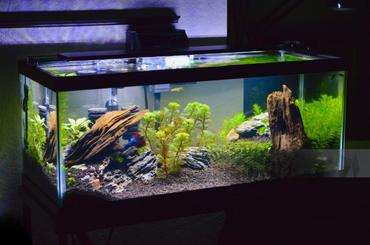
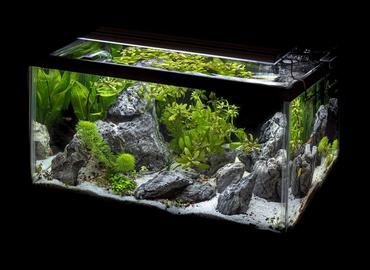
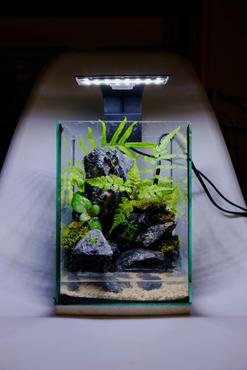
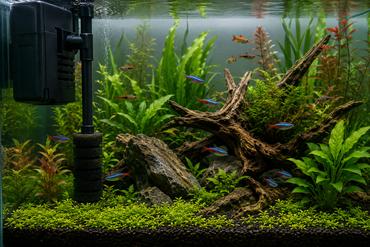
At its core, an AIO aquarium is a standard glass or acrylic tank with a built-in "back-sump" or rear chamber. The water flows over an overflow grate, through various stages of mechanical, chemical, and biological filtration, and is then pushed back into the display area by a return pump. This design mimics the functionality of a professional sump system but contained within the tank’s own footprint.
Components of an AIO Aquarium
- The Intake Chamber: This is where the water first enters. It usually houses a filter sock or a media basket to trap large particles.
- The Media Chamber: The middle section is designed to hold bags of activated carbon, ceramic rings for biological filtration, or even a specialized nano-protein skimmer.
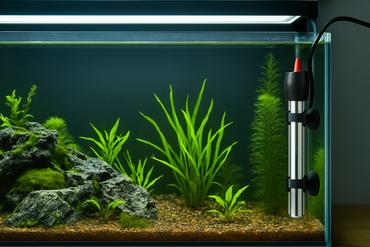
- The Return Chamber: The final stop where the return pump sits. This chamber is also the primary spot for placing your heater, keeping it hidden from view in the display area.
The beauty of this design is that all the "ugly" equipment is tucked away. However, because the rear chambers are narrow, you are limited by the physical size of the equipment you can use. When selecting an AIO, always check the dimensions of the rear chambers to ensure your preferred heater or skimmer will actually fit.
The Benefits and Trade-offs of AIO Aquariums
The most significant advantage of an AIO system is its aesthetic and ease of use. There are no tubes hanging off the back of the tank and no complex PVC pipes to glue together. For a beginner, this removes a major barrier to entry. Intermediate hobbyists often appreciate AIO tanks as "secondary" systems, such as a dedicated frag tank or a desktop nano reef.
Pros and Cons of AIO Systems
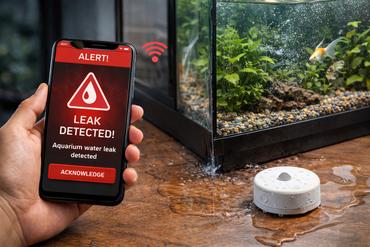
- Pro: Safety and Leak Prevention. Since all the water remains within the tank’s perimeter, the risk of a flood caused by a failed plumbing joint is virtually zero.
- Pro: Minimal Footprint. Because the filtration is built-in, you don't need a bulky cabinet to hide a sump, allowing you to place the tank on a wider variety of furniture.
- Con: Limited Customization. Unlike a traditional tank with a separate sump, you cannot easily upgrade to a larger filter or add a massive refugium later on.
- Con: Evaporation Sensitivity. In AIO tanks, the water level in the display remains constant, but the water level in the return chamber drops as water evaporates. If you aren't careful, the pump can run dry and burn out.
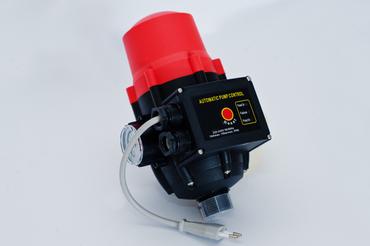
A real-world tip for managing evaporation is to invest in an Auto Top-Off (ATO) system. This small device keeps the water level in the rear chamber stable, which is crucial for maintaining clean aquarium water and consistent salinity levels in saltwater setups.
Choosing Livestock for an AIO Environment
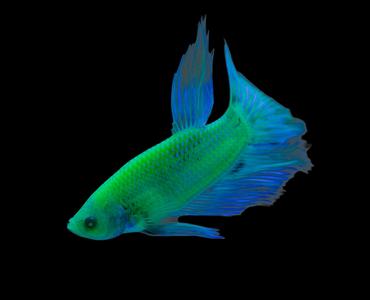
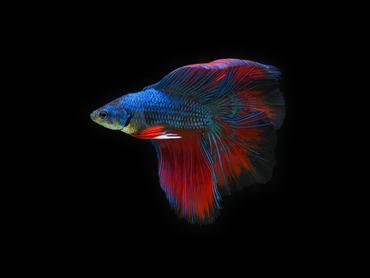
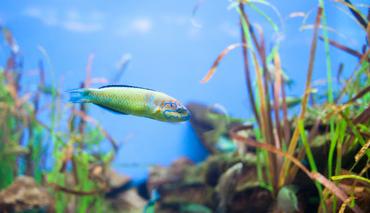
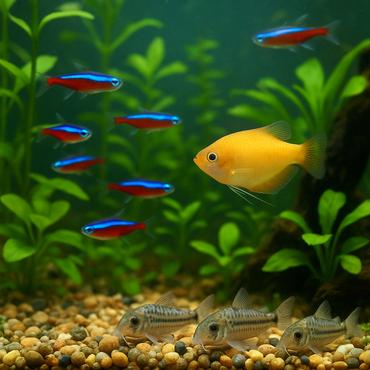
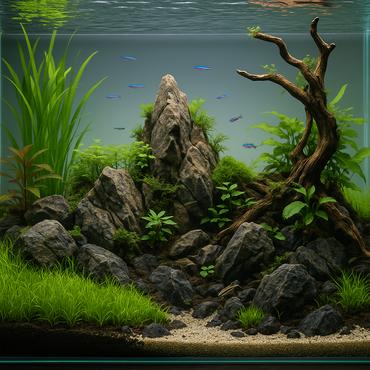
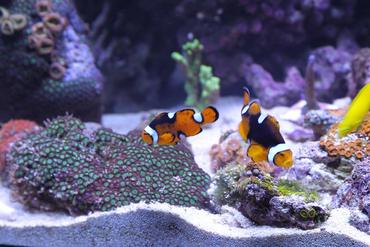
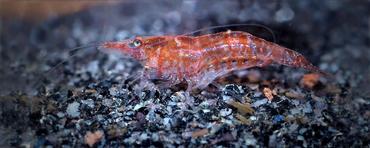
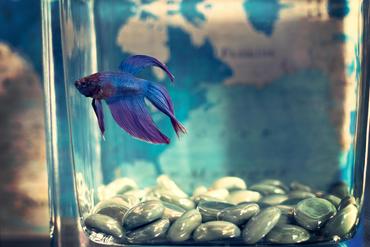
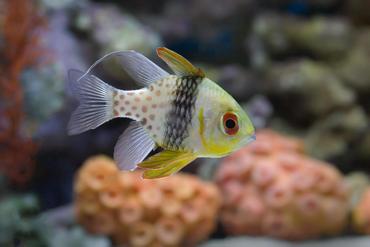
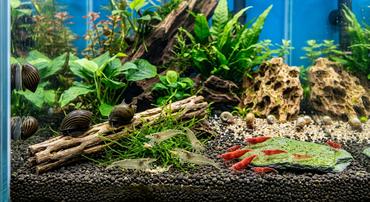
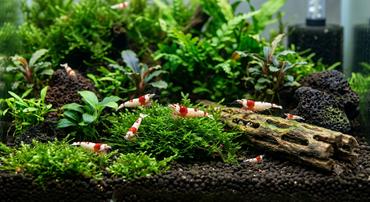
Because most AIO tanks fall into the "nano" or "mid-size" categories (usually 5 to 40 gallons), you must be selective about your inhabitants. These systems are perfect for creating high-detail, small-scale environments. In a saltwater AIO, you can create a stunning home for a pair of Ocellaris Clownfish or a colorful Royal Gramma. In freshwater, they are the gold standard for high-end Betta displays or Caridina shrimp colonies.
Livestock Suggestions
- Saltwater Suggestions: Tailspot Blennies, Firefish, and various species of Watchman Gobies thrive in the stable, controlled flow of an AIO.
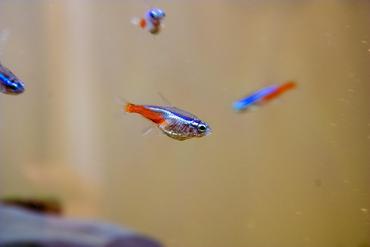
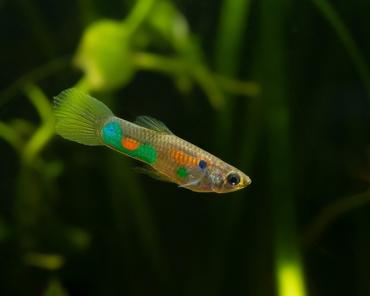
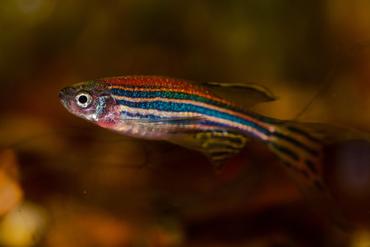
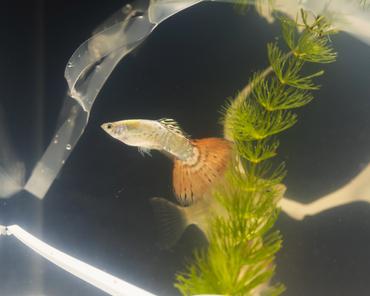
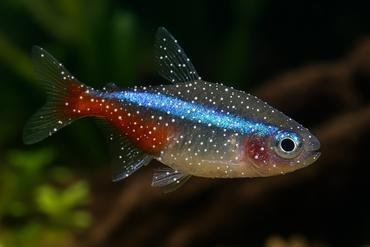
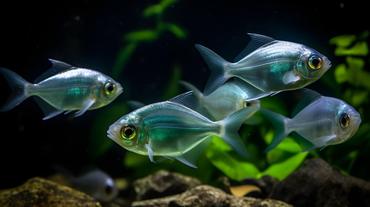
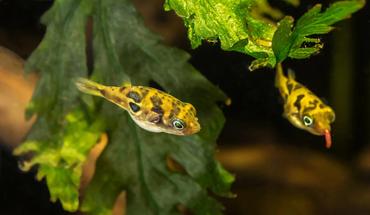
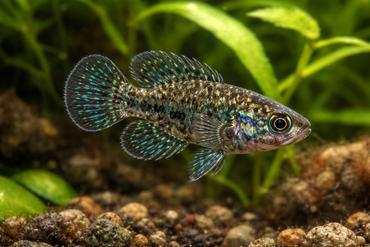
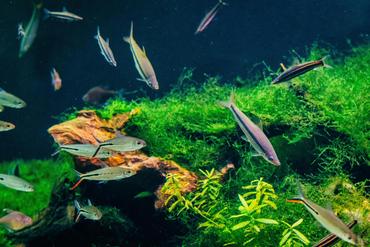
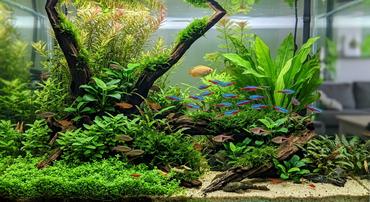
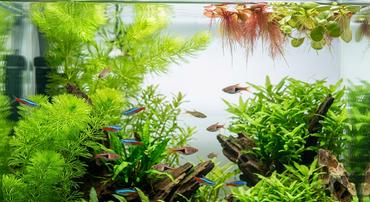
- Freshwater Suggestions: Sparkling Gouramis, Celestial Pearl Danios, and Emerald Dwarf Rasboras are excellent choices for planted AIO setups.
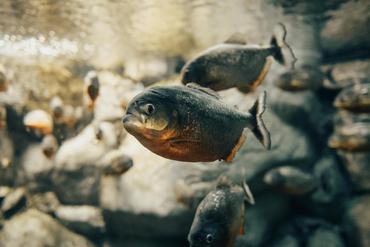
- Avoid Large Predators: Even a 40-gallon AIO is too small for a full-grown Oscar or a Tang. These fish produce more waste than the compact rear chambers can typically process.
When stocking, remember that the total water volume is slightly less than the advertised size because the rear chambers take up space. A "20-gallon" AIO might only hold 16 or 17 gallons of water in the display area. This reduced volume means you should stock more conservatively to avoid nutrient spikes.
Compatibility and Care Considerations
One of the most critical aspects of AIO care is managing the filtration media. Because the chambers are small, they can easily become clogged with detritus. If the mechanical filtration (sponges or socks) gets too dirty, the water level in the return chamber will drop significantly while the display area overflows. This is a common beginner mistake that can be avoided with weekly maintenance.
Maintenance Tips
- Mechanical Cleaning: Rinse your filter sponges or replace your filter floss every 3-5 days. This prevents organic matter from breaking down into nitrates.
- Flow Management: Most AIO tanks come with a standard return pump. You may find that you need to add a small internal powerhead to the display area to ensure there are no dead zones, especially if you are keeping corals.
- Heating Safety: Always place your heater in the return chamber where the water flow is most consistent. Ensure the heater is fully submerged, as the water level in this specific chamber fluctuates the most.
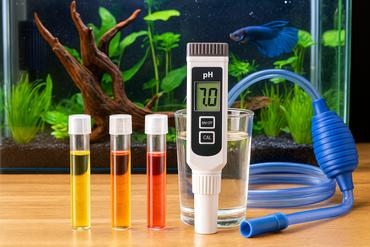
If you are using your AIO for a reef setup, you must monitor the build-up of waste in the rear chambers. It is a good practice to use a small pump or a turkey baster to "blow out" the rear chambers during your monthly water change to prevent the accumulation of sludge. Managing aggression is also vital in smaller volumes; be sure to check our guide on aquascaping tips to reduce aggression to ensure your compact tank remains a peaceful environment.
Upgrading Your AIO Experience
While AIO tanks are designed to be used out of the box, most intermediate hobbyists eventually choose to upgrade certain components. The most common upgrade is the return pump. Replacing a noisy or weak stock pump with a high-quality DC (Direct Current) pump allows for adjustable flow and quieter operation.
Another popular modification is the addition of a specialized media basket. Many third-party companies create baskets specifically designed to fit the narrow chambers of popular AIO brands. These baskets allow for better organization of carbon, GFO, and biological media, maximizing the efficiency of the small space. For saltwater enthusiasts, adding a high-quality nano-protein skimmer to the second chamber can significantly improve the tank's ability to handle a higher bioload. If you're unsure about the benefits of this equipment, reading about what is protein skimming can help you decide if it's a necessary addition for your specific livestock.
Upgrade Suggestions
- Lighting Upgrades: If your AIO came with a lid and basic lights, you may need to remove the lid and install a higher-intensity LED pendant if you plan on keeping demanding plants or SPS corals.
- Refugium Light: Some hobbyists scrape the black paint off a small section of the back glass and attach a small LED light to the exterior. This allows them to grow macroalgae (like Chaetomorpha) in one of the rear chambers, creating a tiny but effective refugium.
Common Maintenance Pitfalls to Avoid
The most common issue with AIO tanks is "ignoring the back." Because the filtration is hidden, it is easy to forget about it. Over time, salt creep can build up on the edges of the chambers, and sponges can become so clogged that the pump begins to pull in air, creating micro-bubbles in the display. This not only looks bad but can also stress the fish and corals.
Another pitfall is the failure to clean the return pump. Every 3-4 months, you should remove the pump from the rear chamber and take it apart to clean the impeller. In saltwater tanks, calcium deposits can build up inside the pump, eventually causing it to seize. In freshwater tanks, snail shells or plant debris can get sucked into the intake and jam the motor. Regular cleaning ensures the "heart" of your AIO system continues to beat reliably.
Conclusion: Is an AIO Tank Right for You?
All-in-One aquariums represent a perfect marriage of convenience and capability. They offer a sophisticated, integrated look that fits seamlessly into modern homes while providing the essential filtration needed for a healthy aquatic environment. Whether you are a beginner looking for a straightforward path into the hobby or an intermediate keeper wanting a high-end nano display, an AIO system can provide years of success. By staying diligent with your chamber maintenance, choosing appropriately sized livestock, and being mindful of evaporation, you can overcome the few limitations of these systems. The AIO approach simplifies the "how" of aquarium keeping, allowing you to focus more on the "why"—the beauty and serenity of your underwater world. Ready to start your journey? Explore our deep dives into species compatibility and aquascaping to begin planning your new All-in-One masterpiece.


MOST RECENT ARTICLES