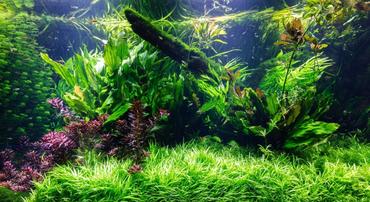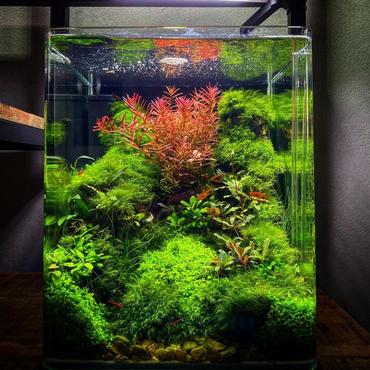
LOW-LIGHT AQUARIUM PLANTS FOR BEGINNERS
Decoding the "Low-Light" Philosophy
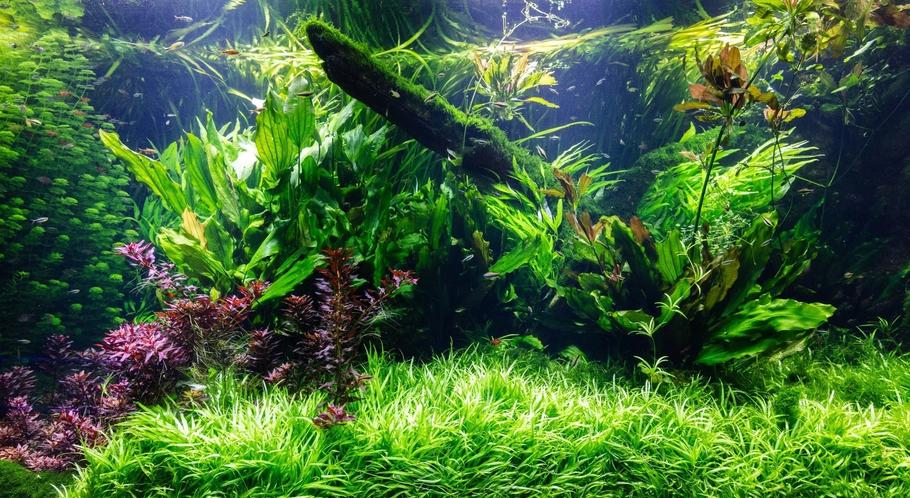
In the context of modern aquarium keeping, "low light" is a term that has evolved alongside technology. In the days of T8 fluorescent bulbs, we used the "watts per gallon" rule, where low light was anything under 1.5 watts. Today, with high-efficiency LEDs, we measure light in PAR (Photosynthetically Active Radiation). For a beginner, low light simply means the standard light fixture that likely came with your aquarium kit or a basic LED strip designed for general viewing.
The beauty of a low-light setup lies in its stability. High-light tanks are like high-performance sports cars; they grow fast, but if one variable (like CO2 or nutrients) is off, the entire system can crash into a mess of algae. Low-light tanks are more like reliable cruisers. The plants grow slower, which means they consume nutrients at a predictable rate, require less frequent pruning, and are much less likely to trigger an algae explosion if you forget a water change or leave the lights on an hour too long.
- Algae Management: Algae thrives on excess light and nutrients. By keeping light levels low, you effectively "starve" many common types of nuisance algae.
- Cost Efficiency: You save significantly on electricity and the cost of specialized substrates and CO2 canisters.
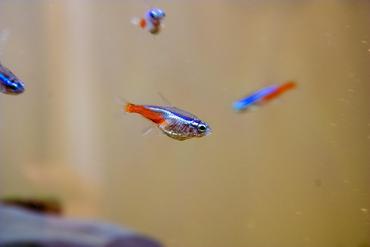
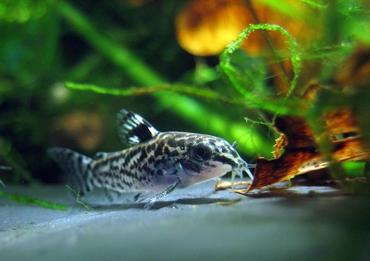
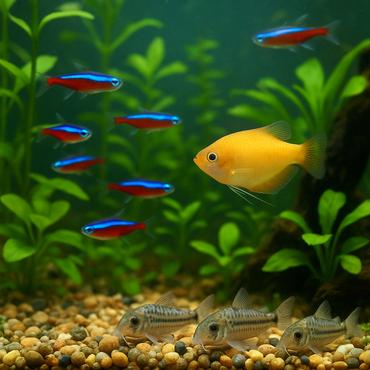
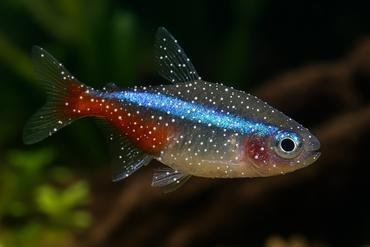
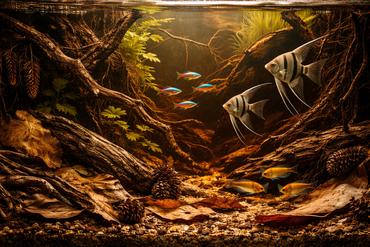
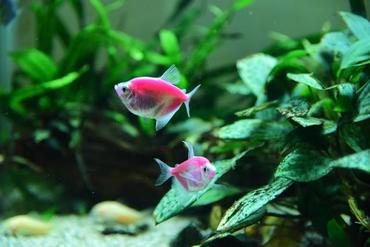
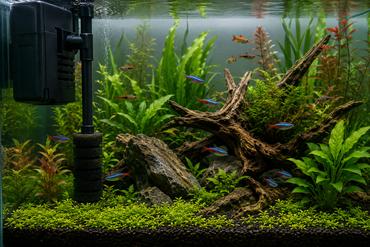
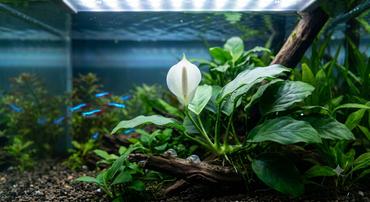
- Fish Comfort: Many popular tropical fish, such as Neon Tetras and Corydoras, actually prefer dimmed lighting, as it mimics the peat-stained, canopy-covered blackwater rivers of their natural habitats.
Top Low-Light Plant Species for Success
Success in a low-light tank starts with species selection. You cannot simply take a high-light plant and "acclimatize" it to darkness; it will simply rot. Instead, you must choose plants that have evolved in the shadows of riverbanks or under thick forest canopies.
The Indestructible Anubias Family
Anubias is perhaps the most iconic low-light plant in the hobby. Native to Africa, these plants feature thick, dark green leaves that are tough enough to withstand the nibbling of many herbivorous fish. The most common variety is Anubias barteri, but smaller versions like Anubias nana are perfect for nano tanks.
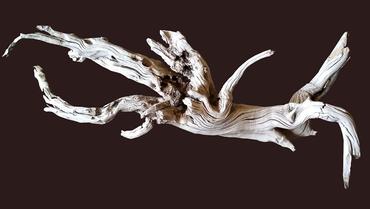
The critical rule for Anubias is to never bury the rhizome—the thick, horizontal green "log" from which the leaves and roots grow. If buried in sand or gravel, the rhizome will suffocate and rot. Instead, use fishing line or specialized cyanoacrylate gel (aquarium-safe glue) to attach it to a piece of driftwood or a textured rock. Over time, the roots will wrap around the object, anchoring the plant permanently.
Java Fern: The Versatile Classic
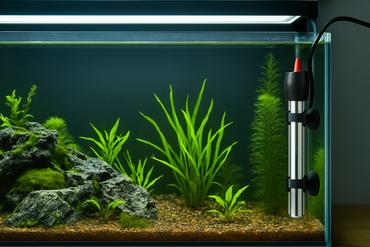
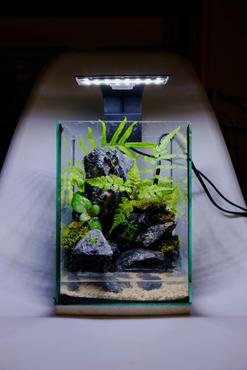
Microsorum pteropus, or Java Fern, is another epiphyte that shares many care requirements with Anubias. It produces long, flowing fronds that add height and movement to the aquarium. It is particularly effective when used as a background plant or to hide equipment like heaters and filter intake pipes. Java Fern is famous for its "babies"—small plantlets that grow directly off the tips of older leaves. You can simply pluck these off and attach them elsewhere to propagate your garden for free.
Cryptocoryne: The Color of the Substrate
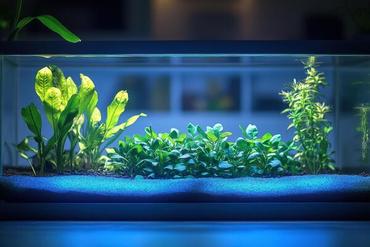
While many low-light plants are green, the Cryptocoryne genus (often just called "Crypts") offers earthy tones of bronze, red, and brown. Cryptocoryne wendtii is the beginner's gold standard. Unlike Anubias, Crypts are heavy root feeders and must be planted in the substrate. They are known for "Crypt Melt," a phenomenon where the plant drops its leaves when moved to a new tank. If this happens, do not throw the plant away! The root system is likely still alive and will sprout new leaves that are perfectly adapted to your specific water parameters within a few weeks.
Java Moss and Christmas Moss
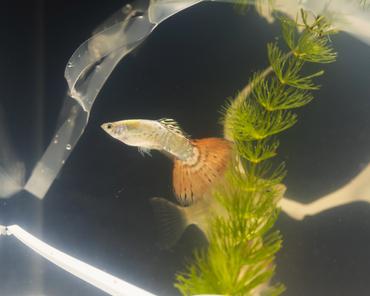
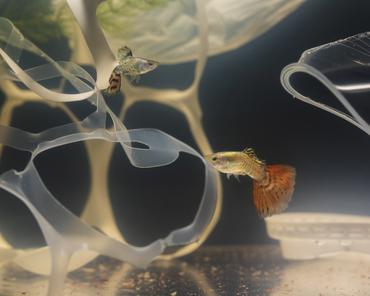
Mosses are the ultimate "fillers" for a low-light tank. They don't require a substrate at all and can be tucked into crevices or tied to mesh to create "moss walls." Java moss is a favorite for breeders because its dense structure provides a safe haven for Baby Guppies or Cherry Shrimp to hide from hungry adults. It also acts as a natural sponge, trapping detritus that microscopic organisms (infusoria) feed on, which in turn provides food for fish fry.
The Role of Substrate and Nutrition
A common misconception is that low-light plants don't need fertilizer. While they are "low maintenance," they aren't "no maintenance." Every living thing in your tank needs building blocks to grow. In a low-light environment, the goal is to provide a steady, lean supply of nutrients rather than a feast.
For epiphytes like Java Fern and Anubias, nutrients are absorbed through the leaves from the water column. A high-quality liquid fertilizer, dosed once a week after your water change, is usually sufficient. However, for root feeders like Crypts or the Amazon Sword, the substrate must be considered. If you are using plain aquarium gravel or sand, these plants will eventually starve. You can fix this by using "root tabs"—small pellets of compressed fertilizer that you bury deep in the sand near the plant's roots every 3 to 4 months.
Understanding the chemistry of your tank is vital here. The plants will actively consume ammonia and nitrates produced by your fish. This is why a planted tank is often more stable than a plastic one. To learn more about how your tank processes waste, see our guide on the nitrogen cycle and your aquarium. If your nitrates are consistently at zero, your plants might actually be "hungry," and you may need to increase your fertilization slightly.
Compatibility: Fish That Love (and Hate) Plants
When designing your low-light aquarium, you must play the role of a matchmaker. Some fish are the perfect gardeners, while others are the equivalent of a bulldozer in a flower bed.
Plant-Friendly Residents
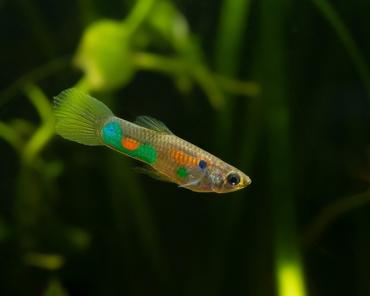
- Livebearers (Guppies, Mollies, Platies): These fish love to pick at the algae that grows on plant leaves, keeping them clean.
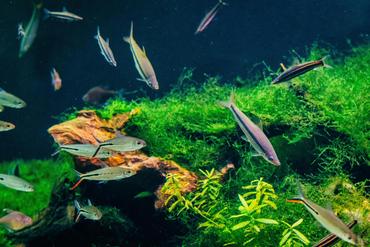
- Small Tetras: Species like the Cardinal Tetra or Rummy Nose Tetra look spectacular weaving through the tall leaves of a Java Fern.
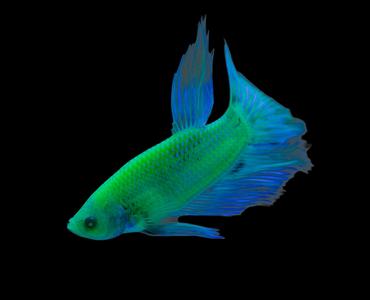
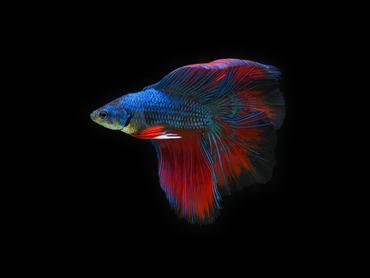
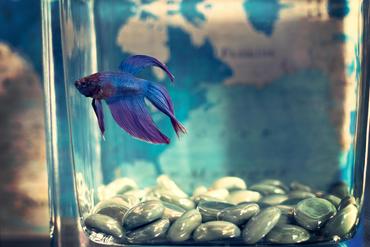
- Labyrinth Fish: Bettas and Honey Gouramis appreciate broad-leafed plants like Anubias, which they use as "beds" to rest near the surface of the water.
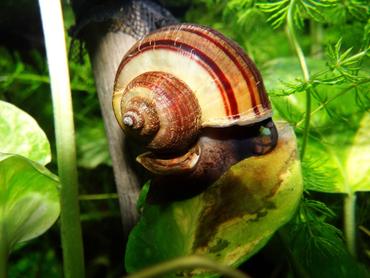
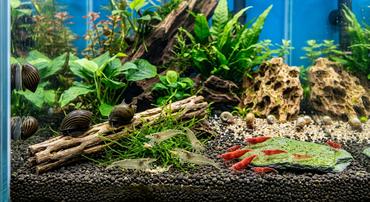
- Invertebrates: Amano Shrimp and Nerite Snails are the "janitorial staff" of the planted tank, tirelessly scrubbing leaves without damaging the plant tissue.
Species to Avoid
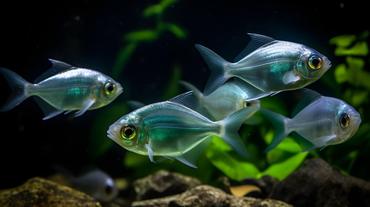
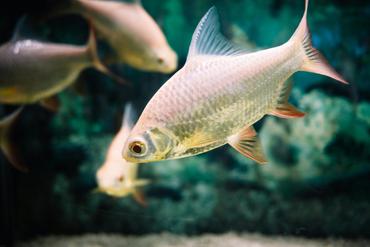
If you plan on having a beautiful planted display, you should generally avoid Silver Dollars and many species of Large African Cichlids. Silver Dollars are essentially "aquatic goats" and will eat almost any live plant you put in the tank. Cichlids, on the other hand, are constant diggers. They won't necessarily eat the plants, but they will relentlessly uproot them as they seek to redesign the substrate to their liking. If you must keep Cichlids with plants, stick exclusively to epiphytes tied securely to heavy rocks.
Maintenance and Common Beginner Pitfalls
Maintaining a low-light tank is largely about observation. Because growth is slow, changes happen over weeks, not days. This gives you plenty of time to react, provided you know what to look for.
The "Too Much Light" Trap
Beginners often think that if a little light is good, a lot of light is better. In a tank without CO2 injection, high light will only result in a takeover of Black Beard Algae (BBA) or Green Water. Stick to a maximum of 8-10 hours of light. If you start seeing algae on the leaves, reduce the "on" time by an hour or two.
Proper Pruning
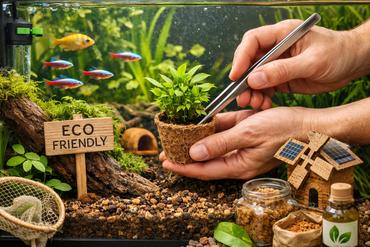
When a leaf on an Anubias or Java Fern starts to turn yellow or brown, it is no longer contributing energy to the plant; it is consuming it. Use a sharp pair of aquarium scissors to snip the leaf off as close to the rhizome as possible. This encourages the plant to redirect its energy toward new, healthy growth. This also prevents decaying matter from affecting your water chemistry.
Cleaning the Leaves
In low-flow areas, dust and fish waste can settle on the broad leaves of plants. This prevents the plant from "breathing" and absorbing light. During your weekly water change, gently rub the leaves between your fingers or use a soft brush to clear away the debris.
Designing Your Aquascape: Layout Tips
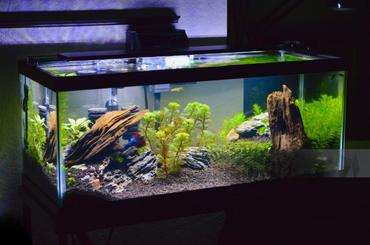
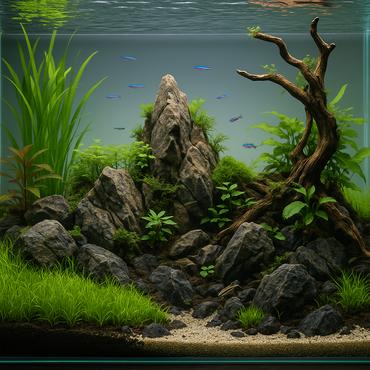
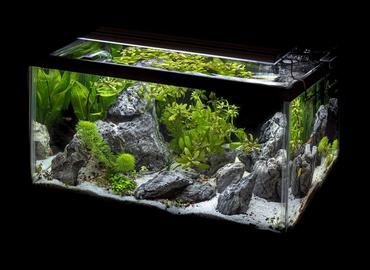
Even with just a few species, you can create a sense of depth and scale. Use the "Rule of Thirds" often applied in photography. Avoid placing your largest plant directly in the center of the tank; instead, offset it to the left or right to create a more natural, asymmetrical look.
- Foreground: Use low-growing mosses or small Anubias nana petite tucked between rocks.
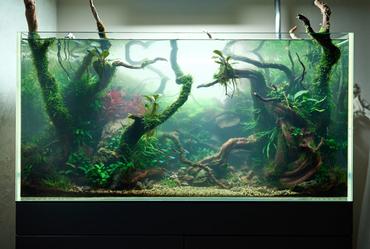
- Midground: This is the place for Cryptocoryne and medium-sized driftwood pieces with Java Fern attached.
- Background: Use tall, grass-like plants like Vallisneria (which survives well in low light) or large Amazon Swords to create a green wall that hides the back of the tank.
Layering your plants this way not only looks better but also creates different "zones" for your fish. Bottom-dwellers like Kuhli Loaches will love the shadows of the midground, while active swimmers will stay in the open space at the front.
Takeaway: Your Path to a Greener Aquarium
Low-light aquarium plants are the unsung heroes of the hobby. They provide the beauty and biological benefits of a high-tech tank without the associated stress, expense, and constant maintenance. By starting with "unkillable" species like Anubias, Java Fern, and Java Moss, you build the confidence needed to eventually explore more complex aquatic gardening. The key to success is patience—allow your plants time to settle in, provide them with basic nutrients, and maintain a consistent light cycle. A healthy planted tank isn't just a hobby; it's a living piece of art that grows and evolves with you.
Now that you have the knowledge to start your low-light garden, why not take the next step? Browse our community galleries to see how other RateMyFishTank members have used these species to create stunning displays, or leave a comment below with your favorite beginner plant! Ready to start shopping? Make sure to check our local dealer directory to find the healthiest specimens near you.
MOST RECENT ARTICLES