QUARANTINE TANKS EXPLAINED: WHY MOST FISH LOSS HAPPENS IN THE FIRST 30 DAYS
Why the First 30 Days Are So Risky for New Fish
Fish don’t ship well. Even healthy fish can arrive depleted after transport, temperature swings, crowded bags, and ammonia buildup in shipping water. Once they hit your aquarium, they must adapt again—new water chemistry, new food, new tankmates, new bacteria in the water, and new daily rhythms. That stress weakens the immune system and turns “dormant” problems into active ones.
In the first few weeks, three causes dominate avoidable losses:
- Stress and acclimation shock: abrupt changes in temperature, pH, or salinity; rough netting; poor oxygenation.
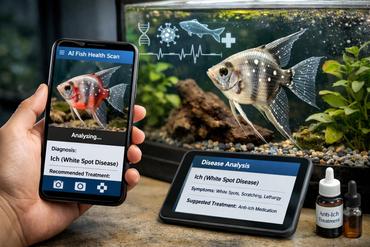
- Hidden illness or parasites: ich (white spot), flukes, internal worms, bacterial infections, or fungus that may not show immediately.
- Water quality mistakes: ammonia/nitrite spikes, overfeeding “to help them settle,” and under-filtered or unstable tanks.
What makes this period tricky is timing. A fish can look “fine” on day one and still crash on day seven or fourteen. Quarantine buys you time to observe and intervene early—before the fish is too weak, and before a pathogen spreads to everything you already own.
If you want to reduce losses immediately, make two habits non-negotiable: practice gentle acclimation (especially for sensitive species) and track ammonia/nitrite closely. If you need a refresher on a reliable, low-stress acclimation approach, see this drip method guide for acclimating fish.
What a Quarantine Tank Is (and What It Isn’t)
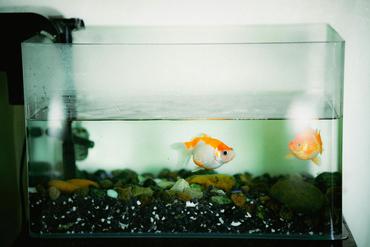
A quarantine tank is a separate, temporary aquarium used to isolate new fish (or sick fish) for observation and treatment. It’s not meant to be pretty. It’s meant to be safe, simple, and easy to keep clean.
A good QT is:
- stable temperature
- predictable water chemistry
- strong aeration
- easy to monitor
- easy to medicate
A bad QT is:
- uncycled
- overdecorated (hard to clean)
- poorly aerated
- “borrowed” equipment that can carry pathogens back to your display tank
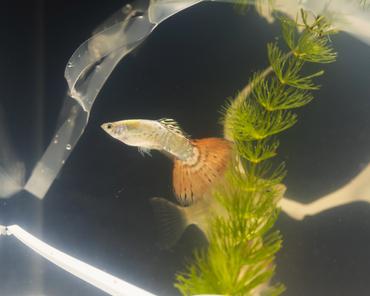
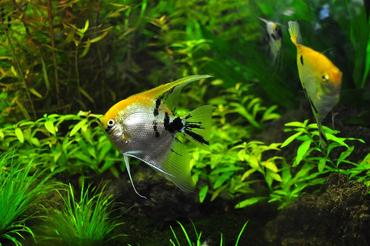
Common beginner misconception: “My quarantine tank is small, so it’s automatically easier.” In reality, smaller tanks swing faster. A 5–10 gallon QT can work for small fish (like tetras or guppies), but it requires tighter water testing and disciplined feeding. For medium fish (like angelfish, juvenile cichlids, or larger barbs), a 20-gallon QT is often the sweet spot because it stays more stable.
Setting Up a Quarantine Tank: The Simple, Reliable Approach
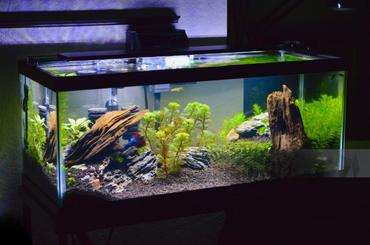
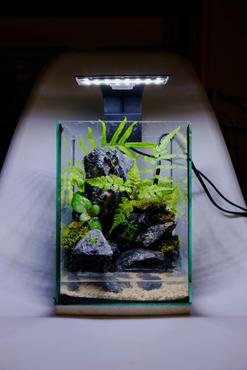
You don’t need a second full aquascape to quarantine fish. You need a stable environment and a few key tools. The goal is to create a “clean hospital room” where you can observe behavior, confirm feeding, and treat problems without harming plants, invertebrates, or your main tank’s biological filter.
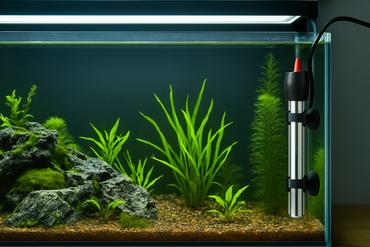
Here’s a practical, beginner-friendly QT setup that works for most freshwater fish—and can be adapted for saltwater fish as well:
- Tank: 10–20 gallons for most community fish; larger if quarantining larger species (goldfish, large cichlids, tangs).
- Filter: sponge filter or simple hang-on-back; prioritize easy cleaning and strong aeration.
- Heater + thermometer: stable temperature matters more than a “perfect” number.
- Hiding places: PVC elbows, plastic caves, or inert decor; avoid porous rock that’s hard to disinfect.
Pro tip: Keep a sponge filter “seeded” in your main tank’s sump or back corner. When you need the QT, move that seeded sponge over and you instantly start with beneficial bacteria. If you don’t have a seeded sponge, you can still run a QT—just treat it like a small, new tank and monitor ammonia/nitrite closely.
Water quality is the number-one reason quarantine fails. Many hobbyists set up the QT, add fish, and then assume the fish’s “weakness” caused the loss—when the real culprit was ammonia. If you’re not sure what levels are dangerous, bookmark this guide to ammonia, nitrite, and nitrate dangers and keep it handy during quarantine.
Equipment rule: Use dedicated QT gear (net, siphon, buckets) if possible. At minimum, disinfect and thoroughly air-dry anything that moves between tanks. Cross-contamination defeats the purpose of quarantine.
A Practical 30-Day Quarantine Timeline (What to Watch and When)
A 30-day quarantine is a simple standard that covers most common issues. Some experienced keepers go shorter for hardy species from trusted sources, and longer for wild-caught fish or high-value livestock. If you’re a beginner or you’ve had unexplained losses, 30 days is the safest habit.
Days 1–3: Stabilize and observe
In the first few days, focus on stress reduction and basic health checks. Keep lighting modest, offer high-quality foods, and don’t “chase” the fish around the tank. Watch for rapid breathing, clamped fins, flashing (rubbing on objects), stringy poop, white spots, frayed fins, or cloudy eyes.
Days 4–14: Confirm eating, build strength, catch the early outbreaks
This is when many parasites reveal themselves. Ich often appears after stress, and bacterial issues can worsen if water quality slips. Continue observing at feeding time—does every fish eat? Is one fish being bullied even in quarantine? Is anyone isolating or gasping?
Days 15–30: Finish treatment (if needed) and prove consistency
The last half of quarantine is about consistency. The fish should look “boringly normal” day after day: steady breathing, strong appetite, normal color, and normal waste. This is also the window where you can safely address lingering issues (like internal parasites) if symptoms persist.
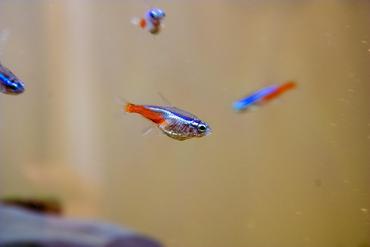
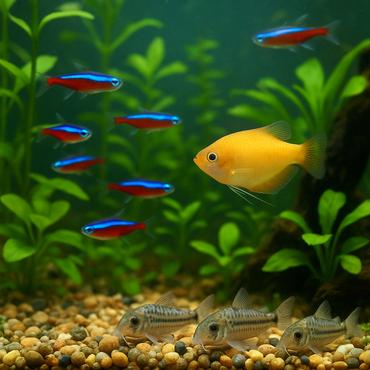
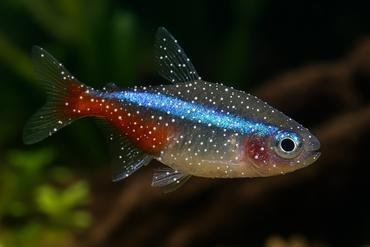
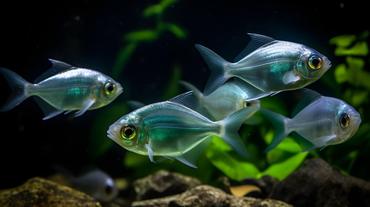
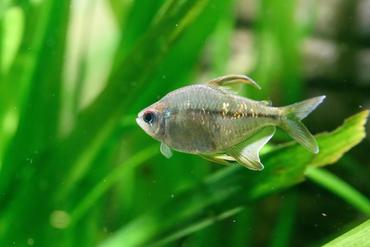
Real-world example: A new school of neon tetras might eat well for the first week, then start losing one fish every few days. In many cases, that’s not “bad luck”—it’s a stress-triggered parasite load, compounded by small-tank ammonia swings and underfeeding/overfeeding mistakes. In a QT, you can catch the pattern early, adjust feeding, increase aeration, and treat appropriately without risking your whole community tank.
Do you always need to medicate? Not necessarily. Many hobbyists use “observational quarantine” (no meds unless symptoms appear). Others use a preventative approach for high-risk fish. If you’re not comfortable with medications yet, start with observation, clean water, and excellent nutrition. You’ll still prevent the biggest disasters by keeping illness out of the display tank.
Compatibility and Care Considerations (The Part Most People Miss)
Quarantine isn’t just about disease—it’s also about compatibility and care. The QT is your chance to make sure your fish will actually thrive in your setup.
1) Quarantine tankmates wisely
It’s tempting to quarantine multiple new fish together to save time. Sometimes that works, but it can also complicate everything. If one fish gets sick, you won’t know which one brought it in. And if you’re quarantining fish with different needs, you may be forced into “compromise” water conditions that stress everyone.
As a general rule, it’s safest to quarantine fish that share similar temperature and water-parameter preferences. Examples of compatible quarantine groups:
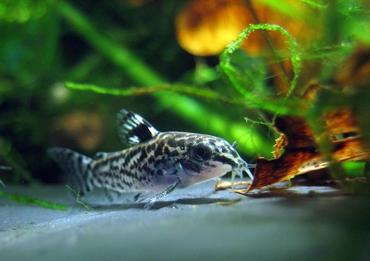
- Peaceful community fish: ember tetras, harlequin rasboras, corydoras (same supplier shipment).
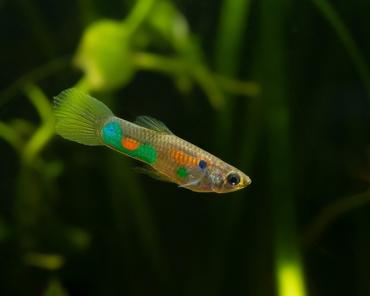
- Livebearers: guppies, platies, mollies (watch for bullying and fin nipping).
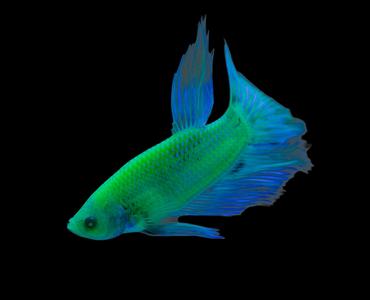
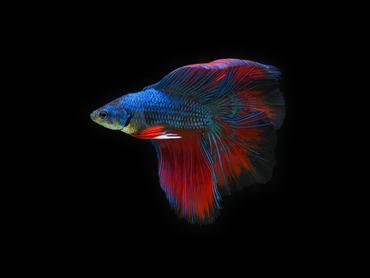
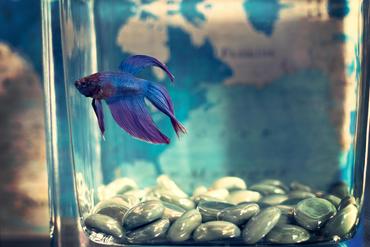
- Single centerpiece fish: betta, dwarf gourami, angelfish (best quarantined alone).
2) Consider medication sensitivity
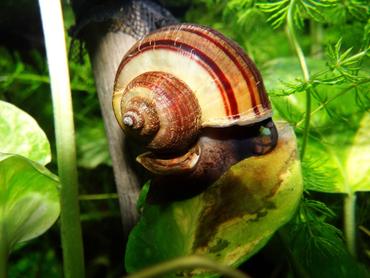
Some fish and almost all invertebrates are sensitive to common treatments. Scaleless fish (like loaches) can react strongly to certain meds. Many saltwater species require precise dosing and higher oxygenation during treatment. And copper-based medications can be lethal to shrimp, snails, and many other inverts—so never treat a display tank that includes them.
3) Stress and aggression show up fast in quarantine
Quarantine is also a “personality test.” A fish that looks peaceful at the store may turn into a fin-nipper at home. Watch closely if you plan to add fish to a community tank with slow swimmers or long fins.
Compatibility issues to watch for during quarantine:
- Fin nipping: some barbs, serpae tetras, and stressed schooling fish may nip if kept in too-small groups.
- Territorial behavior: cichlids and some gouramis can become aggressive once settled.
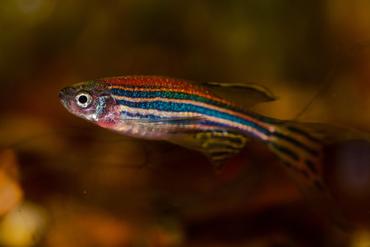
- Feeding competition: fast eaters (danios) can outcompete shy fish (corydoras, some tetras).
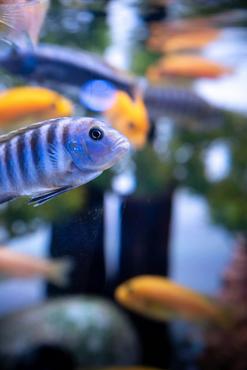
If you keep cichlids (African or South American), disease identification and treatment can be a topic all its own. For a deeper dive into symptoms and treatment patterns, see this guide to identifying and treating common cichlid diseases.
Common Beginner Mistakes That Cause “Quarantine Failures”
Quarantine tanks are simple—but they punish sloppy routines. Here are the most common mistakes that make hobbyists feel like quarantine “doesn’t work,” when the real issue is setup or process.
Mistake 1: Overfeeding to “help them settle”
New fish often beg, and it’s easy to overfeed. In a small QT, that extra food becomes ammonia quickly. Feed lightly at first, remove uneaten food, and increase portions only after the fish are stable and the tank is proving it can handle the bioload.
Mistake 2: Not testing water (or testing too late)
Many problems blamed on “weak fish” are actually water-quality spikes. In the first week, test frequently—especially if the QT isn’t seeded. If ammonia appears, respond immediately with water changes, reduced feeding, and improved aeration.
Mistake 3: Treating without oxygenation
Many medications reduce dissolved oxygen or stress fish’s gills. Add extra aeration during treatment. A simple air stone can be the difference between success and a loss.
Mistake 4: Moving fish too soon because they look fine
Some diseases have a delayed onset. A fish that looks good at day five can break with symptoms at day ten. If you’re trying to protect a thriving display tank, patience is part of the process.
Mistake 5: Cross-contaminating with nets and hands
Using the same net in the QT and display tank is like washing your hands and then grabbing a dirty towel. Keep QT tools separate or disinfect thoroughly. Even wet hands can carry pathogens between tanks.
Mistake 6: No plan for “what if they get sick”
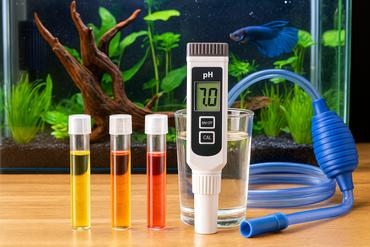
Quarantine works best when you’re prepared. Keep a basic kit ready: water test supplies, dechlorinator, a spare heater, extra air line, and a small selection of medications that match the fish you keep. You don’t need a medicine cabinet—just a plan.
Takeaways: Your Quarantine Tank Checklist for Healthier Fish
Most fish losses in the first 30 days come down to stress, hidden illness, and unstable water quality. A quarantine tank isn’t about being “extra cautious”—it’s one of the most practical habits you can build as a hobbyist, especially as you move beyond a single beginner tank and start investing in more livestock.
Use this simple approach and you’ll see a real difference:
- Run a QT that’s stable, easy to clean, and well-aerated.
- Quarantine for about 30 days, focusing on observation first.
- Test water regularly and respond fast to ammonia/nitrite.
- Use quarantine to confirm compatibility, not just disease status.
If you want to keep learning, start by tightening the two biggest “first month” success factors: gentle acclimation and rock-solid water quality. Read next: how to acclimate fish with the drip method and what dangerous ammonia/nitrite/nitrate levels look like. And if you keep cichlids or suspect illness, bookmark this disease identification guide so you can act quickly when symptoms appear.
Quarantine doesn’t eliminate every risk—but it turns surprise disasters into manageable problems. Once you’ve used a QT a few times, it becomes one of the easiest routines in the hobby, and one of the biggest upgrades you can make for fish health.
MOST RECENT ARTICLES