BRACKISH AQUARIUMS FOR BEGINNERS: RELIABLE SETUPS, STOCKING, AND SALINITY TIPS
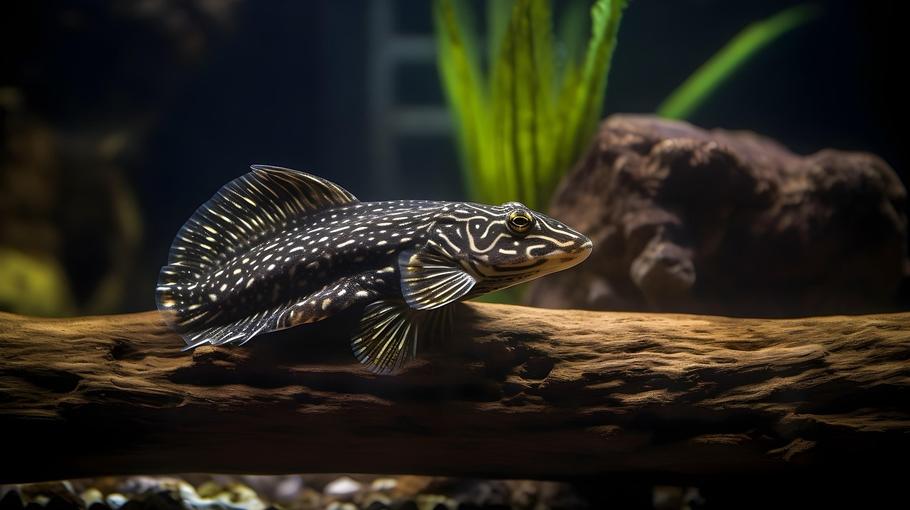
Defining the Brackish Environment: Chemistry and Concept
To succeed with a brackish tank, one must first understand what "brackish" actually means in a biological context. In nature, these zones are transitional. They are the deltas where the mighty Amazon or Mississippi rivers pour into the ocean. Consequently, the water is a soup of minerals, tannins, and fluctuating salt concentrations. For the hobbyist, this means our goal isn't just "salty freshwater," but rather a chemically stable environment that mimics these nutrient-rich coastal waters.
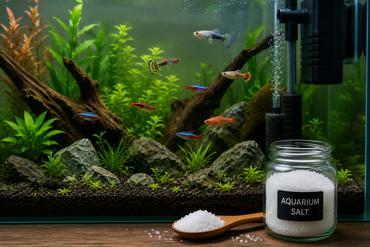
The most important distinction for a beginner is the type of salt used. You must never use table salt, which contains iodine and anti-caking agents that are toxic to fish. Even "aquarium salt" used for treating freshwater diseases is insufficient, as it lacks the complex minerals found in seawater. Instead, you must use a high-quality marine salt mix. This mix contains calcium, magnesium, and carbonates that buffer the pH and provide the essential electrolytes brackish fish need to regulate their internal chemistry, a process known as osmoregulation.
Salinity is measured by Specific Gravity (SG), which compares the density of your aquarium water to pure water. While freshwater has an SG of 1.000 and full marine water sits around 1.025, a brackish tank typically ranges from 1.005 to 1.012. The beauty of the brackish hobby is that there is no "perfect" number; rather, the goal is to find the specific range that suits your chosen inhabitants and keep it there consistently.
Essential Equipment and Technical Setup
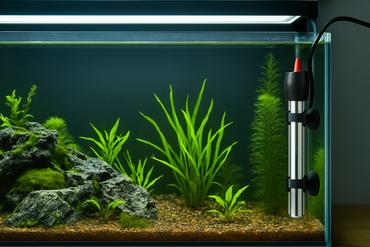
Setting up a brackish tank requires a blend of freshwater hardware and marine monitoring tools. Because salt is naturally corrosive, every piece of equipment—from the heater to the filter impeller—must be rated for saltwater use. If you are repurposing an old freshwater tank, inspect the silicone seals and any metal components for wear, as salt will find and exploit any weaknesses.
- The Tank: Size matters more in brackish setups than in freshwater. Because many brackish species are active and "messy," a 29-gallon tank is the absolute minimum for a beginner, with a 55-gallon tank being much more forgiving. Larger volumes of water dilute waste products and make it easier to maintain a stable salinity.
- Filtration: High-volume filtration is non-negotiable. Brackish fish often have high metabolisms and produce significant ammonia. Canister filters are generally preferred because they allow for a large amount of biological media. Look for a filter that turns over the tank volume at least 5 to 10 times per hour.
- Substrate: This is a critical choice. While gravel is fine for freshwater, brackish fish thrive in higher pH environments (7.8 to 8.4). Using aragonite sand or crushed coral as a substrate will naturally leach minerals into the water, helping to keep the pH high and stable. This mimics the sandy bottoms of estuaries and mangrove forests.
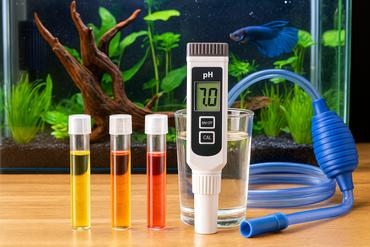
- Monitoring Tools: You cannot guestimate salinity. A hydrometer is the most common tool for beginners, utilizing a swing-arm to show density. However, for those serious about the hobby, a refractometer is a superior investment. It uses light to provide a much more accurate reading and is less prone to errors caused by air bubbles or salt buildup.
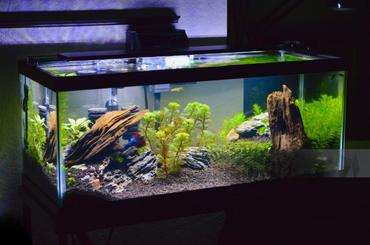
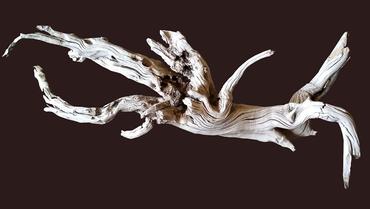
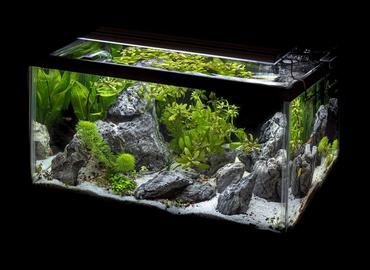
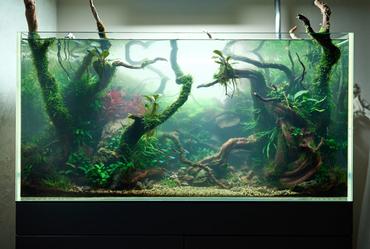
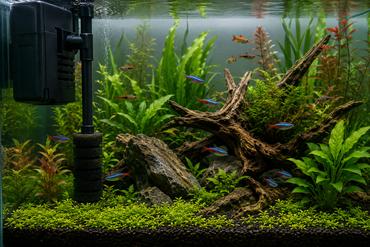
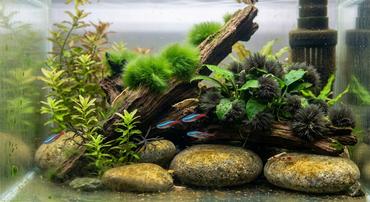
When setting up the decor, think about the natural habitat. Mangrove roots (or synthetic versions) provide excellent hiding spots and vertical structure. Large, smooth river rocks can also be used, but avoid rocks that might leach unwanted metals. If you are transitioning from a standard setup, you might want to review our guide on properly setting up a quarantine tank, as brackish fish are often wild-caught and should be observed before joining your main display.
Top Brackish Fish Species for Beginners and Intermediates
The diversity of brackish fish is staggering. Some species spend their whole lives in these waters, while others move to full ocean water as they age. Understanding the lifecycle of your fish is paramount to long-term success.
The "Gateway" Fish: Mollies
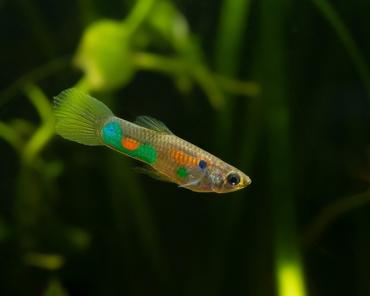
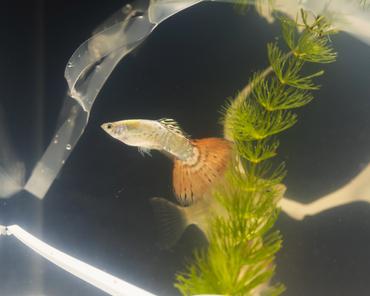
Many hobbyists are surprised to learn that the common Molly (Poecilia spp.) is actually a brackish-water powerhouse. While they can survive in freshwater, they truly thrive in brackish conditions. They are less prone to "the shimmies" (a neurological stress response) and show more vibrant colors when salt is present. They are the perfect species for a beginner to "cut their teeth" on salinity management.
The Personality King: Figure 8 Puffer
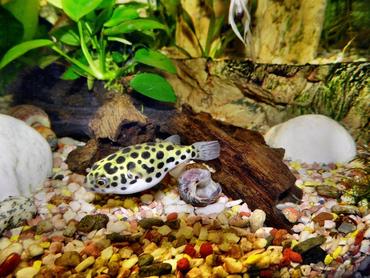
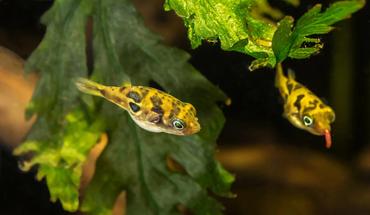
The Figure 8 Puffer (Tetraodon biocellatus) is perhaps the most iconic brackish inhabitant. These fish are highly intelligent and will eventually learn to recognize their owners, often "begging" for food at the glass. They stay relatively small, around 3 inches, making them suitable for mid-sized tanks. However, they are aggressive fin-nippers and require a specialized diet of hard-shelled foods like snails and unpeeled shrimp to grind down their ever-growing dental plates.
The Bottom Dwellers: Knight Gobies and Bumblebee Gobies
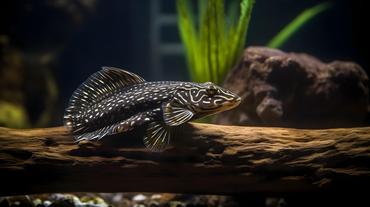
For the lower levels of the tank, gobies offer endless entertainment. The Knight Goby is a regal-looking predator with a stunning dorsal fin. They are ambush hunters, so they need plenty of caves. The Bumblebee Goby, on the other hand, is a tiny, striped gem that works well in groups. Be warned: Bumblebee Gobies are notoriously picky eaters and often refuse flakes or pellets in favor of frozen bloodworms or live daphnia.
The Archerfish: Nature's Marksman
For those with a larger tank (75 gallons or more), the Archerfish is a spectacular choice. Known for their ability to "shoot" down insects from overhanging branches using a jet of water, they provide a level of interaction few other fish can match. They require a longer tank with plenty of open surface area and preferably a tight-fitting lid, as they are excellent jumpers.
The Art of Salinity Management and Water Changes
The most common fear for brackish beginners is the water change. In a freshwater tank, you simply dechlorinate tap water and pour it in. In brackish, you are a chemist. The key is to never mix salt directly in the aquarium. This can create localized areas of high salinity that can chemically "burn" the gills of your fish.
To perform a proper water change, follow these steps:
-
Fill a dedicated food-grade bucket with freshwater and add your dechlorinator.
Slowly add the marine salt mix while using a small powerhead or air stone to circulate the water.
Let the mix sit for several hours, or ideally overnight, to ensure the salt is fully dissolved and the oxygen levels are stabilized.
Test the SG of the bucket. It should match the SG of your tank exactly. If it is too high, add a little more freshwater; if too low, add a tiny bit more salt.
Check the temperature. It must match your tank to avoid shocking the fish.
Understanding Evaporation
One of the most counterintuitive aspects of brackish care is "topping off." When water evaporates from your tank, only the H2O disappears; the salt stays behind. This causes the salinity of the remaining water to rise. To combat this, you must top off your tank daily with freshwater. If you top off with brackish water, your salinity will slowly creep up until it reaches full marine levels, which could be fatal for true brackish species.
Slow Transitions
If you buy a fish that was kept in freshwater at the local store, do not drop it into a 1.010 SG tank. You must "drip acclimate" the fish over several hours. Similarly, if you are converting a freshwater tank to brackish, increase the SG by no more than 0.002 per week. This allows the beneficial bacteria in your filter to adapt. If you move too fast, you will crash your nitrogen cycle and see a spike in ammonia.
Compatibility, Diet, and Vegetation Challenges
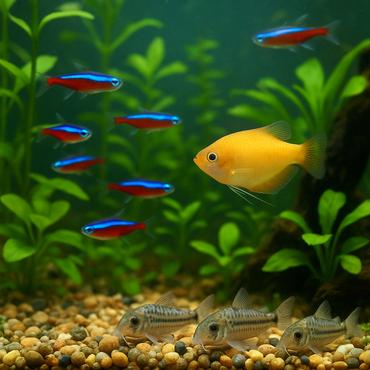
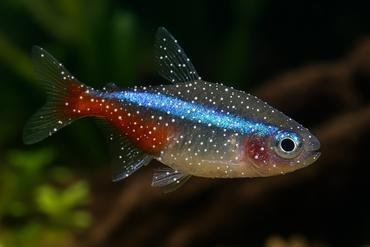
A brackish community is a delicate balance. Unlike a peaceful school of Neon Tetras, many brackish fish are territorial or predatory. For instance, the Dragon Goby (Violet Goby) looks like a prehistoric monster but is actually a gentle scavenger. However, its size alone can intimidate smaller tank mates. Conversely, the Figure 8 Puffer is small but can terrorize much larger fish by nipping at their fins.
Feeding for Health
Dietary variety is the secret to longevity. Most brackish fish are "meaty" eaters. In addition to high-quality pellets, you should provide:
- Frozen Mysis shrimp and Krill (excellent for color).
- Live or frozen Bloodworms.
- Live snails (essential for puffers).
- Seaweed or algae wafers for Mollies and Scats, which require vegetable matter.
The Plant Dilemma
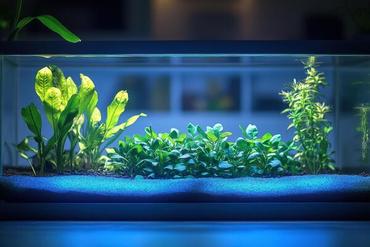
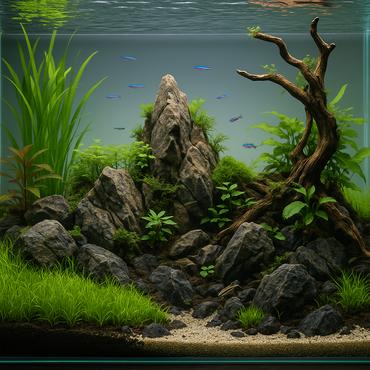
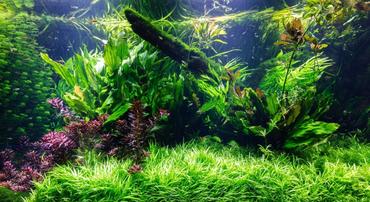
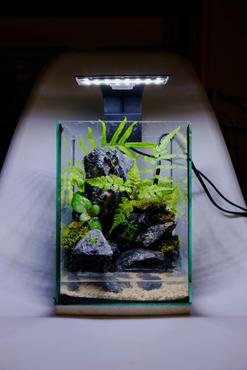
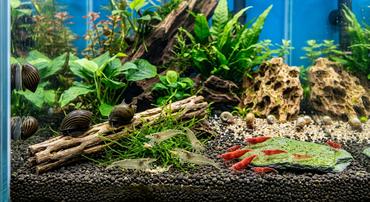
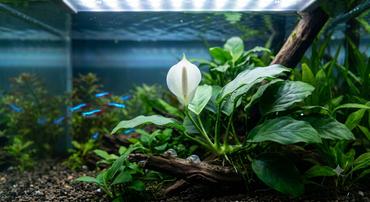
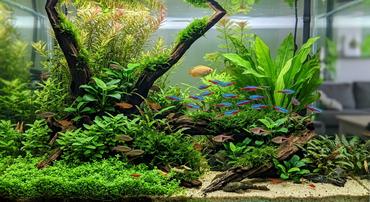
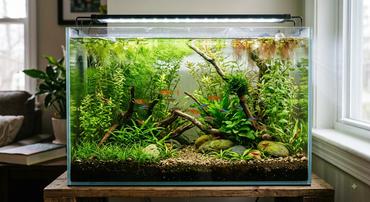
If you love the "nature aquarium" look, brackish water will be a challenge. Most aquatic plants will succumb to salt creep and die. However, you aren't completely without options. Java Fern and Anubias are surprisingly resilient and can usually handle low-end brackish (up to 1.005 SG). Vallisneria americana can also be acclimated to brackish water slowly. For a truly authentic look, many hobbyists use Red Mangrove seedlings (Rhizophora mangle). These are grown with their roots in the water and their leaves in the air, creating a stunning "above-and-below" aesthetic. Just remember to wipe the salt off the leaves occasionally, as mangroves "excrete" salt through their foliage.
If you find that plant maintenance in brackish water is too difficult, you can always look back at top 10 hardy fish for beginners to compare the ease of a standard planted freshwater setup versus the unique challenges of a brackish one.
Advanced Considerations and Avoiding Common Pitfalls
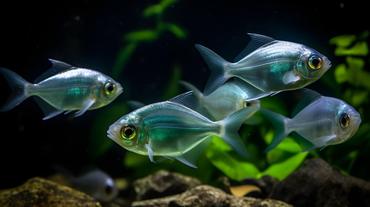
As you grow more confident, you may encounter the "Terminal Salinity" issue. Certain fish, like the Silver Scat and the Green Spotted Puffer, are often sold as brackish fish but actually require full marine water as they reach adulthood. If you do not have the equipment to transition to a saltwater tank, these species are best avoided. Always research the adult requirements of your fish, not just their juvenile needs.
Another common mistake is neglecting oxygenation. Saltwater is physically less capable of holding dissolved oxygen than freshwater. Furthermore, the higher temperatures typically found in brackish setups (76–82 degrees Fahrenheit) further reduce oxygen levels. Always ensure you have a strong surface ripple. A lack of oxygen will lead to stressed fish, suppressed immune systems, and a higher susceptibility to parasites.
Lastly, keep a close eye on your pH. Because of the salt and mineral content, brackish water wants to be alkaline. If you notice your pH dipping toward 7.0, it is a sign that your buffering capacity is exhausted. A water change or the addition of more crushed coral in the filter can help restore this balance.
Takeaway: Embracing the Coastal Niche
Brackish aquariums are the perfect "next step" for a hobbyist who feels they have mastered freshwater but isn't quite ready for the high cost and complexity of a reef tank. They offer a window into one of the most dynamic ecosystems on the planet. By focusing on stability over rapid changes and choosing fish that fit your tank size and experience level, you can build an aquarium that is as educational as it is beautiful.
The key takeaway for any beginner is to respect the salt. Invest in a good refractometer, mix your water carefully, and choose your tank mates with an eye toward their unique personalities and dietary needs. Whether you are mesmerized by the hunting tactics of the Archerfish or the quirky charm of the Figure 8 Puffer, the brackish world has something for everyone. We encourage you to keep exploring, stay curious, and share your brackish journey with the community here at RateMyFishTank.com. Happy fishkeeping!
MOST RECENT ARTICLES