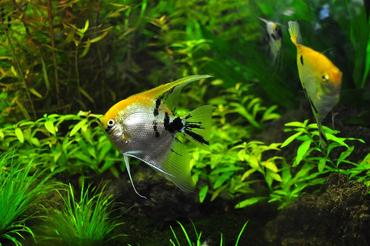
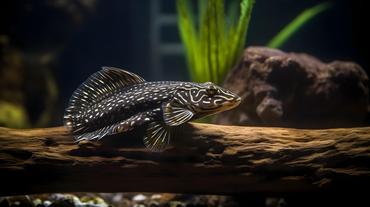
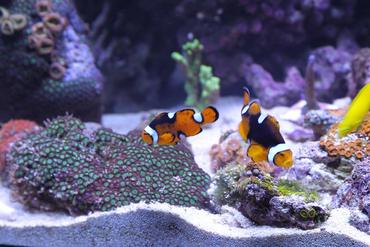
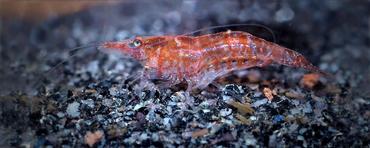
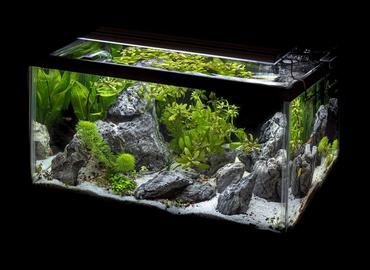
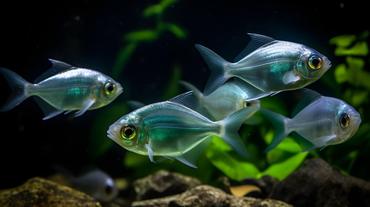
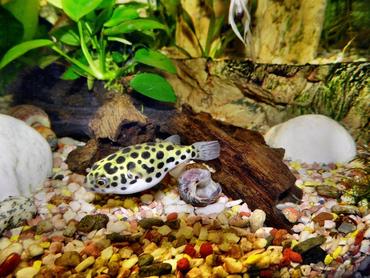
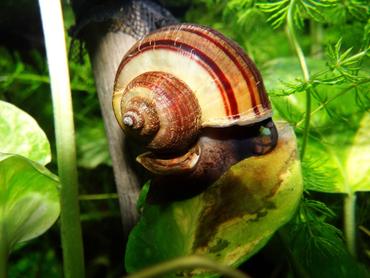
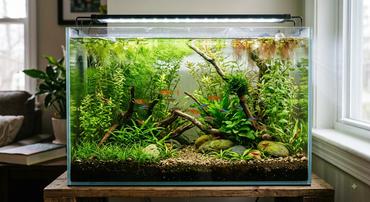
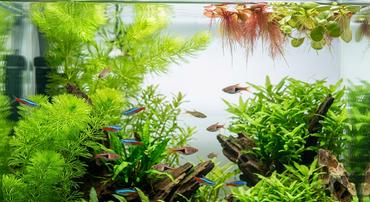
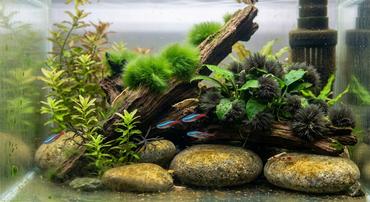
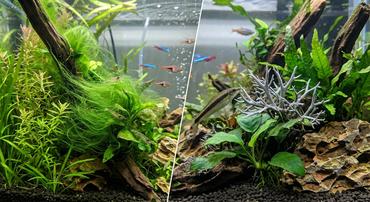
For many new hobbyists, setting up an aquarium feels like a balancing act between water chemistry, filtration, and choosing the right fish. Lighting is often viewed as a secondary aesthetic choice—something meant only to help us see our pets better. However, in the world of aquatic ecosystems, light is far more than just a spotlight; it is a fundamental driver of biological health, behavior, and chemical stability. Whether you are maintaining a simple community tank or a complex reef system, understanding why your aquarium lighting matters more than you think is the first step toward moving from a beginner to a successful intermediate aquarist.
The Biological Engine: Photosynthesis and Oxygenation
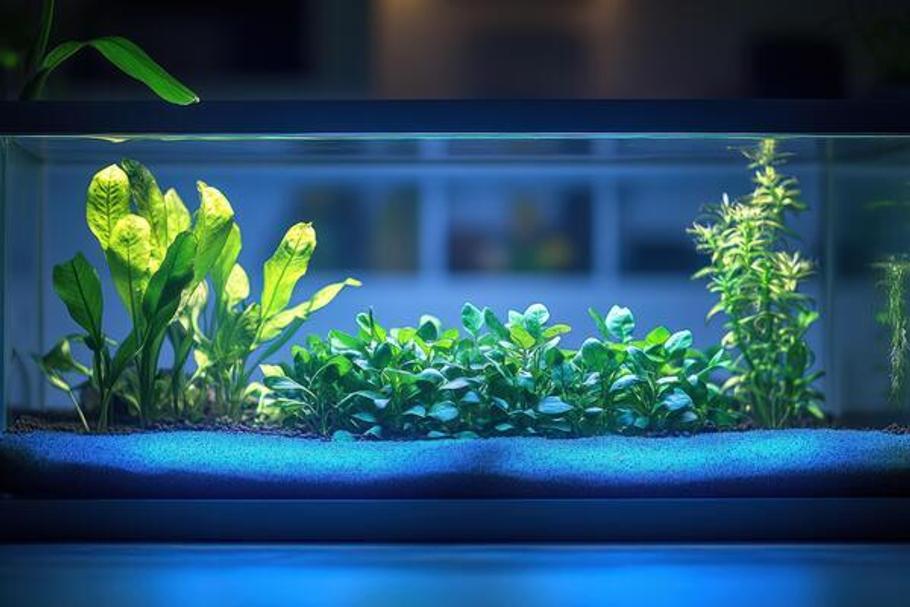
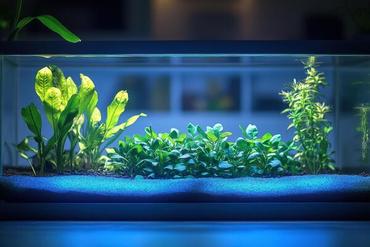
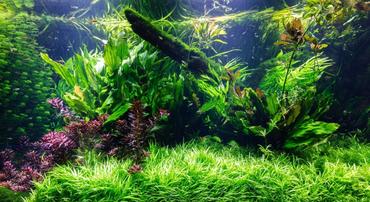
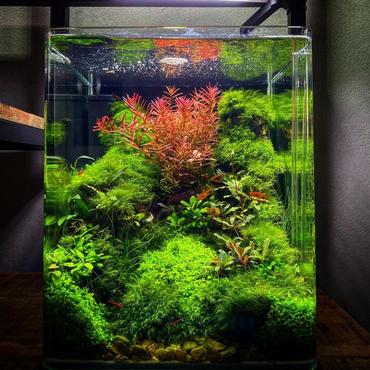
In any aquarium containing live plants or photosynthetic corals, light serves as the primary energy source. This process, known as photosynthesis, is the engine that keeps your tank's ecosystem running. Without the correct intensity and spectrum of light, plants cannot effectively convert carbon dioxide into oxygen, which can lead to a stagnant environment where fish struggle to breathe.
Plant Vitality
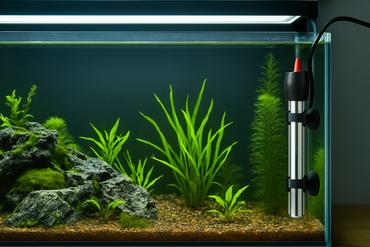
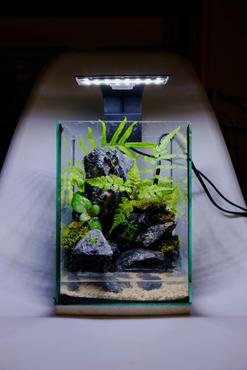
Species like Amazon Swords (Echinodorus amazonicus) or Java Fern (Leptochilus pteropus) rely on specific wavelengths—primarily in the red and blue spectrums—to produce glucose.
Oxygen Saturation
High-quality lighting encourages "pearling," where plants produce so much oxygen that bubbles form on the leaves, naturally aerating the water for your fish.
Nitrate Reduction
Healthy plants fueled by proper light act as a natural filter, consuming nitrates and phosphates that would otherwise fuel toxic conditions.
When lighting is insufficient, plants begin to rot, adding to the bioload and potentially causing ammonia spikes. By investing in the right lighting, you are essentially investing in a secondary, natural filtration system.
Regulating the Circadian Rhythm of Fish
Just like humans, fish have internal biological clocks known as circadian rhythms. In the wild, the rising and setting of the sun signal when to eat, when to sleep, and when to spawn. In a home aquarium, the lighting system is the only way to replicate this natural cycle. Constant light or unpredictable lighting schedules can cause significant physiological stress to your livestock.
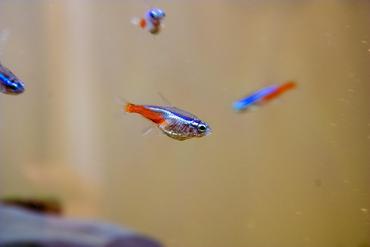
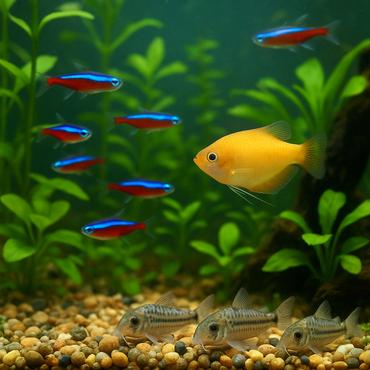
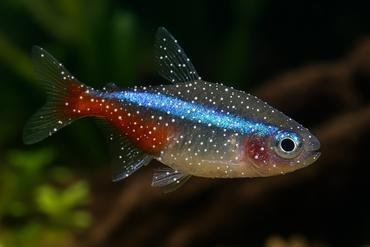
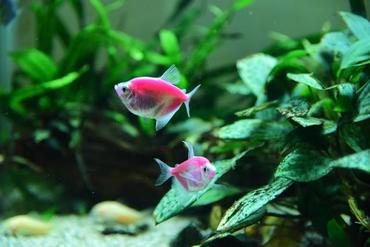
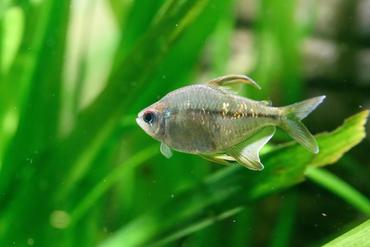
For species such as Neon Tetras or Discus, a consistent day-night cycle is essential for immune system health. When fish are stressed by improper lighting, their slime coats can thin, making them susceptible to infections like Ich or velvet. Intermediate hobbyists often use timers or "ramp-up" LED controllers that mimic sunrise and sunset, preventing the "shock" that occurs when a bright light is suddenly snapped on in a dark room.
Furthermore, many nocturnal species, such as the Featherfin Catfish or various Loaches, require a "moonlight" phase (dim blue light) to feel comfortable enough to emerge and scavenge. Without this transition, these fish may remain hidden and stressed, leading to poor nutritional intake and a shorter lifespan.
The Battle Against Nuisance Algae
One of the most common beginner mistakes is assuming that more light is always better. In reality, aquarium lighting is a "Goldilocks" scenario: you need just the right amount. If your lights are too intense or left on for too long (typically more than 8-10 hours), you will likely face an explosion of nuisance algae, such as hair algae or cyanobacteria.
Duration vs. Intensity
A light that is too weak but left on for 14 hours will still cause algae growth while starving your plants of the "burst" of energy they need.
Spectrum Issues
Cheap, off-brand lights often have a heavy yellow or green spectrum, which algae thrives on, while beneficial plants are left struggling.
The Nutrient Link
Algae is an opportunistic organism. If your lighting is out of balance with your nutrient levels (nitrates and phosphates), algae will win the race every time.
Managing this balance is a core skill for any aquarist. If you find yourself constantly scrubbing the glass, your lighting is likely the culprit.
Lighting for Color Interpretation and Growth
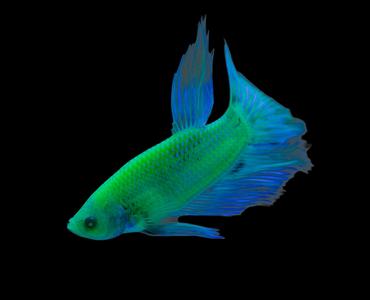
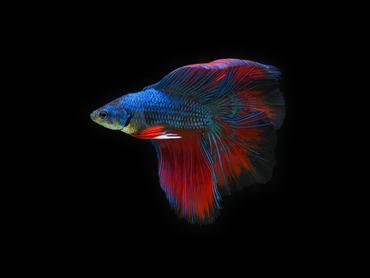
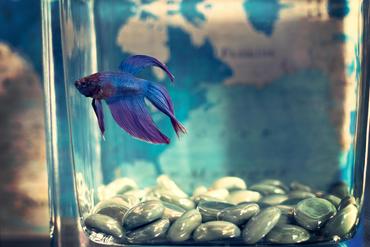
Beyond biology, lighting dictates how we perceive the colors of our fish. High-quality LED fixtures with a high Color Rendering Index (CRI) can make the iridescent scales of a Betta fish or the vibrant blues of a Powder Blue Tang pop in ways that standard shop lights cannot. This is achieved through specific "spectral peaks" that highlight certain pigments in the fish's skin.
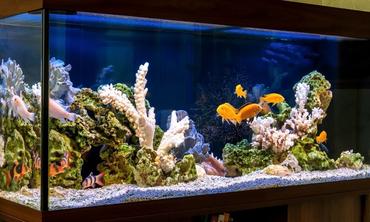
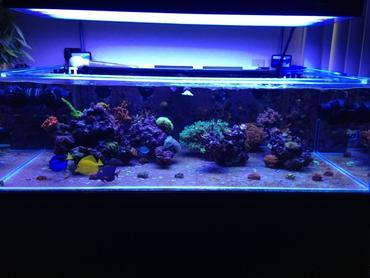
In saltwater environments, the stakes are even higher. Corals are symbiotic organisms containing zooxanthellae, which require specific PAR (Photosynthetically Active Radiation) levels to survive. Without the deep blue and actinic wavelengths, corals will lose their color—a process known as bleaching—and eventually die. For the intermediate hobbyist moving into reef keeping, the light fixture is often the most expensive and most important piece of equipment purchased.
Species like Zoanthids or Mushroom Corals are great for those starting with moderate lighting, while "SPS" corals like Acropora require intense, high-output lighting to maintain their structural integrity and vivid coloration. Properly lighting these animals is the difference between a brown, dull tank and a thriving, colorful underwater garden.
Compatibility and Care: Matching Light to Your Inhabitants
When selecting a lighting system, you must consider the specific needs of your inhabitants. Not all fish or plants want a bright, sunny environment. This is where compatibility issues often arise for beginners who buy a "one size fits all" light.
Low-Light Species
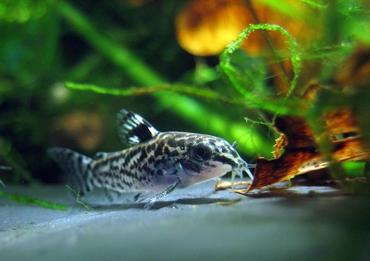
Fish like Corydoras catfish and certain types of Anubias plants prefer shaded areas. If your light is too intense, you must provide plenty of caves or floating plants like Frogbit to create "dappled" light zones.
High-Light Species
Carpeting plants like Glossostigma or Dwarf Baby Tears require very high intensity to stay low to the substrate. In a deep tank, standard lights won't reach the bottom with enough energy to support them.
Heat Management
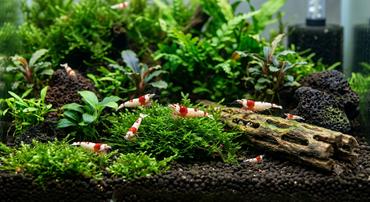
Older lighting technologies like Metal Halides or T5 Fluorescents generate significant heat. This can fluctuate the water temperature, stressing sensitive species like Crystal Red Shrimp. LEDs are preferred for their "cool" operation.
Care considerations also include the maintenance of the light itself. Salt creep (dried salt crystals) on the lens of a marine light can block up to 50% of the light output. Regularly wiping down your light fixtures and checking for moisture incursion is vital for both the health of the tank and the longevity of the equipment. Understanding the relationship between your equipment and your livestock is a key part of the importance of aquarium stocking levels and overall tank harmony.
Takeaway: Bright Ideas for a Better Tank
Lighting is the heartbeat of your aquarium's biological and aesthetic success. It influences everything from the oxygen levels in the water to the stress levels of your fish and the growth rate of invasive algae. By moving away from the "standard hood light" and investing in a system that offers the correct spectrum, intensity, and controllability, you are providing your aquatic pets with an environment that mimics their natural home.
To summarize, remember these three pillars of aquarium lighting:
Consistency
Use a timer to provide a stable day-night cycle.
Spectrum
Ensure your light provides the blue and red peaks necessary for photosynthesis.
Balance
Match your light intensity to your nutrient levels to prevent algae outbreaks.
If you are ready to take your hobby to the next level, start by evaluating your current light. Is it meeting the needs of your specific fish and plants? If not, a simple upgrade could be the key to unlocking the vibrant, healthy aquarium you have always dreamed of. Keep exploring our site for more expert tips on hardware and husbandry!
Maintaining the perfect environment for your aquatic pets is a delicate balancing act, and temperature is arguably the most critical variable in the equation.
The transition from browsing the aisles of a local pet store to navigating the vast digital landscape of online aquarium retailers marks a significant milestone for any hobbyist looking to expand their aquatic horizons.
Starting a new aquarium is an incredibly exciting journey, filled with the promise of vibrant underwater landscapes and the soothing motion of colorful fish.
Setting up a new aquarium is one of the most exciting moments in the fishkeeping hobby, but it’s also where many beginners unknowingly create stressful — and sometimes deadly — conditions for their fish.
A power outage is every aquarium hobbyist’s worst nightmare, often striking at the most inconvenient times—during a summer thunderstorm or a winter blizzard.
Walking into a room and seeing a beautifully scaped aquarium is supposed to be a Zen experience, but for many hobbyists, that peace is shattered by the sight of a dominant fish relentlessly chasing its tank mates.
The allure of a saltwater aquarium is undeniable—the vibrant colors of a Coral Beauty Angelfish, the rhythmic pulsing of Xenia corals, and the fascinating symbiotic relationship between a Clownfish and its anemone are enough to captivate any nature lover.
For many aspiring aquarists, the sheer volume of equipment required to start a successful tank—sumps, plumbing, external filters, and lighting—can feel overwhelming.
When you see signs of stress in your fish, you can then take steps to identify the source of that stress and then to resolve it before it becomes a major issue.
Let’s be honest: while we all love the tranquil beauty of a thriving underwater ecosystem, very few of us actually enjoy the back-breaking labor of scrubbing algae at 10:00 PM on a Sunday.
If you're fascinated by the beauty of aquatic life but think a full-sized aquarium might be too overwhelming, a nano aquarium could be the perfect solution.
Setting up a 10-gallon planted aquarium is one of the most rewarding projects a hobbyist can undertake, offering a perfect slice of nature that fits comfortably on a desk or side table.
Starting a 10-gallon aquarium is one of the most exciting entry points into the fish-keeping hobby, offering a perfect balance between a manageable footprint and enough space to create a thriving underwater ecosystem.
The Betta fish, with its cascading fins and kaleidoscopic colors, has long been the victim of the "bowl" myth, but modern aquarists are finally recognizing that these intelligent, labyrinth-breathing creatures truly flourish when placed in a living, breathing ecosystem.
Starting a 10-gallon aquarium is one of the most exciting entries into the fish-keeping hobby, offering a perfect balance between a manageable footprint and enough space to create a stunning underwater garden.
Diving into the world of freshwater aquariums is an exhilarating journey, but for many beginners, the initial excitement is often met with the daunting challenge of keeping their new aquatic residents alive and thriving.
Maintaining the perfect environment for your aquatic pets is a delicate balancing act, and temperature is arguably the most critical variable in the equation.
Maintaining a thriving aquarium is often described as a balancing act, and no single task is more critical to that balance than the routine water change.
While many aquarium hobbyists start their journey with low-light plants like Anubias or Java Fern, they often find themselves wondering why their tanks do not look like the lush, vibrant underwater jungles seen in professional aquascaping competitions.
Creating a thriving community aquarium is one of the most rewarding experiences in the fish-keeping hobby, offering a dynamic window into a complex underwater ecosystem.
Adding a piece of driftwood to your aquarium is one of the most transformative decisions you can make as a hobbyist, shifting your tank from a simple glass box to a vibrant, living slice of nature.
Walking into a local fish store and seeing a vibrant display of neon tetras or majestic angelfish is enough to make anyone want to dive headfirst into the aquarium hobby.
Aquascaping is the transformative art of arranging aquatic plants, stones, driftwood, and substrate in a way that transcends the traditional fish tank, turning a glass box into a living, breathing underwater masterpiece.
The lush, vibrant landscape of a masterfully scaped planted aquarium is often what draws newcomers into the hobby, but it is also the source of the most common question: do I really need a CO2 system to achieve this?
The aquarium hobby offers a unique window into the wonders of the aquatic world, but as any seasoned hobbyist knows, maintaining a slice of the ocean or a tropical river in your living room requires a significant amount of resources.
The world of fishkeeping has evolved dramatically over the last few decades, moving away from anecdotal "old wives' tales" toward a more rigorous, science-based approach to aquatic husbandry.
Creating a captivating underwater landscape is about more than just choosing the right fish; it is about building a foundation that mimics the natural world.
There is perhaps no greater disappointment for an aquarium enthusiast than approaching a carefully curated tank only to find the view obscured by a thick, mysterious haze.
The mysterious, tea-colored depths of a blackwater aquarium may look "dirty" to the uninitiated, but for many tropical fish species, these tannin-rich environments are a slice of paradise.
Starting a new aquarium is one of the most exciting moments in the hobby, but nothing halts that enthusiasm faster than waking up to find a once-vibrant community decimated by aggression or stress.
The allure of the predatory fish has long been a driving force in the aquarium hobby, drawing enthusiasts toward the raw, primal energy of nature's most efficient hunters.
The first month after you bring home new fish is when most preventable losses happen—often because the fish are stressed, carrying hidden parasites, or placed into a tank that isn’t ready for them.
Setting up a new aquarium is one of the most exciting moments in the fishkeeping hobby—but it’s also where most beginners unintentionally make mistakes that lead to stressed fish, disease outbreaks, or early losses.
Natural aquariums are often described as “set it and forget it,” but the truth is calmer and more practical: you trade constant cleaning for thoughtful setup, steady habits, and time.
Creating a thriving community aquarium is one of the most rewarding aspects of the fish-keeping hobby, but it requires much more than simply picking out the most colorful fish at the local pet store.
One of the most common questions every aquarist asks—from the first-time Goldfish owner to the seasoned reef enthusiast—is exactly how often those hungry mouths should be fed.
Bringing a slice of the underwater world into your home is a rewarding experience, but as the hobby grows, so does our responsibility to ensure that our passion doesn’t come at the expense of the environments we admire.
For decades, the gold standard of the home aquarium was a pristine, crystal-clear box of water, often decorated with neon gravel and plastic plants that bore little resemblance to the wild.
Every aquarium hobbyist knows the sinking feeling of approaching their tank in the morning only to see a prized Neon Tetra shimmying awkwardly or a Goldfish sporting a single, ominous white speck on its fin.
In the modern world, the constant noise of digital notifications and the fast-paced demands of daily life often leave us searching for a sanctuary where we can reclaim a sense of peace.
For many aquarium enthusiasts, the hobby begins with the simple desire to bring a piece of the natural world indoors, yet they quickly discover that the rhythmic swaying of aquatic plants and the gentle glide of fish offer much more than aesthetic appeal.
Deep within the slow-moving blackwater swamps and densely vegetated ditches of the Southeastern United States dwells a tiny titan that has captured the hearts of nano-aquarium enthusiasts worldwide: the Everglades Pygmy Sunfish (Elassoma evergladei).
The aquarium hobby is no stranger to trends, but every so often, a species emerges that captures the collective imagination of fishkeepers in a way that feels more like a revolution than a passing fad.
For hobbyists who have spent years perfecting their community tanks and are looking for something truly extraordinary, the freshwater pipefish represents one of the most intriguing and rewarding challenges in the aquatic world.
Aquarium keeping is a hobby built around creating a tiny ecosystem inside glass walls—but many hobbyists overlook how much usable material their tanks produce.
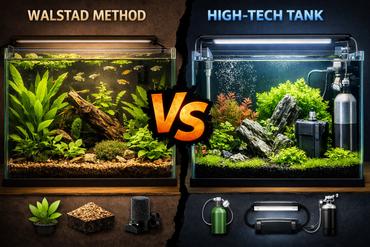
If you’re new to planted aquariums, you’ve probably come across two very different approaches: the low-tech, natural Walstad method and the equipment-driven high-tech planted tank.
Transforming a classroom with a living ecosystem is one of the most rewarding projects a teacher can undertake, offering a dynamic, hands-on window into biology, chemistry, and responsibility.
For many aquarium enthusiasts, the dream of a massive 100-gallon reef tank or a sprawling African Cichlid wall often hits a significant roadblock: a standard residential lease agreement.
For decades, the saltwater aquarium hobby relied almost exclusively on wild-caught specimens harvested from coral reefs across the globe, a practice that often introduced high stress levels and acclimation challenges for the average hobbyist.
In the vibrant, fast-paced world of a home aquarium, feeding time can often resemble a chaotic underwater race where the fastest and boldest residents claim the lion's share of the resources.
Maintaining a thriving aquarium is often described as a balancing act, but few things can tip the scales toward disaster faster than a sudden pH crash.
Vertical wall aquariums are becoming one of the most talked-about aquarium design trends in 2026, especially for hobbyists who want to maximize style without sacrificing floor space.
Off-grid aquarium systems are becoming increasingly popular among hobbyists who want greater independence, sustainability, and resilience in their fishkeeping routines.
In-wall aquariums have undergone a major transformation over the years, evolving from complicated luxury installations into practical and highly rewarding aquarium systems for hobbyists of all experience levels.
The Dark Start Method: A Smarter Way to Start a Planted Aquarium
Starting a new aquarium is exciting, but many hobbyists quickly run into one frustrating problem: algae outbreaks.
Wabi Kusa has become one of the most creative and relaxing trends in the aquarium hobby, blending aquascaping, terrarium design, and nature-inspired artistry into a compact living display.
Few experiences in the aquarium hobby are as heart-stopping as looking into your tank during feeding time, counting fins, and realizing one of your favorite fish is missing, only to discover it squeezed into a perilous gap behind the filter or wedge-pinned behind a heavy resin castle.
For decades, freshwater aquarium salt has been hailed as a staple remedy in the fishkeeping community, often passed down from experienced hobbyists as a universal cure-all for sick, stressed, or newly acquired fish.
Maintaining a thriving, crystal-clear aquarium requires more than just high-performance filtration and routine water changes; it demands a functional internal ecosystem working around the clock.
For many freshwater aquarium hobbyists, discovering a vibrant flower blooming beneath the surface of the water feels like unlocking a hidden biological miracle.
A heavily planted aquarium is one of the most stunning centerpieces you can create in the freshwater hobby, transforming a standard glass box into a thriving, dynamic underwater landscape.
Every aquarium keeper eventually battles the dreaded nitrate buildup, relying on endless water changes, gravel vacuuming, and heavy filter maintenance to keep water parameters safe for their fish.