EMERGENCY POWER OUTAGES: HOW TO PROTECT YOUR AQUARIUM
Understanding the Immediate Threats to Your Tank
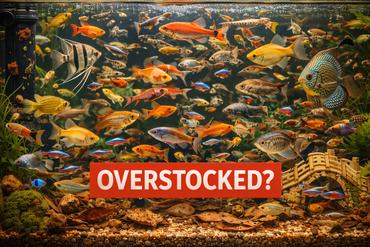
When the power cuts out, your aquarium faces three primary threats: oxygen depletion, temperature instability, and the buildup of toxic waste. Of these, oxygen depletion is usually the fastest killer. In a heavily stocked tank, fish can begin to gasp at the surface within just a few hours. This is because the surface of the water acts as the lungs of your aquarium; as long as there is movement, carbon dioxide escapes and oxygen enters. When the filter or air stone stops, that interface becomes stagnant, and the oxygen is rapidly consumed by fish, plants, and even the beneficial bacteria in your substrate.
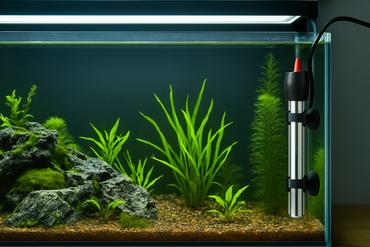
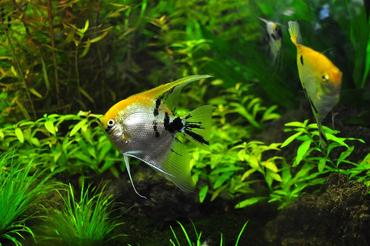
The second major concern is temperature. Most tropical fish, including Angelfish and Discus, require a stable range between 75°F and 80°F. In the winter, a house can cool down rapidly, causing the tank water to drop into the danger zone below 70°F. This cold shock suppresses the immune systems of your fish, making them susceptible to diseases like Ich once the crisis has passed. Conversely, during a summer outage, the lack of air conditioning and stagnant water can lead to overheating. High water temperatures are doubly dangerous because warm water holds significantly less dissolved oxygen than cool water.
Finally, your biological filter is at risk. Beneficial bacteria living in your filter media—the colonies responsible for the nitrogen cycle—require oxygenated water flow to survive. Without it, these colonies begin to die off within hours. If the power remains out for a long duration, these bacteria can actually rot, and once the power is restored, the filter may flush a "toxic soup" of hydrogen sulfide and ammonia directly into your display tank. Managing these three pillars—Oxygen, Temperature, and Toxicity—is the foundation of any emergency plan.
Key Threats
- Oxygen: The first 2 to 4 hours are the most critical for gas exchange.
- Temperature: Larger tanks hold heat longer than nano tanks due to thermal mass.
- Bio-filtration: Beneficial bacteria can begin to die within 4 to 6 hours of stagnation.
- Toxic Buildup: Ammonia levels can rise quickly without active mechanical and biological filtration.
Critical Supplies for Power Emergency Kits
The best time to handle a power outage is months before it happens. Every hobbyist should have an Emergency Kit stored near their aquarium. The most vital component of this kit is a battery-operated air pump. These inexpensive devices run on D-cell batteries and can provide life-saving surface agitation for days. Some modern versions even plug into the wall and automatically turn on when they sense a loss of power. Using an air stone with these pumps breaks the surface tension, allowing carbon dioxide to escape and oxygen to enter the water. It is a simple tool that prevents the number one cause of death during blackouts.
Beyond aeration, you should keep insulation materials ready. Reflective "space blankets," thick towels, or even Styrofoam sheets can be used to wrap the tank and prevent heat loss. For those with larger setups or high-value livestock like saltwater corals or rare Goldfish breeds, investing in a computer Uninterruptible Power Supply (UPS) or a portable solar generator is a wise move. These can keep a small heater or a canister filter running for several hours, providing a crucial buffer during short-term outages. Even a small UPS can keep a sponge filter running for an entire day, which maintains both oxygenation and biological filtration.
To further enhance your setup, consider how to properly set up your first aquarium with emergency preparedness in mind, such as choosing equipment that is compatible with backup power sources. If you live in an area prone to seasonal storms, choosing a larger volume tank is actually a safety strategy, as larger bodies of water are more resistant to rapid environmental changes than small bowls or 5-gallon setups.
Maintaining Oxygen and Gas Exchange
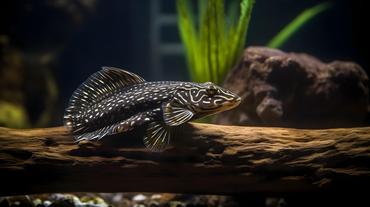
If you do not have a battery-operated pump when the power goes out, you must manually aerate the water. The most effective way to do this is to take a clean pitcher (one that has never touched soap or chemicals), scoop up some tank water, and pour it back in from a height of about 6 to 12 inches. This creates bubbles and disrupts the surface film. You should perform this for 5 to 10 minutes every hour. While it is labor-intensive, it can save the lives of high-oxygen-demand species like Hillstream Loaches, Rainbowfish, or large Cichlids.
Common beginner mistakes during an outage include over-fiddling with the tank. Many people feel the need to perform large water changes immediately. However, unless the water is visibly fouled, a large water change during an outage can cause further temperature shock and stress. Additionally, stop all feeding immediately. Fish can easily go 3 to 5 days without food. Feeding them during an outage will only increase their metabolism—causing them to use more oxygen—and lead to more waste production in a tank where the filter is not functioning. A hungry fish is a living fish; a fed fish in an unpowered tank is a liability.
Key Actions for Oxygen Management
- Manual Aeration: Pouring water back into the tank every hour to break the surface.
- Agitation: Using a clean whisk or spatula to gently stir the surface can help in a pinch.
- Avoid Feeding: Keeps the bioload low and oxygen consumption at a minimum.
- Lid Management: Open the lid slightly to allow for better gas exchange, but be mindful of "jumpers" like Bettas or Hatchetfish.
Temperature Control: Winter vs. Summer Strategies
Managing temperature requires different tactics depending on the season, and the approach depends heavily on your geographic location. In the winter, your primary goal is heat retention. Once the power goes out, the glass of your aquarium becomes a massive heat sink, radiating warmth into the cold room. Wrap the entire aquarium in blankets, sleeping bags, or bubble wrap, leaving only a small gap for air exchange at the top. If the temperature drops significantly, you can fill plastic bottles with hot water (if you have a gas stove or water heater) and float them in the tank. However, monitor the thermometer closely; you want to provide a slow, steady rise in temperature, not a sudden spike that could shock the fish.
In the summer, the danger shifts to heat. High water temperatures hold less oxygen, which compounds the aeration problem. To cool the tank, you can float sealed bags of ice or frozen water bottles. Using a battery-powered fan to blow air across the surface of the water can also lower the temperature through evaporative cooling. This is particularly important for cool-water species like Fancy Goldfish or White Cloud Mountain Minnows, which can suffer permanent damage or death if temperatures exceed 82°F for prolonged periods. Never drop ice cubes directly into the tank, as the chlorine in the ice can be toxic and the sudden localized temperature drop is too extreme.
For more advanced tips on maintaining the perfect environment, check out our guide on aquarium temperature and the importance of consistency to understand why even small fluctuations can stress your fish. Keeping a dedicated aquarium thermometer that does not rely on wall power (like a traditional glass thermometer) is an essential part of your monitoring kit during these times.
Compatibility and Care During Stressful Events
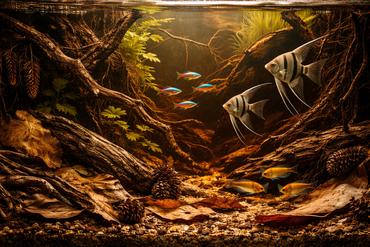
During an emergency, the behavior of your fish will change, and their social dynamics may shift. As oxygen levels drop, territorial species like Red Tail Sharks, Bucktooth Tetras, or certain African Cichlids may become more aggressive as they compete for the most oxygenated areas of the tank, which is usually right at the surface. Conversely, schooling fish like Rummy Nose Tetras or Harlequin Rasboras may become lethargic, lose their vibrant color, and huddle together. It is vital to observe these behavioral cues to determine if your emergency measures are working. If you see fish at the top of the tank "piping"—gulping at the air—it is a sign that your manual aeration is not frequent enough.
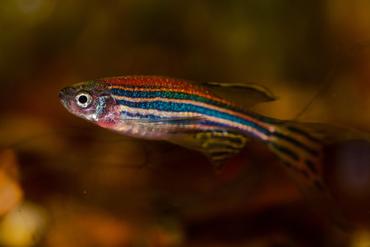
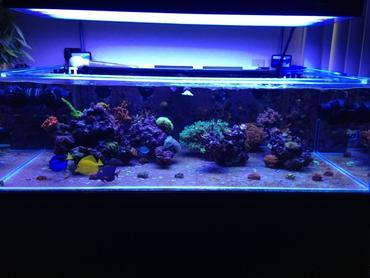
Compatibility also plays a role in survival rates. Smaller, hardier fish like Zebra Danios or Cherry Barbs often fare better in low-oxygen environments than larger, high-bodied fish like Discus or large Oscar Cichlids. If you have a community tank with a mix of species, focus your aeration efforts on the areas where the most sensitive fish are congregating. If you have a saltwater tank, corals are particularly sensitive to the lack of flow, as they rely on water movement to bring them food and carry away waste. For reef keepers, a small battery-powered powerhead is a much better investment than a simple air stone.
When the power finally returns, do not simply walk away and assume the crisis is over. Your filter media may have gone anaerobic. It is often safer to rinse your filter sponges in a bucket of dechlorinated water or old tank water before turning the filter back on to prevent "dead" bacteria and toxins from being flushed directly into the aquarium. Monitor your ammonia and nitrite levels for the next 48 hours, as a "mini-cycle" is common after a prolonged outage. If you are worried about your tank's health post-outage, you may want to review how to identify and treat common freshwater fish diseases that might arise from the stress of the event, such as fin rot or fungal infections.
Advanced Backup Systems: Generators and Inverters
For the intermediate hobbyist who has invested thousands of dollars in rare species or a complex reef, manual aeration might not be enough. This is where mechanical backup systems come into play. A portable gas generator is the gold standard for long-term outages. It can power your heaters, filters, and even your lights. However, generators must be run outdoors to prevent carbon monoxide poisoning, requiring heavy-duty extension cords to reach your tanks. If a gas generator is not feasible, a power inverter that plugs into your car’s cigarette lighter can be used to charge batteries or run a single small heater via a long extension cord.
Another option is the use of oxygen tablets. While not a permanent solution, these tablets slowly release oxygen into the water and can be useful for small transport containers or nano tanks during a move or a short blackout. However, they do nothing for water circulation or temperature, so they should be viewed as a secondary backup. Always read the dosage instructions carefully, as adding too many can cause oxygen toxicity or drastically shift the pH of the water. For most hobbyists, a combination of battery-powered air pumps and physical insulation is the most cost-effective and reliable method of protection.
Managing Water Chemistry Post-Outage
Once the power is restored and your equipment is humming again, the work isn't quite finished. The lack of filtration often leads to a spike in organic compounds. Even if your fish look healthy, the water quality may have degraded. This is the perfect time for a series of small, daily water changes—perhaps 10% to 15%—rather than one massive 50% change. This helps "dilute" the waste without further shocking the inhabitants. If you have a planted tank, keep in mind that plants stop consuming CO2 and start consuming oxygen in the dark. A prolonged power outage in a heavily planted tank can actually lead to faster oxygen depletion than in a "fish-only" tank.
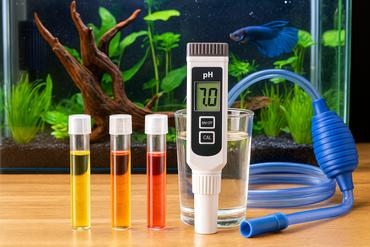
Use an aquarium test kit to check your parameters daily for a week following the event. If you see any trace of ammonia, use a water conditioner that detoxifies ammonia and nitrites (like Seachem Prime) to protect your fish while the biological filter recovers. Avoid adding any new fish to the tank for at least two weeks after a major power outage. Your system needs time to stabilize, and adding new livestock will only add more stress to a recovering bacterial colony.
Key Post-Outage Actions
- Test Parameters: Check Ammonia, Nitrite, and Nitrate daily for 7 days.
- Rinse Filters: Clean out stagnant debris before restarting.
- Detoxify: Use conditioners to bind any temporary ammonia spikes.
- Observe: Watch for signs of stress or disease for at least two weeks.
The Role of Plants in a Power Outage
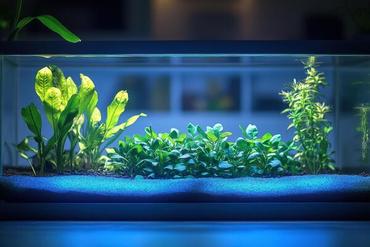
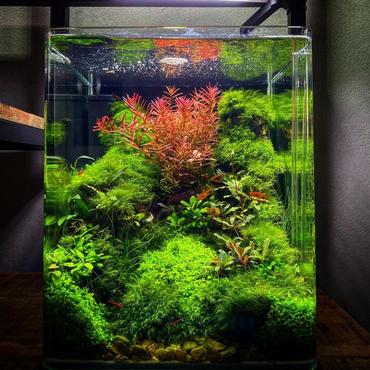
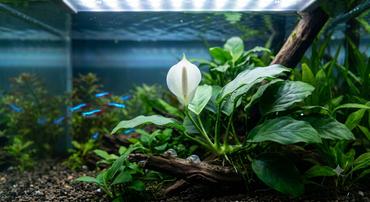
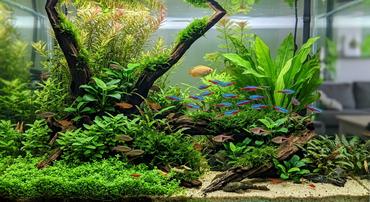
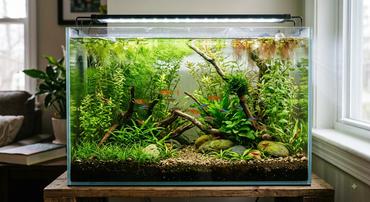
Living plants are usually a benefit to an aquarium, but during a power outage, they can become a double-edged sword. During the day, plants undergo photosynthesis, absorbing carbon dioxide and releasing oxygen. This can be a lifesaver if your tank is near a window with natural light. However, at night—or in a dark room during a blackout—plants switch to respiration. This means they actually compete with your fish for the limited oxygen available in the water. If your power goes out at night, it is even more critical to initiate manual aeration or start your battery pumps immediately.
If you have a high-tech planted tank that uses pressurized CO2, ensure the solenoid valve on your CO2 regulator is the "normally closed" type. This ensures that when the power cuts out, the CO2 gas stops flowing. If the CO2 continues to dump into a stagnant tank without a filter to move the water, it will rapidly lower the pH and suffocate every living thing in the tank. Checking your equipment's fail-safe settings is a vital part of intermediate aquarium maintenance.
Conclusion: Stay Prepared to Save Your Finny Friends
A power outage does not have to be a death sentence for your aquarium. By keeping a battery-powered air pump on hand, knowing how to insulate your glass, and resisting the urge to feed your fish during the dark hours, you can navigate even a multi-day blackout with minimal losses. The key is to act quickly and stay calm. Most fish are remarkably resilient if their basic needs for oxygen and relatively stable temperatures are met. Preparation is the hallmark of a responsible hobbyist, and having a plan in place will allow you to act decisively when the lights go out.
Remember that the primary goals are maintaining oxygen levels and stabilizing the temperature. Once the lights come back on, verify your water chemistry, rinse your filters, and give your fish time to recover in a quiet, dimly lit environment. For more expert advice on maintaining a thriving aquatic world and protecting your investment, explore our extensive library of care guides and gear reviews. Have you built your emergency kit yet? Now is the time to gather your supplies before the next storm rolls in. Your fish are counting on you to be their lifeline when the world goes dark.
Quick Emergency Checklist
To summarize, here is your "Lights Out" action plan:
- 0-1 Hour: Identify the cause and expected duration. Unplug expensive electronics to protect against surges when power returns.
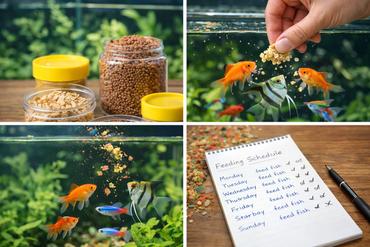
- 1-2 Hours: Install battery-operated air pumps. Stop all feeding.
- 2-4 Hours: Check water temperature. If it is dropping or rising, begin insulation or cooling procedures.
- 4+ Hours: Begin manual aeration if battery pumps aren't available. Wrap the tank in blankets for heat retention.
- Recovery: Rinse filter media, test water chemistry, and perform a small water change.
By following these steps, you ensure that your hobby remains a source of joy rather than a source of heartbreak. Being an "expert" isn't about never having problems; it's about knowing exactly what to do when they happen.
MOST RECENT ARTICLES