HOW TO BUILD AN AUTOMATIC FISH FEEDER

How to Build an Automatic Fish Feeder
Every aquarium hobbyist knows the subtle anxiety that creeps in the moment you lock your front door for a weekend getaway or a well-deserved vacation. While we trust our filtration systems and heaters, the question of "who will feed the fish" remains a primary concern. While there are plenty of commercial options on the market, many beginner and intermediate hobbyists find that off-the-shelf feeders can be unreliable, prone to moisture clogs, or simply too expensive for a secondary tank. Learning how to build an automatic fish feeder—or at least understanding the mechanics of a reliable DIY system—allows you to customize portion sizes for specific species and integrate your feeding schedule with your smart home setup. Whether you are looking for a weekend solution or a permanent way to manage the high-metabolism needs of Discus or Anthias, a custom-built feeder ensures your aquatic inhabitants never miss a meal while you are away.

The Mechanics of a Reliable DIY Feeder

The core of any automatic fish feeder is the delivery mechanism. Most DIY designs focus on the "Auger" or "Rotating Drum" style. For a hobbyist with an interest in basic electronics, using an Arduino or a simple Raspberry Pi paired with a continuous rotation servo motor is the gold standard. The servo rotates a 3D-printed or PVC screw (the auger), which pushes a precise amount of flake or pellet food forward until it drops into the tank. This method is far superior to gravity-fed "funnel" designs, which are notorious for clogging due to the humidity naturally rising from the aquarium surface.

One common beginner mistake is placing the feeder directly over a bubbling air stone or a high-flow return. The rising moisture will turn your dry fish food into a sticky paste within 48 hours, causing the motor to jam. To prevent this, your design should include a moisture guard or a small ventilation fan. Additionally, the housing for your feeder should be opaque; sunlight can degrade the nutritional value of fish food and promote the growth of mold within the hopper. Before you begin assembling your components, ensure your tank is in top shape by reviewing the process of cycling a fish tank to ensure your biological load can handle a consistent, automated feeding schedule.

  • The Motor: Use a 360-degree continuous rotation servo for precise control over how much food is dispensed.
  • The Hopper: A simple plastic bottle or a PVC pipe can serve as a reservoir for several weeks' worth of food.
  • The Auger: A spiral drill bit or a 3D-printed screw ensures that even irregularly shaped flakes move consistently.
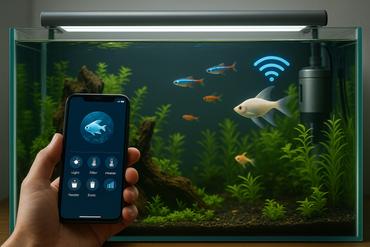
  • Smart Integration: Using a WiFi-enabled microcontroller like the ESP8266 allows you to trigger a feeding from your smartphone anywhere in the world.

Species-Specific Feeding Requirements

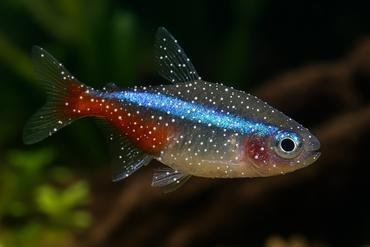
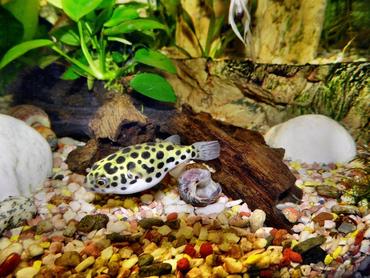
When building your feeder, you must tailor the design to the mouths you are feeding. A feeder designed for a school of Neon Tetras will look very different from one designed for a large Oscar. Small community fish require finely crushed flakes or micro-pellets, which are prone to clumping in humid conditions. On the other hand, large cichlids or predatory saltwater fish like the Picasso Triggerfish require large, heavy pellets that might jam a small-diameter auger. You must calibrate your motor’s rotation time to match the caloric needs of your specific livestock.

For high-metabolism fish such as Anthias in a reef tank or juvenile Discus in freshwater, a custom feeder is actually better than manual feeding because it can be programmed to deliver tiny amounts of food six to eight times a day. This mimics their natural grazing behavior and prevents the nutrient spikes associated with one large daily feeding. However, always be mindful of your nutrient export; automated feeding can quickly lead to the dangers of high ammonia, nitrite and nitrate if the feeder is poorly calibrated and dumps more food than the fish can consume in two minutes.

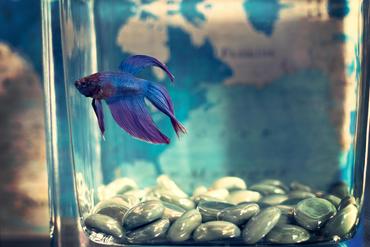
  • Surface Feeders: Ensure the food drops onto a still area of the surface so Hatchetfish or Bettas can find it before it sinks.
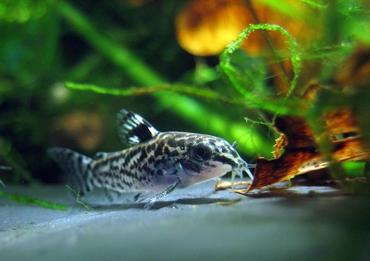
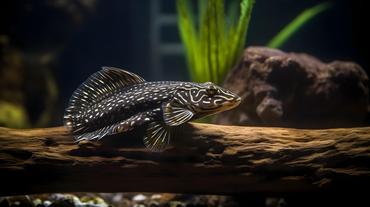
  • Bottom Dwellers: If feeding Corydoras or Loaches, use a "feeding tube" that directs sinking pellets straight to the substrate.
  • Selective Eaters: Be aware that an automatic feeder cannot dispense frozen foods; it is strictly for dry, shelf-stable nutrition.
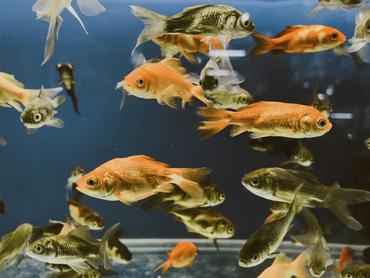
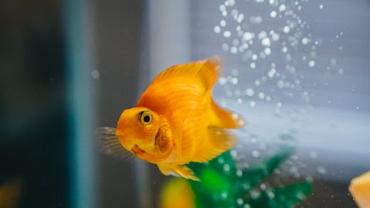
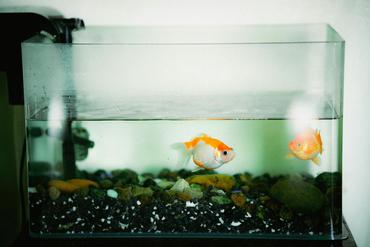
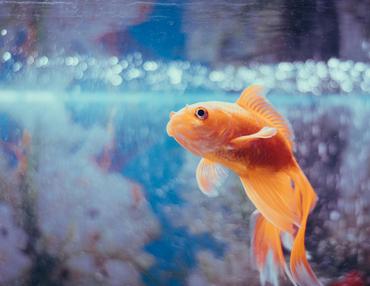
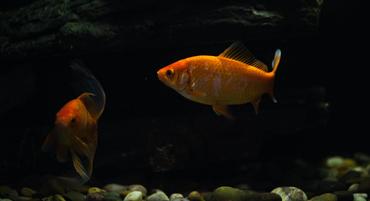
  • Goldfish: These messy eaters benefit from a feeder that dispenses sinking pellets to prevent them from gulping air at the surface.

Compatibility and Care Considerations for Automation

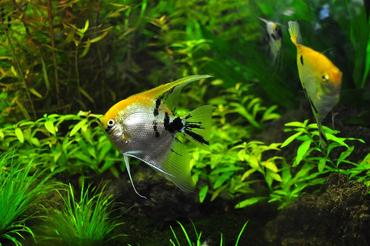
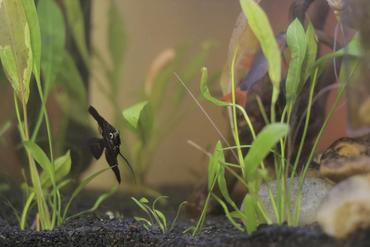
An automatic feeder is a tool, not a replacement for an observant hobbyist. One of the biggest risks of automation is the "set it and forget it" mentality. If a fish stops eating due to illness, a human will notice immediately, but an automatic feeder will keep dumping food, which rots and further degrades the water quality of an already sick tank. When using an automated system, you must still perform a visual head count daily. Furthermore, compatibility issues can arise if the feeder dispenses food too slowly, allowing dominant fish like Angelfish or Alpha Barbs to monopolize the drop zone while shyer fish starve.

To ensure compatibility with all tank inhabitants, consider the "scatter" of the food. If the feeder drops food in one tiny spot, territorial disputes will break out. A good design includes a small ramp or a vibrating plate that spreads the food across a wider area of the water surface. Also, remember that different fish have different schedules. If you have nocturnal species like Khuli Loaches or Synodontis Catfish, you might want to program your DIY feeder to dispense a portion of food after the aquarium lights have turned off. Understanding the basics of freshwater fish compatibility will help you decide if one feeder is enough or if you need multiple units for different zones of the tank.

  • Power Failure: Always include a battery backup for your microcontroller so the clock doesn't reset during a blackout.
  • Food Rotation: Only fill the hopper with enough food for two weeks to ensure the vitamins don't oxidize and lose potency.
  • The "Vacation Test": Never start using an automatic feeder the day you leave. Test it for at least one week while you are home to monitor for jams.
  • Lid Security: Ensure your DIY mount doesn't leave a gap in the lid where jumpy fish like Firefish or Rainbowfish could escape.

Calibration and Maintenance of Your DIY Feeder

The long-term success of your feeder depends on regular calibration. Different brands of pellets have different weights and friction coefficients. If you switch from a heavy shrimp pellet to a light tropical flake, your feeder may dispense twice the intended amount. At least once a month, you should run a "test cycle" into a dry cup and weigh the output. This is also the time to check the electronics for any signs of corrosion from salt creep (in marine tanks) or mineral deposits from evaporation.

Maintenance of the mechanical parts is equally vital. The auger or drum should be wiped down with a dry cloth to remove any fine dust or "fines" from the fish food. These fines often act as a binding agent when combined with humidity, leading to the dreaded "brick" of food that stops the motor. If you are using a 3D-printed design, check for any wear on the gears or shafts. A drop of food-grade silicone lubricant on the motor shaft can extend the life of your DIY project significantly. By maintaining the hardware, you ensure that the system remains a reliable safety net rather than a potential point of failure.

  • Monthly Cleaning: Empty the hopper and wipe it out with a dry cloth to prevent oil buildup from the pellets.
  • Battery Check: If your feeder uses 9V or AA batteries for backup, replace them every six months regardless of use.
  • Seal Integrity: Inspect any gaskets or weather-stripping used to keep moisture out of the food reservoir.
  • Firmware Updates: If using a smart feeder, ensure your WiFi connection is stable and the code is optimized to prevent "double feeding" glitches.

Takeaway: Peace of Mind for the Modern Hobbyist

Building your own automatic fish feeder is a rewarding project that combines technical skill with aquatic husbandry. By moving away from the "one size fits all" approach of commercial feeders, you can create a system that caters to the specific dietary rhythms of your reef or community tank. The result is more stable water chemistry, healthier fish, and—most importantly—the ability to enjoy your time away from home without worrying about your finned friends. Remember, the best automatic feeder is the one that is backed up by a robust filtration system and a dedicated owner who still enjoys the ritual of occasional hand-feeding. Ready to start your DIY journey or looking for the best pre-made components to build your system? Explore our DIY equipment guides and community project showcases at RateMyFishTank.com! Whether you are a tinkerer or a tech-enthusiast, there is always a way to make your tank a little smarter and your fish a little happier. Would you like me to help you write the specific Arduino code for a three-times-a-day feeding schedule?

How to Keep Your Tank Safe During a Power Outage
A power outage is every aquarium hobbyist’s worst nightmare, often striking at the most inconvenient times—during a summer thunderstorm or a winter blizzard.
Aquarium Fish Medications - Do or Don't?
Learn about how aquarium fish medications work and what diseases they may be used for.

MOST RECENT ARTICLES

Overstocking Myths vs Reality
OVERSTOCKING MYTHS VS REALITY
Setting up a new aquarium is an exercise in restraint that many hobbyists, both beginners and seasoned veterans, find difficult to master.
Blackwater & Biotope Aquariums (Natural-Style Boom)
BLACKWATER & BIOTOPE AQUARIUMS (NATURAL-STYLE BOOM)
For decades, the gold standard of the home aquarium was a pristine, crystal-clear box of water, often decorated with neon gravel and plastic plants that bore little resemblance to the wild.
Sustainable & Ethical Fishkeeping
SUSTAINABLE & ETHICAL FISHKEEPING
Bringing a slice of the underwater world into your home is a rewarding experience, but as the hobby grows, so does our responsibility to ensure that our passion doesn’t come at the expense of the environments we admire.

Rate This Tank:

GENERAL AQUARIUM ARTICLES
Top Fish for Community Tanks
Creating a thriving community aquarium is one of the most rewarding experiences in the fish-keeping hobby, offering a dynamic window into a complex underwater ecosystem.
Top 10 Beginner-Friendly Freshwater Fish (Ranked by Ease of Care)
Diving into the world of freshwater aquariums is an exhilarating journey, but for many beginners, the initial excitement is often met with the daunting challenge of keeping their new aquatic residents alive and thriving.
Aquarium Water Changes: How Often and How Much?
Maintaining a thriving aquarium is often described as a balancing act, and no single task is more critical to that balance than the routine water change.
Blackwater Aquariums: How Tannins Improve Fish Health and Reduce Stress
The mysterious, tea-colored depths of a blackwater aquarium may look "dirty" to the uninitiated, but for many tropical fish species, these tannin-rich environments are a slice of paradise.
Top 10 Nano Predators (and How to Keep Them Peacefully)
The allure of the predatory fish has long been a driving force in the aquarium hobby, drawing enthusiasts toward the raw, primal energy of nature's most efficient hunters.
Betta Fish in a Planted Tank: Setup, Care & Mistakes to Avoid
The Betta fish, with its cascading fins and kaleidoscopic colors, has long been the victim of the "bowl" myth, but modern aquarists are finally recognizing that these intelligent, labyrinth-breathing creatures truly flourish when placed in a living, breathing ecosystem.
Best Fish for a 10 Gallon Tank with Plants
Setting up a 10-gallon planted aquarium is one of the most rewarding projects a hobbyist can undertake, offering a perfect slice of nature that fits comfortably on a desk or side table.
AI and Smart Technology in Aquariums: The Future of Fishkeeping
Technology is transforming the aquarium hobby faster than ever before.
Beginner-Friendly Oddball Fish: Unique Species That Work in Small Tanks
Want something cooler than guppies and tetras in your small aquarium, but not ready for ultra-demanding species?
Beginner Aquarium Mistakes That Kill Fish in the First 30 Days
The first 30 days of owning an aquarium are often referred to as the "danger zone" for both the hobbyist and the fish.
Aquarium Temperature Guide: What’s Best for Your Fish?
Maintaining the perfect environment for your aquatic pets is a delicate balancing act, and temperature is arguably the most critical variable in the equation.
Aquarium Hardscape Guide: Dragon Stone, Seiryu, Spider Wood & More.
Creating a captivating underwater landscape is about more than just choosing the right fish; it is about building a foundation that mimics the natural world.
Fish Compatibility Checker: How to Build Peaceful Freshwater and Saltwater Communities
Starting a new aquarium is one of the most exciting moments in the hobby, but nothing halts that enthusiasm faster than waking up to find a once-vibrant community decimated by aggression or stress.
How to Fix Cloudy Water Fast (White, Green & Yellow Water Explained)
There is perhaps no greater disappointment for an aquarium enthusiast than approaching a carefully curated tank only to find the view obscured by a thick, mysterious haze.
Low-Light Aquarium Plants for Beginners
The transition from a basic fish tank to a lush, living underwater garden is often the most rewarding milestone for any aquarium enthusiast.
Driftwood in Aquariums: Benefits, Types, and How to Prepare It Safely
Adding a piece of driftwood to your aquarium is one of the most transformative decisions you can make as a hobbyist, shifting your tank from a simple glass box to a vibrant, living slice of nature.
The Benefits of Having a Nano Aquarium and Tips for Setting One Up
If you're fascinated by the beauty of aquatic life but think a full-sized aquarium might be too overwhelming, a nano aquarium could be the perfect solution.
Cherry Shrimp Care for Beginners: Tank Setup, Water, and Breeding Tips
Cherry shrimp (Neocaridina davidi) have revolutionized the freshwater aquarium hobby, transforming the way enthusiasts view small-scale ecosystems.
Aquascaping for Beginners: Designing a Natural Underwater Landscape
Aquascaping is the transformative art of arranging aquatic plants, stones, driftwood, and substrate in a way that transcends the traditional fish tank, turning a glass box into a living, breathing underwater masterpiece.
Best Fish for a 10-Gallon Tank with Plants: Top Choices for a Thriving Nano Aquarium
Starting a 10-gallon aquarium is one of the most exciting entries into the fish-keeping hobby, offering a perfect balance between a manageable footprint and enough space to create a stunning underwater garden.
Aquarium Science Myths: 10 Outdated Fishkeeping Rules You Should Stop Following
The world of fishkeeping has evolved dramatically over the last few decades, moving away from anecdotal "old wives' tales" toward a more rigorous, science-based approach to aquatic husbandry.
Creative hacks to keep your aquarium clean
Let’s be honest: while we all love the tranquil beauty of a thriving underwater ecosystem, very few of us actually enjoy the back-breaking labor of scrubbing algae at 10:00 PM on a Sunday.
How to Build an Automatic Fish Feeder
Every aquarium hobbyist knows the subtle anxiety that creeps in the moment you lock your front door for a weekend getaway or a well-deserved vacation.
Early Disease Identifications in the Tank
Maintaining a thriving aquarium is a rewarding journey, but even the most diligent hobbyist will eventually face the challenge of a sick fish.
What Are GloFish and How Do You Care for Them?
Bright, glowing fish that look like they belong in a science fiction movie have become a familiar sight in modern aquariums.
Aquarium Water Chemistry Made Simple: pH, Hardness, and Healthy Fishkeeping
Walking into a local fish store and seeing a vibrant display of neon tetras or majestic angelfish is enough to make anyone want to dive headfirst into the aquarium hobby.
Best Fish for a 10-Gallon Tank with Plants: A Complete Guide for Beginners
Starting a 10-gallon aquarium is one of the most exciting entry points into the fish-keeping hobby, offering a perfect balance between a manageable footprint and enough space to create a thriving underwater ecosystem.
CO2 for Planted Aquariums: A Beginner’s Guide to Healthier, Faster Growth
While many aquarium hobbyists start their journey with low-light plants like Anubias or Java Fern, they often find themselves wondering why their tanks do not look like the lush, vibrant underwater jungles seen in professional aquascaping competitions.
Quarantine Tanks Explained: Why Most Fish Loss Happens in the First 30 Days
The first month after you bring home new fish is when most preventable losses happen—often because the fish are stressed, carrying hidden parasites, or placed into a tank that isn’t ready for them.
History Of Fish Keeping As A Hobby
Fish keeping is one of the world’s oldest and most enduring hobbies, blending art, science, and a deep fascination with aquatic life.
Emergency Power Outages: How to Protect Your Aquarium
Few things strike fear into the heart of an aquarium hobbyist like a sudden power outage.
Fishless Cycling vs Fish-In Cycling: Which Method Is Best for Your Aquarium?
Setting up a new aquarium is one of the most exciting moments in the fishkeeping hobby—but it’s also where most beginners unintentionally make mistakes that lead to stressed fish, disease outbreaks, or early losses.
Brackish Aquariums for Beginners: Reliable Setups, Stocking, and Salinity Tips
The world of fishkeeping is often divided into two clear-cut camps: freshwater and saltwater.
How to Keep Your Tank Safe During a Power Outage
A power outage is every aquarium hobbyist’s worst nightmare, often striking at the most inconvenient times—during a summer thunderstorm or a winter blizzard.
What Is Driftwood Doing in Your Tank?
Adding a piece of driftwood to your aquarium is one of the most effective ways to transform a sterile glass box into a thriving, natural ecosystem.
3 Problems Every Aquarist Can Avoid
The transition from admiring a beautiful aquarium to successfully maintaining one is often marked by a series of "ah-ha" moments and, unfortunately, a few heartbreaks.
Aquarium Fish Medications - Do or Don't?
Learn about how aquarium fish medications work and what diseases they may be used for.
Aquascaping Tips to Reduce Aggression in Fish
Walking into a room and seeing a beautifully scaped aquarium is supposed to be a Zen experience, but for many hobbyists, that peace is shattered by the sight of a dominant fish relentlessly chasing its tank mates.
Spring Cleaning: How to Clean and Give Your Old Tank New Life
Keeping your tank clean is about more than just aesthetics - it also affects your fish.
Why Your Aquarium Lighting Matters More Than You Think
For many new hobbyists, setting up an aquarium feels like a balancing act between water chemistry, filtration, and choosing the right fish.
Tips for Spotting Signs of Distress in Your Fish Before It's Too Late
When you see signs of stress in your fish, you can then take steps to identify the source of that stress and then to resolve it before it becomes a major issue.
How to Buy Aquarium Supplies Online
The transition from browsing the aisles of a local pet store to navigating the vast digital landscape of online aquarium retailers marks a significant milestone for any hobbyist looking to expand their aquatic horizons.
How Cycling the Tank Can Stress Your Fish
Setting up a new aquarium is one of the most exciting moments in the fishkeeping hobby, but it’s also where many beginners unknowingly create stressful — and sometimes deadly — conditions for their fish.
Eco-Friendly Aquarium Guide: Energy-Saving Gear and Responsible Stocking
The aquarium hobby offers a unique window into the wonders of the aquatic world, but as any seasoned hobbyist knows, maintaining a slice of the ocean or a tropical river in your living room requires a significant amount of resources.
Do You Know What You Are Feeding Your Fish?
Walking down the aquarium aisle of a local pet store can be a dizzying experience.
Why Keep Aquarium Fish?
There is something inherently hypnotic about the slow, rhythmic movement of a well-maintained aquarium.
What You Need to Know About All-in-One Aquariums
For many aspiring aquarists, the sheer volume of equipment required to start a successful tank—sumps, plumbing, external filters, and lighting—can feel overwhelming.
Is My Fish Stressed? A 10-Minute Checklist to Prevent Emergencies
Walking into a room and seeing your fish acting unusual can be a heart-sinking experience for any hobbyist.
The Right and Wrong Way to Catch Fish
There is perhaps no moment more stressful for both an aquarist and their aquatic residents than the sight of a blue mesh net dipping into the water.
Simple Tips for Building a Saltwater Tank Without Breaking the Bank
The allure of a saltwater aquarium is undeniable—the vibrant colors of a Coral Beauty Angelfish, the rhythmic pulsing of Xenia corals, and the fascinating symbiotic relationship between a Clownfish and its anemone are enough to captivate any nature lover.
Smart Planted Tanks: Budget Automation for Lighting, CO₂, and Safety
Maintaining a lush, vibrant planted aquarium often feels like a balancing act between a rewarding hobby and a full-time job.
Do You Need CO₂? Three Proven Paths to a Healthy Planted Tank
The lush, vibrant landscape of a masterfully scaped planted aquarium is often what draws newcomers into the hobby, but it is also the source of the most common question: do I really need a CO2 system to achieve this?
Community Fish Compatibility Guide
Creating a thriving community aquarium is one of the most rewarding aspects of the fish-keeping hobby, but it requires much more than simply picking out the most colorful fish at the local pet store.
Read more articles (55)

READ AQUARIUM ARTICLES