BLACKWATER & BIOTOPE AQUARIUMS (NATURAL-STYLE BOOM)
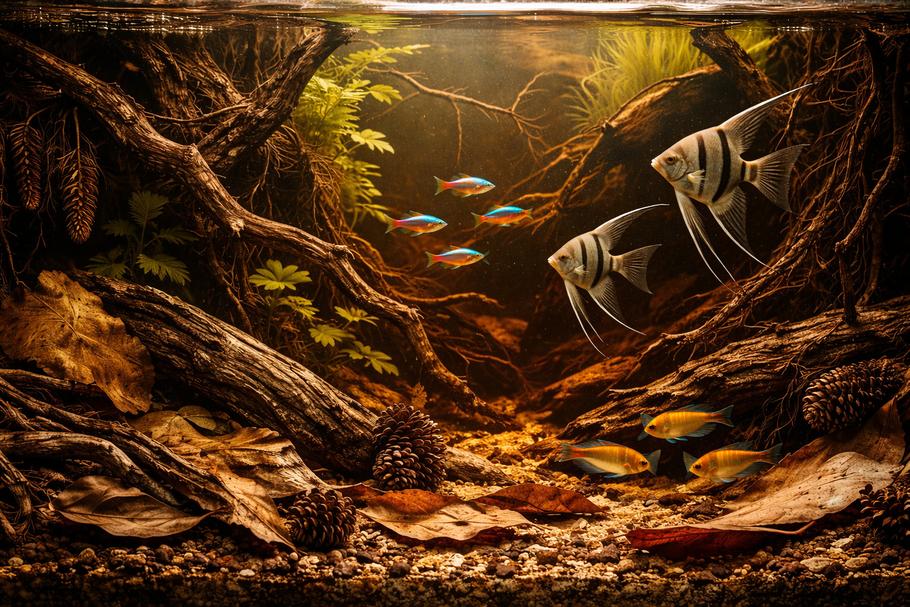
The Allure of Blackwater: More Than Just a Tea-Stained Aesthetic
At first glance, a blackwater aquarium might look intimidating to the uninitiated. The water ranges from a light amber to a deep, dark brown—resembling a strong brew of tea. This coloration is caused by the release of tannins and humic acids from decaying organic matter, such as fallen leaves, wood, and seed pods. In the wild, these blackwater systems are found in areas where slow-moving water flows through dense forests, picking up organic compounds as it moves. Far from being "unclean," this water is often remarkably pure in terms of bacterial load, as the low pH and high concentration of humic substances act as natural anti-fungal and anti-bacterial agents.
For the hobbyist, the benefits of a blackwater setup extend far beyond the visual appeal. Many of the most popular tropical fish come from these environments, and keeping them in hard, alkaline water can lead to chronic stress and a suppressed immune system. When placed in a tannin-rich environment with a lower pH, these fish often undergo a physical transformation. Their colors become deeper and more iridescent, their fins grow more robust, and their breeding behaviors become much more frequent. The tint in the water also diffuses light, creating a dappled effect that mimics the forest canopy, which helps nervous fish feel secure and reduces the likelihood of "glass surfing" or hiding.
Understanding the chemistry behind these systems is crucial. In a blackwater setup, the water is typically very soft, meaning it has low carbonate hardness (KH) and general hardness (GH). This lack of buffering capacity means that the pH can drop significantly, sometimes reaching as low as 4.5 or 5.0 in specialized setups. While this mimics nature, it requires a steady hand and a good understanding of how to manage water stability. Beginners should aim for a "tinted" aquarium first, maintaining a pH between 6.0 and 6.5, before attempting the ultra-low pH "extreme" blackwater systems that require specialized knowledge of the nitrogen cycle in acidic environments.
Defining the Biotope: Crafting a Slice of Nature
While the terms "blackwater" and "biotope" are often used interchangeably, they represent different philosophies in the hobby. A blackwater aquarium is a "styled" tank defined by its water chemistry and appearance. A biotope aquarium, however, is a rigorous attempt to replicate a specific geographic location at a specific point in time. This means every element—the fish, the plants, the substrate, the wood, and even the water flow—must coexist in that exact spot in the wild. For example, a Rio Negro biotope would only feature species found in that specific tributary of the Amazon, rather than a mix of South American and Southeast Asian species.
The beauty of the biotope approach is the educational journey it takes you on. To build a successful biotope, you must research the "micro-habitat" of your chosen fish. Does the fish live in the fast-moving riffles of a stream, or does it prefer the stagnant, leaf-choked margins of a flooded forest? Incorporating this knowledge leads to a more functional aquarium. For instance, if you are setting up a tank for dwarf cichlids, you might focus on a "leaf litter zone" biotope, utilizing layers of dried leaves to create the crevices and hiding spots these fish use for nesting. For more information on choosing compatible species for these types of setups, you can explore our guide on what are the best cichlids for a community tank to see which varieties thrive in naturalistic environments.
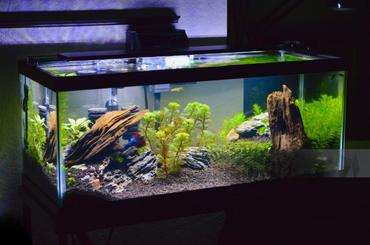
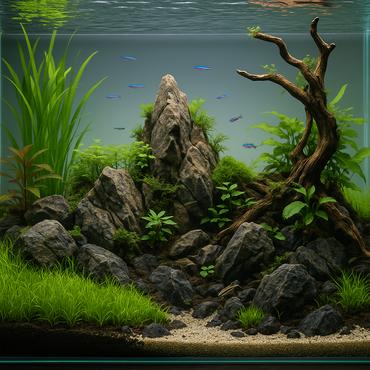
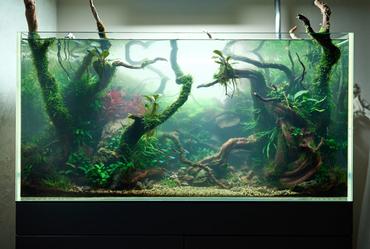
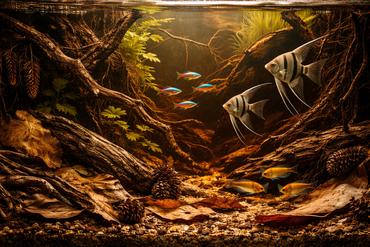
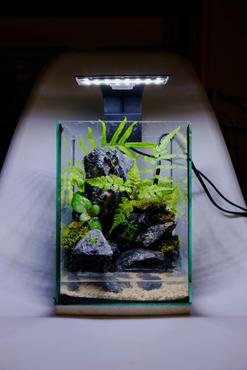
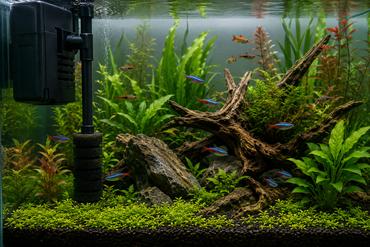
Biotope aquariums also encourage the use of "hardscape" as the primary decorative element. In many blackwater habitats, aquatic plants are actually quite scarce because the dark water prevents sunlight from reaching the bottom. Instead, the "decor" consists of tangled roots, fallen branches, and a carpet of botanical debris. This makes biotope tanks an excellent choice for hobbyists who struggle with high-maintenance "high-tech" planted tanks but still want a lush, complex look. By focusing on the texture of wood and the geometry of stone, you can create a masterpiece that looks like it was scooped directly out of a riverbed.
Essential Elements: Botanicals, Substrate, and Wood
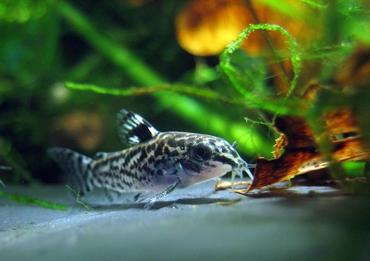
To achieve the natural-style boom in your own home, you need to move beyond standard aquarium gravel. The foundation of a blackwater or biotope tank is the substrate. In most cases, a fine, inert sand is the best choice. Sand mimics the alluvial deposits found in tropical rivers and allows "sifters," such as Corydoras or certain cichlids, to engage in their natural feeding behaviors without damaging their delicate barbels. Darker sands or even specialized "biotope" mixes that include small pebbles and organic bits can add a layer of realism that bright white sand cannot match.
The "star of the show" in these tanks, however, is the botanical list. Botanicals are the dried plant materials that release tannins and provide the structural complexity of the environment. Common choices include:
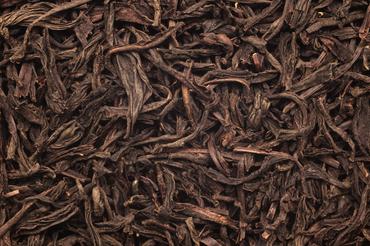
- Catappa Leaves (Indian Almond Leaves): The most popular choice for their potent medicinal properties and rich brown tint.
- Magnolia and Oak Leaves: Readily available in many regions; these are hardy leaves that take a long time to break down.
- Alder Cones: Excellent for adding deep color and providing tiny hiding spots for shrimp and fry.
- Seed Pods (e.g., Lotus heads, Jequitiba pods): These add unique shapes and mimic the "flooded forest" floor.
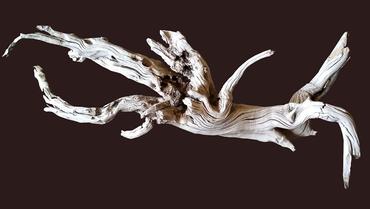
- Driftwood: Spider wood, Manzanita, and Mopani are excellent for creating the "skeleton" of the tank.
When introducing botanicals, it is vital to prepare them correctly. Boiling or soaking these items not only helps them sink but also removes excess surface debris and softens the fibers so they begin releasing tannins immediately. Beginners often make the mistake of adding too many leaves at once, which can lead to a sudden spike in organic waste as they begin to decompose. A gradual approach—adding a few leaves every few days—allows your biological filter to adapt to the increasing organic load. This slow build-up also allows you to watch the water color change gradually until you reach your desired "brew" level.
Top Fish Species for Blackwater and Biotope Aquariums
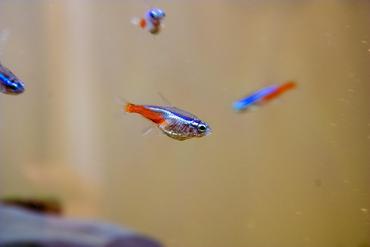
Selecting the right inhabitants is where the blackwater tank truly comes to life. While many freshwater fish can adapt to a light tint, certain species are evolutionarily "tuned" to the specific conditions of a blackwater biotope. These fish often possess specialized gills and metabolic processes that allow them to thrive in water that is low in minerals but high in organic acids. If you are looking for schooling options, many small characins are perfect candidates. For instance, you can find many suitable choices in our list of larger tetras for the community tank, as species like the Bleeding Heart Tetra or the Congo Tetra provide stunning movement against a dark background.
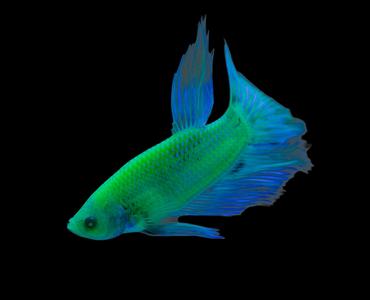
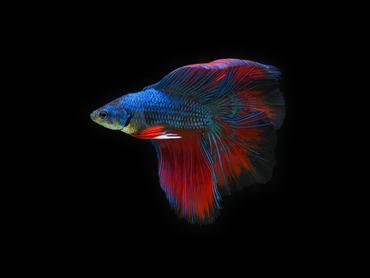
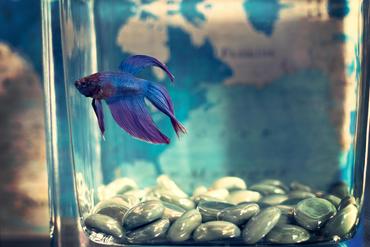
For those interested in Southeast Asian biotopes, the "Licorice Gourami" (Parosphromenus spp.) is the ultimate blackwater challenge. These tiny, jewel-like fish are often found in peat swamps and require very soft, acidic water to show their best colors. Bettas, specifically wild-type species like Betta albimarginata or Betta hendra, also thrive in these setups. Unlike their domesticated cousins, wild bettas are adapted to the complex "maze" of leaf litter and roots, and providing them with a blackwater environment is the best way to observe their fascinating parental care behaviors, such as mouthbrooding.
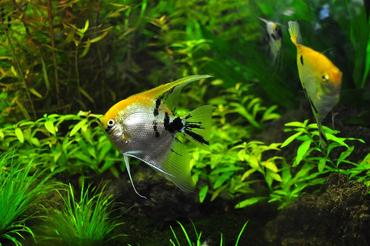
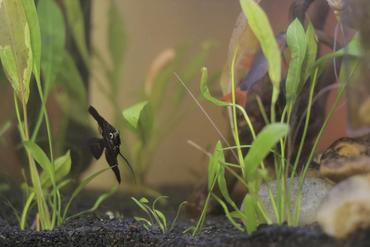
South American cichlids are perhaps the most popular inhabitants for these tanks. Discus and Angelfish are the "kings" of the blackwater Amazon, their lateral compression allowing them to glide effortlessly between vertical branches and roots. On a smaller scale, Apistogramma species (Dwarf Cichlids) are the perfect "personality" fish for a 20 or 40-gallon blackwater tank. They will claim a specific seed pod or leaf as their territory and defend it with surprising vigor. When selecting tank mates, always ensure they share the same temperature and pH requirements, as many blackwater species prefer warmer-than-average water (80°F to 84°F).
Care, Chemistry, and Compatibility: Navigating the Low pH World
Maintaining a blackwater or biotope aquarium requires a shift in how you view water chemistry. In a standard aquarium, we often rely on a "buffer" to keep the pH stable. In a true blackwater tank, that buffer is often intentionally removed to allow the pH to drop. This creates a more "fragile" environment that requires diligent monitoring. It is essential to understand that as pH drops below 6.0, the traditional nitrifying bacteria (which convert ammonia to nitrate) begin to slow down. In very acidic water, a different set of microorganisms takes over the "cleaning" duties, but this transition can be tricky for a beginner to manage.
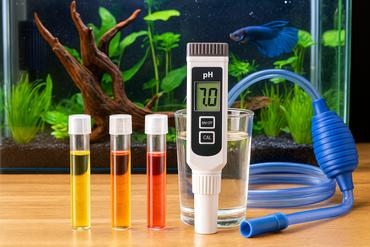
Regular water testing is the most important part of blackwater care. You should invest in a high-quality liquid test kit that can read low pH levels accurately. Because the water is so soft, even small changes in the environment can cause a "pH crash." To prevent this, many hobbyists use a mix of Reverse Osmosis (RO) water and a small amount of tap water or specialized remineralizers. This allows you to control exactly how many minerals are in the water. For a deep dive into how these numbers affect your fish, refer to our freshwater water parameter guide, which covers the relationship between KH, GH, and pH in detail.
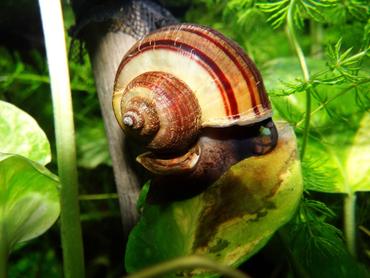
Compatibility in these tanks also extends to the "clean-up crew." Many common algae-eaters, such as certain snails or shrimp, require minerals like calcium to maintain their shells or exoskeletons. In a soft blackwater tank, their shells can begin to erode. If you want to include scavengers, look for species that are more tolerant of acidic conditions, such as Otocinclus catfish or certain species of Caridina shrimp, though even they will need a diet supplemented with minerals to stay healthy. Remember that in a blackwater tank, "mulm" (the brown organic dust that settles on the bottom) is actually a beneficial part of the ecosystem, providing food for microorganisms and a natural look, so don't be too aggressive with the gravel vacuum.
Common Pitfalls for the Natural-Style Hobbyist
The most common mistake beginners make when entering the "natural-style boom" is the "set it and forget it" mentality. Just because the tank is meant to look wild and decaying doesn't mean it doesn't require maintenance. In fact, the decomposition of botanicals is an active biological process that consumes oxygen. If you have a tank packed with leaves and slow water flow, you may find your fish gasping at the surface during the night when plants and bacteria are using up the most oxygen. Ensuring adequate surface agitation or using an air stone is vital to keep dissolved oxygen levels safe.
Another pitfall is the "over-botanicalization" of the tank. While a floor covered in leaves looks amazing, those leaves are eventually going to break down into organic waste. If your filtration system isn't robust enough to handle the increased bioload, you could see a spike in ammonia or a sudden drop in water quality. It is better to start with a light layer of botanicals and see how your parameters react over a month before adding more. Furthermore, be wary of "found" botanicals from your backyard. Unless you are 100% certain that the area has not been treated with pesticides or fertilizers, it is always safer to purchase botanicals from reputable aquarium suppliers.
Finally, avoid the temptation to constantly "fix" the water color. Many new blackwater keepers get nervous when the water gets "too dark" and perform massive water changes or use carbon in their filters. Using activated carbon will strip the tannins out of the water, defeating the purpose of the setup. If the water is darker than you like, simply perform smaller, more frequent water changes or use fewer botanicals in the next cycle. Stability is always more important than a specific "shade" of brown. Let the tank evolve naturally, and you will find that it eventually finds its own equilibrium.
Final Takeaways: Embracing the Wild Side of Fishkeeping
Transitioning to a blackwater or biotope aquarium is more than just a change in decor; it is a commitment to understanding the biological complexity of the aquatic world. By moving away from the "sterile" look of traditional tanks and embracing the rich, tannin-filled waters of the wild, you are providing your fish with an environment that closely matches their evolutionary needs. The result is a stunning, low-glare masterpiece that highlights the natural beauty of the fish and provides a fascinating look at how life thrives in the world’s most unique river systems. To summarize your journey into the natural-style boom:
- Research your specific biotope to ensure your fish, wood, and substrate are geographically and biologically compatible.
- Start slowly with botanicals like Catappa leaves and Alder cones to avoid overwhelming your biological filter or causing a pH crash.
- Prioritize water stability over water clarity, and invest in a reliable test kit to monitor your soft-water parameters.
- Ensure high levels of oxygenation to support the bacteria responsible for breaking down organic matter.
- Embrace the mulm and the tint—these are signs of a healthy, functioning ecosystem that mimics the true beauty of nature.
As you watch your fish navigate through a tangle of roots and find sanctuary under a broad leaf, you’ll realize that the "dirty" water was actually the missing piece to a truly thriving aquarium. Ready to take the next step in your fishkeeping journey? Keep exploring our database for more species-specific care guides and setup tips to help you master the art of the natural-style aquarium!
MOST RECENT ARTICLES