CONVERSATIONAL AQUARIUMS: INTEGRATING VOICE ASSISTANTS (ALEXA/GOOGLE) FOR HANDS-FREE FEEDING AND LIGHTING CONTROL
What Is a Conversational Aquarium?
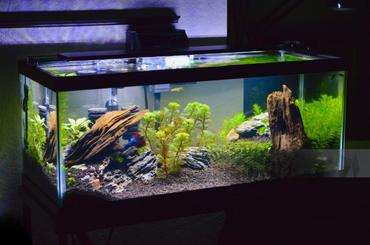
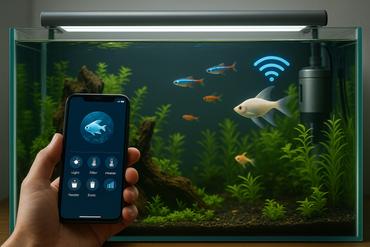
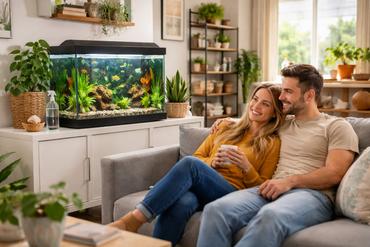
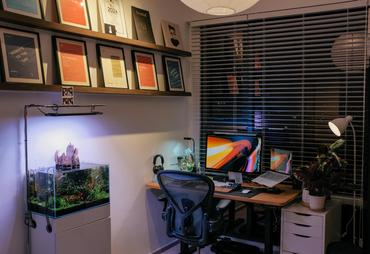
A conversational aquarium is simply an aquarium setup that connects smart devices—such as automatic feeders, lighting systems, and power outlets—to a voice assistant like Alexa or Google Assistant. These devices communicate through a home Wi-Fi network and allow hobbyists to control equipment through spoken commands or smartphone apps.
For example, instead of manually switching on lights every morning or dropping food into the tank at feeding time, you can automate these tasks or trigger them with voice commands. This can be especially helpful for aquarists with busy schedules or multiple tanks.
Common smart aquarium devices that can integrate with voice assistants include:
- Smart aquarium lighting systems
- Automatic fish feeders
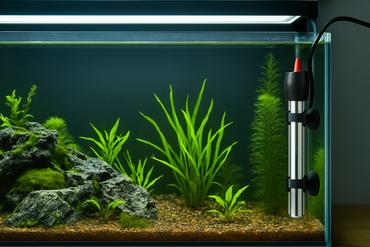
- Wi-Fi power strips for heaters and filters
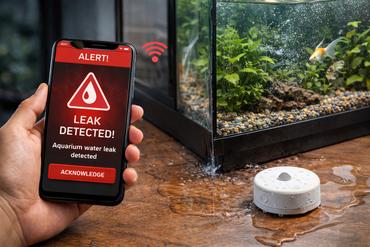
- Smart water monitoring sensors
Many aquarists start small by connecting their aquarium lights to a smart plug. With this simple setup, you can control the lights using voice commands or automated routines. Over time, hobbyists often expand their systems to include feeding schedules, water testing alerts, and temperature monitoring.
While the idea may sound high-tech, the goal remains the same as traditional aquarium care: maintaining a stable and healthy environment for your fish. Consistency in feeding and lighting schedules plays a major role in fish health and behavior.
Using Voice Assistants for Hands-Free Feeding
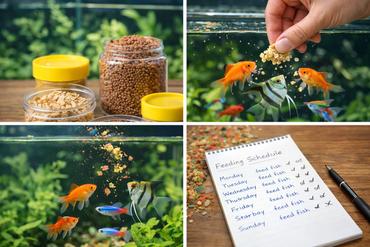
Feeding is one of the most enjoyable parts of the aquarium hobby, but it’s also where many beginners make mistakes. Overfeeding is one of the most common causes of poor water quality and fish health issues. Smart automatic feeders connected to Alexa or Google Assistant can help maintain consistent feeding schedules and portion sizes.
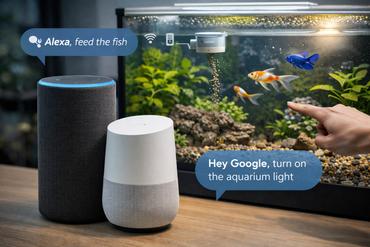
With voice assistant integration, hobbyists can trigger feeding sessions with commands like “Alexa, feed the aquarium,” or program automated routines that dispense food at specific times each day.
Automatic feeders are particularly useful for species that benefit from small, frequent meals, such as:
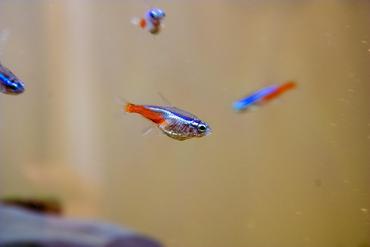
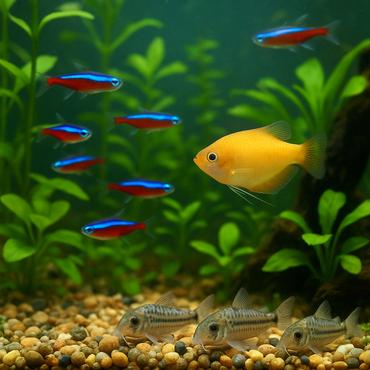
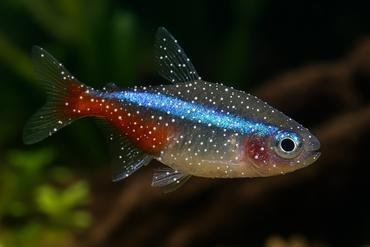
- Neon Tetras and other schooling fish
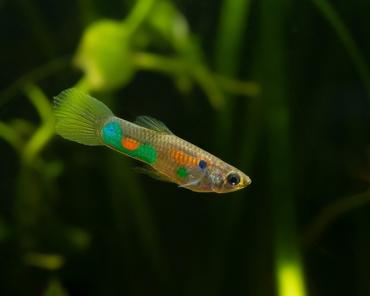
- Guppies and other livebearers
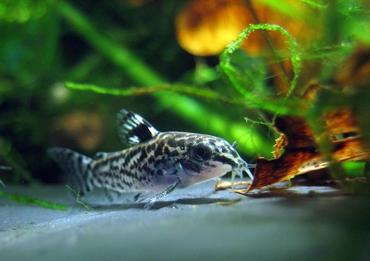
- Corydoras catfish
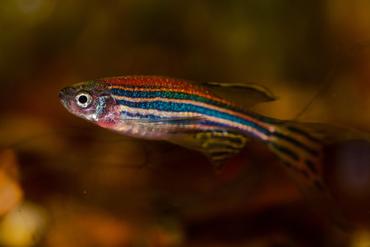
- Zebra Danios
These fish thrive on consistent feeding routines, and automation helps maintain regular schedules even when you are traveling or working late. However, portion control remains critical. Feeding too much—even with an automatic feeder—can quickly lead to excess waste and ammonia spikes.
If you are unsure how much food your fish actually need, this helpful guide on how much and how often to feed your fish provides excellent advice on proper feeding routines for common aquarium species.
Voice assistants simply make the process easier and more consistent—they don’t replace the need to monitor your fish during feeding time.
Automating Aquarium Lighting with Smart Commands
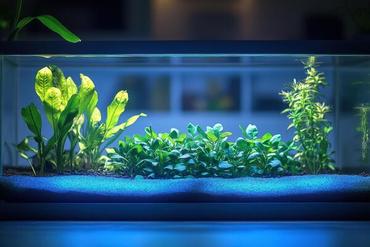
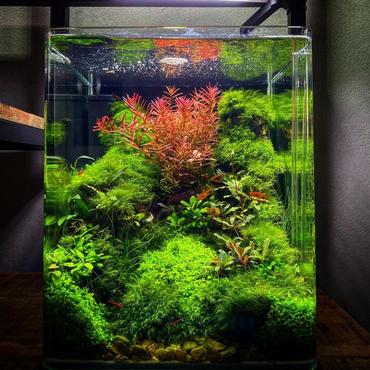
Lighting plays a huge role in aquarium health, especially for planted tanks and reef aquariums. Fish rely on predictable day-night cycles, and inconsistent lighting can stress fish or encourage algae growth. Smart lighting systems connected to voice assistants make it easy to maintain consistent schedules.
With voice integration, you can:
- Turn aquarium lights on or off using voice commands
- Set sunrise and sunset lighting schedules
- Adjust brightness levels for planted tanks
- Create automated routines tied to daily schedules
For example, you might program your aquarium lights to gradually brighten in the morning and dim in the evening to mimic natural sunlight. Some advanced LED systems even simulate cloud cover or moonlight cycles.
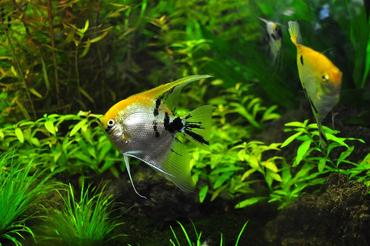
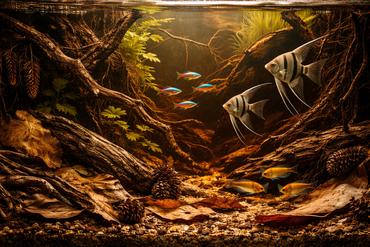
This type of automation is particularly beneficial for fish species that prefer stable lighting conditions, including Angelfish, Discus, and many South American tetras. In planted aquariums, consistent lighting also supports healthy plant growth and prevents algae outbreaks.
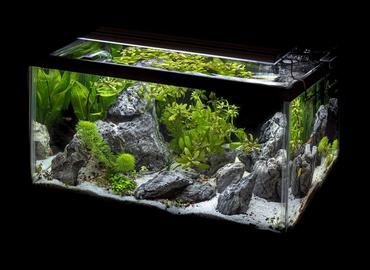
If you are setting up a planted aquarium, you may also find this guide to setting up a planted aquarium helpful for understanding how lighting interacts with plant growth and fish health.
Smart lighting systems make it much easier to maintain stable environmental conditions without needing to manually adjust equipment each day.
Compatibility and Care Considerations for Smart Aquarium Setups
Although voice assistants add convenience, the fundamentals of aquarium care remain the same. Smart devices should support good fishkeeping habits rather than replace them. When setting up a conversational aquarium, it’s important to ensure that automation doesn’t interfere with your fish’s natural environment.
Several care considerations are especially important when using automated systems:
- Ensure feeding schedules match the dietary needs of your fish species
- Avoid excessive lighting periods that may stress fish or cause algae growth
- Monitor equipment regularly to confirm smart devices are functioning properly
- Keep manual backups for critical equipment like heaters and filters
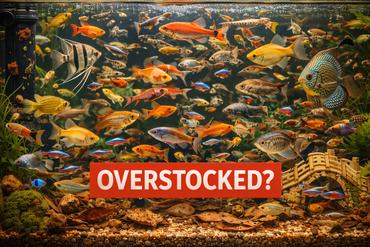
Fish compatibility also remains a key factor in maintaining a healthy tank. Even the most advanced automation cannot solve problems caused by aggressive tank mates or overcrowding. For example, species like Tiger Barbs may nip the fins of slower fish like Angelfish if housed together improperly.
Understanding compatibility between species helps prevent stress and injuries in community aquariums. This detailed article on freshwater fish compatibility explains how to select peaceful species that can thrive together.
Automation tools work best in stable aquariums where fish are already compatible and environmental conditions are well maintained.
Real-World Benefits of Smart Aquarium Control
For many hobbyists, the biggest advantage of conversational aquariums is convenience. Busy schedules can make it difficult to maintain consistent routines, especially when caring for multiple tanks. Voice assistants help automate repetitive tasks so hobbyists can focus more on observing and enjoying their fish.
Here are a few real-world examples of how hobbyists use voice-controlled aquariums:
- A planted tank owner might schedule lights to turn on automatically at 8 a.m. and gradually dim at 8 p.m., while an automatic feeder dispenses small meals twice per day. Meanwhile, voice commands allow the aquarist to temporarily increase lighting during tank maintenance or trigger an extra feeding for fry.
- Another aquarist with multiple community tanks might use smart power strips to control lighting across several aquariums simultaneously with a single command.
These systems can also help when traveling. Many hobbyists worry about leaving their aquariums unattended for several days. Smart devices allow remote monitoring and feeding schedules, reducing stress for both fish and owners.
Of course, automation should always be paired with regular tank inspections. Even the best technology cannot replace careful observation of fish behavior, water quality testing, and routine maintenance.
Common Beginner Mistakes with Smart Aquariums
As exciting as voice-controlled aquariums can be, beginners sometimes assume that automation will handle every aspect of fish care. In reality, smart systems work best when they support—not replace—basic fishkeeping knowledge.
One common mistake is relying entirely on automated feeders without monitoring food consumption. If food accumulates in the tank, it can quickly degrade water quality. Another issue is programming lighting schedules that are too long, which can cause algae outbreaks.
Some beginners also install smart devices without considering electrical safety. Aquarium equipment should always be connected to outlets with drip loops and surge protection to prevent water damage or electrical hazards.
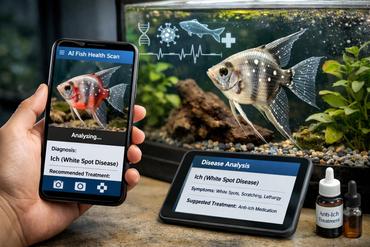
Finally, hobbyists sometimes forget that fish behavior varies throughout the day. A fish resting at the bottom of the tank might simply be sleeping rather than showing signs of illness. Learning your fish’s normal habits is still essential for proper care.
When used responsibly, smart technology can greatly improve consistency in aquarium management while helping hobbyists develop better care routines.
Takeaway: Smarter Aquariums, Healthier Fish
Conversational aquariums represent an exciting intersection between modern smart home technology and the timeless aquarium hobby. By integrating voice assistants like Alexa or Google Assistant with aquarium lighting, feeders, and monitoring systems, hobbyists can create more consistent care routines while simplifying daily tank management.
However, automation should always support the core principles of good fishkeeping: proper feeding, stable lighting cycles, compatible species selection, and regular tank maintenance. When combined with solid aquarium knowledge, smart devices can make fishkeeping more convenient while helping create a stable and healthy environment for your aquatic pets.
If you're interested in improving your aquarium setup, explore more expert guides on RateMyFishTank covering feeding schedules, fish compatibility, and advanced aquarium equipment. The more you learn about both technology and fish care, the better prepared you’ll be to create a thriving aquarium ecosystem.
MOST RECENT ARTICLES