WABI KUSA FOR BEGINNERS
What Is Wabi Kusa?
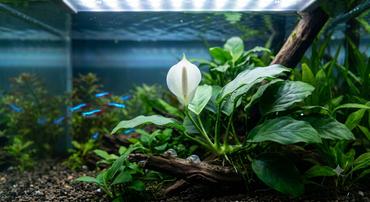
Wabi Kusa is a Japanese-inspired aquascaping style that focuses on natural simplicity and organic beauty. The term loosely combines the concepts of “Wabi,” meaning understated elegance, and “Kusa,” meaning grass or plants. In practice, a Wabi Kusa setup usually consists of aquatic plants attached to a nutrient-rich moss or soil ball placed partially above water.
Unlike fully submerged planted aquariums, Wabi Kusa encourages plants to grow emersed, meaning their leaves grow above the waterline. This often results in faster growth, brighter coloration, and unique leaf shapes that differ from submerged forms.
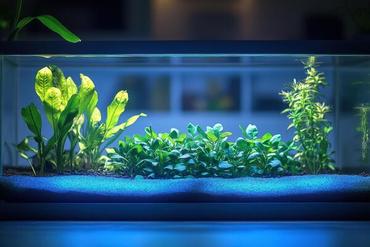
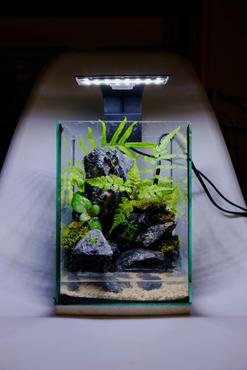
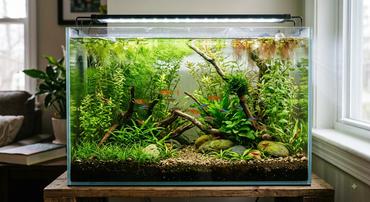
Many hobbyists create Wabi Kusa displays inside open-top aquariums, glass bowls, shallow containers, or paludariums. Some setups include small fish or shrimp underneath the plant display, while others focus entirely on the plants themselves.
One reason Wabi Kusa has become so popular is its flexibility. You can build a simple beginner setup with just a few plants and a small container, or develop elaborate artistic displays with driftwood, stones, misting systems, and waterfalls.
For aquarium hobbyists already familiar with planted tanks, Wabi Kusa can feel like a natural next step. If you are new to aquatic plants entirely, reviewing these planted aquarium basics can help you better understand lighting, nutrients, and plant care before starting your first Wabi Kusa project.
Choosing the Right Container and Equipment
One of the biggest advantages of Wabi Kusa is that it does not require expensive equipment to get started. Many successful beginner setups are built using simple glass containers and low-maintenance plants.
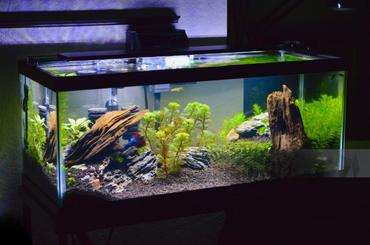
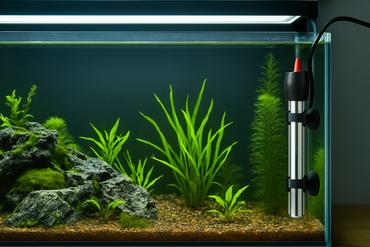
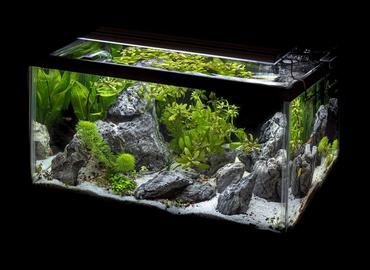
Container selection depends on your goals and available space. Shallow glass aquariums are popular because they provide enough room for plant growth while allowing easy access for maintenance. Clear glass bowls and cubes also work well for smaller desktop displays.
Lighting is one of the most important factors in long-term success. Since emersed plants receive direct exposure to air, they typically require moderate to bright lighting to thrive. LED planted tank lights are commonly used because they support healthy growth while producing minimal heat.
Humidity also plays a major role. Newly transitioned aquatic plants can dry out quickly if humidity is too low. Many beginners use glass lids or plastic wrap temporarily while plants adapt to emersed growth.
Basic equipment commonly used in beginner Wabi Kusa setups includes:
- Glass container or shallow aquarium
- LED planted tank light
- Nutrient-rich aquasoil or substrate
- Spray bottle for misting
- Aquatic and semi-aquatic plants
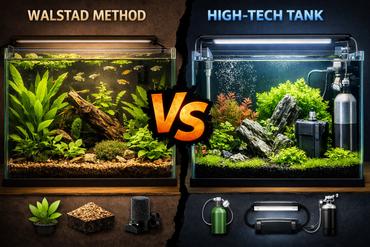
CO2 injection is usually unnecessary for beginner Wabi Kusa systems because emersed plants naturally have access to atmospheric carbon dioxide. This makes Wabi Kusa easier and more forgiving than many high-tech planted aquariums.
A common beginner mistake is placing the setup in direct sunlight. While natural light may seem beneficial, excessive sunlight often overheats small containers and triggers algae growth.
Another frequent issue is overwatering. The substrate should remain moist, but constantly flooding the plants can cause rot and poor root development.
Best Plants for Beginner Wabi Kusa Setups
Plant selection is where Wabi Kusa becomes truly exciting. Many aquatic plants that struggle underwater develop incredible colors and textures when grown emersed.
Beginners should focus on hardy species that adapt easily to above-water growth conditions. Fast-growing plants are often the easiest because they recover quickly from environmental changes.
Excellent beginner-friendly Wabi Kusa plants include:
- Anubias – Hardy, slow-growing plants with thick leaves
- Bucephalandra – Attractive leaf textures and colors for compact layouts
- Monte Carlo – Great for creating lush carpeting effects
- Hydrocotyle tripartita – Fast-growing plant with vibrant green leaves
- Ludwigia species – Adds red and orange coloration
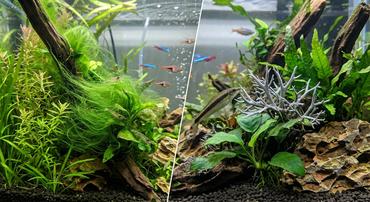
Mosses are also extremely popular in Wabi Kusa. Java moss and Christmas moss can create soft, natural textures that help hide substrate balls and hardscape.
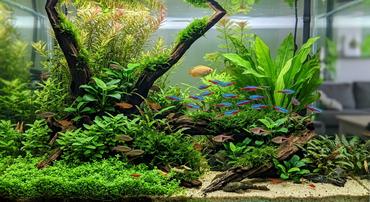
Many hobbyists combine different plant heights and colors to create layered displays. Taller stem plants in the back with carpeting plants near the front create depth and balance.
One fascinating aspect of Wabi Kusa is observing how aquatic plants transform during emersed growth. For example, many Rotala species produce thicker leaves and brighter coloration above water compared to their submerged forms.
Beginners should avoid overcrowding the arrangement with too many plant species. Simple layouts often look more natural and are easier to maintain.
Regular trimming helps encourage dense growth and prevents taller plants from shading smaller species. Over time, healthy Wabi Kusa setups develop into lush miniature ecosystems.
Adding Fish and Shrimp to Wabi Kusa Displays
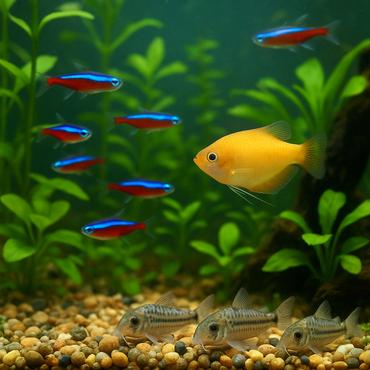
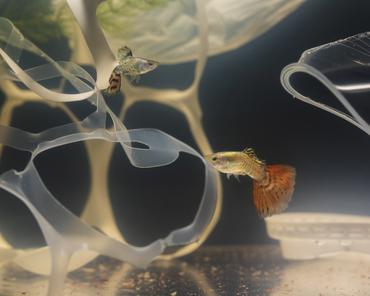
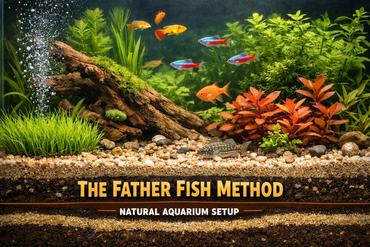
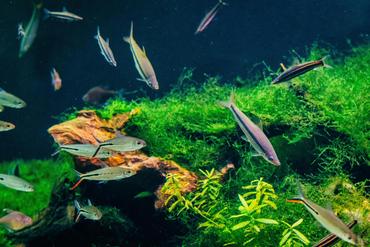
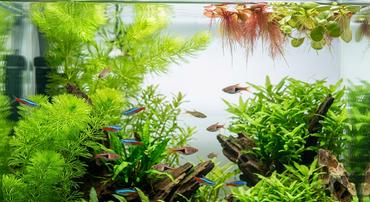
Although some Wabi Kusa setups are plant-only displays, many aquarists enjoy combining them with shallow aquatic environments containing small fish or shrimp.
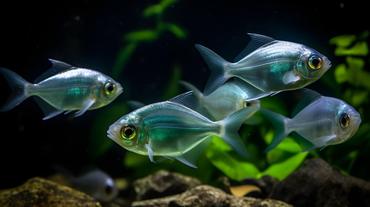
Fish selection should focus on peaceful nano species that thrive in planted environments. Since most Wabi Kusa containers are relatively small, stocking levels should remain conservative.
Popular fish species for Wabi Kusa-inspired aquariums include:
-
Chili Rasboras
Tiny and colorful, these fish thrive in planted nano tanks and complement natural layouts beautifully. -
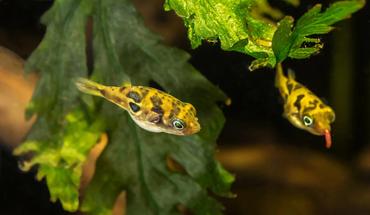
Celestial Pearl Danios
Their spotted patterns and calm temperament work well in peaceful planted displays. -
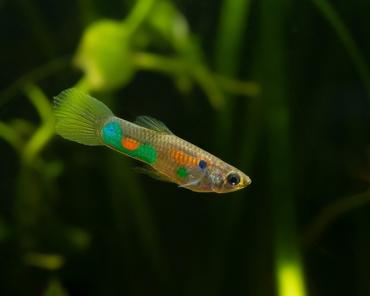
Endler’s Livebearers
Active and colorful fish that adapt well to heavily planted environments. -
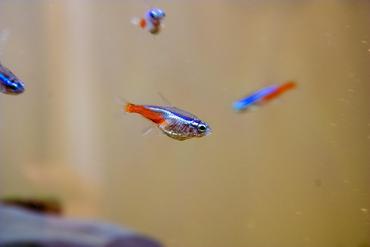
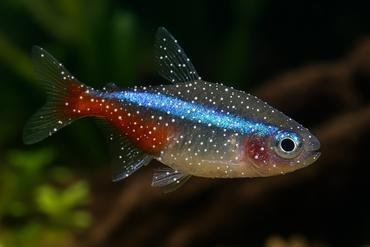
Ember Tetras
Bright orange schooling fish that add movement without overwhelming the display.
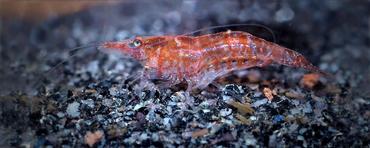
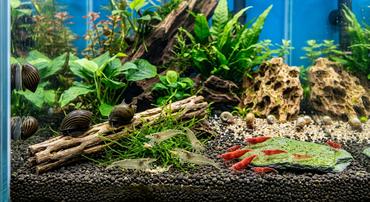
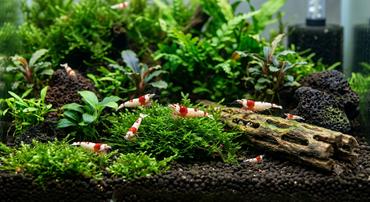
Shrimp are often even better suited for Wabi Kusa systems than fish. Amano shrimp and Neocaridina shrimp help control algae while adding activity and interest.
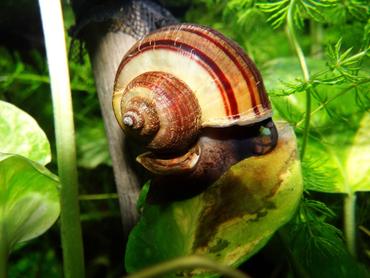
Snails such as Nerite snails may also help manage algae growth without damaging healthy plants.
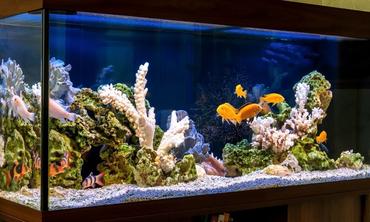
Filtration becomes important when adding livestock. Sponge filters are commonly used because they provide gentle flow and biological filtration without disturbing delicate layouts.
One common mistake is adding fish before the aquarium portion has fully cycled. Even shallow Wabi Kusa systems require stable biological filtration to safely support aquatic life.
Before stocking fish, hobbyists should understand the basics of aquarium cycling and water quality management. This guide on the aquarium nitrogen cycle explains why cycling is critical for maintaining healthy aquatic environments.
Compatibility and Long-Term Care Considerations
Successful Wabi Kusa setups depend on balancing moisture, airflow, lighting, and plant growth. Fortunately, maintenance is usually simpler than caring for many advanced aquascapes.
Daily misting is often necessary, especially during the first few weeks while plants transition to emersed growth. Using dechlorinated or distilled water can help prevent mineral buildup on leaves and glass.
Humidity management is particularly important for delicate plants. Some species thrive in open-air conditions, while others require consistently high humidity to avoid leaf melt.
Air circulation should not be overlooked. Completely sealed containers may trap excessive moisture and encourage mold or fungal growth. Slight ventilation helps maintain healthier conditions.
Common long-term care tips include:
- Trim plants regularly to maintain shape and airflow
- Remove dead leaves quickly to prevent decay
- Monitor humidity during seasonal weather changes
- Avoid overcrowding livestock in shallow setups
- Clean algae from glass before it becomes excessive
Fertilization requirements are usually moderate. Liquid fertilizers diluted to half strength are often sufficient for maintaining healthy plant growth. Overfertilizing can trigger algae issues, especially in setups with strong lighting.
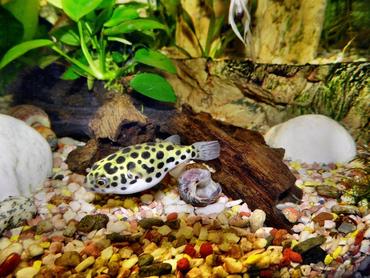
Compatibility issues may arise if aggressive or plant-damaging species are added. Larger fish can uproot delicate plants and overwhelm small displays.
Fish generally avoided in Wabi Kusa systems include:
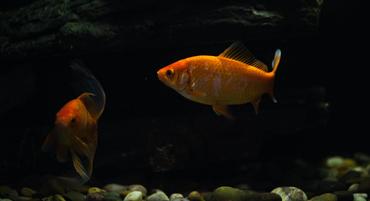
- Large goldfish
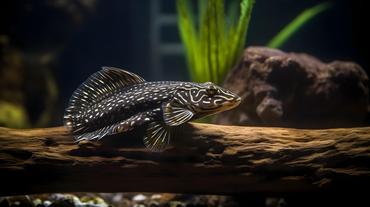
- Common plecos
- Large cichlids
- Fin-nipping species in cramped conditions
- Heavy waste-producing fish
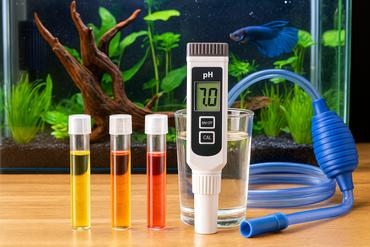
Temperature stability also matters. Most tropical plants and nano fish species perform best between 72°F and 78°F.
Algae control remains one of the biggest challenges for beginners. Excessive lighting, overfeeding fish, and poor circulation are among the most common causes. Hobbyists struggling with algae problems can benefit from this article on controlling algae growth.
Creative Design Ideas and Beginner Inspiration
One of the most rewarding aspects of Wabi Kusa is the freedom to experiment creatively. No two setups look exactly alike, and even simple arrangements can become striking focal points.
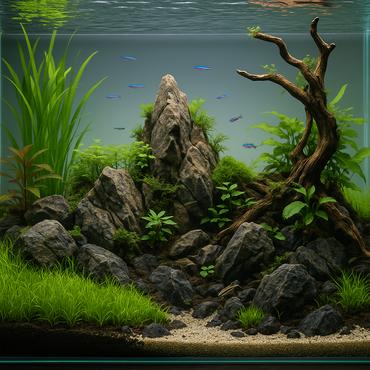
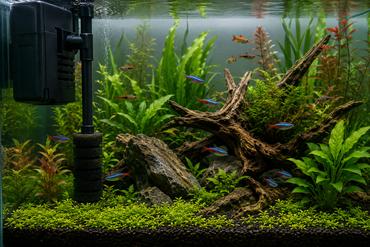
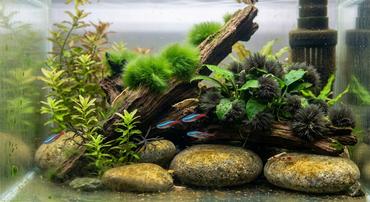
Many beginners start with a single plant mound placed in the center of a shallow aquarium. As confidence grows, hobbyists often add driftwood, rocks, mosses, and multiple plant species to create more elaborate compositions.
Natural asymmetry is a major design principle in Wabi Kusa. Instead of aiming for perfect symmetry, most successful layouts use uneven shapes and flowing growth patterns to mimic nature.
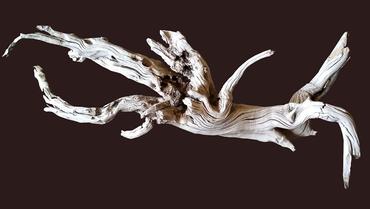
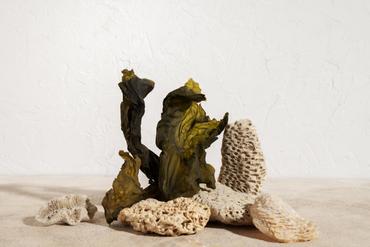
Hardscape materials such as dragon stone, lava rock, and spider wood are frequently used to add structure and visual contrast. These materials also provide attachment points for mosses and epiphytic plants.
Water depth can dramatically change the appearance of a Wabi Kusa setup. Some hobbyists maintain only a thin layer of water beneath the plants, while others create partially submerged landscapes with distinct aquatic and terrestrial zones.
Seasonal adjustments are also common. Plant growth may accelerate during warmer months and slow during winter, requiring different trimming and misting schedules.
Photography is another enjoyable part of the hobby. Wabi Kusa displays often look stunning under soft lighting and can serve as living art pieces within a home.
Perhaps the most important lesson for beginners is understanding that Wabi Kusa evolves over time. Plants spread, textures change, and layouts mature naturally. Rather than chasing perfection immediately, successful hobbyists learn to enjoy the gradual transformation of their miniature ecosystems.
Final Takeaway
Wabi Kusa offers aquarium hobbyists a unique way to explore aquatic plant growth, aquascaping creativity, and natural design without the complexity of large high-tech planted tanks. With minimal equipment and a handful of beginner-friendly plants, anyone can create a thriving display that blends underwater and above-water beauty.
The key to success lies in patience and consistency. Focus on maintaining stable moisture levels, moderate lighting, and healthy plant growth rather than trying to build a perfect display immediately. Over time, your Wabi Kusa will develop its own personality as plants mature and fill in naturally.
Whether you choose a simple desktop bowl or a fully integrated paludarium with fish and shrimp, Wabi Kusa provides endless opportunities for experimentation and creativity. It is an excellent project for planted tank enthusiasts looking to expand their skills while enjoying a relaxing and visually rewarding hobby.
For more planted aquarium inspiration, aquascaping tips, and fishkeeping advice, continue exploring the extensive guides available on RateMyFishTank.com.
MOST RECENT ARTICLES