COLDWATER GEMS BEYOND GOLDFISH
The Ecological Advantage of Temperate Tanks
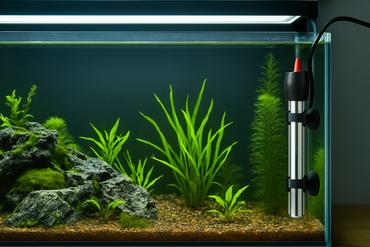
The primary misconception in the aquarium hobby is that "tropical" is the gold standard for beauty and diversity. In reality, temperate zones—areas where water temperatures fluctuate between 60°F and 72°F—house some of the most specialized and resilient fish on the planet. From a practical standpoint, running a coldwater tank is often more sustainable. Heaters are frequently the most common point of failure in an aquarium setup, either "sticking on" and overheating the tank or failing during a winter power outage. By choosing fish that are comfortable at room temperature, you create a safety net for your aquatic inhabitants.
Biologically, cooler water offers a significant advantage: oxygen solubility. Basic physics dictates that colder water can hold a higher concentration of dissolved oxygen than warm water. This creates an environment where fish are often more energetic, their immune systems are more robust, and the overall "metabolic waste" cycle is more manageable. However, this does not mean you can skimp on maintenance. Because coldwater fish are often very active, they require high-quality filtration to process the ammonia they produce. Beginners should always ensure they have a firm grasp on the importance of the nitrogen cycle before diving into these specialized setups.
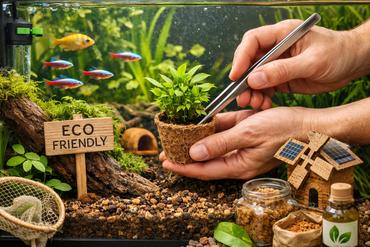
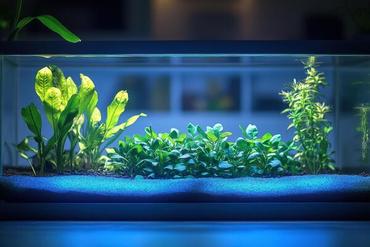
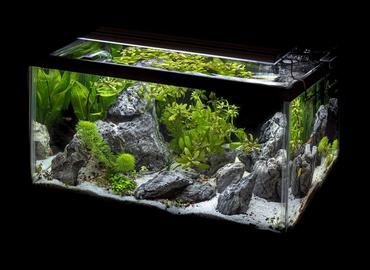
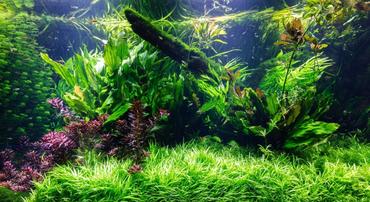
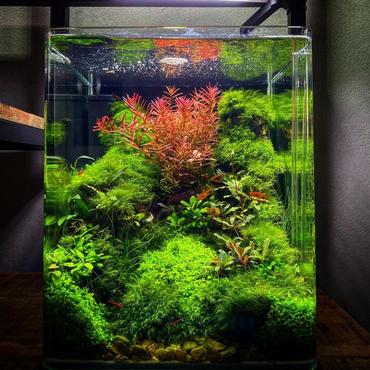
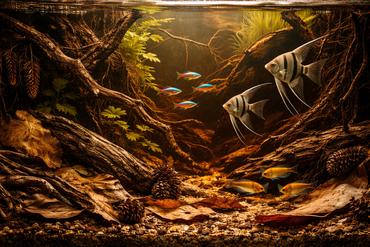
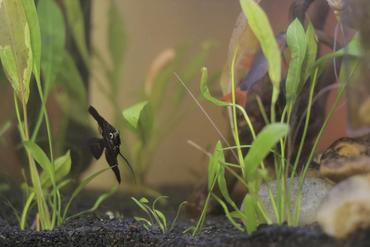
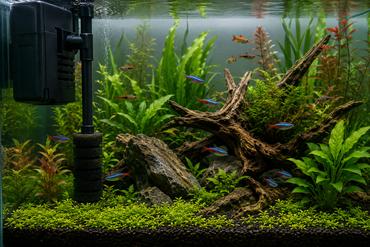
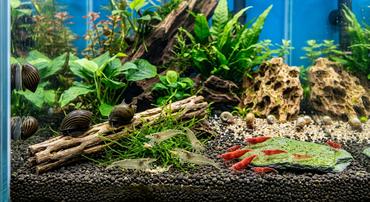
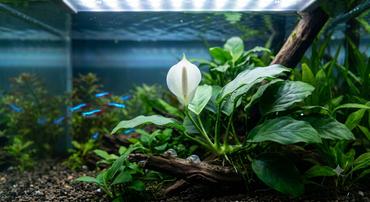
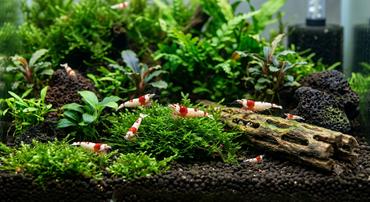
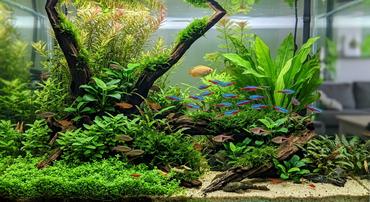
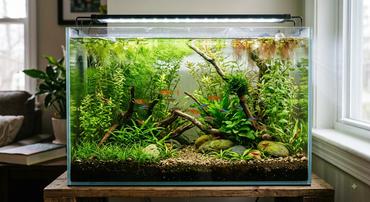
Another benefit is the plant life. Many common aquarium plants, such as Anubias, Java Fern, and various mosses, actually prefer the slightly cooler end of the spectrum. In very hot tropical tanks, these plants can sometimes "melt" or grow leggy. In a coldwater gem tank, you can achieve a lush, verdant jungle that provides the perfect backdrop for the metallic sheens of temperate fish. This synergy between flora and fauna creates a more stable micro-ecosystem that is easier to balance over the long term.
Schooling Stars: The High-Energy Minnow Gallery
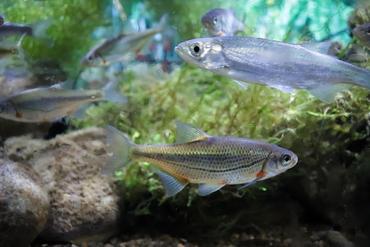
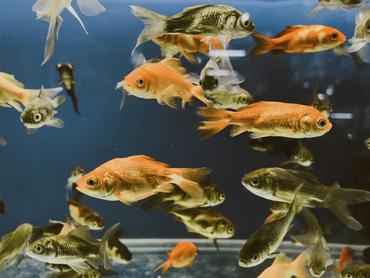
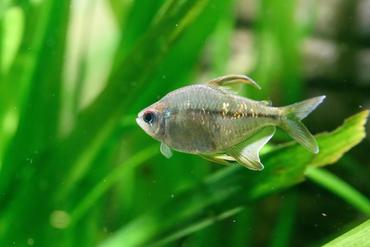
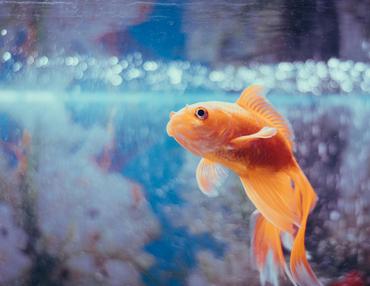
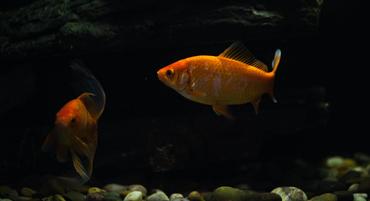
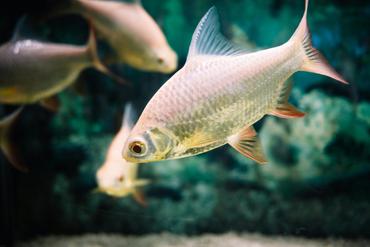
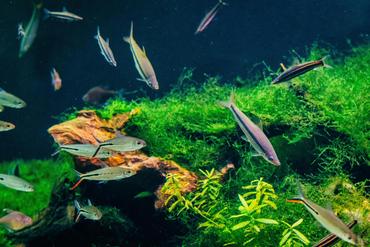
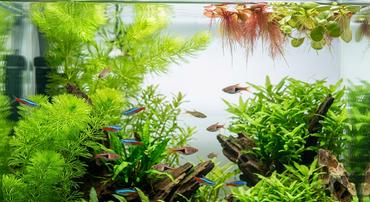
When we move past the goldfish, the first group to consider is the Cyprinidae family. These are the "shakers and movers" of the coldwater world. Unlike the slow, undulating movement of a fancy goldfish, these species dart, shimmer, and play in the current, providing constant visual interest. They are generally hardy, inexpensive, and perfect for the beginner to intermediate hobbyist looking to scale up their display.
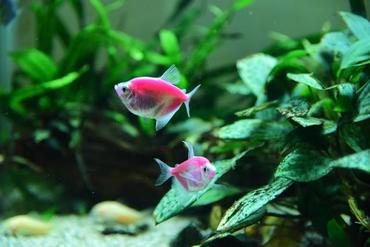
- White Cloud Mountain Minnows (Tanichthys albonubes): Often called the "poor man's Neon Tetra," these fish are anything but basic. They feature a stunning horizontal gold stripe and brilliant red fins. They thrive in temperatures as low as 60°F and are incredibly easy to breed, often spawning right in the community tank.
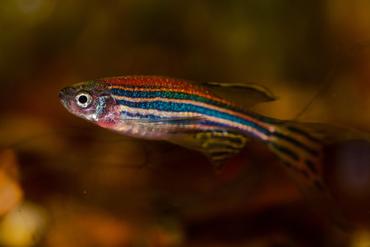
- Zebra Danios (Danio rerio): These are the marathon runners of the aquarium. Their horizontal blue-and-gold stripes create a blurred effect as they zip across the tank. They are virtually indestructible and serve as excellent "dither fish" to help more shy species feel comfortable.
- Rosy Red Minnows: Frequently overlooked because they are sold as "feeder fish," Rosy Reds are a color morph of the Fathead Minnow. They are social, curious, and have a unique breeding behavior where the male guards a "nest" under a flat rock.
- Rainbow Shiners (Notropis chrosomus): These North American natives are the crown jewels of the temperate hobby. During the breeding season, they transform into a kaleidoscopic display of neon blue, translucent pink, and shimmering silver.
- Medaka (Japanese Ricefish): These fish have been bred for centuries in Japan. They are incredibly hardy, even surviving in outdoor ponds over winter in some climates, and come in breathtaking varieties like "Miyuki" (iridescent blue) and "Lame" (sparkly).
When stocking these species, the most common mistake is buying too few. These are social creatures that rely on the "safety in numbers" principle. A group of 10 or 12 White Clouds will look significantly more impressive and behave more naturally than a group of three. Furthermore, because they are so active, they require horizontal swimming space. A 20-gallon "long" tank is always a better choice than a 20-gallon "high" for these species. If you find your fish are staying hidden, you might need to improve your aquascaping skills by adding more mid-ground plants to give them a sense of security.
Bottom-Dwelling Curiosities: The Loaches of the Cold
No aquarium is complete without inhabitants that occupy the lower levels of the water column. In a tropical tank, people reach for Corydoras; in a coldwater tank, we look to the fascinating world of loaches. These fish often possess specialized body shapes that tell a story about the fast-moving streams they call home.
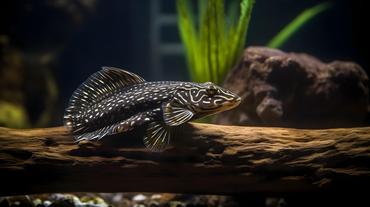
The Hillstream Loach (Sewellia lineolata) is a masterpiece of evolution. Its body is flattened into a disc shape, allowing it to "suction" onto rocks in torrential currents. To the casual observer, they look like miniature rays or even "alien" spacecraft gliding across the glass. They are primarily scavengers and algae eaters, making them a functional part of the tank's cleanup crew. However, they have a high oxygen requirement. To keep them healthy, you should use an oversized filter or a powerhead to create a "river" effect in the tank.
On the other end of the personality spectrum is the Dojo Loach (Misgurnus anguillicaudatus), also known as the Weather Loach. These fish are elongated, eel-like, and famous for their "goofy" behavior. They are highly social and will often sit in a pile with their tank mates. Interestingly, they have a specialized intestine that allows them to swallow air and a sensory system that detects changes in barometric pressure. When a storm is approaching, Dojo Loaches often become frantic, "predicting" the weather for their owners. They can grow up to 10-12 inches, so they do require a larger tank—ideally 55 gallons or more—but their dog-like personality makes them well worth the space.
When keeping these bottom-dwellers, substrate choice is vital. Beginners often use standard aquarium gravel, which can be sharp. Loaches have delicate barbels (whiskers) used to find food and sensitive bellies. A soft sand substrate is highly recommended. This allows the Dojo Loach to engage in its natural burrowing behavior and prevents the Hillstream Loach from suffering abrasions. For more on maintaining the right environment for bottom-feeders, consult our guide on properly stocking your freshwater aquarium.
Temperate Terrors: The Personality-Plus Species
If you enjoy the intelligence and territorial behavior of cichlids but want to avoid a heated tank, there are several temperate species that fit the bill. These fish often have "big fish" personalities in smaller bodies and can become the true centerpiece of your collection.
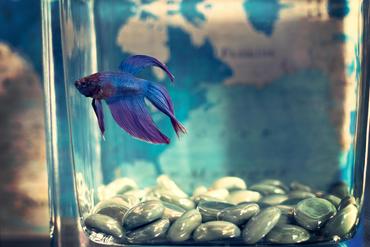
The Paradise Fish (Macropodus opercularis) was one of the first fish ever brought into the aquarium hobby in the 19th century, long before electric heaters were available. They are anabantoids, meaning they possess a labyrinth organ to breathe air, similar to Bettas. They are stunningly beautiful, with blue and orange stripes and flowing fins, but they come with a warning: they are territorial. A male Paradise Fish will not tolerate another male in the same tank, and they may harass smaller, slower-moving tank mates. They are best kept as a single specimen in a 20-gallon tank or as a pair in a larger, heavily planted community.
Another incredible option is the North American Sunfish, particularly the smaller species like the Bluespotted Sunfish or the Orangespotted Sunfish. These are effectively the "Cichlids of the North." They are intelligent, can be trained to recognize their owners, and exhibit fascinating courtship displays. However, they are predators. If a minnow can fit in their mouth, it will eventually end up there. Keeping these requires a "semi-aggressive" mindset where you choose tank mates of similar size and vigor.
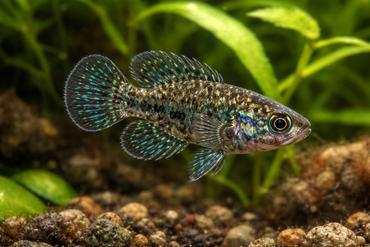
Finally, we have the Darters. These small, colorful fish are found throughout North American streams. They lack a swim bladder, so instead of swimming through the water column, they "hop" along the bottom. Watching a group of Rainbow Darters move across the substrate is like watching a group of small underwater birds. They are micro-predators that require frozen or live foods, making them an excellent choice for the intermediate hobbyist who wants to move beyond standard flake food.
Compatibility and Care: Avoiding Common Pitfalls
The biggest challenge in a coldwater tank is managing the "Goldilocks Zone" of temperature and temperament. While many of these fish are hardy, they have specific limits that must be respected to avoid chronic stress and disease.
Temperature Fluctuations
While these fish don't need a heater to stay warm, they do need stability. A tank placed in direct sunlight or next to an AC vent will fluctuate wildly, which can lead to Ich (white spot disease). Aim for a location in the house that maintains a consistent ambient temperature. If your house gets exceptionally hot in the summer (above 80°F), you may actually need a "chiller" or at least a set of clip-on fans to keep the water cool, as many coldwater gems will struggle in high heat due to the drop in oxygen levels.
Feeding for the Season
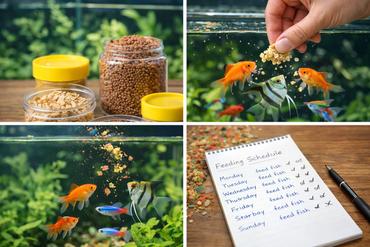
In cooler water, a fish's metabolism slows down. A common mistake is feeding the same amount of food year-round. During the winter, if your tank temperature drops to 62°F, your fish will need less food than they do at 70°F. Overfeeding in a cold tank is a recipe for disaster, as the uneaten food and excess waste will quickly foul the water. Stick to high-protein pellets or flakes, but supplement with frozen bloodworms or daphnia twice a week to ensure they get the vitamins they need for those brilliant colors.
Community Dynamics
Mixing fast and slow is the primary concern here. If you put a slow-moving, long-finned Rosy Barb (another great temperate choice) in with a group of hyperactive Zebra Danios, the Barb may become stressed by the constant movement or even suffer from fin-nipping. Always aim for a "balanced" energy level in the tank. If you have high-energy swimmers, ensure the tank is long enough for them to vent that energy without bothering the calmer residents.
Designing the Coldwater Aquascape
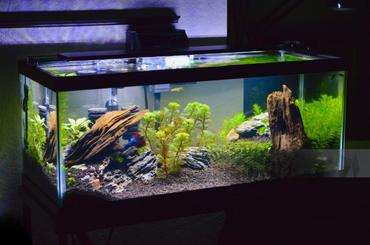
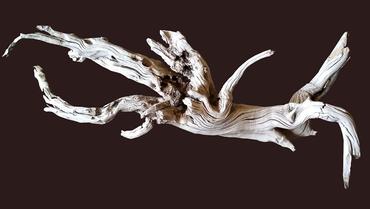
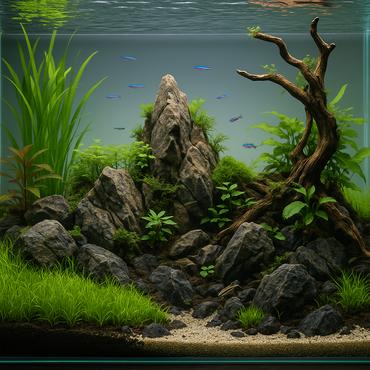
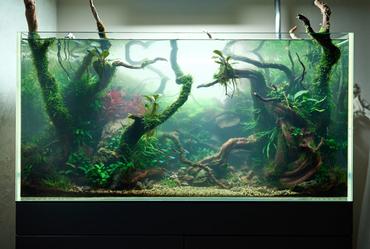
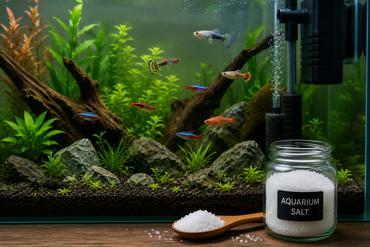
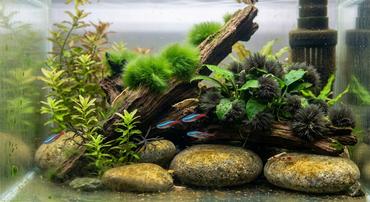
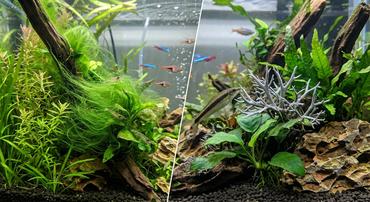
To truly showcase "Coldwater Gems," you need an aquascape that mimics their natural environments. Many of these fish come from "clearwater" habitats—rocky streams or spring-fed ponds. Using a combination of smooth river stones, driftwood, and fine sand creates an authentic look that highlights the fish's natural colors.
For plants, look toward "hardy" varieties. Vallisneria is an excellent choice for the background; it loves the higher mineral content often found in cooler water and creates a "grass-like" curtain that Danios love to weave through. Hornwort is another coldwater staple that grows rapidly and provides excellent cover for fry. If you are keeping Hillstream Loaches, you should encourage some "good" algae growth on flat rocks by leaving your aquarium lights on for an extra hour or two each day, as this provides them with a natural grazing surface.
Lighting is also key. Many coldwater fish have iridescent scales that reflect light. Using a full-spectrum LED light will bring out the hidden purples in Rainbow Shiners and the deep greens in Paradise Fish. Just be sure to provide some floating plants, like Water Lettuce or Frogbit, to create shaded areas. This mimics the overhanging banks of a stream and helps shy fish feel secure enough to come out into the open.
Takeaway: Expanding Your Aquatic Horizons
The "Coldwater Gems" of the aquarium world offer a sophisticated, low-energy, and highly rewarding alternative to the standard tropical setup. By moving beyond the goldfish, you open the door to a diverse array of behaviors—from the "weather-predicting" antics of the Dojo Loach to the kaleidoscopic breeding displays of the Rainbow Shiner. These fish prove that beauty isn't restricted to the equator and that some of the most fascinating creatures in the hobby are perfectly comfortable at room temperature.
Whether you are a beginner looking for a hardy first tank or an intermediate keeper wanting to explore North American natives, the unheated aquarium is a canvas of endless possibilities. Start by choosing a species that fits your tank size, ensure your filtration is up to the task, and enjoy the unique charm of these cool-water wonders. For more tips on maintaining a pristine environment for your new hunters and schoolers, be sure to check out our latest articles on water chemistry and tank maintenance. Happy fishkeeping!
MOST RECENT ARTICLES