HOW TO FIX CLOUDY WATER FAST (WHITE, GREEN & YELLOW WATER EXPLAINED)
The Milky Way: Understanding and Solving White Cloudy Water
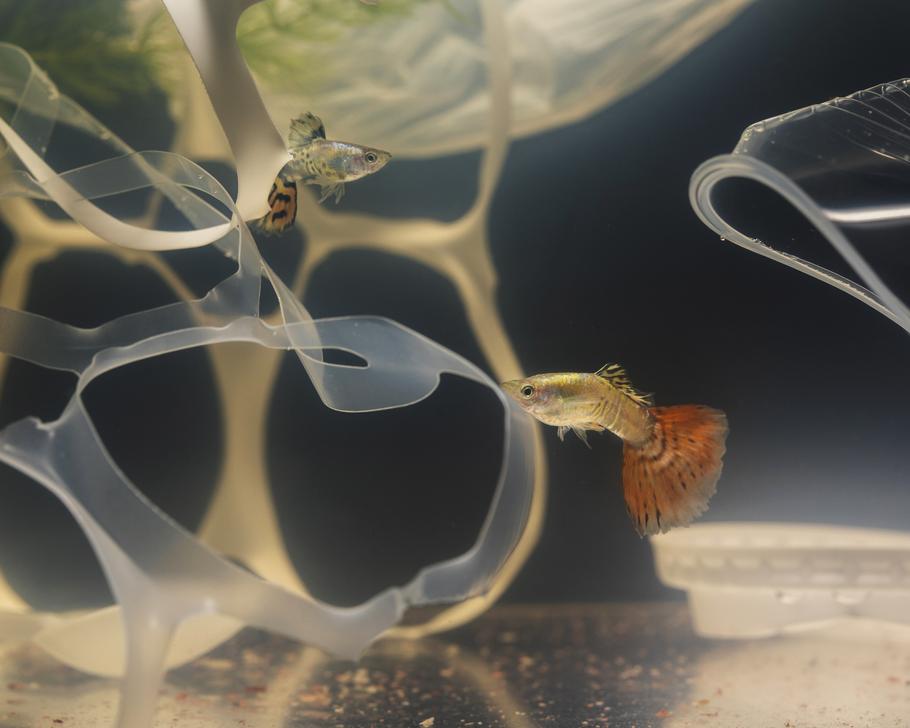
White, milky, or "misty" water is the most common form of cloudiness encountered in the hobby. If you are seeing this, the first thing to do is check the age of your aquarium. The causes for white water differ significantly between a brand-new setup and an established one. In a new tank, white water is often the result of "New Tank Syndrome," which is essentially a massive explosion of heterotrophic bacteria.
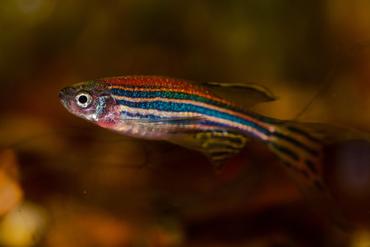
These bacteria are the pioneers of your aquarium’s ecosystem. When you first add water and a few fish, such as hardy Danio species or Platies, there is an abundance of nutrients and a lack of competition from beneficial nitrifying bacteria. The heterotrophs bloom in the water column by the billions, creating a visible white haze. This is a biological "war" for dominance, and while it looks messy, it is a natural part of the nitrogen cycle. However, in an established tank, white water might indicate that you have accidentally "crashed" your cycle by over-cleaning your filter or using unconditioned tap water that killed your beneficial bacteria.
The "Wait and See" Strategy
- For new tanks, the fastest way to clear white water is paradoxically to do nothing. Frequent water changes can actually fuel the bloom by providing fresh minerals and removing the competing bacteria. Usually, the bloom will peak and disappear within 48 to 72 hours.
Mechanical Polishing
- If the cloudiness is caused by fine dust from unwashed substrate (like Flourite or sand), you need to add fine filter floss to your filtration system. This dense material traps microscopic particles that standard sponges miss.
Reduce Organic Load
- In established tanks, white water can be caused by overfeeding. If you have messy eaters like Oscars or large Cichlids, uneaten food decays rapidly, triggering a bacterial surge. Switching to high-quality, sinking pellets and feeding only what the fish can consume in two minutes will help.
Internal Resource
- To better understand the biological foundations of your tank, check out our guide on the nitrogen cycle and your aquarium.
The Green Terror: Eradicating Suspended Algae Blooms
If your water looks like pea soup, you are facing an Algae Bloom (Volvox). Unlike the algae that grows on your glass or rocks, this is unicellular algae that lives suspended in the water column. It is notoriously difficult to get rid of because regular water changes often make it worse; the algae thrives on the trace elements found in fresh tap water.
Green water is caused by two main factors: excessive light and high nutrient levels (specifically nitrates and phosphates). If your tank is near a window or if your LED lights are running for more than 8-10 hours a day, you are essentially running an algae farm. Species like Rosy Barbs or Mollies might actually enjoy grazing on some algae, but a full-blown bloom can lead to oxygen depletion at night, which is dangerous for high-oxygen fish like Hillstream Loaches or Rainbowfish.
The Total Blackout
- This is the most cost-effective method. Wrap your tank in heavy blankets so that zero light enters for 48 to 72 hours. Do not peek. Your fish will be fine without food for this short period, but the algae will starve and die.
UV Sterilization
- If you want a "set it and forget it" solution, a UV sterilizer is the gold standard. These devices use ultraviolet light to scramble the DNA of algae cells as they pass through the filter. This can clear even the worst green water in under a week.
Live Plant Competition
- Introducing fast-growing floating plants like Salvinia or Frogbit can "starve" the algae. These plants are incredibly efficient at sucking nitrates out of the water, leaving nothing for the green water to feed on.
Chemical Flocculants
- Products like Seachem Clarity can help by clumping the tiny algae cells together into larger chunks that your filter can actually trap. Note that you must have fine filter floss installed for this to work effectively.
Tannins and Dissolved Organics: Fixing Yellow or Brown Water
Yellow or tea-colored water isn't necessarily "dirty," but it can look unappealing. This discoloration is usually caused by tannins or Dissolved Organic Compounds (DOCs). If you have recently added driftwood, such as Mopani or Malaysian wood, the wood will naturally release humic acids and tannins. This mimics the "Blackwater" environments of the Amazon, which is actually preferred by Discus, Bettas, and many Tetra species. However, if the color bothers you, it is easily fixed.
In tanks without driftwood, yellow water is often a sign of high nitrate levels and a buildup of organic waste. This happens when the regular aquarium maintenance routine has lapsed. As fish waste and plant matter break down, they release organic dyes that stain the water column over time.
Activated Carbon
- This is the fastest way to remove yellow tint. Carbon has tiny pores that trap the large organic molecules responsible for the color. Replace your carbon every 3-4 weeks, as it becomes "saturated" and loses its effectiveness.
Synthetic Adsorbents
- Products like Seachem Purigen are even more effective than carbon. These resins specifically target nitrogenous organic waste and can be "recharged" with bleach, making them a favorite for intermediate hobbyists seeking 100% clarity.
Boiling Wood
- If you are planning to add new driftwood, boil it for several hours first. This leaches out the majority of the tannins before the wood ever enters your display tank.
Water Changes
- Consistent 25% weekly water changes are the best defense against DOC buildup. Use a gravel vacuum to pull waste out of the substrate rather than just siphoning water from the top.
Compatibility and Care: Maintaining Balance During Treatment
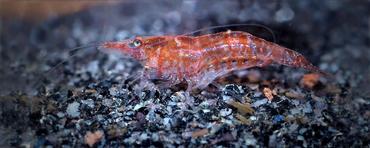
When you are in a rush to fix cloudy water, it is easy to forget about the needs of your inhabitants. Rapid changes in water chemistry can be more lethal to fish than the cloudiness itself. For instance, if you are treating a tank containing sensitive Freshwater Shrimp or Snails, you must be extremely careful with "Algae Fix" chemicals, many of which contain copper or other ingredients that are toxic to invertebrates.
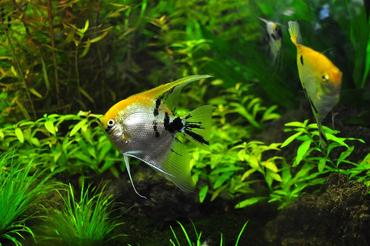
Furthermore, different fish species have different tolerances for the "fixes" mentioned above. While a hardy Goldfish won't mind a 50% water change, a sensitive Wild-caught Altum Angelfish might go into shock. Always match your intervention to the sensitivity of your stock. If you have a heavily stocked African Cichlid tank, you must ensure that your attempts to clear the water don't inadvertently lower the pH or hardness that these species require to thrive.
Check Your Filter Guts
- During a bacterial or algae bloom, your filter media will clog much faster than usual. Check your sponges every 24 hours while the water is cloudy and rinse them in a bucket of tank water (never tap water) to keep the flow moving without killing your bio-filter.
Oxygenation is Key
- Many water clarifiers and the process of algae decay consume oxygen. If you notice your fish gasping at the surface, add an air stone or increase the surface agitation immediately.
Feeding Habits
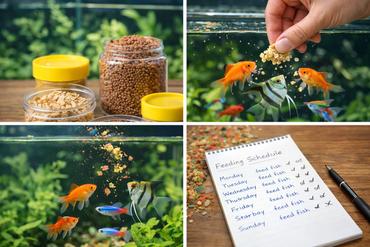
- One of the best "care tips" for maintaining clear water is to implement a "fasting day" once a week. This allows the fish to fully digest their food and gives the filtration system a chance to "catch up" on any lingering waste.
Advanced Mechanical Filtration: The Secret to "Air-Clear" Water
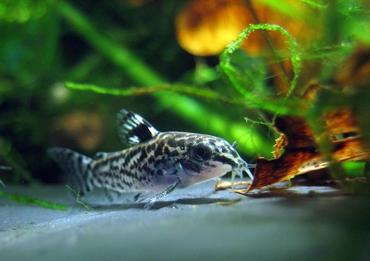
Sometimes, your water isn't biologically "unbalanced," it’s just full of micro-debris. This is common in tanks with "sand-shifters" like Corydoras Catfish or Geophagus Cichlids, who constantly kick up dust from the bottom. To solve this, you need to upgrade your mechanical filtration strategy.
The standard sponges that come with HOB (Hang-On-Back) filters are usually 20-30 PPI (Pores Per Inch). This is great for stopping a dead leaf, but useless for stopping a microscopic grain of silt. By layering your filter with different densities of foam and finishing with a layer of 100-micron polishing cloth, you can achieve that "fish floating in air" look that professional aquascapers demand. If you are unsure how to arrange these layers, see our guide on how to properly set up a canister filter for maximum efficiency.
| Filter Layer | Purpose | Replacement Frequency |
|---|---|---|
| Coarse Sponge | Traps large waste and protects the pump. | Never (just rinse). |
| Fine Filter Floss | Traps micro-particles and "polishes" water. | Every 2-4 weeks. |
| Chemical Media (Carbon/Purigen) | Removes odors and yellow discoloration. | Every 4 weeks. |
| Ceramic Rings | Housing for beneficial nitrifying bacteria. | Never (rinse occasionally). |
The "Old Tank Syndrome" Warning
For intermediate hobbyists with tanks that have been running for over a year, cloudiness can sometimes be a sign of "Old Tank Syndrome." This occurs when the carbonate hardness (KH) of the water has been completely depleted by the biological process, causing the pH to crash. When the pH drops below 6.0, your beneficial bacteria stop working or die off, leading to a sudden, milky bacterial bloom and an ammonia spike.
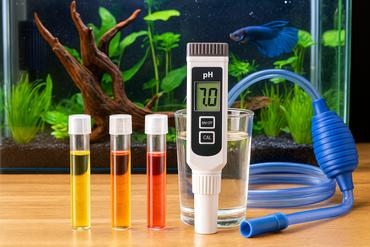
If your established tank suddenly turns cloudy, don't just reach for a clarifier. Test your pH and KH immediately. If the pH is significantly lower than your tap water, you need to perform several small water changes over the course of a week to slowly bring the minerals back into balance. Adding a small bag of crushed coral to your filter can provide a "buffer" to prevent this from happening in the future, especially if you keep fish that prefer harder water, such as Guppies or Swordtails.
Conclusion: Your Roadmap to Crystal Clear Success
Achieving and maintaining crystal-clear aquarium water is less about "magic in a bottle" and more about understanding the biological rhythm of your tank. To fix cloudy water fast, you must first play detective: Determine if the cloudiness is white (bacterial/dust), green (algae), or yellow (organics). Once you have identified the culprit, use the targeted methods we've discussed—from UV sterilizers and filter polishing to the strategic use of activated carbon—to clear the haze. Remember, the best offense is a good defense. By maintaining a consistent cleaning schedule, avoiding overstocking, and ensuring your filtration is properly layered, you can prevent cloudiness before it even starts. Your fish will be healthier, your plants will be more vibrant, and your aquarium will finally be the centerpiece you envisioned.
Want to take your aquarium to the next level? Browse our library of expert articles to learn more about the best fish for your setup, or share your own tank photos with the RateMyFishTank community to get feedback and inspiration from fellow hobbyists!
MOST RECENT ARTICLES