THE ULTIMATE SHRIMP & SNAIL CLEANUP CREW GUIDE
The Ultimate Shrimp & Snail Cleanup Crew Guide
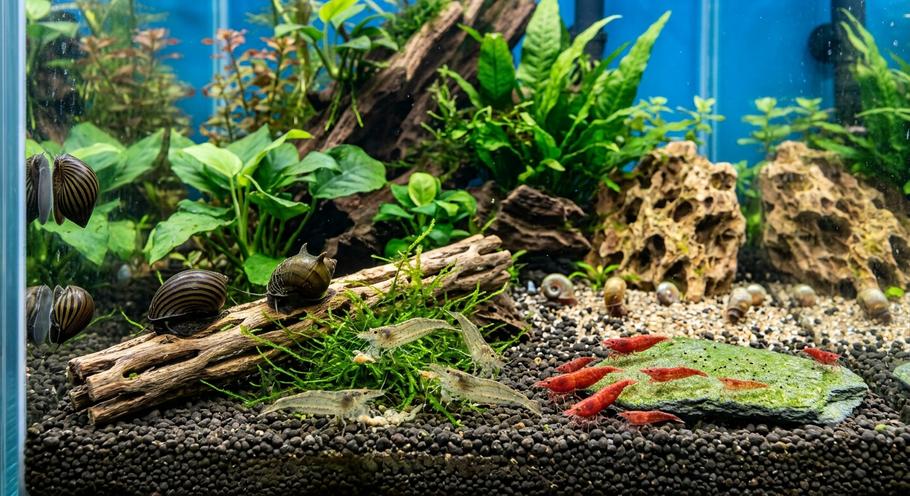
Maintaining a thriving, crystal-clear aquarium requires more than just high-performance filtration and routine water changes; it demands a functional internal ecosystem working around the clock. Invertebrates such as freshwater and saltwater snails and shrimp serve as the frontline defense against nuisance algae, uneaten fish food, decaying organic waste, and unsightly biofilms. Rather than relying solely on manual scrubbing and chemical treatments, establishing a balanced invertebrate cleanup crew mimics natural biological processes, creating a cleaner, healthier environment for your fish while drastically reducing your ongoing maintenance workload. Whether you are managing a lush planted tank or a vibrant marine reef setup, selecting the right combination of detritivores and algae grazers is the key to maintaining long-term biological stability.

Why Every Aquarium Needs a Dedicated Invertebrate Cleanup Crew

Every closed aquatic ecosystem generates organic waste. Even with strict feeding schedules and proper stocking levels, fish leave behind uneaten food particles, shed slime coats, and produce solid waste that settles into the substrate and crevices of hardscape elements. Left unchecked, this decaying matter breaks down into toxic nitrogenous compounds like ammonia and nitrites, eventually fueling unsightly blooms of green dust algae, hair algae, or cyanobacteria. While traditional mechanical filtration removes floating debris, it cannot reach the micro-niches within rockwork, dense plant mats, or deep substrate beds.

This is where specialized invertebrates excel. Unlike most fish species, snails and shrimp possess unique physical adaptations—such as scraping radulae in gastropods and delicate chelae in crustaceans—that allow them to systematically polish surfaces without damaging sensitive aquatic plants or decorative coral formations. By constantly consuming micro-algae and organic detritus, these small scavengers digest waste and convert complex organic material into smaller, easily processed compounds that beneficially feed the tank's biological filter bacteria.

Furthermore, incorporating a diverse team of cleanup organisms creates a dynamic, multi-tiered maintenance strategy. Surface-dwelling snails clean glass and broad leaves, burrowing snails aerate substrate layers to prevent dangerous anaerobic gas pockets, and hyperactive shrimp pick through fine foliage and porous rockwork. To ensure your tank is biologically prepared for these sensitive creatures, always verify that your tank is fully established by following our comprehensive guide to the aquarium nitrogen cycle before adding your first invertebrate crew.

Top Snail Species for Freshwater and Marine Aquariums

Snails are among the most industrious grazers available to aquarists, offering specialized cleaning abilities tailored to specific types of algae and substrate conditions. Selecting the appropriate species ensures that every square inch of your aquarium receives continuous attention.

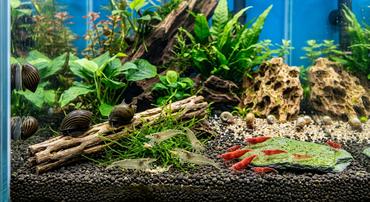
Nerite Snails (Freshwater & Brackish): Renowned as the undisputed champions of algae control, Nerite snails (genus Neritina) possess hard radulae capable of stripping stubborn spot algae, diatoms (brown algae), and soft green algae from glass, wood, and rocks. Because their larvae require brackish water to develop, Nerite snails will not overpopulate a purely freshwater tank, making population control effortless. They are active, peaceful, and come in several attractive shell patterns, including Zebra, Tiger, and Horned varieties.

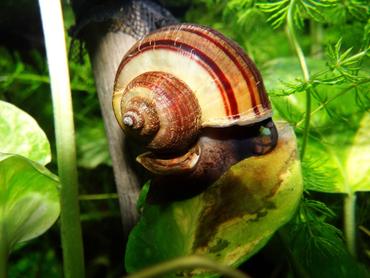
Mystery Snails (Freshwater): These large, charismatic snails (Pomacea bridgesii) excel at scavenging fallen fish flakes, sinking pellets, and blanched vegetables before they can rot in hidden corners. While they are less effective against tough spot algae than Nerites, their constant movement along substrate lines and ornaments makes them excellent general scavengers. They are completely safe for living aquatic plants, provided they are well-fed.

Malaysian Trumpet Snails (Freshwater): Often classified as hitchhikers, these cone-shelled snails perform an invaluable service beneath the surface. Malaysian Trumpet Snails spend the daytime burrowing through sand or fine gravel, feeding on buried detritus and turning over the substrate. This continuous sifting action prevents compaction and eliminates dangerous pockets of toxic hydrogen sulfide gas from building up in deep substrate beds.

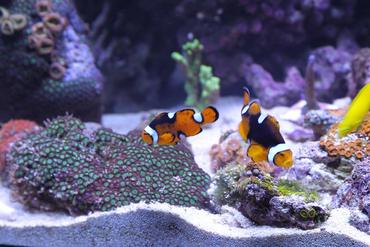
Trochus and Nassarius Snails (Saltwater): For marine aquarists, Trochus snails are premier film algae grazers capable of uprighting themselves if they fall off rockwork—a common vulnerability in other marine species like Astrea snails. Complementing Trochus snails, Nassarius snails act as the marine equivalent of subterranean excavators. Resting under the sand bed, they rapidly emerge whenever food enters the water column, consuming leftover meaty foods and keeping the sand bed bright and white.

Top Shrimp Species for Detritus and Algae Control

Shrimp bring agility, speed, and meticulous cleaning habits to the cleanup crew. Their small appendages can manipulate tiny crevices that snails cannot reach, making them essential for complex aquascapes and dense flora.

Amano Shrimp (Freshwater): Named after legendary aquascaping pioneer Takashi Amano, the Amano Shrimp (Caridina multidentata) is widely regarded as the single most effective algae-eating crustacean in the freshwater hobby. These robust scavengers are famous for tackling notorious algae types that most creatures avoid, including staghorn algae, filamentous hair algae, and young thread algae. They work tirelessly in small groups, constantly grazing over mosses, hardscape, and plant foliage.

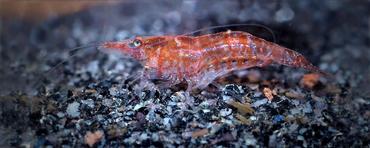
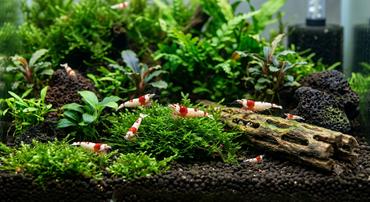
Cherry Shrimp (Freshwater): Dwarf shrimp species such as the Cherry Shrimp (Neocaridina davidi) offer a double benefit: outstanding biofilm management and striking visual appeal. While too small to devour tough brush algae, a thriving colony of Cherry Shrimp will continuously pick at soft micro-algae, decaying leaf matter, and microbial biofilm coating every surface. Because they breed readily in freshwater, a small starting group can quickly establish a self-sustaining maintenance workforce.

Ghost Shrimp (Freshwater): Highly affordable and widely available, Ghost Shrimp (Palaemonetes species) are translucent opportunists that excel at bottom-feeding. They aggressively pursue fallen food pellets, frozen foods, and organic sediment settled along the substrate line. Though less focused on algae scraping than Amanos, their scavenging efficiency makes them great additions to semi-aggressive or larger community setups.

Skunk Cleaner and Peppermint Shrimp (Saltwater): In marine environments, Skunk Cleaner Shrimp (Lysmata amboinensis) set up dedicated cleaning stations where reef fish visit to have dead skin and external parasites removed. Meanwhile, Peppermint Shrimp (Lysmata wurdemanni) are prized for their appetite for pest Aiptasia anemones, as well as general uneaten meaty food particles settled in liverock crevices.

Compatibility, Water Parameters, and Care Considerations

While invertebrates are remarkably efficient, they are not invincible. Integrating shrimp and snails into an aquarium requires careful consideration of water chemistry, mineral supplementation, and predator-prey dynamics.

First and foremost, all aquatic invertebrates are exceptionally sensitive to copper and high levels of heavy metals. Copper-based medications commonly used to treat fish diseases like Ich or marine Velvet are fatal to shrimp and snails even in trace amounts. Always check treatment labels carefully and avoid dosing tanks containing invertebrates. If copper treatment is mandatory, relocate your cleanup crew to a temporary holding vessel first.

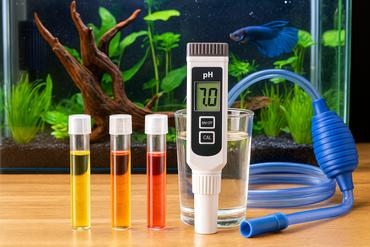
Water hardness and pH play crucial roles in invertebrate health. Snails and shrimp require dissolved calcium and magnesium to construct strong outer shells and successfully undergo molting cycles. Soft, acidic water (pH below 6.8 with low General Hardness) slowly dissolves snail shells, causing pitting, erosion, and premature death. Aim for a pH between 7.0 and 8.0, with a GH level of 6 to 12 dGH for freshwater setups. If your municipal tap water is naturally soft, supplement their diet with calcium-enriched sinking wafers or introduce crushed coral into your filtration media.

When selecting fish tankmates, choosing non-aggressive companions is critical to prevent your cleanup crew from becoming an expensive meal. To build a peaceful community, research candidates using our detailed community fish compatibility guide to ensure full tankmate harmony.

Avoid housing delicate shrimp or snails with predatory or specialized mollusk-eating fish species. In freshwater tanks, avoid pairing invertebrates with:

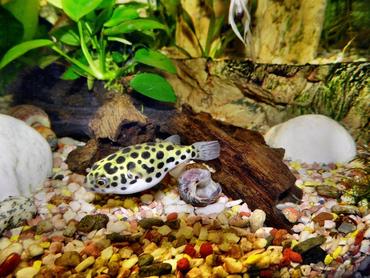
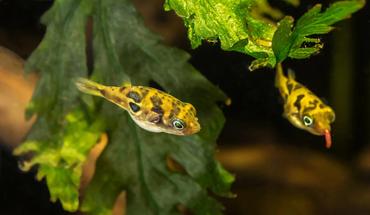
  • Pufferfish (such as Pea Puffers or Green Spotted Puffers), which use specialized beak-like teeth to crush snail shells.
  • Loaches (such as Clown Loaches, Yoyo Loaches, or Zebra Loaches), which naturally hunt and extract gastropods from their shells.
  • Large Cichlids (such as Oscar Fish, Jack Dempseys, or Green Terrors), which view small crustaceans as natural prey items.
  • Gouramis and larger Anabantoids, which may aggressively nip at long snail antennae and shrimp limbs.

In marine aquariums, avoid housing cleanup shrimp with Hawkfish, wrasses of the genus Thalassoma, or Triggerfish, as these predators will rapidly consume small crustaceans.

Common Beginner Cleanup Crew Mistakes

Even well-intentioned aquarists frequently make fundamental errors when purchasing and managing invertebrate cleanup teams. Recognizing these common pitfalls will save you time, money, and frustration.

Expecting Invertebrates to Replace Routine Maintenance: A cleanup crew is an auxiliary maintenance aid, not a replacement for water changes, gravel vacuuming, and mechanical filter pad rinsing. While invertebrates convert solid waste into finer material, they still produce waste themselves. Over-relying on shrimp and snails while ignoring parameter management will inevitably degrade water quality. Regular monitoring using an accurate kit is vital; learn how to manage your parameters with our guide on choosing and conditioning the water in your aquarium.

Starving the Cleanup Crew: One of the most widespread mistakes is assuming that algae and detritus alone provide sufficient nutrition. Once a cleanup crew successfully eradicates an initial algae bloom, food sources drop dramatically. Without targeted supplementation—such as sinking algae wafers, calcium blocks, spirulina pellets, and blanched zucchini slices—snails and shrimp will slowly starve to death behind hidden rockwork.

Rushing the Acclimation Process: Invertebrates are far more susceptible to osmotic shock than most fish species. Drastic shifts in salinity, pH, or temperature during introduction can cause immediate mortality or failed molts days later. Always utilize the drip acclimation method over a period of 60 to 90 minutes when introducing new shrimp or snails to your system to allow their internal chemistry to adjust gradually.

Overstocking Too Early: Introducing a massive cleanup crew into a newly set up, sterile aquarium is a recipe for failure. New tanks lack the mature biofilms and micro-algae populations necessary to sustain large populations of grazers. Introduce your cleanup team incrementally as the biological load and mature surface growth dictate.

Final Takeaways: Building Your Perfect Bio-Active Clean Team

A carefully chosen invertebrate cleanup crew is one of the most effective tools in modern fishkeeping. By pairing hardworking algae grazers like Nerite snails and Amano shrimp with subterranean detritivores like Malaysian Trumpet or Nassarius snails, you establish a multi-layered cleanup brigade that reaches every corner of your tank. Maintain appropriate water parameters rich in calcium, avoid copper treatments and predatory tankmates, and never hesitate to offer supplemental foods when natural algae supplies run low.

By treating your cleanup crew with the same care and planning as your primary display fish, you will be rewarded with a cleaner aquarium, clearer water, and a fascinating biological display of nature's natural workers at play. Ready to upgrade your aquarium setup? Explore more of our expert care guides, species spotlights, and equipment reviews right here on RateMyFishTank.com to keep your aquatic ecosystem thriving for years to come!
MOST RECENT ARTICLES

Types of Freshwater Aquarium Lighting
TYPES OF FRESHWATER AQUARIUM LIGHTING
Lighting is far more than a simple aesthetic fixture that brightens your living room; it serves as the foundational life-support engine for your entire aquatic ecosystem, influencing everything from the biological circadian rhythms of your fish to the photosynthetic success of live aquatic plants and the management of unwanted algae blooms.
How to Prevent Fish from Getting Trapped Behind Filters and Decorations
HOW TO PREVENT FISH FROM GETTING TRAPPED BEHIND FILTERS AND DECORATIONS
Few experiences in the aquarium hobby are as heart-stopping as looking into your tank during feeding time, counting fins, and realizing one of your favorite fish is missing, only to discover it squeezed into a perilous gap behind the filter or wedge-pinned behind a heavy resin castle.
Freshwater Aquarium Salt: When to Use It and When to Avoid It
FRESHWATER AQUARIUM SALT: WHEN TO USE IT AND WHEN TO AVOID IT
For decades, freshwater aquarium salt has been hailed as a staple remedy in the fishkeeping community, often passed down from experienced hobbyists as a universal cure-all for sick, stressed, or newly acquired fish.

Rate This Tank:

GENERAL AQUARIUM ARTICLES
Off-Grid Aquarium Systems
Off-grid aquarium systems are becoming increasingly popular among hobbyists who want greater independence, sustainability, and resilience in their fishkeeping routines.
Beyond the Naked Eye: Using AI and Vision Apps to Diagnose Fish Diseases Early
Every aquarium hobbyist knows the sinking feeling of approaching their tank in the morning only to see a prized Neon Tetra shimmying awkwardly or a Goldfish sporting a single, ominous white speck on its fin.
Computer Vision for Fish Health
Aquarium hobbyists have always relied on careful observation to keep their fish healthy.
Freshwater Pipefish: The Challenge of Keeping the Sea Horse’s Cousin
For hobbyists who have spent years perfecting their community tanks and are looking for something truly extraordinary, the freshwater pipefish represents one of the most intriguing and rewarding challenges in the aquatic world.
The Medaka Fever
The Medaka Fever
The aquarium hobby is no stranger to trends, but every so often, a species emerges that captures the collective imagination of fishkeepers in a way that feels more like a revolution than a passing fad.
The Ethics of Captive Breeding: Supporting Sustainable Mariculture
As aquarium hobbyists, we share a passion for the underwater world.
Aquarium Photography: Pro Tips for Capturing the Perfect Tank Shot
Capturing your aquarium in all its vibrant glory is a goal many aquarium hobbyists strive for.
MANAGING "OLD TANK SYNDROME": REJUVENATING LONG-TERM ESTABLISHED SYSTEMS
As your aquarium matures, it’s natural to feel a sense of pride watching your aquatic ecosystem grow and thrive.
The Psychology of Fishkeeping: How Visual Rhythms in Aquascaping Reduce Human Stress
Fishkeeping is often seen as a relaxing hobby, but it offers far more than simply a means to pass the time.
Small But Mighty: A Guide to Keeping the Everglades Pygmy Sunfish (Elassoma evergladei)
Deep within the slow-moving blackwater swamps and densely vegetated ditches of the Southeastern United States dwells a tiny titan that has captured the hearts of nano-aquarium enthusiasts worldwide: the Everglades Pygmy Sunfish (Elassoma evergladei).
The Therapeutic Tank: How Fishkeeping Helps Manage ADHD, Anxiety, and Sensory Processing Disorders
For many aquarium enthusiasts, the hobby begins with the simple desire to bring a piece of the natural world indoors, yet they quickly discover that the rhythmic swaying of aquatic plants and the gentle glide of fish offer much more than aesthetic appeal.
The Zen of Aquascaping: Using Iwagumi Principles for Mindfulness and Stress Relief
In the modern world, the constant noise of digital notifications and the fast-paced demands of daily life often leave us searching for a sanctuary where we can reclaim a sense of peace.
The Rise of Smart Leak Detection: Protecting Your Home from Aquarium Disasters
There is no sound more terrifying to an aquarium hobbyist than the slow, steady drip of water hitting a hardwood floor in the middle of the night.
Voice-Controlled Aquariums: Integrating Your Tank with Alexa and Google Home
The modern aquarium hobby is undergoing a digital transformation that goes far beyond high-tech filters and LED lighting.
Zero-Waste Fishkeeping: Repurposing aquarium
Aquarium keeping is a hobby built around creating a tiny ecosystem inside glass walls—but many hobbyists overlook how much usable material their tanks produce.
Overstocking Myths vs Reality
Setting up a new aquarium is an exercise in restraint that many hobbyists, both beginners and seasoned veterans, find difficult to master.
Blackwater & Biotope Aquariums (Natural-Style Boom)
For decades, the gold standard of the home aquarium was a pristine, crystal-clear box of water, often decorated with neon gravel and plastic plants that bore little resemblance to the wild.
Sustainable & Ethical Fishkeeping
Bringing a slice of the underwater world into your home is a rewarding experience, but as the hobby grows, so does our responsibility to ensure that our passion doesn’t come at the expense of the environments we admire.
Our Guide to How Often to Feed Aquarium Fish
One of the most common questions every aquarist asks—from the first-time Goldfish owner to the seasoned reef enthusiast—is exactly how often those hungry mouths should be fed.
Community Fish Compatibility Guide
Creating a thriving community aquarium is one of the most rewarding aspects of the fish-keeping hobby, but it requires much more than simply picking out the most colorful fish at the local pet store.
Father Fish–Style Natural Aquariums: What Beginners Should Know
Natural aquariums are often described as “set it and forget it,” but the truth is calmer and more practical: you trade constant cleaning for thoughtful setup, steady habits, and time.
Fishless Cycling vs Fish-In Cycling: Which Method Is Best for Your Aquarium?
Setting up a new aquarium is one of the most exciting moments in the fishkeeping hobby—but it’s also where most beginners unintentionally make mistakes that lead to stressed fish, disease outbreaks, or early losses.
Quarantine Tanks Explained: Why Most Fish Loss Happens in the First 30 Days
The first month after you bring home new fish is when most preventable losses happen—often because the fish are stressed, carrying hidden parasites, or placed into a tank that isn’t ready for them.
Beginner Aquarium Mistakes That Kill Fish in the First 30 Days
The first 30 days of owning an aquarium are often referred to as the "danger zone" for both the hobbyist and the fish.
Low-Light Aquarium Plants for Beginners
The transition from a basic fish tank to a lush, living underwater garden is often the most rewarding milestone for any aquarium enthusiast.
The Desk-Integrated Nano Tank
A desk-integrated nano tank is one of the most rewarding ways to enjoy the aquarium hobby without dedicating an entire room to a large setup.
Freshwater Aquarium Salt: When to Use It and When to Avoid It
For decades, freshwater aquarium salt has been hailed as a staple remedy in the fishkeeping community, often passed down from experienced hobbyists as a universal cure-all for sick, stressed, or newly acquired fish.
How to Prevent Fish from Getting Trapped Behind Filters and Decorations
Few experiences in the aquarium hobby are as heart-stopping as looking into your tank during feeding time, counting fins, and realizing one of your favorite fish is missing, only to discover it squeezed into a perilous gap behind the filter or wedge-pinned behind a heavy resin castle.
Hardcore Aquascaping & Geology
Hardcore aquascaping is where aquarium keeping meets geology, architecture, and natural ecosystem design.
Decoding Fish Body Language
Fish may not bark, chirp, or meow, but they communicate constantly through movement, posture, swimming patterns, coloration, and social behavior.
Wabi Kusa for Beginners
Wabi Kusa has become one of the most creative and relaxing trends in the aquarium hobby, blending aquascaping, terrarium design, and nature-inspired artistry into a compact living display.
The Dark Start Method
The Dark Start Method: A Smarter Way to Start a Planted Aquarium Starting a new aquarium is exciting, but many hobbyists quickly run into one frustrating problem: algae outbreaks.
The In-Wall Evolution
In-wall aquariums have undergone a major transformation over the years, evolving from complicated luxury installations into practical and highly rewarding aquarium systems for hobbyists of all experience levels.
Nano & Pico Ecosystems for Urbanites
Living in a city apartment or compact home no longer means giving up the dream of owning a beautiful aquarium.
Coldwater Gems Beyond Goldfish
For many new hobbyists, the term "coldwater aquarium" is synonymous with a single orange fish in a glass bowl.
The Hidden World of Micro-Predators
When most hobbyists envision a predatory fish, they picture a massive Oscar lunging for a feeder or a sleek Shark patrolling a saltwater reef.
Vertical Wall Aquariums 2026
Vertical wall aquariums are becoming one of the most talked-about aquarium design trends in 2026, especially for hobbyists who want to maximize style without sacrificing floor space.
Conversational Aquariums: Integrating Voice Assistants (Alexa/Google) for hands-free feeding and lighting control
Modern aquarium technology is evolving quickly, and one of the most exciting trends for hobbyists is the rise of “conversational aquariums.
Predictive Analytics for pH Crashes
Maintaining a thriving aquarium is often described as a balancing act, but few things can tip the scales toward disaster faster than a sudden pH crash.
The Eco-Conscious Hobbyist
The modern aquarium hobby is evolving, and today’s fishkeepers are thinking beyond aesthetics to consider their environmental impact.
Urban Fish Farming (Aquaponics 2.0)
Urban fish farming—often referred to as Aquaponics 2.
Smart Feeding for Slow Eaters
In the vibrant, fast-paced world of a home aquarium, feeding time can often resemble a chaotic underwater race where the fastest and boldest residents claim the lion's share of the resources.
Captive-Bred Saltwater Gems
For decades, the saltwater aquarium hobby relied almost exclusively on wild-caught specimens harvested from coral reefs across the globe, a practice that often introduced high stress levels and acclimation challenges for the average hobbyist.
Fishkeeping for Renters
For many aquarium enthusiasts, the dream of a massive 100-gallon reef tank or a sprawling African Cichlid wall often hits a significant roadblock: a standard residential lease agreement.
The Classroom Aquarium Guide
Transforming a classroom with a living ecosystem is one of the most rewarding projects a teacher can undertake, offering a dynamic, hands-on window into biology, chemistry, and responsibility.
Walstad vs High-Tech Tanks: Which Is Better for Beginners?
If you’re new to planted aquariums, you’ve probably come across two very different approaches: the low-tech, natural Walstad method and the equipment-driven high-tech planted tank.
Father Fish Method Explained: Does It Really Work?
The aquarium hobby is full of different philosophies, but few have sparked as much curiosity—and debate—as the “Father Fish Method.
Automated Glass Care: A review of the latest robotic glass cleaners
Keeping aquarium glass clean is one of the most common challenges for beginner and intermediate hobbyists.
Top 10 Nano Predators (and How to Keep Them Peacefully)
The allure of the predatory fish has long been a driving force in the aquarium hobby, drawing enthusiasts toward the raw, primal energy of nature's most efficient hunters.
Do You Know What You Are Feeding Your Fish?
Walking down the aquarium aisle of a local pet store can be a dizzying experience.
Why Your Aquarium Lighting Matters More Than You Think
For many new hobbyists, setting up an aquarium feels like a balancing act between water chemistry, filtration, and choosing the right fish.
What Is Driftwood Doing in Your Tank?
Adding a piece of driftwood to your aquarium is one of the most effective ways to transform a sterile glass box into a thriving, natural ecosystem.
Top 10 Beginner-Friendly Freshwater Fish (Ranked by Ease of Care)
Diving into the world of freshwater aquariums is an exhilarating journey, but for many beginners, the initial excitement is often met with the daunting challenge of keeping their new aquatic residents alive and thriving.
Best Fish for a 10-Gallon Tank with Plants: Top Choices for a Thriving Nano Aquarium
Starting a 10-gallon aquarium is one of the most exciting entries into the fish-keeping hobby, offering a perfect balance between a manageable footprint and enough space to create a stunning underwater garden.
Betta Fish in a Planted Tank: Setup, Care & Mistakes to Avoid
The Betta fish, with its cascading fins and kaleidoscopic colors, has long been the victim of the "bowl" myth, but modern aquarists are finally recognizing that these intelligent, labyrinth-breathing creatures truly flourish when placed in a living, breathing ecosystem.
Best Fish for a 10-Gallon Tank with Plants: A Complete Guide for Beginners
Starting a 10-gallon aquarium is one of the most exciting entry points into the fish-keeping hobby, offering a perfect balance between a manageable footprint and enough space to create a thriving underwater ecosystem.
Best Fish for a 10 Gallon Tank with Plants
Setting up a 10-gallon planted aquarium is one of the most rewarding projects a hobbyist can undertake, offering a perfect slice of nature that fits comfortably on a desk or side table.
The Benefits of Having a Nano Aquarium and Tips for Setting One Up
If you're fascinated by the beauty of aquatic life but think a full-sized aquarium might be too overwhelming, a nano aquarium could be the perfect solution.
What Are GloFish and How Do You Care for Them?
Bright, glowing fish that look like they belong in a science fiction movie have become a familiar sight in modern aquariums.
Creative hacks to keep your aquarium clean
Let’s be honest: while we all love the tranquil beauty of a thriving underwater ecosystem, very few of us actually enjoy the back-breaking labor of scrubbing algae at 10:00 PM on a Sunday.
Spring Cleaning: How to Clean and Give Your Old Tank New Life
Keeping your tank clean is about more than just aesthetics - it also affects your fish.
Tips for Spotting Signs of Distress in Your Fish Before It's Too Late
When you see signs of stress in your fish, you can then take steps to identify the source of that stress and then to resolve it before it becomes a major issue.
Aquarium Temperature Guide: What’s Best for Your Fish?
Maintaining the perfect environment for your aquatic pets is a delicate balancing act, and temperature is arguably the most critical variable in the equation.
What You Need to Know About All-in-One Aquariums
For many aspiring aquarists, the sheer volume of equipment required to start a successful tank—sumps, plumbing, external filters, and lighting—can feel overwhelming.
Simple Tips for Building a Saltwater Tank Without Breaking the Bank
The allure of a saltwater aquarium is undeniable—the vibrant colors of a Coral Beauty Angelfish, the rhythmic pulsing of Xenia corals, and the fascinating symbiotic relationship between a Clownfish and its anemone are enough to captivate any nature lover.
Aquascaping Tips to Reduce Aggression in Fish
Walking into a room and seeing a beautifully scaped aquarium is supposed to be a Zen experience, but for many hobbyists, that peace is shattered by the sight of a dominant fish relentlessly chasing its tank mates.
The Right and Wrong Way to Catch Fish
There is perhaps no moment more stressful for both an aquarist and their aquatic residents than the sight of a blue mesh net dipping into the water.
Aquarium Fish Medications - Do or Don't?
Learn about how aquarium fish medications work and what diseases they may be used for.
How to Build an Automatic Fish Feeder
Every aquarium hobbyist knows the subtle anxiety that creeps in the moment you lock your front door for a weekend getaway or a well-deserved vacation.
How to Keep Your Tank Safe During a Power Outage
A power outage is every aquarium hobbyist’s worst nightmare, often striking at the most inconvenient times—during a summer thunderstorm or a winter blizzard.
How Cycling the Tank Can Stress Your Fish
Setting up a new aquarium is one of the most exciting moments in the fishkeeping hobby, but it’s also where many beginners unknowingly create stressful — and sometimes deadly — conditions for their fish.
3 Problems Every Aquarist Can Avoid
Starting a new aquarium is an incredibly exciting journey, filled with the promise of vibrant underwater landscapes and the soothing motion of colorful fish.
History Of Fish Keeping As A Hobby
Fish keeping is one of the world’s oldest and most enduring hobbies, blending art, science, and a deep fascination with aquatic life.
How to Buy Aquarium Supplies Online
The transition from browsing the aisles of a local pet store to navigating the vast digital landscape of online aquarium retailers marks a significant milestone for any hobbyist looking to expand their aquatic horizons.
Brackish Aquariums for Beginners: Reliable Setups, Stocking, and Salinity Tips
The world of fishkeeping is often divided into two clear-cut camps: freshwater and saltwater.
Fish Compatibility Checker: How to Build Peaceful Freshwater and Saltwater Communities
Starting a new aquarium is one of the most exciting moments in the hobby, but nothing halts that enthusiasm faster than waking up to find a once-vibrant community decimated by aggression or stress.
Blackwater Aquariums: How Tannins Improve Fish Health and Reduce Stress
The mysterious, tea-colored depths of a blackwater aquarium may look "dirty" to the uninitiated, but for many tropical fish species, these tannin-rich environments are a slice of paradise.
How to Fix Cloudy Water Fast (White, Green & Yellow Water Explained)
There is perhaps no greater disappointment for an aquarium enthusiast than approaching a carefully curated tank only to find the view obscured by a thick, mysterious haze.
Aquarium Hardscape Guide: Dragon Stone, Seiryu, Spider Wood & More.
Creating a captivating underwater landscape is about more than just choosing the right fish; it is about building a foundation that mimics the natural world.
Beginner-Friendly Oddball Fish: Unique Species That Work in Small Tanks
Want something cooler than guppies and tetras in your small aquarium, but not ready for ultra-demanding species?
Aquarium Science Myths: 10 Outdated Fishkeeping Rules You Should Stop Following
The world of fishkeeping has evolved dramatically over the last few decades, moving away from anecdotal "old wives' tales" toward a more rigorous, science-based approach to aquatic husbandry.
Eco-Friendly Aquarium Guide: Energy-Saving Gear and Responsible Stocking
The aquarium hobby offers a unique window into the wonders of the aquatic world, but as any seasoned hobbyist knows, maintaining a slice of the ocean or a tropical river in your living room requires a significant amount of resources.
Do You Need CO₂? Three Proven Paths to a Healthy Planted Tank
The lush, vibrant landscape of a masterfully scaped planted aquarium is often what draws newcomers into the hobby, but it is also the source of the most common question: do I really need a CO2 system to achieve this?
Cherry Shrimp Care for Beginners: Tank Setup, Water, and Breeding Tips
Cherry shrimp (Neocaridina davidi) have revolutionized the freshwater aquarium hobby, transforming the way enthusiasts view small-scale ecosystems.
Is My Fish Stressed? A 10-Minute Checklist to Prevent Emergencies
Walking into a room and seeing your fish acting unusual can be a heart-sinking experience for any hobbyist.
Why Keep Aquarium Fish?
There is a unique kind of magic in bringing a slice of the aquatic world into your living room.
Smart Planted Tanks: Budget Automation for Lighting, CO₂, and Safety
Maintaining a lush, vibrant planted aquarium often feels like a balancing act between a rewarding hobby and a full-time job.
AI and Smart Technology in Aquariums: The Future of Fishkeeping
Technology is transforming the aquarium hobby faster than ever before.
Aquascaping for Beginners: Designing a Natural Underwater Landscape
Aquascaping is the transformative art of arranging aquatic plants, stones, driftwood, and substrate in a way that transcends the traditional fish tank, turning a glass box into a living, breathing underwater masterpiece.
Aquarium Water Chemistry Made Simple: pH, Hardness, and Healthy Fishkeeping
Walking into a local fish store and seeing a vibrant display of neon tetras or majestic angelfish is enough to make anyone want to dive headfirst into the aquarium hobby.
Driftwood in Aquariums: Benefits, Types, and How to Prepare It Safely
Adding a piece of driftwood to your aquarium is one of the most transformative decisions you can make as a hobbyist, shifting your tank from a simple glass box to a vibrant, living slice of nature.
Early Disease Identifications in the Tank
Maintaining a thriving aquarium is a rewarding journey, but even the most diligent hobbyist will eventually face the challenge of a sick fish.
Top Fish for Community Tanks
Creating a thriving community aquarium is one of the most rewarding experiences in the fish-keeping hobby, offering a dynamic window into a complex underwater ecosystem.
Emergency Power Outages: How to Protect Your Aquarium
Few things strike fear into the heart of an aquarium hobbyist like a sudden power outage.
CO2 for Planted Aquariums: A Beginner’s Guide to Healthier, Faster Growth
While many aquarium hobbyists start their journey with low-light plants like Anubias or Java Fern, they often find themselves wondering why their tanks do not look like the lush, vibrant underwater jungles seen in professional aquascaping competitions.
Aquarium Water Changes: How Often and How Much?
Maintaining a thriving aquarium is often described as a balancing act, and no single task is more critical to that balance than the routine water change.
Read more articles (98)

READ AQUARIUM ARTICLES