SNAIL BOOM 2025: THE 10 BEST AQUATIC SNAILS FOR PLANTED TANKS
The Top 10 Best Aquatic Snails for Your Planted Tank
In 2025, the variety of snails available to hobbyists has never been better. From algae-eating powerhouses to exotic burrowers, here are our top picks for a healthy, thriving planted aquarium. Selecting the right snail depends on your specific tank goals, whether that is aesthetic beauty, algae control, or substrate health.
-
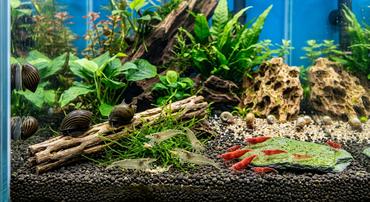
Nerite Snail (Neritina spp.): Often called the gold standard of algae eaters, Nerites are famous for eating green spot algae and diatoms. Because they cannot reproduce in freshwater, you never have to worry about an accidental population explosion. Their shells feature stunning patterns, from zebra stripes to tiger spots.
-
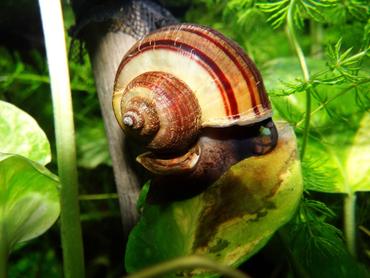
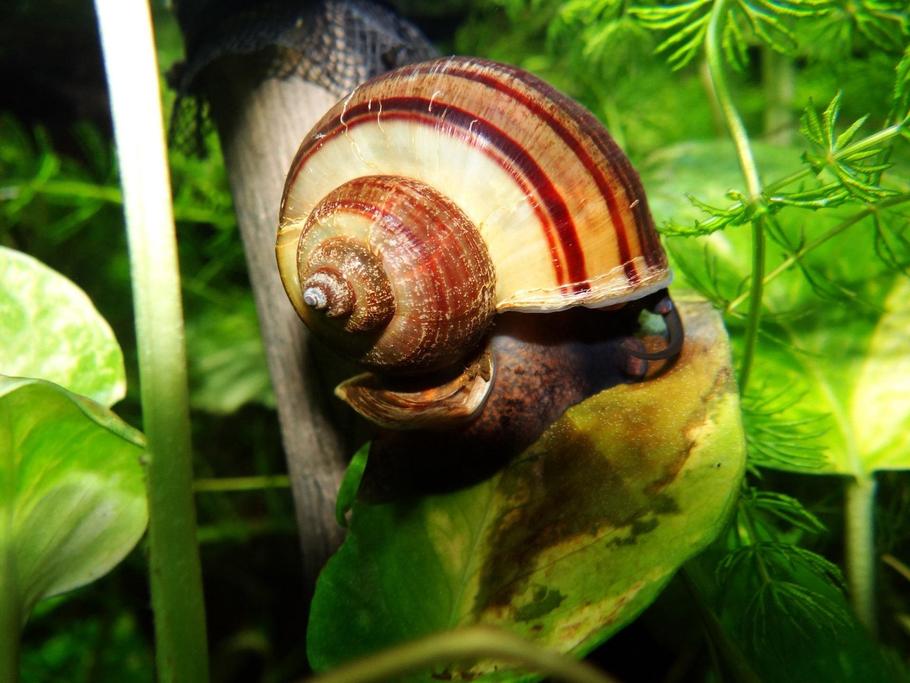
Mystery Snail (Pomacea bridgesii): These are the "golden retrievers" of the snail world. They are active, colorful (available in gold, blue, ivory, and purple), and fascinating to watch as they "parachute" off glass walls. They are safe for healthy plants and primarily eat decaying matter and leftover fish food.
-
Malaysian Trumpet Snail (MTS): If you use a specialized plant substrate or dirted bottom, these are essential. They burrow during the day, aerating the soil and preventing toxic anaerobic pockets from forming. They are the ultimate "hidden" workforce of a planted tank.
-
Ramshorn Snail (Planorbella spp.): Known for their attractive coiled shells, these snails are excellent scavengers. While they can breed quickly, they serve as a perfect "early warning system" for overfeeding. If their numbers explode, you know you are putting too much food in the water.
-
Rabbit Snail (Tylomelania spp.): An exotic addition with long, tapered shells and elephant-like faces. They are slow breeders and grow quite large, making them great centerpiece invertebrates. They do prefer slightly warmer water and may nibble on very soft-leaved plants if not well-fed.
-
Assassin Snail (Anentome helena): The only carnivore on our list. If you have a "pest" snail problem, the Assassin Snail will hunt them down. They are beautifully striped and perfectly safe for your plants, as they have zero interest in eating greens.
-
Bladder Snail (Physella acuta): Often underrated and labeled as pests, these are actually incredible cleaners. They are fast, hardy, and can clean the tiniest crevices of a moss-heavy aquascape that larger, heavier snails cannot reach.
-
Japanese Trapdoor Snail: A hardy, live-bearing snail that is excellent for larger tanks or even outdoor ponds. They are incredibly peaceful and spend their time grazing on soft algae and detritus. Their name comes from the "operculum," a trapdoor-like plate that protects them from predators.
-
Horned Nerite Snail: A smaller cousin of the standard Nerite, these have tiny "horns" on their shells. They are perfect for nano tanks where space is at a premium but algae control is still required. Their small size allows them to clean delicate leaves without weighing them down.
-
Spixi Snail (Asolene spixii): A South American gem that looks like a miniature, striped Apple Snail. They are unique because they are active hunters of hydra—a common pest in shrimp tanks—making them a highly functional choice for specialized breeders.
Snail Benefits: More Than Just a Cleaning Crew
A common beginner mistake is thinking that snails only eat algae. In a planted tank, they play a much more complex role. By consuming dead and decaying plant leaves, they prevent organic matter from rotting and causing ammonia spikes. This process breaks down waste into smaller particles that are more easily processed by your biological filter and the roots of your plants. This creates a closed-loop nutrient cycle that mimics natural riverbeds.
Furthermore, snails like the Malaysian Trumpet Snail provide essential substrate movement. In a heavily planted tank, roots can become compacted and gas pockets can form. As these snails tunnel, they move oxygenated water into the substrate, promoting healthier root growth and more efficient nutrient uptake. For more on maintaining a healthy environment, check out our guide on the importance of water changes.
Beyond utility, snails offer an aesthetic "living" element that fish alone cannot provide. Watching a Mystery Snail extend its long siphon to breathe or seeing a Nerite meticulously scrub a piece of driftwood adds layers of interest to your aquascape. In 2025, the "slow movement" in fishkeeping emphasizes these micro-behaviors, encouraging hobbyists to appreciate the smaller details of their ecosystems.
Compatibility and Care: Keeping Your Snails Happy
While snails are generally hardy, they have specific requirements to stay healthy. The most critical factor for any snail is calcium. Without enough calcium in the water or their diet, their shells will become thin, pitted, or brittle. This is especially true in "high-tech" tanks where CO2 injection can slightly lower the pH and make the water more acidic, which can erode calcium-based shells.
When it comes to tank mates, snails are peaceful but vulnerable. You should avoid aggressive predators that view snails as a snack. Common fish to avoid include:
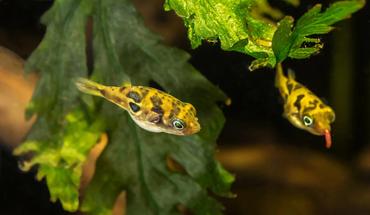
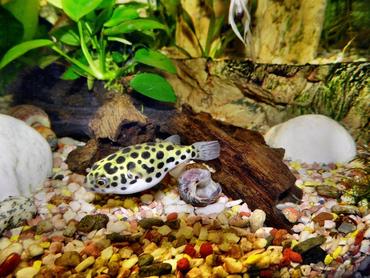
- Pea Puffers (and most other Pufferfish species)
- Loaches (especially Clown, Yoyo, and Zebra Loaches)
- Large Cichlids (like Oscars, Jack Dempseys, or Convicts)
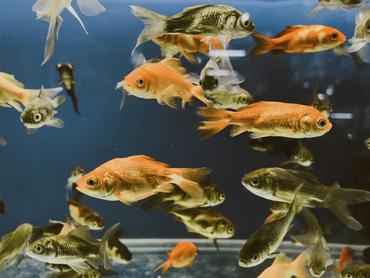
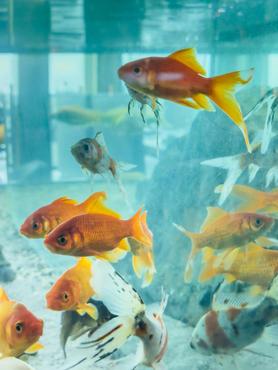
- Goldfish (which may pick at the snail’s sensitive antennae, causing stress)
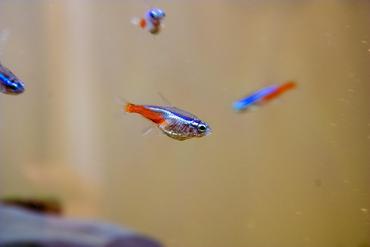
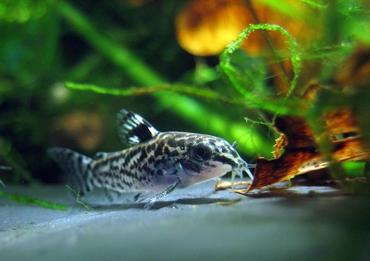
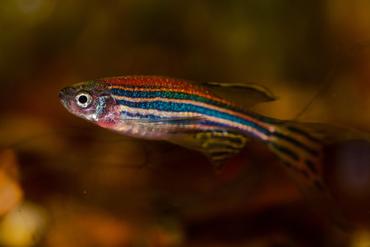
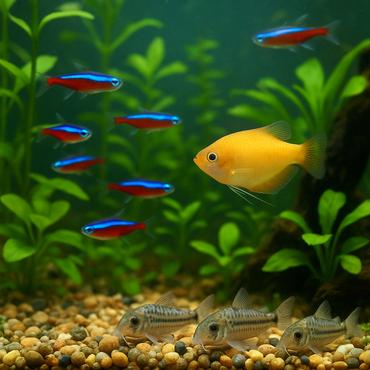
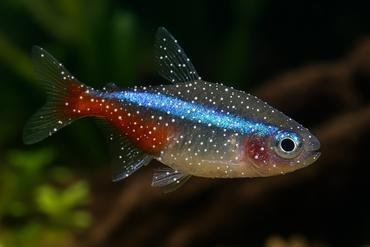
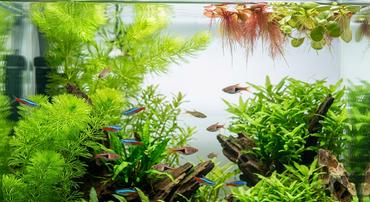
Ideally, pair your snails with peaceful community fish like Neon Tetras, Rasboras, and Corydoras. If you are interested in other invertebrates, snails are excellent companions for freshwater shrimp, as they often share the same dietary needs and water parameter preferences. Just be cautious with Assassin Snails if you have decorative snails you wish to keep alive, as the Assassin does not discriminate between a "pest" snail and an expensive Nerite.
Preventing the Snail Boom: Managing Populations
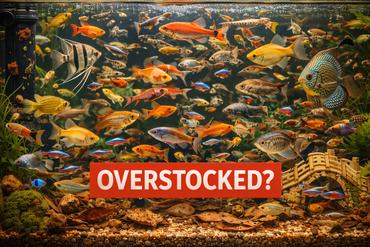
The most frequent complaint among intermediate hobbyists is an "infestation" of snails. However, a population explosion is almost always a symptom of an underlying issue: overfeeding. Snails can only reproduce at the rate that food is available. If you see hundreds of Bladder or Ramshorn snails, it means there is too much uneaten fish food or decaying plant matter in the tank. They are merely reacting to the abundance of energy available to them.
To keep populations in check without resorting to harmful chemicals, follow these practical steps:
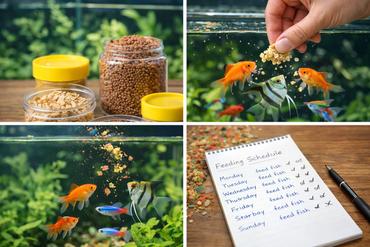
- Feed Sparingly: Only give your fish what they can eat in two minutes. Any food that hits the bottom becomes snail fuel.
- Prune Regularly: Remove melting or yellowing leaves before they become a snail buffet. This also keeps your plants growing vigorously.
- The Vegetable Trap: Place a piece of blanched zucchini or cucumber in the tank at night. By morning, it will be covered in snails. Simply remove the vegetable and the snails with it.
- Biological Control: Introducing a single Assassin Snail is often enough to keep a 10-20 gallon tank free of unwanted "hitchhiker" snails without the risk of the Assassin itself overpopulating.
Setting Up for Success: Water Parameters
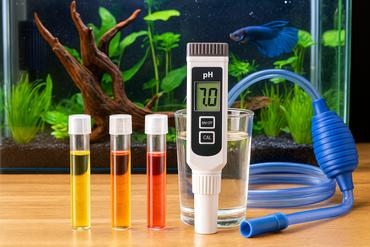
To ensure your snails thrive, aim for a pH that is slightly alkaline, ideally between 7.0 and 8.0. Acidic water (pH below 7.0) can actually dissolve a snail's shell over time. If you have naturally soft water, consider using a mineral supplement or adding crushed coral to your filter media to boost the GH (General Hardness) and KH (Carbonate Hardness).
Temperature is also a key factor. Most tropical snails prefer temperatures between 72°F and 78°F. However, keep in mind that higher temperatures will speed up their metabolism. While this means they will clean your tank faster, it also means they will age faster and potentially breed more frequently. Maintaining a stable temperature is more important than hitting a specific degree, as sudden swings can shock the snail’s system.
| Snail Species | Ideal pH | Preferred Temp | Primary Diet |
|---|---|---|---|
| Nerite | 7.5 - 8.2 | 72 - 78°F | Algae / Biofilm |
| Mystery | 7.0 - 7.8 | 68 - 82°F | Detritus / Pellets |
| Rabbit | 7.6 - 8.4 | 76 - 84°F | Algae / Soft Plants |
Common Snail Myths Debunked
As we move through 2025, it is time to put several long-standing snail myths to rest. The first is that "all snails eat plants." While a few species (like the Giant Apple Snail) are voracious plant eaters, most common aquarium snails like Nerites and Mystery snails will only eat leaves that are already dying. If you see a snail on a plant, it is likely eating the algae or the decaying film on the leaf, not the leaf itself.
Another myth is that "snails are dirty." While snails do produce waste (bioload), the benefits they provide by breaking down larger waste products and cleaning algae far outweigh the small amount of waste they contribute. In a balanced planted tank, the plants will actually utilize the nitrogen produced by snail waste as a primary fertilizer source.
Summary: The Future of the Snail-Friendly Tank
The "Snail Boom" of 2025 has proven that these tiny tank residents are indispensable partners for the modern aquarist. By choosing the right species—whether it's the algae-crushing Nerite or the substrate-stirring Trumpet Snail—you create a more resilient and beautiful ecosystem. They are the unsung heroes of the hobby, working through the night to ensure your glass is clear and your plants are healthy. Remember that the key to a successful snail-inhabited tank is balance: provide enough calcium for their shells, avoid aggressive tank mates, and manage your feeding habits to prevent overcrowding.
Are you ready to add some functional beauty to your aquascape? Start by testing your water parameters today and choosing one or two species from our list that match your tank’s specific needs. If you found this guide helpful, be sure to share your snail success stories with the community and keep exploring the fascinating world of aquatic invertebrates. Happy fishkeeping!
MOST RECENT ARTICLES