AQUASCAPING FOR BEGINNERS: DESIGNING A NATURAL UNDERWATER LANDSCAPE
The Foundations of Design: Planning Your Underwater Canvas
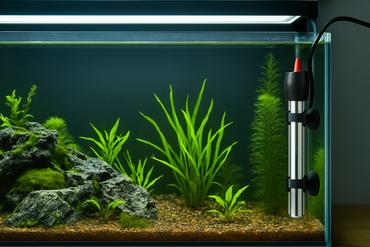
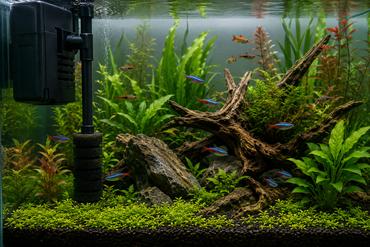
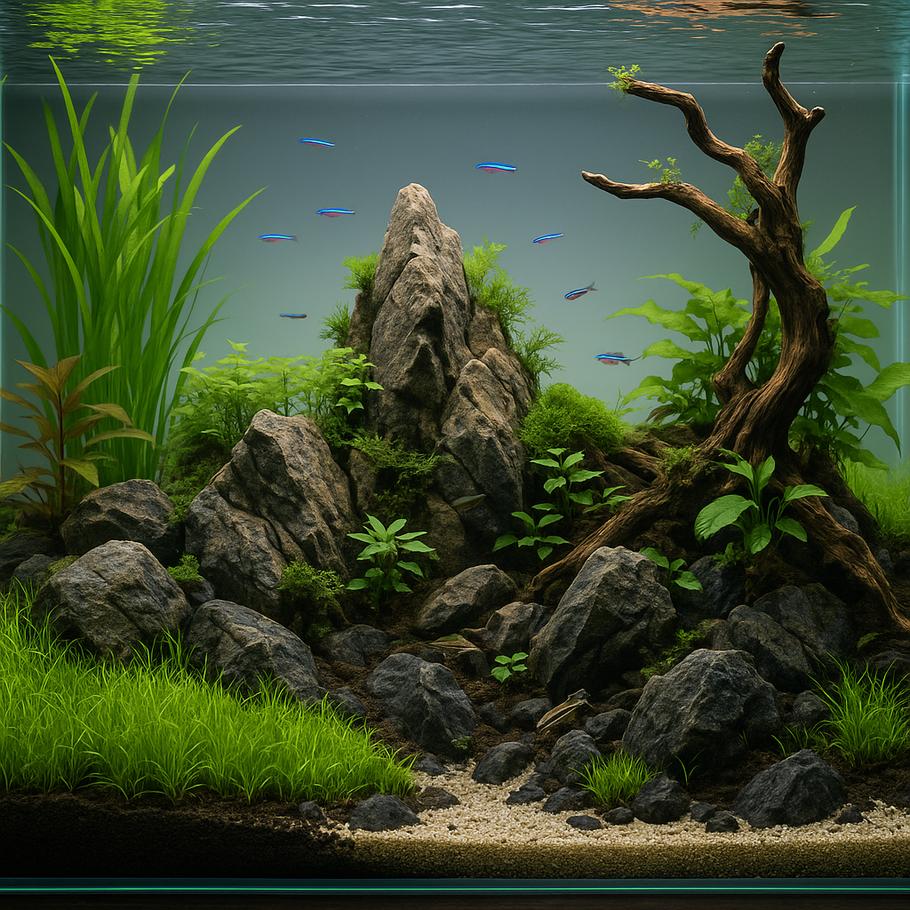
The biggest mistake a beginner can make is "winging it" the moment their hands hit the water. A successful natural landscape begins with a plan. Professional aquascapers often spend hours, if not days, arranging their "hardscape" (the non-living elements) in a dry tank before a single drop of water is added. To create a professional look, you must understand how the human eye perceives space and depth.
The Rule of Thirds
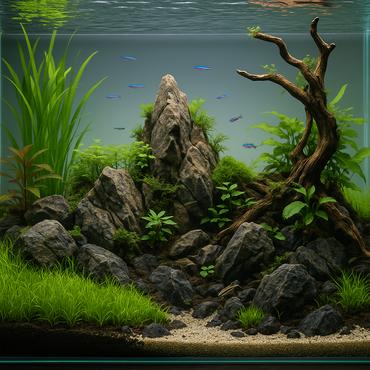
Imagine your tank is divided into a 3x3 grid. Instead of placing your largest rock or piece of wood right in the center, place it at one of the four intersection points. This creates a more dynamic, natural tension in the layout that feels "right" to the observer.
Vanishing Points and Perspective
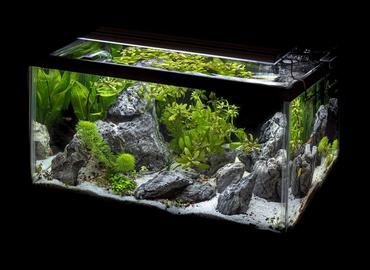
In nature, things get smaller as they move further away. You can replicate this by using larger rocks and taller plants in the front corners and sloping your substrate upward toward the back. This creates a "valley" effect that leads the eye toward a vanishing point, giving the illusion that the tank is several feet deep rather than just twelve inches.
Simplicity vs. Complexity
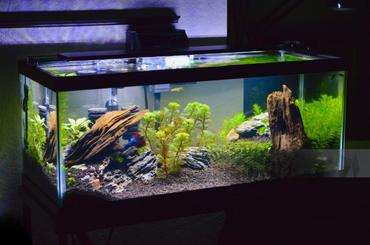
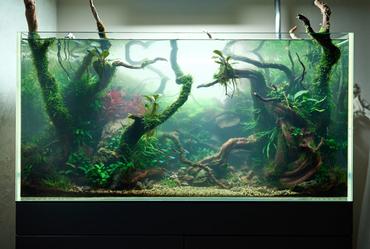
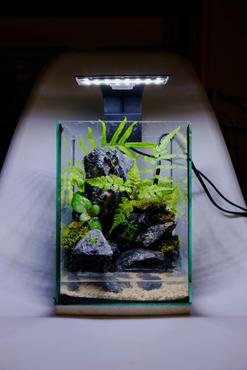
Beginners often try to use five different types of rock and four different types of wood. In nature, a specific geographical area usually features one dominant geological profile. Stick to one type of stone (like Seiryu or Dragon Stone) and one type of wood (like Spider Wood or Driftwood) to ensure visual harmony.
Open Space
Do not feel the need to fill every square inch with plants. In the world of design, "negative space" is just as important as the focal point. An open patch of sand in the foreground can provide a resting place for the eyes and a feeding area for bottom-dwelling fish.
Before you begin your layout, it is helpful to sketch your idea on paper or look at galleries of successful tanks. For more inspiration on how to set up your initial system, check out our guide on top equipment essentials for freshwater aquariums to ensure your hardware matches your artistic vision.
Selecting Hardscape Materials: The Bones of the Scape
In aquascaping, the hardscape is the skeleton of your design. It provides the structure that plants will grow around and over. When selecting materials, you must consider both aesthetics and the chemical impact on your water. Not all rocks and wood are created equal, and some can significantly alter your pH levels.
Choosing the Right Rocks
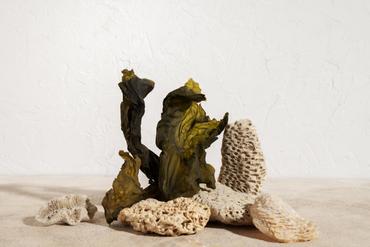
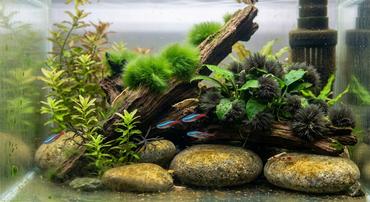
Popular stones like Seiryu Stone are prized for their jagged edges and deep crevices, which look like miniature mountains. However, Seiryu can slightly raise the hardness and pH of your water. On the other hand, Dragon Stone (Ohko Stone) is inert, meaning it won't change your water chemistry, and its clay-like texture is perfect for tucking mosses into. If you are looking for something more volcanic, Lava Rock is lightweight, affordable, and has a massive surface area for beneficial bacteria to grow on.
Working with Driftwood
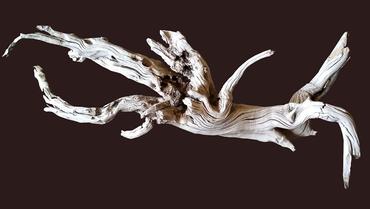
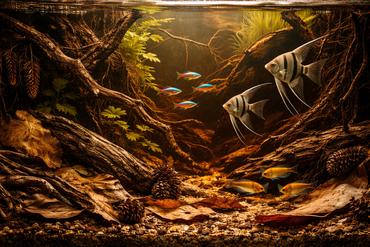
Wood adds an organic, aged feel to the tank. Manzanita wood is known for its elegant, thin branches, while Malaysian Driftwood is dark, heavy, and sink-ready. When using wood, be prepared for "tannins"—the organic compounds that leach out and turn the water a light amber color. While many fish from the Amazon love "blackwater" conditions, if you prefer crystal clear water, you will need to boil your wood or use chemical filtration media like Seachem Purigen.
The Importance of Substrate
In a natural scape, the substrate is more than just "gravel." It is the life-support system for your plants. Nutrient-rich soils, often called "Aqua Soils," are designed specifically for aquascaping. They are porous, allowing roots to breathe, and packed with minerals. If you are on a budget, you can use a "capped" method: place a layer of organic potting soil or specialized plant substrate at the bottom, then cover it with an inch of fine sand or gravel. This prevents the nutrients from clouding the water while giving the plants a rich base to grow in.
Planting for Success: Layers of Green
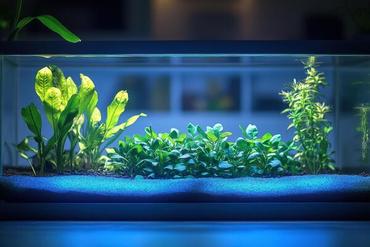
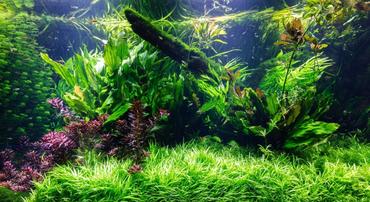
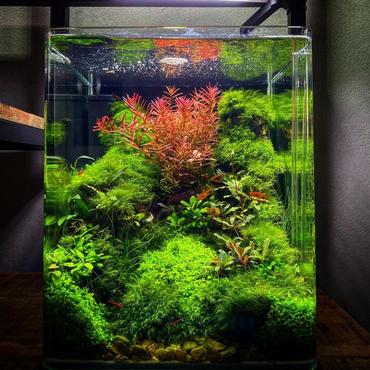
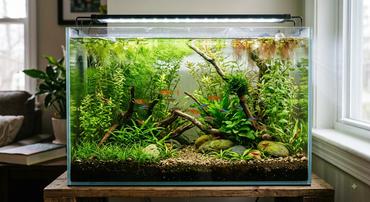
Once your hardscape is set, it is time to choose your plants. For beginners, the goal is to choose plants that are "low-tech," meaning they don't require expensive CO2 injection systems to stay alive. A natural landscape is typically divided into three zones: the foreground, midground, and background.
Foreground Plants
These are the "carpeting" plants. While true carpets like Dwarf Baby Tears are difficult, beginners can achieve a similar effect with Helanthium tenellum or Staurogyne repens. These stay low to the ground and spread horizontally.
Midground Plants
This is where you transition from the floor to the walls. Anubias nana petite and Java Fern are staples here. These are unique because they have a rhizome; you should never bury their roots in the soil, or they will rot. Instead, use a tiny drop of cyanoacrylate gel (super glue) to attach them directly to your rocks or wood.
Background Plants
Use tall, fast-growing stem plants like Rotala rotundifolia or Amazon Swords. These plants act as a nutrient sponge, sucking up excess nitrates and preventing algae. They also provide a lush green backdrop that hides your heater and filter intake.
Floating Plants
Species like Amazon Frogbit or Red Root Floaters add a sense of realism. In the wild, light is often filtered through surface vegetation. These plants also provide excellent security for shy fish.
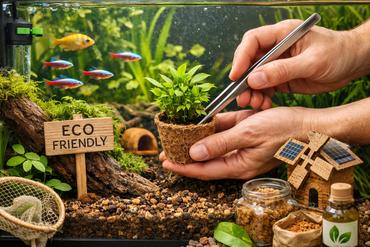
When planting, always use specialized long-handled tweezers. This allows you to place delicate stems deep into the substrate without uprooting the neighboring plants. A common mistake is planting in large "clumps." Instead, break your plants into individual stems or small bunches and space them out. This allows for better water flow and light penetration, leading to faster growth. For a deeper look at water health for these plants, read our article on the importance of water testing.
Fish Species for the Natural Aquascape
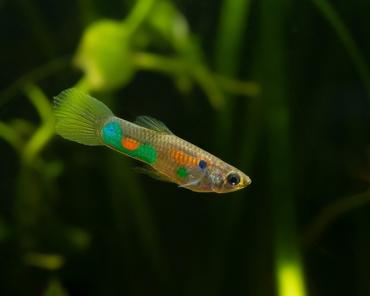
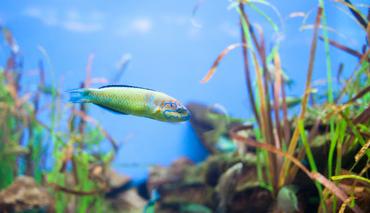
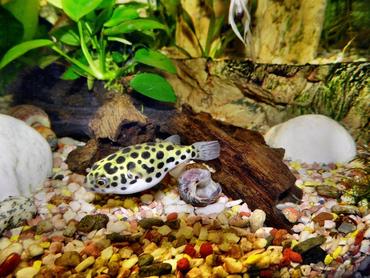
The fish are the "actors" in the stage you have built. In a natural aquascape, the goal is usually to have fish that behave naturally and don't distract from the landscape. Large, aggressive fish or those that dig (like many large Cichlids) are generally avoided because they will destroy the delicate plant work and level the sloped substrate.
Schooling Fish
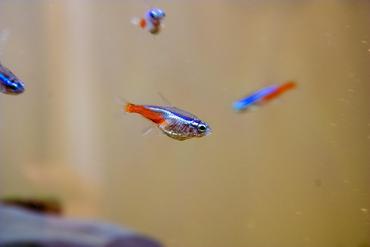
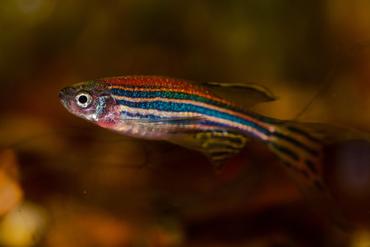
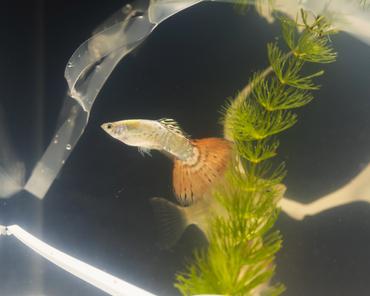
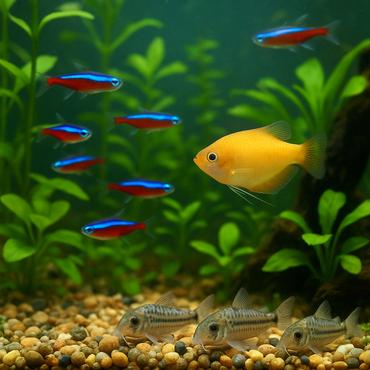
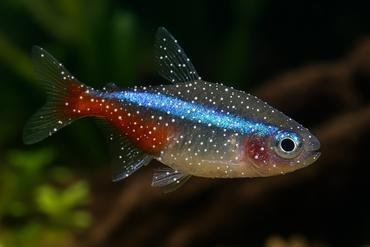
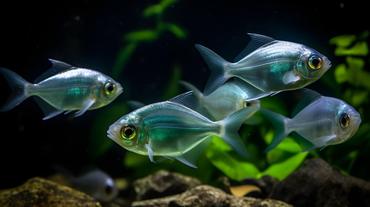
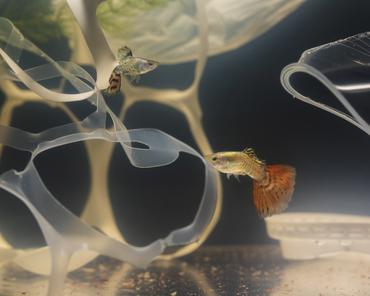
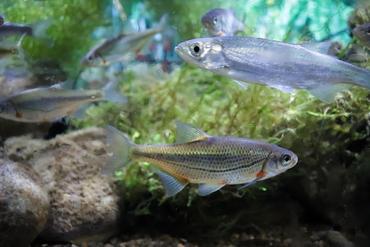
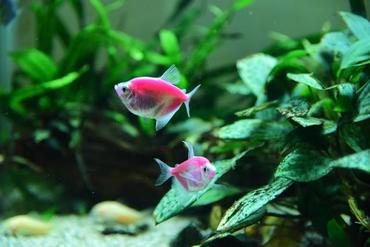
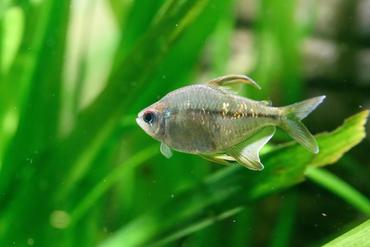
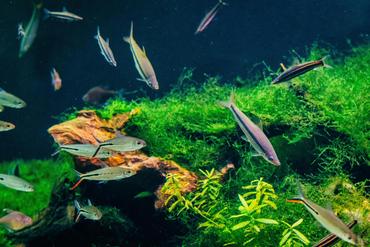
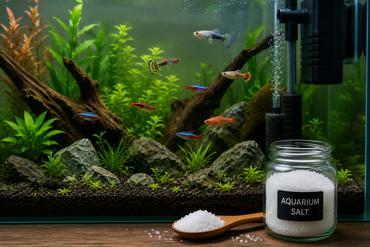
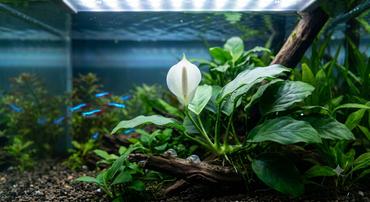
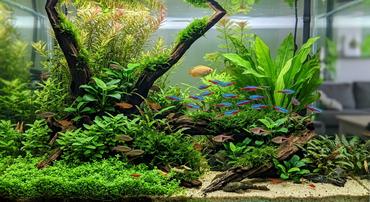
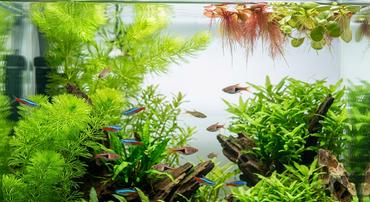
Nothing completes a scape like a coordinated school of fish moving through the valleys of your hardscape. Small Tetras, such as Neons, Cardinals, or Rummy Nose Tetras, are iconic choices. Their bright colors contrast beautifully against the green plants. If you want something unique, Harlequin Rasboras offer a beautiful copper hue and tend to stay in the upper-to-middle sections of the tank.
The Cleanup Crew
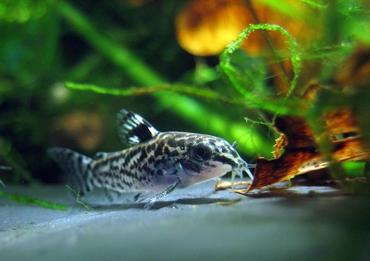
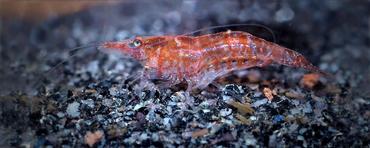
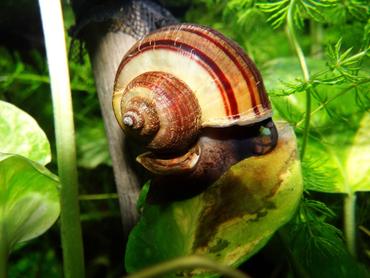
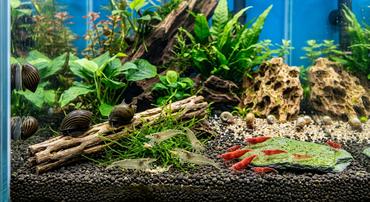
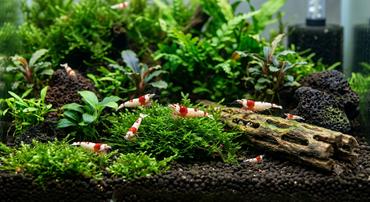
A natural landscape will inevitably face algae. Instead of reaching for chemicals, use nature's own janitors. Otocinclus catfish are tiny "leaf-lickers" that will keep your plants spotless. Amano Shrimp are legendary in the aquascaping world for their ability to eat almost any type of algae, including the dreaded hair algae. Nerite Snails are also excellent for keeping the glass and rocks clean without the risk of overpopulation, as they cannot reproduce in freshwater.
Centerpiece Fish
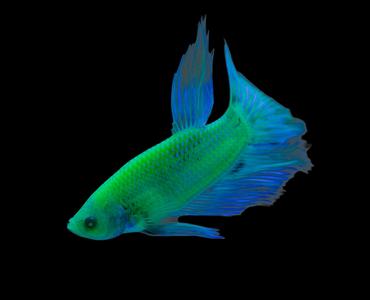
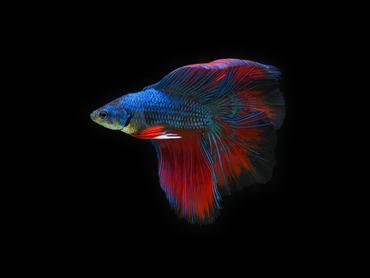
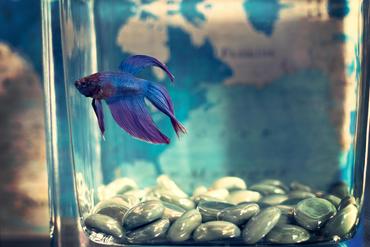
If your tank is large enough, you might want a "hero" fish. A pair of Honey Gouramis or a single male Betta can work beautifully in a planted tank. Their slower, deliberate movements provide a peaceful contrast to the fast-moving schoolers. Just ensure that your centerpiece fish is compatible with your shrimp; many larger fish see shrimp as a snack!
Maintenance and Compatibility: Keeping the Balance
An aquascape is a living ecosystem, and like a garden, it requires maintenance to prevent it from becoming an overgrown mess. The most common challenge for beginners is the "New Tank Syndrome" algae bloom, which usually happens around week three or four. Understanding the relationship between light, nutrients, and CO2 is the key to a crystal-clear tank.
Light Control
Most beginners leave their lights on for too long. 6 to 8 hours is plenty. If you start seeing green "dust" on the glass or hair-like strands on the plants, your light is likely too strong or on for too many hours.
Nutrient Management
Plants need more than just light. They need Micro and Macro nutrients. Using an "All-in-One" liquid fertilizer once or twice a week is usually sufficient for beginner plants. However, be careful not to over-fertilize, as excess nutrients that aren't used by plants will be used by algae.
The Power of the Water Change
In an aquascape, we recommend a 30% to 50% water change every week. This "resets" the tank, removing organic waste and excess nutrients. During the water change, use a siphon to gently suck debris off the surface of the sand, but avoid digging into the soil where your plant roots are established.
Pruning and Trimming
Don't be afraid to cut your plants. Trimming the tops of stem plants actually triggers them to send out side shoots, making the plant look thicker and healthier. Use sharp scissors to ensure a clean cut, as "crushing" the stem with dull blades can lead to rot.
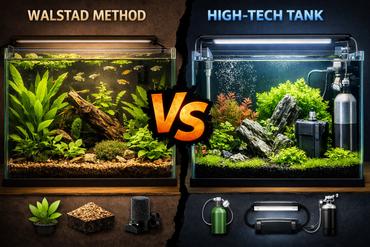
Compatibility is also a factor in maintenance. Some plants, like Vallisneria, can be sensitive to certain liquid carbon supplements (like Excel). Similarly, if you have a "high-tech" tank with CO2, you must monitor your fish closely to ensure they are not gasping at the surface. Always research the specific needs of both your flora and fauna before introducing them to the system.
Avoiding Common Beginner Pitfalls
Even the most experienced aquascapers started with failed tanks. Learning from common mistakes can put you months ahead of the curve. One major pitfall is the "Collectoritis" phase—buying one of every plant at the store. This leads to a messy, cluttered look. Instead, pick 3 to 5 species and plant them in large groups. This creates a much more cohesive and professional "natural" look.
Another error is the "Flat Earth" substrate. Beginners often pour the sand in so it is perfectly level. In nature, terrain is rarely flat. By creating mounds and deep slopes (sometimes using mesh bags filled with lava rock underneath the soil to provide height without the weight), you create a sense of scale that is essential for a beautiful scape. Lastly, don't forget about the "cycle." Even though a planted tank can handle some ammonia, you must still ensure your biological filter is fully established before adding a full load of fish. Patience is the aquascaper's most valuable tool.
Conclusion: Your Journey into the Underwater Wild
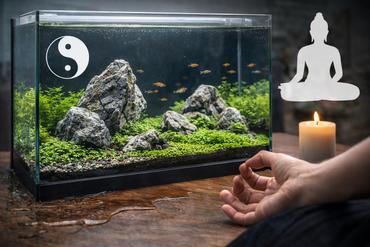
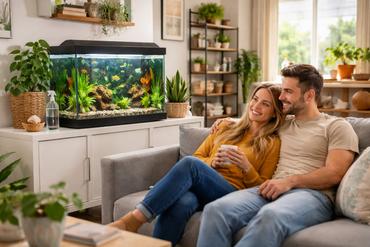
Creating a natural underwater landscape is a rewarding blend of biology, art, and patience. By focusing on the foundational design principles like the Rule of Thirds, selecting high-quality hardscape materials, and choosing hardy, beginner-friendly plants, you can build an ecosystem that is both a stunning home decor piece and a thriving habitat for your fish. Remember that every tank goes through an "ugly phase"—stay consistent with your water changes and pruning, and your patience will be rewarded with a lush, vibrant slice of nature. If you found this guide helpful, we encourage you to browse our other deep-dives into specific plant care and advanced aquascaping styles. Start your journey today by sketching out your first design, and soon you will be watching your very own underwater world come to life.
MOST RECENT ARTICLES