3 PROBLEMS EVERY AQUARIST CAN AVOID

1. The Danger of the Uncycled Tank (And How to Fix It)
Perhaps the most common and devastating mistake a beginner can make is introducing fish to a brand-new aquarium on the very same day they set it up. In the hobby, this often leads to what is known as "New Tank Syndrome." When fish eat and breathe, they produce waste in the form of highly toxic ammonia. Without an established biological filter to break this waste down, ammonia levels rapidly spike, causing chemical burns to your fish's gills, severe stress, and ultimately, death.
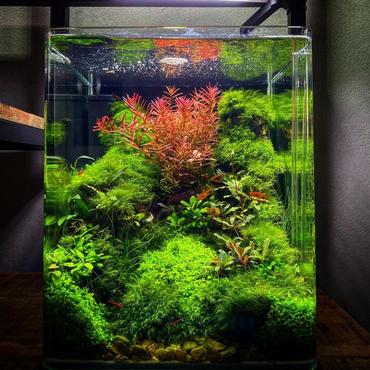
To avoid this tragedy, you must establish the nitrogen cycle before adding your prized livestock. This process relies on beneficial nitrifying bacteria to colonize your filter media, gravel, and decor. These microscopic heroes convert toxic ammonia into slightly less toxic nitrite, and then into relatively harmless nitrate, which you eventually remove during routine water changes.
If you want to ensure your water parameters remain pristine from day one, follow these essential steps to cycle your tank safely:
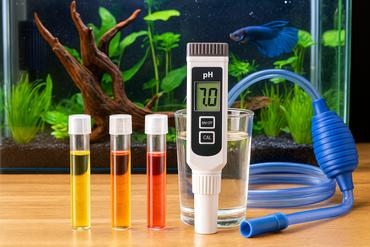
- Use a liquid test kit: Avoid paper test strips, which can be inaccurate. Invest in a high-quality liquid testing kit to monitor ammonia, nitrite, and nitrate levels.
- Dose a bacterial starter: You can speed up the cycling process dramatically by adding bottled nitrifying bacteria to seed your filter media.
- Add a source of ammonia: Introduce a tiny amount of fish food or pure laboratory-grade ammonia to feed the bacteria while the tank is empty—a process known as "ghost feeding". Do not add fish until your tests read 0 ppm ammonia and 0 ppm nitrite.
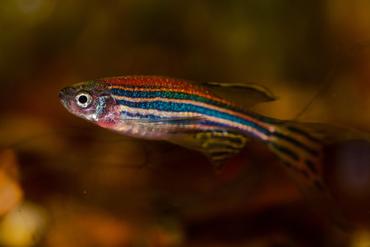
Once your tank is fully cycled, you can begin introducing hardy pioneer fish. Species like the Zebra Danio ( Danio rerio ) or the Cherry Barb ( Puntius titteya ) are remarkably resilient and can easily tolerate minor environmental fluctuations as your biological filter adjusts to the new bioload. For a comprehensive, step-by-step breakdown of completing this process without risking animal lives, check out our guide on freshwater fishless cycling.
2. Overfeeding and the Resulting Algae and Water Quality Nightmares
It is incredibly easy to overfeed your fish. They quickly learn to associate your presence with food, rushing to the front glass and "begging" every time you walk by. Yielding to this behavior is a fast track to disaster. Uneaten food quickly sinks to the bottom of the tank, where it rots and fuels massive spikes in ammonia and phosphate. This abundance of dissolved nutrients, combined with aquarium lighting, creates the perfect storm for a massive, unsightly algae bloom.
Excessive feeding also leads to physical health problems for your fish, including fatty liver disease, bloating, and constipation. In a closed aquatic ecosystem, clean water is the foundation of health, and clean water starts with controlled, mindful feeding habits.
To keep your water crystal clear and your fish healthy, implement these feeding guidelines:
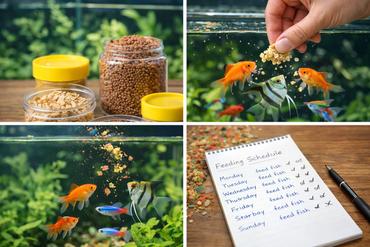
- The two-minute rule: Only feed your fish an amount of food they can completely consume within two minutes. Any food remaining after this time should be manually scooped out.
- Incorporate fasting days: Skip feeding your fish one day a week. This allows their digestive tracts to completely clear out and encourages them to forage around the tank for micro-fauna.
- Optimize your lighting schedule: Keep your aquarium lights on a strict timer for no more than 8 to 10 hours a day to prevent opportunistic algae from taking over.
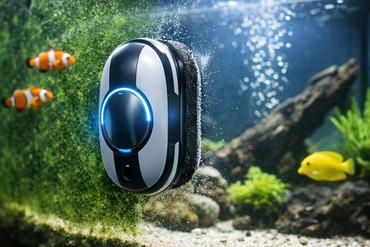
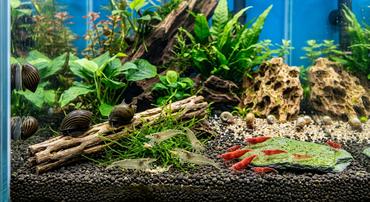
If you are already battling an algae outbreak due to past overfeeding, introducing natural clean-up crew members can help restore balance. For freshwater setups, Nerite Snails and Amano Shrimp are absolute powerhouses at consuming hair algae and film. For saltwater enthusiasts, a couple of Astraea Snails or a Lawnmower Blenny will make quick work of unwanted green growth.
3. Compatibility and Care: Avoiding the Community Tank Bloodbath
Walking into a local fish store can be overwhelming. With rows of beautiful, exotic species, it is highly tempting to pick out "one of everything" that catches your eye. However, mixing incompatible species is one of the quickest ways to cause severe stress, physical injury, and disease outbreaks in your aquarium. Tankmate compatibility is not just about whether one fish will actively eat another; it also encompasses behavioral traits, swimming speeds, feeding habits, and environmental requirements.
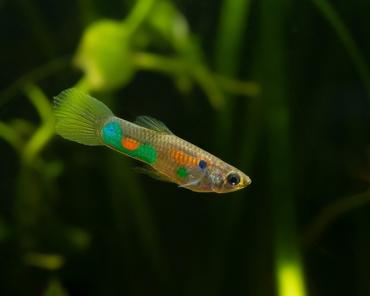
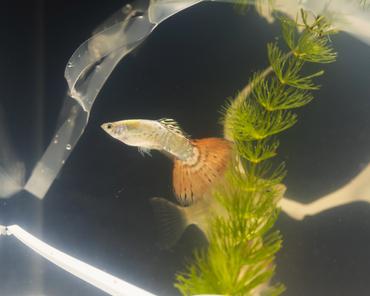
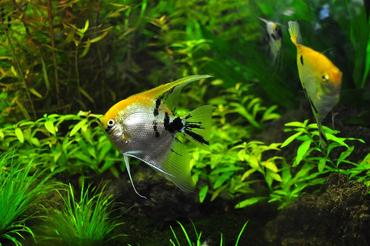
For instance, pairing slow-moving, long-finned fish like Fancy Guppies or Angelfish with notorious fin-nippers like Tiger Barbs will result in shredded fins, chronic stress, and secondary bacterial infections like fin rot. Similarly, keeping highly active, boisterous dither fish with shy, slow-feeding species can cause the quieter fish to starve because they are simply outcompeted during feeding times.
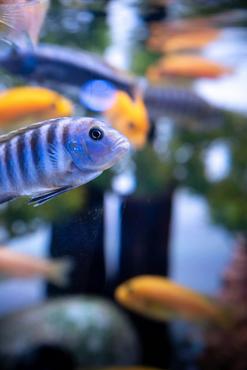
Furthermore, you must consider the water chemistry requirements of your livestock. African Cichlids thrive in hard, alkaline water with a high pH, whereas South American Tetras prefer soft, acidic water. Forcing these species to live together in compromised parameters means neither will truly thrive, and their immune systems will be permanently compromised.
When planning your community tank, keep these critical compatibility rules in mind:
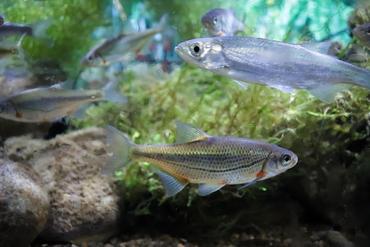
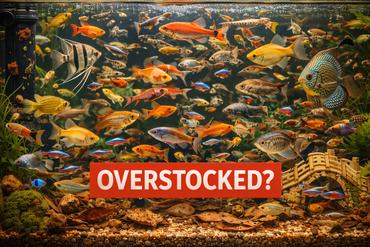
- Research adult sizes: The most basic rule is that if a fish can fit another fish into its mouth, it eventually will. That cute, two-inch silver fish at the pet store might grow into a twelve-inch monster. Always stock based on maximum adult size.
- Match water parameters: Ensure all species in the tank share similar temperature, pH, and water hardness requirements.
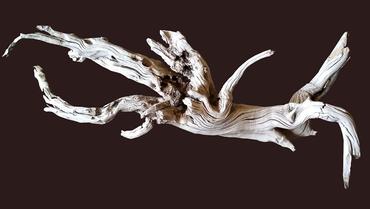
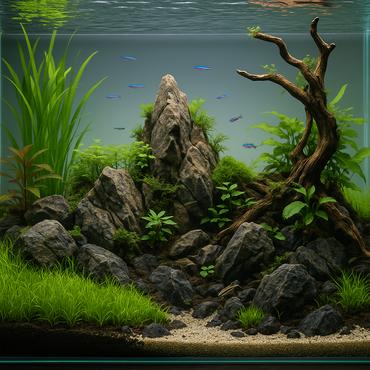
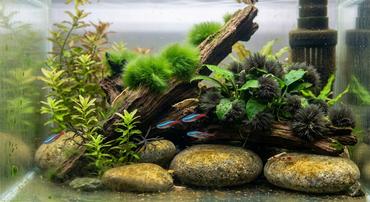
- Provide adequate cover: Use driftwood, rockwork, and live plants to break lines of sight, which allows submissive fish to escape dominant tankmates and establish their own territories.
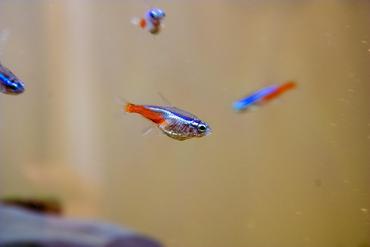
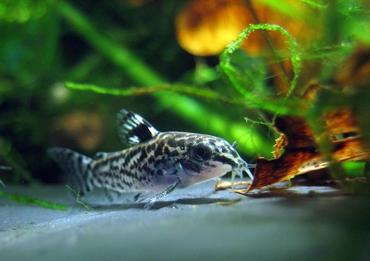
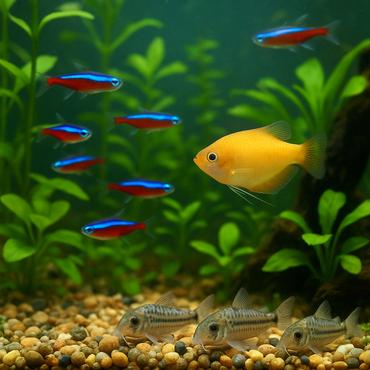
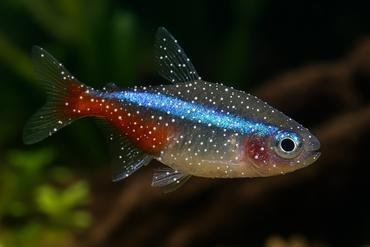
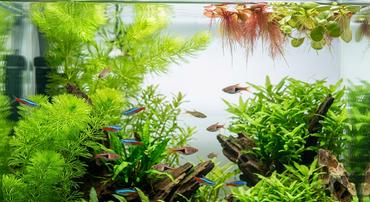
A classic, highly successful community aquarium pairing includes peaceful schooling fish like Neon Tetras ( Paracheirodon innesi ) or Harlequin Rasboras ( Trigonostigma heteromorpha ) sharing the mid-water column, while a small group of peaceful Corydoras Catfish clean up the sandy substrate below. If you want to dive deeper into selecting the perfect, peaceful inhabitants for your setup, read our expert recommendations on show tank-worthy tankmates or learn the science of behavioral dynamics with our fish compatibility checker.
4. The Importance of Quarantine and Parasite Prevention
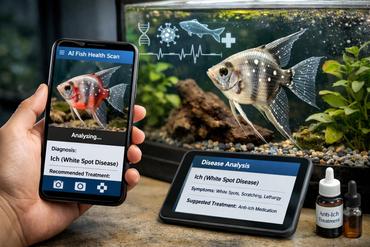
Imagine having a beautifully established, healthy 55-gallon aquarium that has been running flawlessly for a year. You bring home one gorgeous new fish from the local pet store, float the bag, release it into the tank, and within a week, your entire fish population is covered in white spots, gasping at the surface. This nightmare scenario is the reality of Ich ( Ichthyophthirius multifiliis ) and other highly contagious parasites.
Almost every veteran aquarist has a horror story about introducing a disease to an established tank. The single best way to avoid this is by implementing a strict quarantine protocol for all new arrivals. A quarantine tank does not need to be fancy or expensive. A simple, bare-bottom 10-gallon tank equipped with a sponge filter, a heater, and a few plastic pipes for hiding spots is all you need to protect your main display.
Whenever you purchase new fish, keep them in the quarantine tank for at least three to four weeks. During this observation period, monitor them closely for signs of disease, such as heavy breathing, flashing (rubbing against objects), clamped fins, or unusual spots. If symptoms arise, you can easily treat the isolated fish in a small volume of water without exposing your display tank's beneficial bacteria, delicate invertebrates, or live plants to harsh medications. For a detailed walkthrough on setting up your own preventative system, refer to our article on how to prevent saltwater fish diseases, which outlines quarantine principles applicable to both marine and freshwater systems.
Key Takeaways for a Thriving Aquarium
By proactively addressing these three major areas of concern—establishing a proper nitrogen cycle, practicing strict feeding and lighting control, and ensuring absolute species compatibility—you will instantly elevate your fishkeeping game. Successful aquarium keeping is not about reacting to disasters as they happen; it is about building a stable, biological foundation that prevents those disasters from ever occurring in the first place.
Take your time, research every species before making a purchase, and enjoy the rewarding process of cultivating your very own slice of nature. If you found these tips helpful, be sure to explore our extensive library of care guides, tank inspiration, and community forums here at RateMyFishTank.com to keep expanding your hobbyist knowledge!

MOST RECENT ARTICLES