CHILI RASBORA CARE GUIDE: TANK SETUP, SCHOOL SIZE, AND COMPATIBLE TANK MATES
Meet the Chili Rasbora and Choose Your School Size
A Tiny Fish With Specific Needs
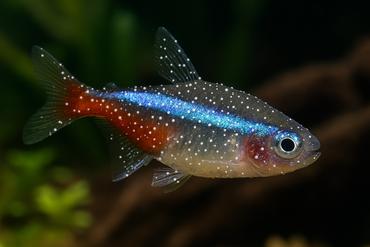
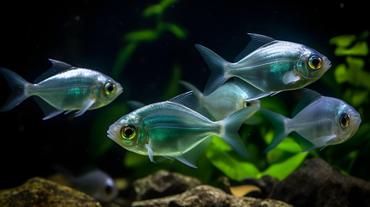
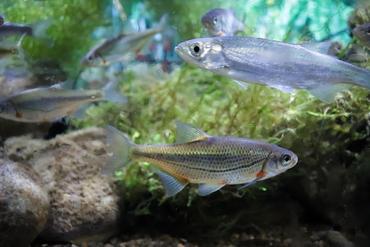
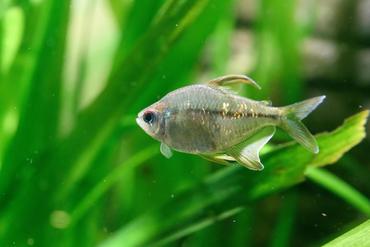
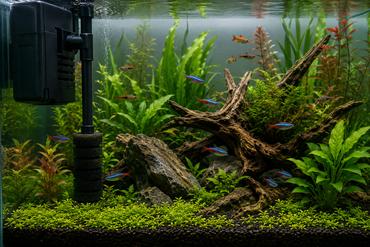
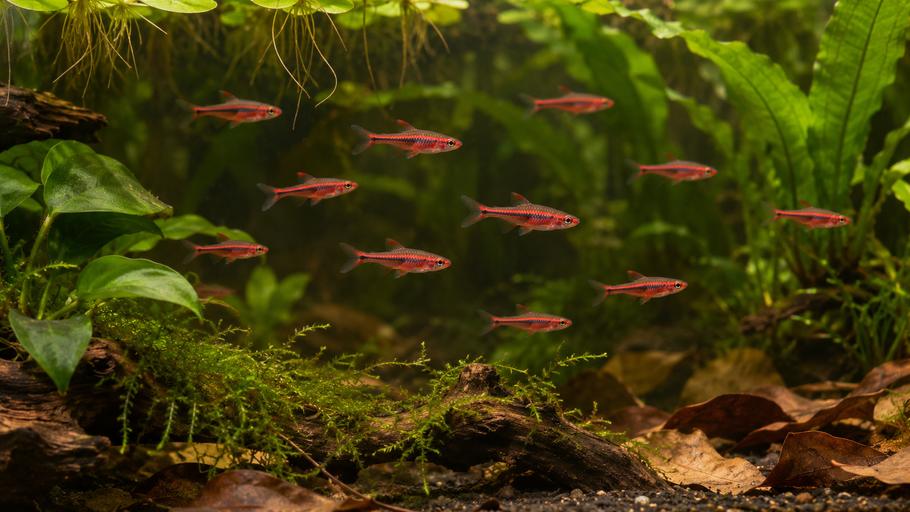
The chili rasbora, Boraras brigittae, is also called the mosquito rasbora. Native to Borneo, it reaches approximately 0.8 inches, or 2 centimeters. Its red coloration and dark lateral marking make an impressive contrast against greenery, although juveniles and newly transported fish may look considerably paler.
Similar species sometimes appear under the same shop label, so check identification before buying. Ask the retailer about adult size, feeding, and current water conditions. Select alert fish with normal breathing and intact bodies. Avoid buying from a tank containing sick fish, even when the individuals you want appear healthy.
Start With 10–12 Chili Rasboras
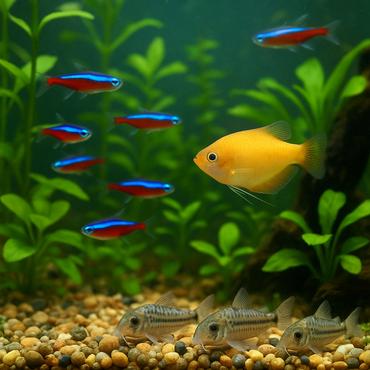
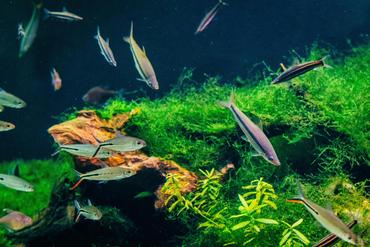
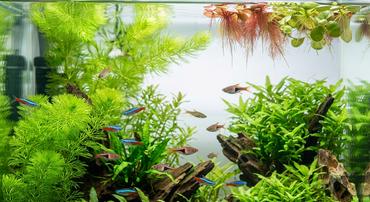
Keep a group of at least 10, with 10–12 making a useful starting plan. A pair or trio does not provide the same social environment. Where space and filtration allow, a larger group can create a more visible display without requiring additional species.
Do not expect the fish to swim in a tight formation constantly. Comfortable individuals may spread through plant stems, while males display and briefly defend small spawning areas. Judge their welfare by feeding, condition, breathing, and access to cover rather than the neatness of the school.
Building a Comfortable Chili Rasbora Tank Setup
Choose a Practical Tank Size
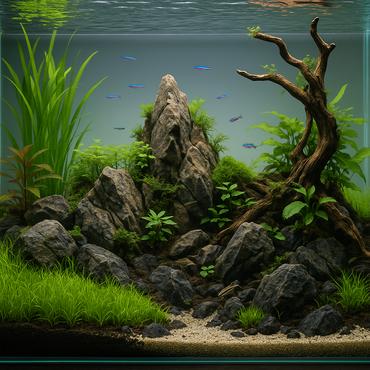
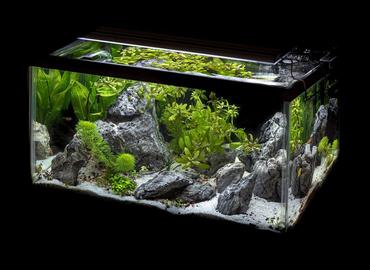
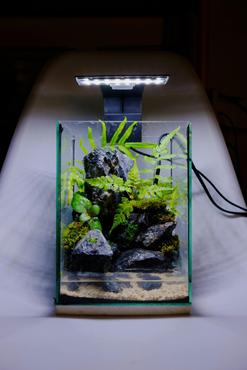
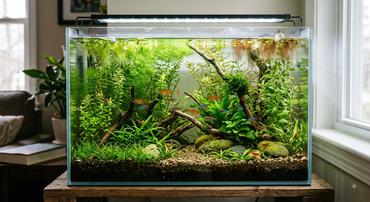
For beginners, a standard 10-gallon aquarium is a sensible starting point for a species group. A 15-gallon or 20-gallon aquarium gives more room for planting and future compatibility decisions. Favor horizontal swimming space over a tall, narrow footprint, and remember that wood and substrate reduce actual water volume.
Very small aquariums leave less margin for temperature changes, excess food, and maintenance mistakes. Their low purchase price does not make them easier. Before choosing equipment, review our guide to selecting suitable livestock for nano tanks, then plan around one complete school.
Balance Plant Cover With Swimming Room
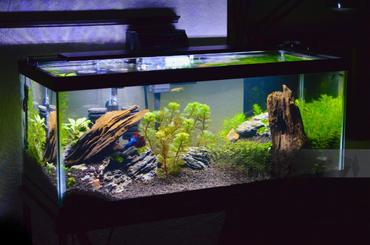
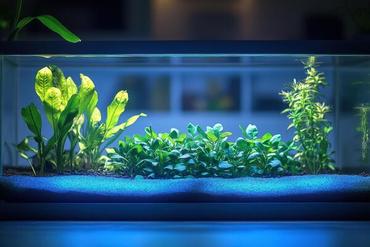
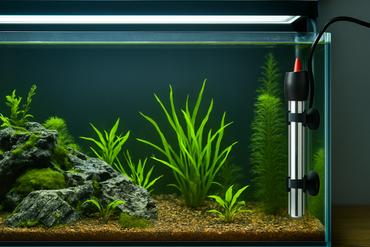
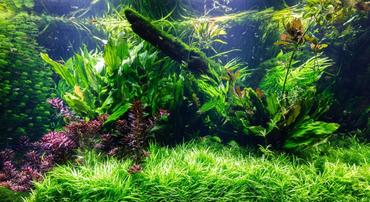
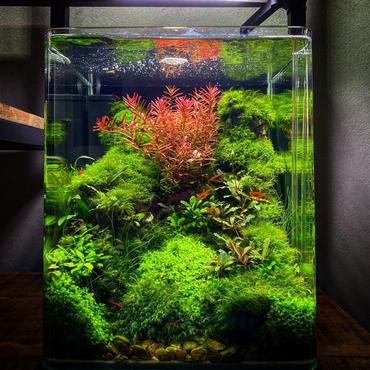
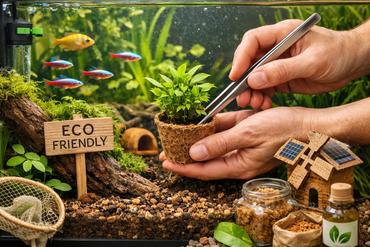
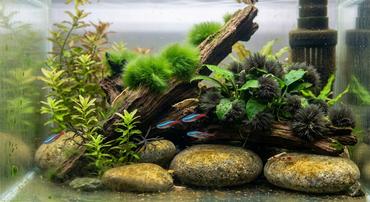
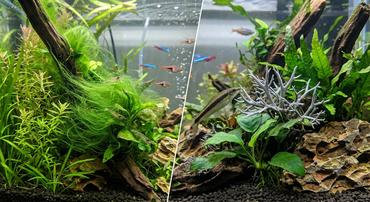
Use plants around the back and sides while leaving a visible feeding corridor. Java fern, anubias, mosses, and suitable cryptocorynes provide structure without demanding intense lighting. Floating plants offer shade, but thin them regularly so they do not blanket the surface or block all light below.
Dark, inert sand or smooth gravel works well because chili rasboras do not require a burrowing substrate. Aquarium soil is another option, but some products initially release ammonia or alter water chemistry. Understand the product before stocking, and allow the aquarium to stabilize.
- Arrange plants to provide sheltered routes between open swimming areas.
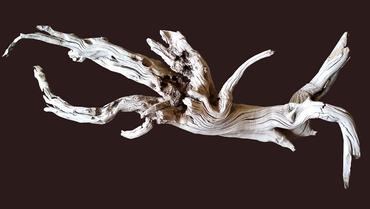
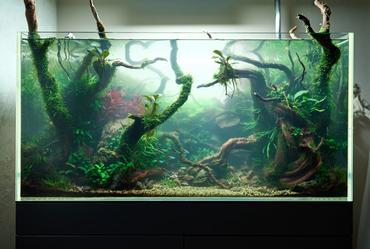
- Use aquarium-safe wood without sharp projections or unstable balancing points.
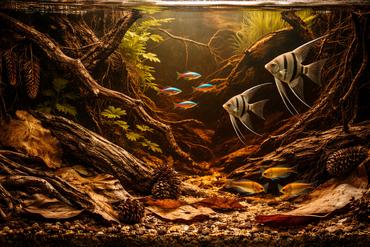
- Add clean aquarium leaf litter gradually if you want a botanical appearance.
- Keep a secure lid and close gaps around equipment.
Tannin-stained water is optional; comfortable fish can thrive in a clear planted aquarium. Leaves are not a substitute for testing or filtration. Introduce botanicals conservatively and remove excessive decaying material if it causes water quality problems. Avoid collecting leaves from roadsides, sprayed gardens, or unidentified trees.
Set the lighting on a timer so the daily routine remains predictable. Begin with a modest photoperiod appropriate for your plants, then adjust gradually if growth or algae suggests a problem. Sudden bright light and constant rearranging can discourage exploration. Give the layout time to settle before deciding that the fish need a completely different aquarium, and make changes individually so their effects are easier to assess.
Keep Flow Gentle and Intakes Protected
A mature sponge filter is a useful option, providing biological filtration and gentle surface movement. Other filters can work if their output is moderated and their intake has an appropriate sponge guard. Fish should be able to hold position comfortably rather than constantly struggling against the current.
Gentle flow still needs to circulate water and support oxygen exchange. Inspect the filter regularly, particularly when floating roots collect around its outlet. Position a heater where circulation distributes warmth, and verify its performance with a separate thermometer rather than trusting the dial alone.
Water Parameters, Maintenance, and Health Safety
Use Stable Softwater Targets
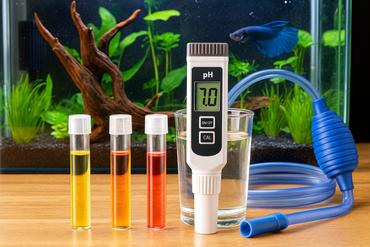
For a practical home setup, aim for 75–79°F, approximately 24–26°C, pH around 6.0–7.0, and general hardness around 2–8 dGH. These are conservative husbandry targets within commonly published care ranges. Ask about the supplier’s conditions, since abrupt changes can cause problems even when both readings appear acceptable.
Care reports differ on tolerance of harder, more alkaline water. Rather than assuming every batch will adapt equally well, favor soft, mildly acidic conditions you can maintain consistently. Do not attempt extreme blackwater acidity simply because wild habitats sometimes have very low pH.
- Maintain zero detectable ammonia and nitrite using appropriate aquarium tests.
- Use nitrate below about 20 mg/L as a practical maintenance target.
- Check temperature daily and test water weekly once conditions are stable.
- Start with roughly 20–25% weekly water changes, adjusting to your results.
General hardness measures calcium and magnesium, while carbonate hardness reflects buffering capacity. Low buffering allows pH to change more easily. If your tap water is unsuitable, prepare a consistent reverse osmosis blend or properly remineralized water before purchase. Do not add pure reverse osmosis water without understanding the resulting mineral balance.
Treat replacement tap water for chlorine or chloramine and match temperature reasonably closely. Avoid using repeated doses of pH adjusters to force a reading. A written record of source water, aquarium readings, and water changes helps reveal trends before they become emergencies.
Cycle the Aquarium and Quarantine Arrivals
Complete a fishless cycle before introducing chili rasboras, and let planted cover establish. Clear water alone proves nothing about biological filtration. Microorganisms process toxic ammonia into nitrite and then nitrate, but a newly filled tank may lack the capacity to handle fish waste safely.
Use a separate, filtered quarantine aquarium with cover and suitably fine food. About four weeks of observation is a practical starting period, although some diseases require longer. Read our guide to quarantining new aquarium fish for help planning the setup and monitoring routine.
Ask the seller how to acclimate the particular shipment, especially if its water differs substantially from yours. Prepare the receiving aquarium first and keep lighting subdued during transfer. Avoid pouring transport water into the display. In the following days, check that each fish joins feeding and that the filter maintains safe readings. Resist adding another batch immediately because the first group appears comfortable on arrival.
Investigate Symptoms Before Medicating
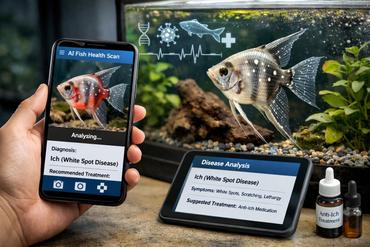
Paleness immediately after transport can reflect stress, but persistent appetite loss, rapid breathing, sores, or white spots need investigation. Test water and inspect equipment first. If ammonia or nitrite is detectable, use conditioned water changes and address the filtration problem promptly.
Seek qualified aquatic veterinary advice when symptoms remain unexplained. Follow medication labels, calculate the actual treatment volume carefully, and check restrictions for shrimp or snails. Avoid combining treatments, adding salt routinely, or raising temperature without identifying the likely problem.
Feeding Chili Rasboras Successfully
Match Food to Their Small Mouths
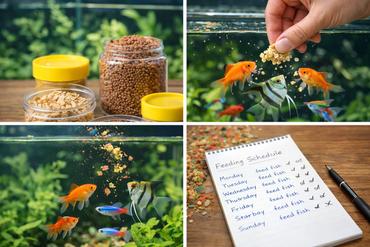
Chili rasboras are micropredators that consume tiny animal foods. Offer high-quality microgranules or finely crushed flakes alongside appropriately sized live or frozen foods, such as baby brine shrimp, rotifers, or small cyclops. Large pellets and ordinary whole flakes may be unsuitable despite appearing small to you.
Watch for actual swallowing. Repeatedly taking food and spitting it out can indicate an unsuitable particle size, although other problems are possible. Slow-sinking particles help fish feed in the water column. A small pipette can distribute thawed food around the school without dumping it into one crowded spot.
- Offer one or two small meals daily, adjusting to age and body condition.
- Spread fine food across several areas so every fish can participate.
- Remove persistent leftovers rather than increasing portions when fish seem hesitant.
- Keep dry food sealed and follow its storage and freshness instructions.
Check Feeding Access Before Adding More Food
Imagine a community where larger fish intercept every meal while the chili rasboras hover behind plants. Adding extra flakes may pollute the tank without solving the problem. Instead, feed competing fish elsewhere, deliver finer food near the rasboras, and reconsider companions if exclusion continues.
A short feeding check each day provides useful information. Look for rounded but not swollen bellies, steady participation, and individuals consistently missing meals. Do not assume biofilm, algae, or shrimp leftovers provide a complete diet. Small fish still need deliberate, varied feeding.
Compatibility and Care: Suitable Tank Mates
Ember Tetras
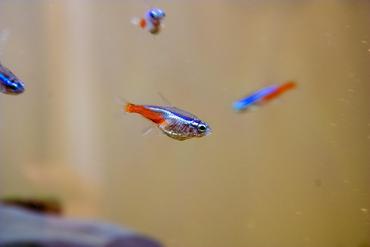
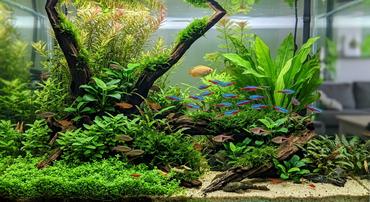
Ember tetras, Hyphessobrycon amandae, are a reasonable option in a larger planted aquarium because their peaceful behavior and water requirements overlap with those of chili rasboras. Keep them in their own proper group, preferably 8–10 or more, rather than adding a few as decorative extras.
A 20-gallon aquarium is a more practical setting for two complete shoals than a small nano tank. Verify that both groups feed comfortably, and maintain open swimming space. Their compatibility is a planning possibility, not permission to ignore stocking density or individual behavior.
Sparkling Gouramis
Sparkling gouramis, Trichopsis pumila, can work in a carefully planted aquarium with similar temperature and water conditions. They prefer calm surroundings, but they may defend areas during breeding. Provide visual barriers and watch whether rasboras lose access to their preferred swimming or feeding areas.
This combination suits a keeper prepared to monitor behavior and separate fish if necessary. Research the gouramis’ own social requirements before purchasing. They may also eat small shrimp, so adding them changes the risk profile of an aquarium that previously housed only rasboras and invertebrates.
Dwarf Shrimp
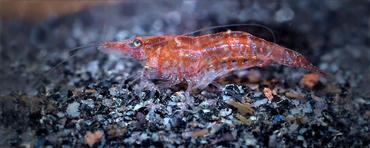
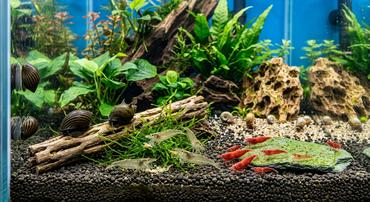
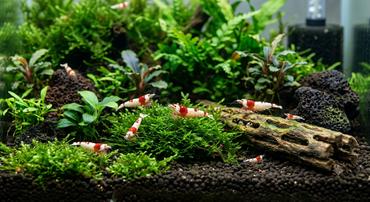
Adult cherry shrimp, Neocaridina davidi, can be suitable companions when the chosen water conditions meet both species’ needs. Avoid placing them in extremely acidic, mineral-poor water simply to imitate a peat swamp. Other dwarf shrimp require species-specific planning rather than assuming all shrimp share the same requirements.
Even tiny rasboras may eat newly hatched shrimp. Moss and dense cover improve hiding opportunities, but a dedicated shrimp breeding aquarium remains the safer choice when maximizing offspring survival matters. Feed shrimp appropriately instead of expecting them to live entirely on fish waste.
When evaluating a proposed addition, compare adult size, temperature, hardness, temperament, and feeding speed. Matching only one category is insufficient. A fish may tolerate the same temperature yet demand harder water or dominate every meal. In a 10-gallon setup, improving the existing school’s cover and feeding access is usually a more useful next project than trying to add another fish species for variety or color.
Tank Mates to Avoid
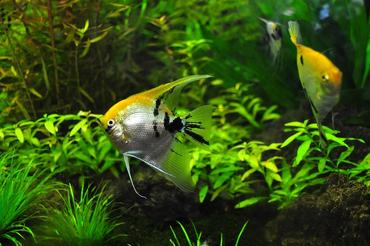
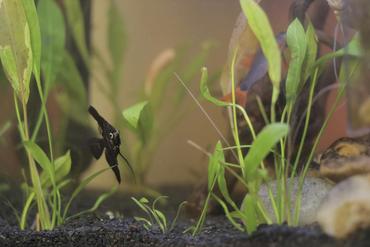
Avoid predators, fin nippers, and vigorous feeders that overwhelm these miniature fish. Angelfish and many larger cichlids can view them as prey. A domestic betta is an unpredictable choice because individual hunting and territorial behavior vary. A species aquarium is often the most straightforward option for beginners.
Takeaway: Give Your Chili Rasboras Room to Settle
Start with a mature planted aquarium, a group of 10–12, gentle filtration, and food small enough to swallow. Keep water conditions stable and choose companions conservatively. Before buying, test your source water and write down your stocking plan. Explore more RateMyFishTank freshwater guides, and share your favorite planting combinations or feeding tips with other hobbyists. A little preparation makes daily care easier and helps prevent avoidable problems.
MOST RECENT ARTICLES