HARDCORE AQUASCAPING & GEOLOGY
The Connection Between Aquascaping and Geology
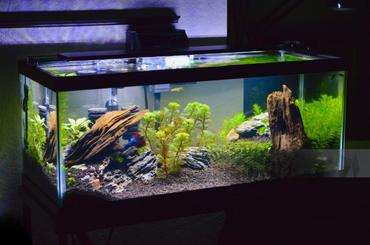
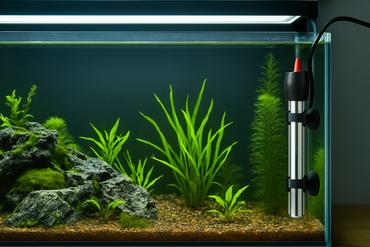
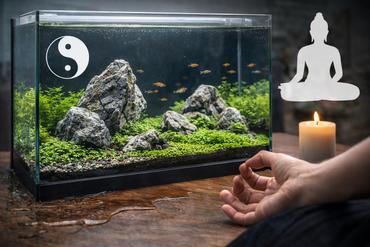
Geology plays a massive role in hardcore aquascaping because the rocks and substrates you choose directly affect both the appearance and chemistry of your aquarium. Natural landscapes are shaped over thousands of years by erosion, pressure, sediment movement, and volcanic activity. Aquascapers mimic these patterns to create tanks that feel realistic rather than artificial.
One of the biggest mistakes beginners make is mixing several unrelated rock types in the same aquarium. In nature, you rarely see volcanic stone mixed with smooth river rocks and sharp limestone formations in the same location. Using one dominant stone type creates visual consistency and a more believable environment.
Popular geological materials used in freshwater aquascaping include:
- Seiryu Stone for dramatic mountain-style layouts
- Dragon Stone for textured canyon and cliff effects
- Lava Rock for lightweight volcanic aquascapes
- River Stone for softer biotope-inspired setups
- Slate for layered cliff formations and terraces
Each stone type behaves differently in water. For example, Seiryu Stone can slightly raise hardness and pH because of its mineral content, making it more suitable for species like livebearers or rainbowfish than soft-water fish such as Discus.
If you are new to aquascaping design principles, the article Aquascaping for Beginners: Designing a Natural Underwater Landscape offers a great introduction to layout planning and hardscape balance.
Building Geological Layouts That Look Natural
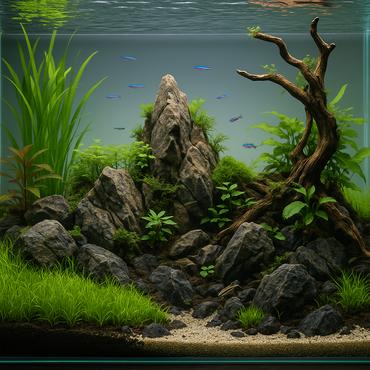
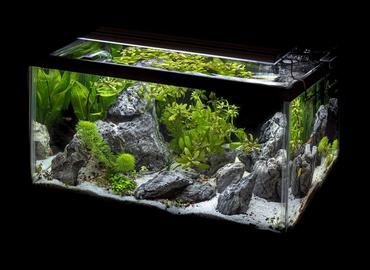
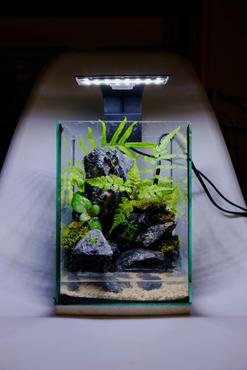
Hardcore aquascaping focuses heavily on realism. The goal is to create an underwater scene that appears naturally formed rather than carefully staged. This means studying how mountains, riverbeds, and valleys actually develop in nature.
One effective technique is using directional stone placement. In natural environments, rock formations often align in the same direction because of tectonic movement or water flow. Randomly angled stones usually look unnatural in an aquarium.
Many advanced aquascapers also use substrate elevation to create perspective. Raising the substrate toward the back of the aquarium gives the illusion of greater depth, especially in smaller tanks.
Here are several practical layout tips that dramatically improve realism:
- Use larger stones near the foreground and smaller stones in the background for forced perspective
- Bury the bottom third of rocks to make them appear naturally embedded
- Create asymmetrical layouts instead of placing focal points directly in the center
- Leave negative space for fish swimming areas and visual contrast
- Avoid perfectly straight lines or evenly spaced stones
Many aquascapers spend hours arranging hardscape before adding water. This dry-start planning stage helps prevent unstable rock formations and poor visual balance later.
For inspiration on fish-friendly layouts, check out Creating an Aquascape and Choosing Fish, which explains how aquascape structure affects fish behavior and long-term tank stability.
Choosing Fish Species for Geological Aquascapes
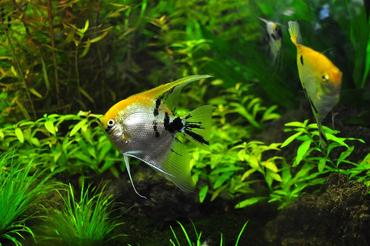
Not every fish belongs in a hardcore aquascape. Some species constantly uproot plants, dig through substrate, or topple carefully balanced rockwork. Selecting compatible livestock is critical if you want your geological design to remain intact.
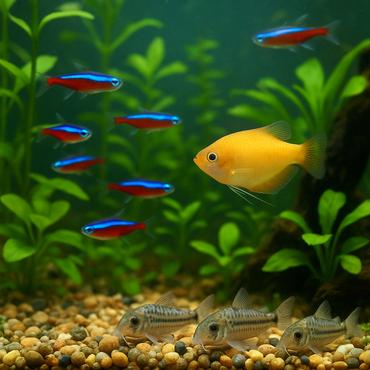
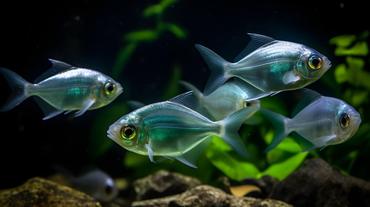
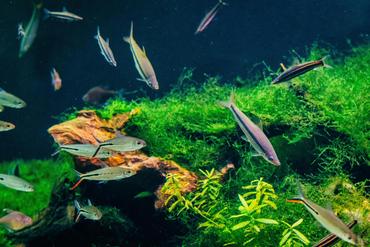
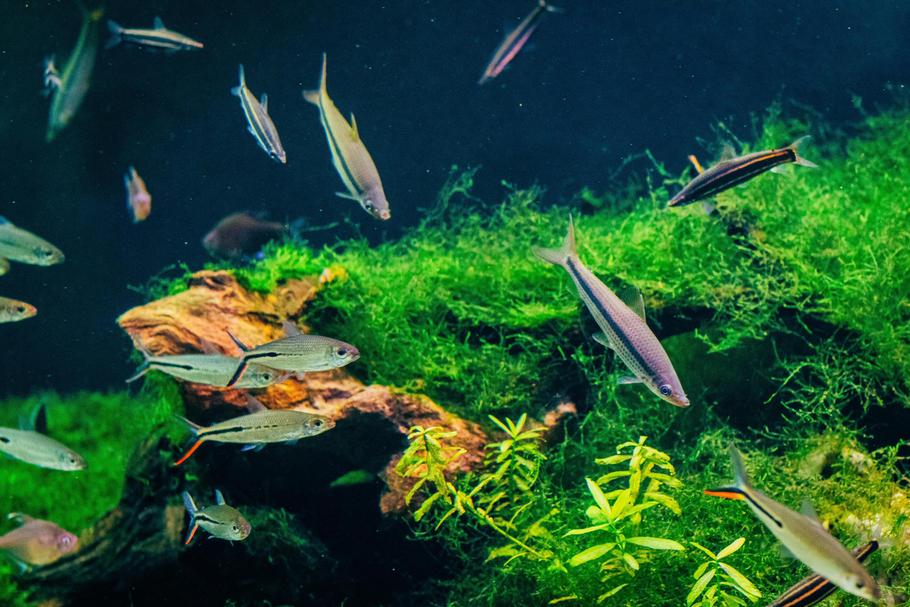
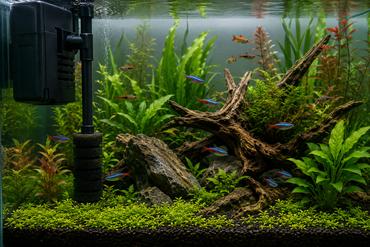
For Iwagumi-style aquascapes, schooling fish usually work best because they enhance the sense of scale without distracting from the hardscape. Small, active species create movement while allowing the rock formations to remain the focal point.
Excellent freshwater species for geological aquascapes include:
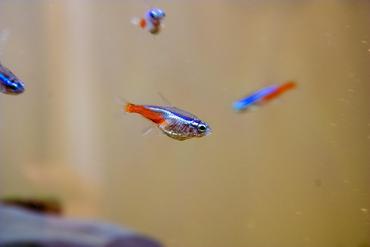
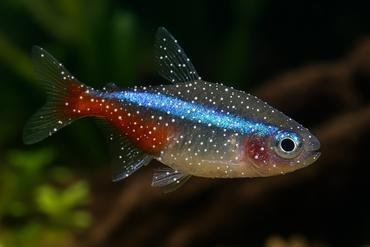
- Cardinal Tetras
- Rummy Nose Tetras
- Harlequin Rasboras
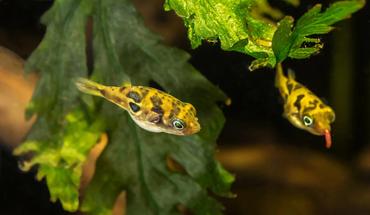
- Celestial Pearl Danios
- Otocinclus Catfish
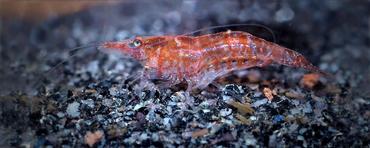
- Amano Shrimp
Amano Shrimp are especially popular because they help control algae growth on stone surfaces without damaging plants. Otocinclus catfish are another strong choice for maintaining clean hardscape in planted aquariums.
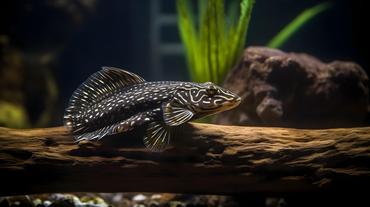
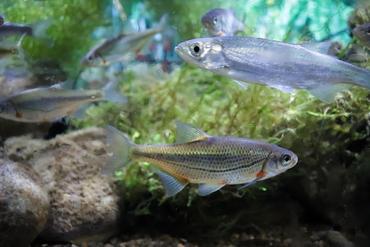
For rugged river-style aquascapes with stronger flow, species like Hillstream Loaches and White Cloud Mountain Minnows fit naturally into the environment. Their body shapes and behavior closely match rocky stream habitats.
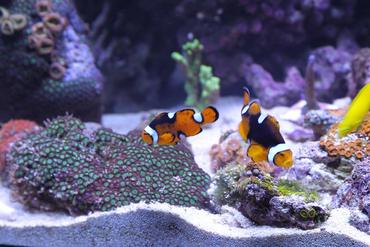
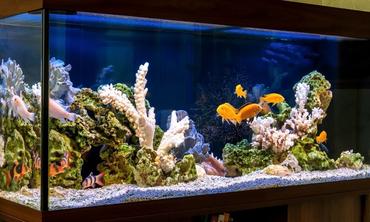
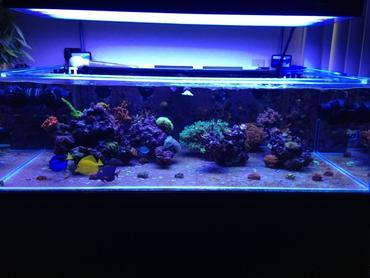
Saltwater hobbyists can also apply geological aquascaping principles. Reef keepers often create arches, caves, and vertical reef walls using dry rock or live rock structures. Stability becomes even more important in marine systems because collapsing rocks can damage corals and injure fish.
The article Set-up Guide for a Reef Tank contains useful advice for building stable reef aquascapes with proper water circulation and coral placement.
Compatibility and Care Considerations
Hardcore aquascaping may look stunning, but practical care considerations always come first. Some geological layouts create hidden maintenance problems that beginners often overlook.
Sharp rocks can injure bottom-dwelling fish or species with delicate fins. Certain stones also alter water chemistry significantly over time. Testing your aquarium water regularly is important whenever using mineral-rich rock.
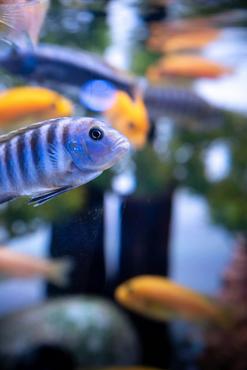
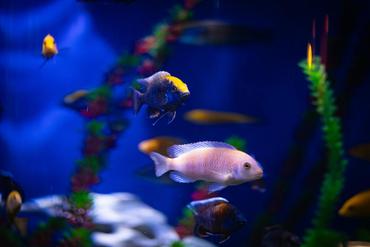
Fish compatibility is equally important. Aggressive species often become territorial around caves and rock formations, especially in smaller aquariums. African Cichlids are a classic example. While rocky environments suit them perfectly, overcrowded or poorly designed layouts can lead to nonstop fighting.
When designing geological aquascapes, always consider:
- Swimming space for active fish species
- Multiple hiding areas to reduce aggression
- Safe cave entrances without trapping fish
- Rock stability to prevent collapses
- Water circulation through dense hardscape
Another common mistake is creating dead zones where water flow becomes restricted. Poor circulation allows waste buildup and increases algae problems. In planted tanks, stagnant areas may also encourage cyanobacteria outbreaks.
Aquascapers using heavy stone layouts should place rocks directly on the tank bottom or protective egg crate before adding substrate. This prevents burrowing fish or shifting substrate from destabilizing the structure later.
If aggression is becoming a problem in your aquarium, the article Aquascaping Tips to Reduce Aggression in Fish explains how strategic rock placement and visual barriers help create a calmer community tank.
Advanced Aquascaping Techniques Inspired by Natural Landscapes
As hobbyists gain experience, many begin recreating specific geological environments rather than generic planted tanks. These advanced layouts often draw inspiration from real-world ecosystems and mountain ranges.
Popular hardcore aquascaping styles include:
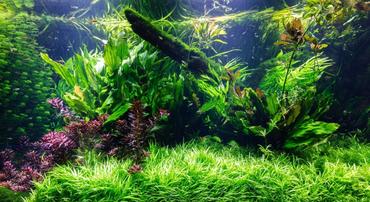
- Iwagumi: A minimalist Japanese style centered around carefully arranged stone formations. Usually paired with carpeting plants and small schooling fish.
- Biotope Aquascapes: Designed to replicate real habitats such as Amazon riverbanks, Southeast Asian streams, or African rift lakes.
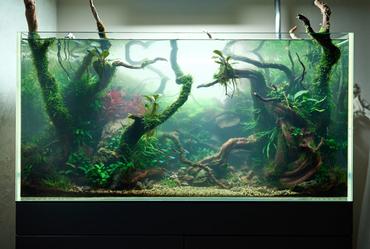
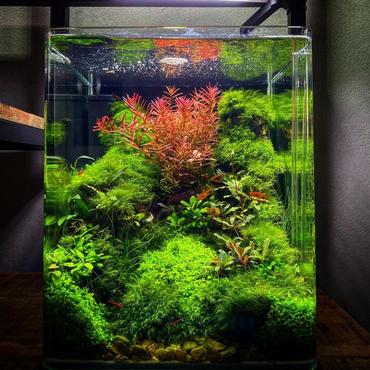
- Nature Aquariums: Inspired by forests, valleys, and natural terrain using wood, rock, and dense plant growth.
- Rugged Canyon Layouts: Feature steep rock walls, dramatic elevation changes, and narrow swimming channels.
Many advanced aquascapers also study erosion and sediment flow to make their layouts appear aged and weathered. Small gravel scattered around larger rocks helps simulate natural rock fragmentation. Moss attached to stone surfaces can mimic aged cliff faces or forest boulders.
Lighting placement also affects geological realism. Strong overhead lighting creates sharp shadows that emphasize texture and depth in rocky aquascapes. Softer side lighting can create the appearance of sunrise or sunset over underwater terrain.
Patience is essential with these layouts. Geological aquascapes often look best after several months when plants mature, algae stabilizes, and hardscape develops a more natural appearance.
Final Thoughts on Hardcore Aquascaping & Geology
Hardcore aquascaping is far more than stacking rocks in a glass box. It combines artistic design, geological observation, fish compatibility, and long-term ecosystem management into one rewarding aspect of the aquarium hobby. By understanding how natural landscapes form and how different stone types affect aquarium chemistry, hobbyists can create aquascapes that feel immersive, realistic, and biologically functional.
Beginners should focus on mastering basic hardscape principles first: consistent stone selection, stable layouts, proper fish compatibility, and strong water circulation. Intermediate hobbyists can gradually experiment with advanced geological styles such as canyon aquascapes, biotope recreations, and dramatic mountain-inspired layouts.
Most importantly, remember that successful aquascaping evolves over time. Observe how your fish interact with the environment, monitor water chemistry closely, and do not be afraid to refine your layout as the aquarium matures. The more you study natural landscapes, the more convincing and rewarding your underwater world will become.
MOST RECENT ARTICLES