SMALL BUT MIGHTY: A GUIDE TO KEEPING THE EVERGLADES PYGMY SUNFISH (ELASSOMA EVERGLADEI)
The Natural History and Unique Ethology of Elassoma
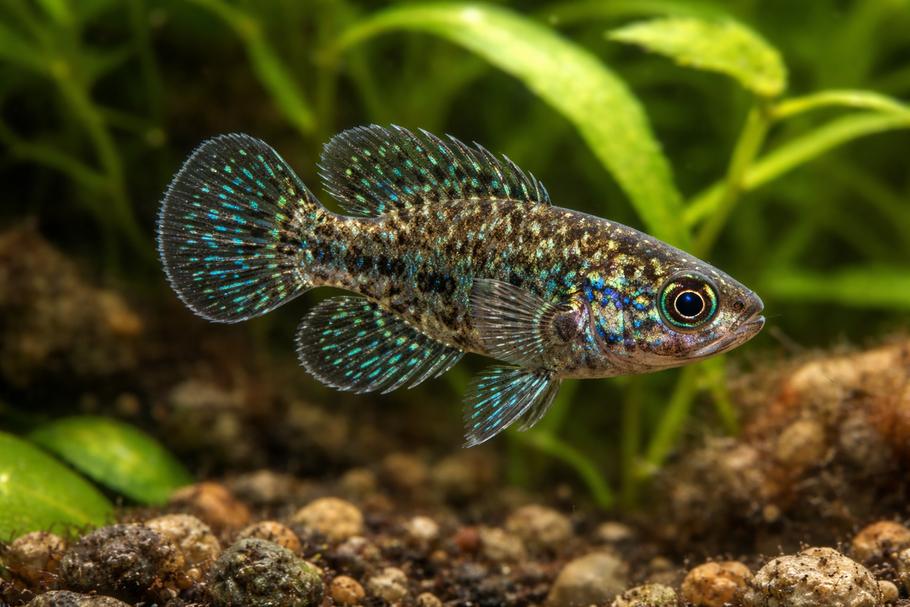
To truly appreciate the Everglades Pygmy Sunfish, one must understand its unique taxonomic standing. They are not actually members of the sunfish family (Centrarchidae) that most North American anglers are familiar with; instead, they belong to their own distinct family, Elassomatidae. In their native range, spanning from North Carolina down through the Florida peninsula and into Alabama, they occupy an ecological niche that most larger fish ignore. They are found in the "micro-habitats" of stagnant ponds, shallow marshes, and roadside ditches where the water is stained dark with tannins and the vegetation is thick enough to hide from larger predators like Bass or Pickerel.
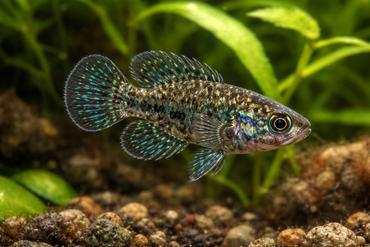
The behavior of these fish is remarkably sophisticated for their size. In a home aquarium, you will witness a highly developed social hierarchy. Males are intensely territorial, but because they lack the physical size to do real damage, their battles are largely ceremonial. They engage in "fin-flaring" contests, where they expand their dorsal and anal fins to appear as large as possible, shimmering with blue-green highlights. This territoriality makes them excellent subjects for observation, as each male will claim a specific "tree" (usually a stem plant) or a piece of driftwood as his own. Their movement is also distinct; they don't zip around like tetras. Instead, they "hop" through the water column or hover with precision, using their pectoral fins like tiny oars to inspect every nook and cranny for prey.
For the beginner, this means that the tank should be viewed as a theater. If you provide enough visual barriers, you can witness the full range of their social interactions. Without these barriers, the subordinate males will hide, and you will miss out on the incredible transformation of the dominant alpha. This "micro-cichlid" behavior is exactly why they have such a cult following among intermediate keepers who have grown bored with traditional schooling fish.
Designing the Perfect Swamp-Style Nano Habitat
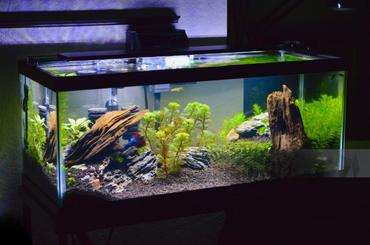
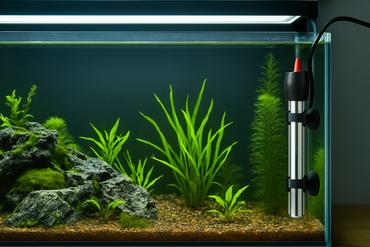
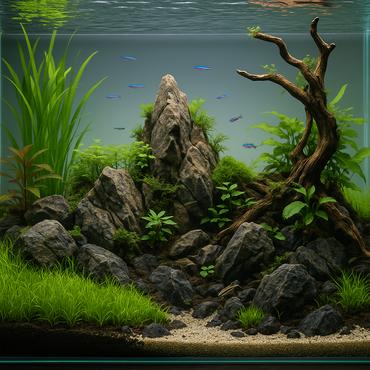
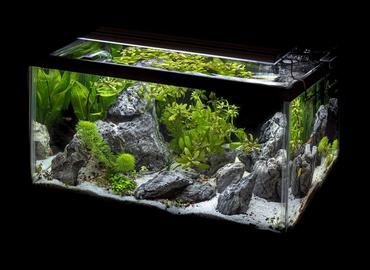
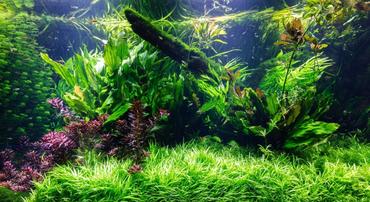
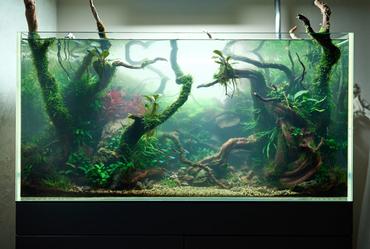
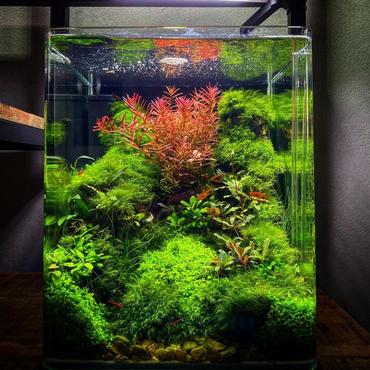
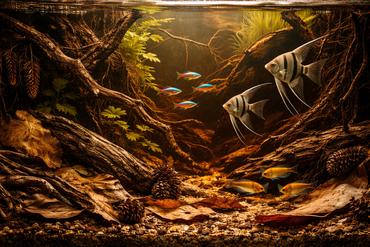
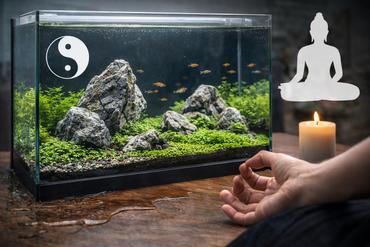
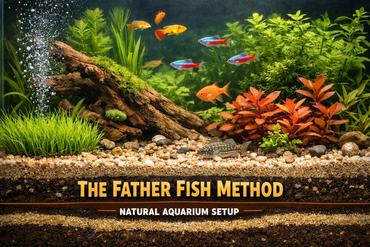
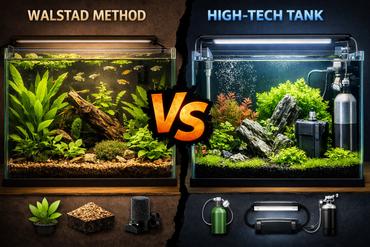
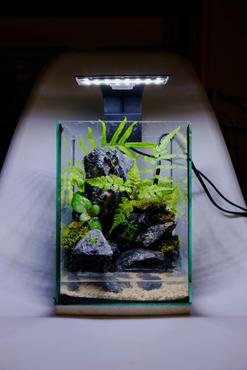
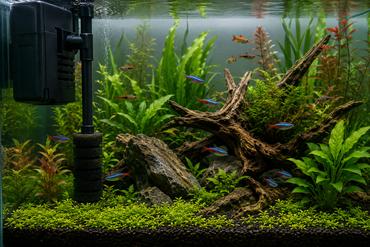
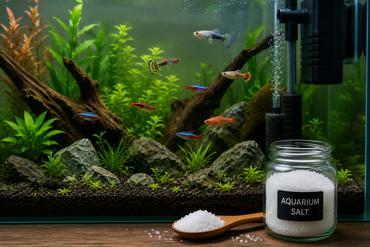
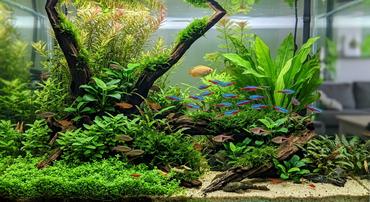
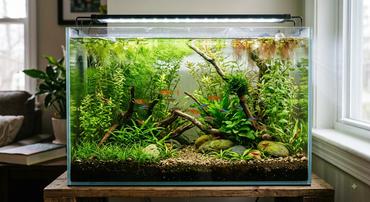
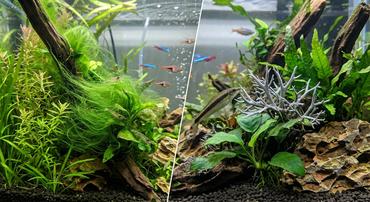
Creating a home for Elassoma evergladei requires a shift in perspective. You are not just building a fish tank; you are recreating a slice of a Florida swamp. While a pair can survive in a 5-gallon tank, a 10-gallon or 15-gallon "long" tank is significantly better. The increased surface area allows for multiple territories and a more stable biological environment. A common beginner mistake is keeping these fish in a sparse, "clean" tank with plastic ornaments. Pygmy Sunfish require high-density planting to feel secure enough to show their best colors.
The substrate should be dark and fine. Dark sand or a specialized plant soil works best to mimic the detritus-rich floors of their native swamps. Vegetation should be divided into three categories:
- Thickets for hiding
- Broad leaves for resting
- Fine textures for spawning
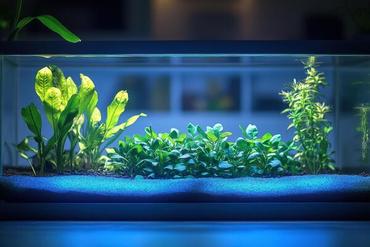
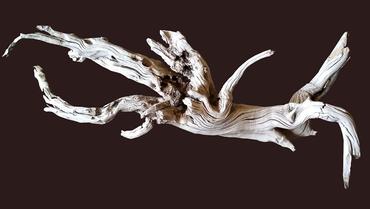
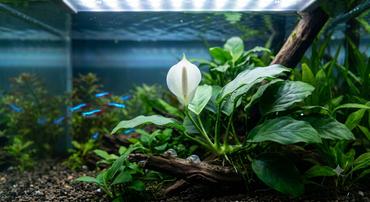
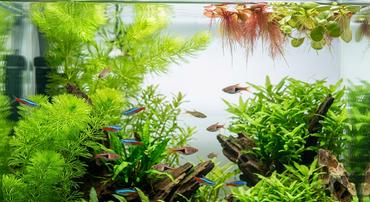
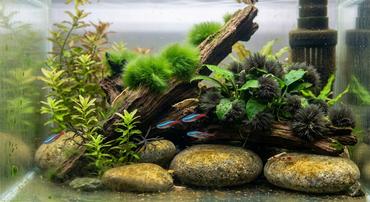
Hornwort, Java Moss, and Guppy Grass are top-tier choices because they grow rapidly and create the tangled mats these fish love. If you're looking for low-maintenance greenery, consider aquarium plants that don't need substrate like Java Fern or Anubias, which can be tied to driftwood to create a rugged, natural look.
Lighting should be moderate. If the light is too bright and there isn't enough cover, the fish will become skittish and lose their color. Floating plants like Frogbit or Red Root Floaters are excellent for diffusing light and sucking up excess nitrates. This mimicry of a "canopy" helps the fish feel like they are safely tucked under the marsh grass of the Everglades. Filtration should be very gentle; a sponge filter is the gold standard here. High-flow hang-on-back filters or powerheads will blow these tiny fish around and prevent them from establishing the stationary territories they need for breeding.
Water Chemistry and the Importance of Temperate Care
Perhaps the most misunderstood aspect of Pygmy Sunfish care is temperature. Because they are found in Florida, many assume they need a heater set to 78°F. However, Elassoma evergladei is a temperate species. In the wild, they experience cool winters and hot summers. In a home setting, they thrive at room temperature (65°F to 72°F). Keeping them at constant high tropical temperatures can actually accelerate their metabolism to an unhealthy degree, potentially shortening their lifespan and making them more prone to disease.
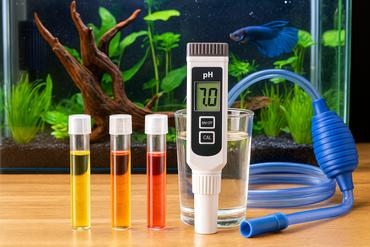
Water parameters are generally flexible, but they prefer soft to moderately hard water with a pH between 6.5 and 7.5. The key is stability. In small nano tanks, water chemistry can swing wildly if you aren't careful. For a deeper understanding of how to manage these levels in a small ecosystem, refer to our freshwater water parameter guide. Tannins are also your friend. Adding Indian Almond leaves or alder cones will release humic acids that have mild antibacterial properties and provide a more authentic, tea-colored look to the water that makes the blue iridescent scales of the males pop.
Regular maintenance is essential, but it must be done carefully. Because the fish are so small and often hide in the plants, you must be extremely cautious during gravel vacuuming. Many hobbyists prefer to skip the vacuuming in heavily planted tanks and instead focus on small, 15% weekly water changes to keep the nitrates low without disturbing the delicate biological balance of the "mulm" layer where the fish like to hunt.
Overcoming the Live Food Hurdle
The biggest challenge in keeping Everglades Pygmy Sunfish is their diet. These fish are predatory micro-specialists. Most specimens—especially those caught in the wild—will flatly refuse flake food, pellets, or even some freeze-dried options. They respond to movement. If it doesn't wiggle, they may not recognize it as food. This requirement is often what separates the casual keeper from the dedicated enthusiast.
- Live Baby Brine Shrimp (BBS): This is the staple food for most Elassoma keepers. BBS are easy to hatch at home and provide the essential fats and proteins needed for breeding.
- Daphnia: Often called "water fleas," these are a perfect size for adult Pygmy Sunfish and help mimic their natural foraging behavior.
- Grindal Worms: These small white worms are easy to culture in a plastic tub with some potting soil and are a high-calorie treat that triggers spawning.
- Scuds (Amphipods): In a well-established tank, a colony of scuds can provide a self-sustaining food source, though the fish will quickly hunt them to extinction in smaller setups.
- Micro-worms: Ideal for the tiny fry, these can also be used as a supplemental snack for adults if they fall through the water column slowly.
Training them to eat frozen food is possible but requires patience. Using a pipette to "dance" a frozen bloodworm in front of a male can sometimes trick him into striking. However, you should never buy these fish unless you are prepared to maintain at least one live food culture. Beginner keepers often fail because they assume the fish will "eventually get hungry enough to eat flakes." In reality, Pygmy Sunfish will often starve to death before they accept processed food. This commitment to live feeding is part of the "expert" level of care that makes keeping them so satisfying.
Compatibility and Care Considerations
When it comes to tank mates, the Everglades Pygmy Sunfish is a delicate species that demands careful consideration. They are essentially the "introverts" of the aquarium world. If they are housed with active, boisterous fish like Danios or Barbs, they will hide permanently and slowly waste away due to stress and lack of food. The best tank mate for a Pygmy Sunfish is, quite simply, more Pygmy Sunfish.
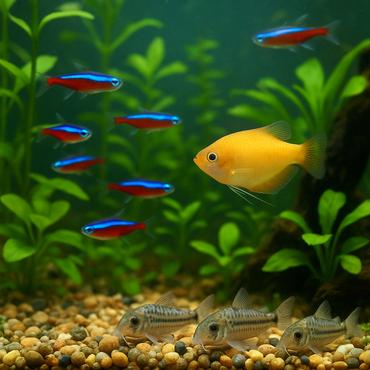
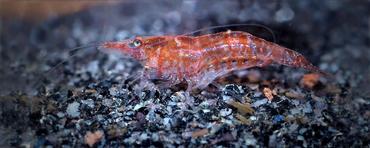
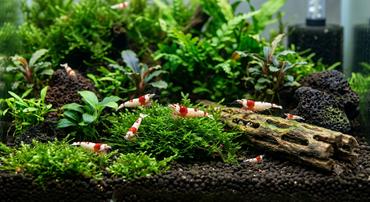
If you insist on a community setup, you must choose "dither fish" that are extremely small and peaceful. Micro-rasboras or small Endlers can work, but even they might be too fast during feeding time. One of the best companions for Elassoma is the Neocaridina shrimp (Cherry Shrimp). The shrimp help clean up the live food that the fish miss, and while the Sunfish may eat the occasional tiny shrimplet, the adult shrimp are far too large to be bothered. This creates a functional, miniature ecosystem. For more ideas on peaceful inhabitants, see our list of top 10 beginner-friendly freshwater fish, though always cross-reference their temperature needs with the Sunfish’s temperate requirements.
Care considerations for a colony include:
- Male to Female Ratio: Aim for one male to every two or three females. This prevents a single female from being harassed during the male's constant courtship attempts.
- Observation Time: Because they are small and prone to hiding, you must spend time daily ensuring everyone is coming out to eat.
- Seasonal Cycling: If you want to breed them, allowing the tank temperature to drop to the low 60s for a few weeks in winter followed by a gradual warming and heavy feeding in spring will trigger massive spawning events.
- Fry Care: The parents generally do not eat their eggs or fry if they are well-fed, meaning a colony can slowly grow in size within a single heavily planted tank without human intervention.
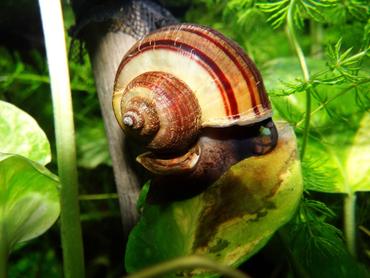
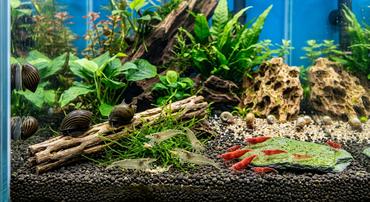
- Avoid Large Snails: While small snails are fine, large mystery snails can sometimes blunder into the "nesting" areas of the Pygmy Sunfish, causing unnecessary stress to the territorial males.
The Rewarding Path of the Native Fish Keeper
The Everglades Pygmy Sunfish represents a different way of enjoying the aquarium hobby. It isn't about the biggest fish or the brightest neon colors; it's about the subtle beauty of a natural ecosystem and the intricate behaviors of a species that is often overlooked in its own backyard. For the beginner, they offer a lesson in the importance of live food and habitat design. For the intermediate hobbyist, they provide a chance to master the breeding of a species that is as rewarding as any high-end Cichlid.
While they require a bit more work in the kitchen (for their live food) and a bit more patience in their setup, the sight of a pitch-black male Elassoma dancing in a shaft of morning sunlight is one of the most beautiful experiences in the hobby. They remind us that "mighty" isn't about size; it's about the presence and personality of the creature. By following the guidelines for temperate water, dense planting, and live feeding, you can successfully host these Florida natives in your home.
Takeaway: Your Journey with the Pygmy Sunfish
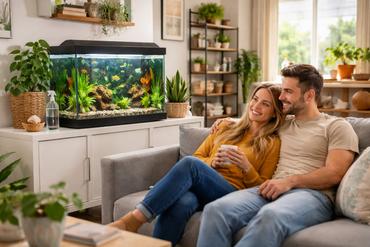
The Everglades Pygmy Sunfish is the perfect candidate for those looking to explore the world of nano-aquariums and North American native fish. They are small, beautiful, and packed with personality. To succeed, ensure you have a plan for live food, a tank filled with live plants, and a commitment to maintaining a stable, temperate environment. These fish aren't just pets; they are a study in micro-ecology. We hope this guide inspires you to set up your own "swamp in a bottle" and witness the magic of the Elassoma for yourself. For more tips on specialized care or to share your own tank photos, continue exploring RateMyFishTank.com and join our community of passionate keepers. Your next aquatic adventure is only an inch long, but it’s ready to make a massive impact on your hobby.
MOST RECENT ARTICLES