KUHLI LOACH CARE GUIDE: TANK SETUP, GROUP SIZE, FEEDING, AND COMPATIBLE TANK MATES
Understanding Kuhli Loaches and Their Group Size
Which Kuhli Loach Are You Buying?
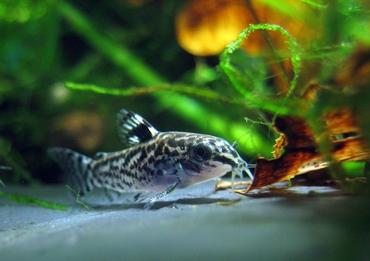
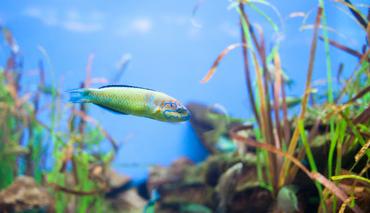
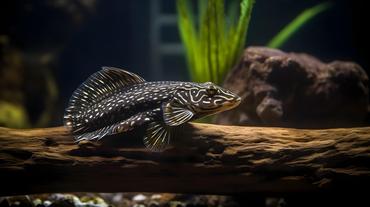
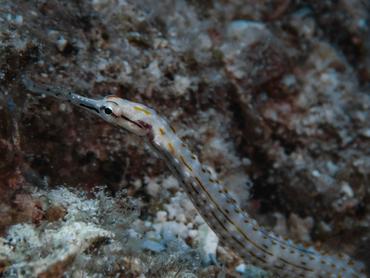
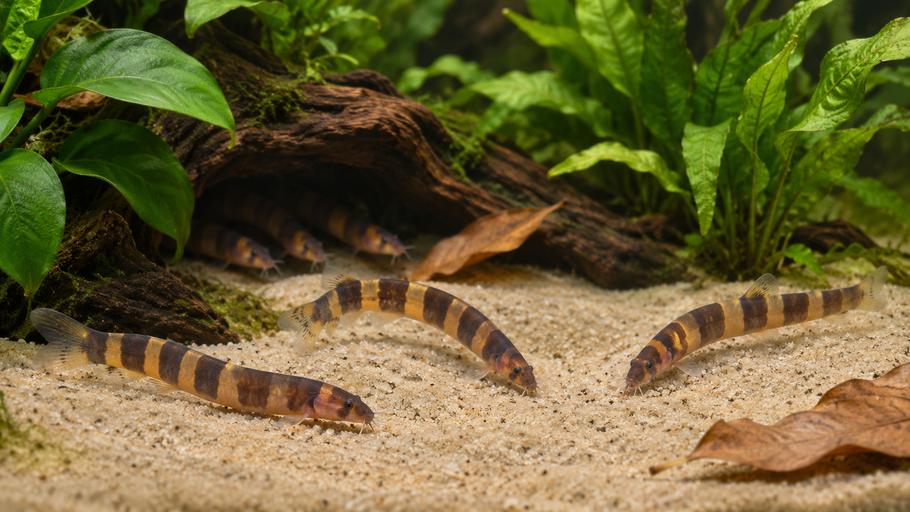
The name kuhli loach covers several slender freshwater fish in the genus Pangio. Many striped specimens sold as Pangio kuhlii are actually Pangio semicincta or related species. Expect common aquarium varieties to reach roughly 3–4 inches, although identification matters when checking adult size and care requirements.
Their whiskerlike barbels help them investigate food around the bottom. These are not eels, and their narrow bodies do not make them suitable for tiny bowls. Think of them as social bottom dwellers that need usable floor space, protected resting places, and deliberate feeding.
Keep at Least Six Together
Plan for at least six kuhli loaches of the same species where identification allows. They do not form the coordinated schools seen in many tetras, but they regularly rest together and benefit from company. Buying one as a cleanup fish overlooks an important part of its care.
Six is a practical starting recommendation, not a guarantee of daytime appearances. A group may remain quiet beneath wood until evening. Avoid removing shelters to force activity; instead, watch feeding areas under subdued light and give newly introduced fish time to establish routines.
Building a Safe Kuhli Loach Tank Setup
Choose Floor Space Before Height
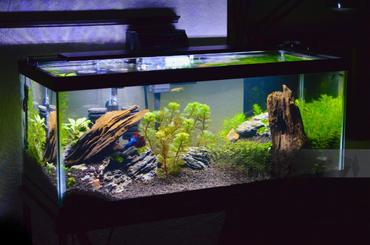
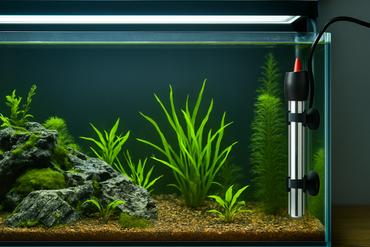
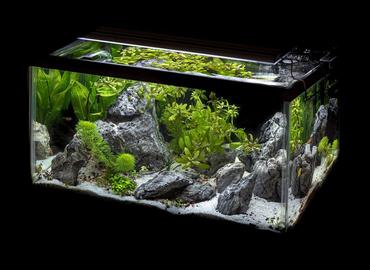
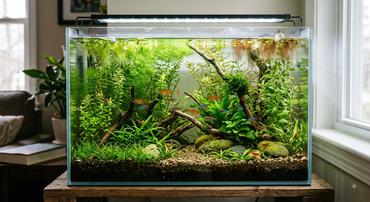
A 20-gallon long aquarium, approximately 30 inches long, is a sensible starting point for six common kuhli loaches and a modest, carefully selected community. Larger tanks offer more flexibility. A tall aquarium with the same volume provides less bottom territory, so compare dimensions rather than gallons alone.
Sketch the layout before buying decorations. Leave an accessible feeding patch near the front, sheltered routes along the sides, and room to clean around equipment. In a small community, one generous loach group and one midwater shoal usually make planning easier than several competing bottom species.
Use Soft Sand and Stable Shelters
Fine, smooth aquarium sand supports natural rooting and occasional burrowing. Avoid sharp gravel, exposed abrasive rock, and decorations with narrow holes that can trap a growing fish. For help comparing materials, read our guide to choosing a freshwater aquarium substrate.
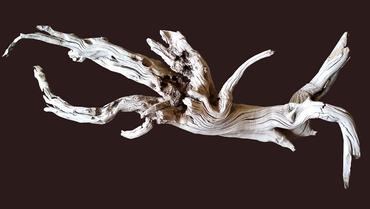
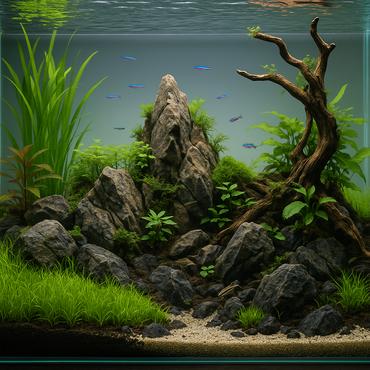
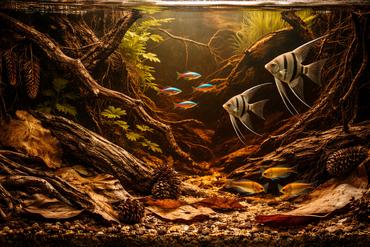
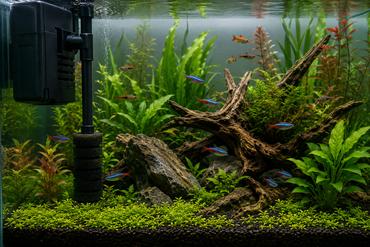
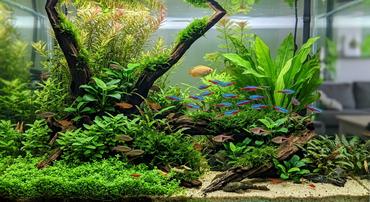
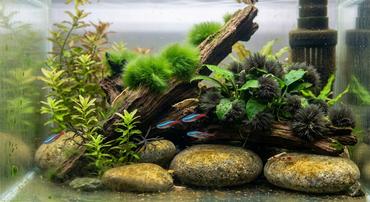
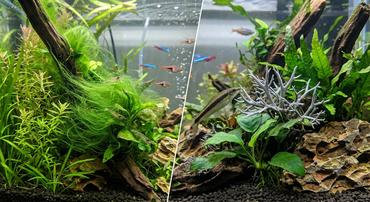
Arrange wood, smooth caves, and plants to create shade without covering every inch of sand. Secure heavy structures before adding loose substrate so digging cannot undermine them. Java fern and anubias attached to wood provide cover without requiring a deep planting bed.
- Rinse inert sand according to the supplier’s instructions before filling the aquarium.
- Provide several shelters so resting and feeding do not depend on one crowded cave.
- Use floating plants or shaded planting areas to soften bright overhead lighting.
- Inspect hollow ornaments for hidden chambers before placing them in the tank.
Keep maintenance access in mind when positioning shelters. A cave beside the front glass lets you check occupancy without lifting the whole aquascape. During water changes, hold the siphon above the sand and watch its opening continuously. Pause if a loach approaches. Never assume a buried fish will move away before you shift a rock or remove a large ornament from the aquarium.
Protect Filters and Escape Routes
Fit a secure lid and close gaps around cables and pipes. Cover filter intakes with suitable sponge guards, and check overflow openings carefully. A loach can enter spaces that look impossibly small. Maintain gentle circulation with surface movement rather than directing a powerful jet across its resting area.
Before cleaning a filter or moving wood, inspect it for hidden fish. Transfer loaches with a smooth container when practical because their small defensive spines can catch in netting. Never squeeze a tangled fish or pull it free by force.
Water Parameters, Routine Care, and Health Safety
Maintain Stable, Suitable Water Chemistry
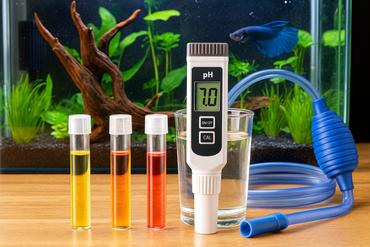
For commonly sold striped kuhli loaches, a practical community target is 75–79°F, approximately 24–26°C, with pH around 6.0–7.0 and general hardness around 3–8 dGH. These are husbandry targets rather than universal limits for every Pangio species. Ask the supplier which fish you are buying and what water they currently inhabit.
General hardness measures dissolved calcium and magnesium, while carbonate hardness indicates buffering capacity. Low buffering can allow pH to fall as acids accumulate. Test your source water before planning a softwater aquarium, and avoid repeatedly adding pH adjusters to chase an exact reading.
- Keep ammonia and nitrite at zero on aquarium tests.
- Aim to keep nitrate below about 20 mg/L as a practical maintenance target.
- Check temperature daily and test water weekly, increasing checks after stocking changes.
- Begin with roughly 25% weekly water changes, adjusting to measured conditions.
Condition replacement water to neutralize chlorine or chloramine and match its temperature reasonably closely. If your tap water is very hard, investigate a consistent remineralized reverse osmosis blend before buying loaches. Pure, unmodified reverse osmosis water lacks the minerals and buffering needed for a predictable community setup.
Record readings alongside feeding amounts and water changes in a simple notebook. A rising nitrate trend tells you more than an isolated result, while changes in pH can reveal a developing stability problem. Clean clogged intake sponges gently in removed aquarium water, and avoid replacing all biological media together. Good maintenance preserves the microorganisms doing the filtration while removing accumulated physical waste from the system.
Cycle First and Quarantine New Arrivals
Kuhli loaches belong in an established, biologically filtered aquarium. Clear water does not prove a tank is cycled. Waste produces ammonia, and established nitrifying microorganisms convert ammonia to nitrite and then nitrate. Verify the aquarium can process its expected waste load before introducing fish.
Quarantine new arrivals separately, using a mature filter, secure cover, and easy shelters. An observation period of about four weeks provides an opportunity to confirm appetite and detect problems, although some infections require longer. Our explanation of setting up and using a quarantine tank covers the basic workflow.
Respond to Symptoms Before Choosing Treatment
Persistent rapid breathing, sores, white spots, or progressive weight loss deserve attention. First check water quality, temperature, and equipment. Correct detectable ammonia or nitrite with conditioned water changes and appropriate filter troubleshooting. Hiding alone is not a diagnosis, especially in a newly introduced group.
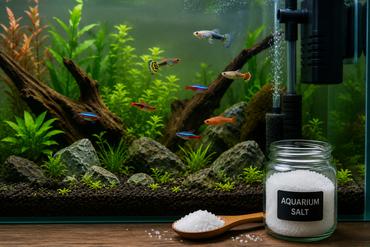
Check medication labels for loach restrictions and seek qualified aquatic veterinary advice when illness is unclear. Do not automatically halve every dose, combine products, or raise temperature without identifying the problem. Avoid routine salt additions; kuhli loaches are freshwater fish, and unnecessary treatment creates additional variables.
Feeding Kuhli Loaches Without Overfeeding the Tank
Deliver Food to the Bottom
Kuhli loaches investigate leftovers, but scraps are not a complete feeding plan. Offer small sinking foods formulated for omnivorous bottom feeders, with suitable animal protein. Rotate occasional portions of frozen daphnia, brine shrimp, or bloodworms for variety rather than using one frozen food as the entire diet.
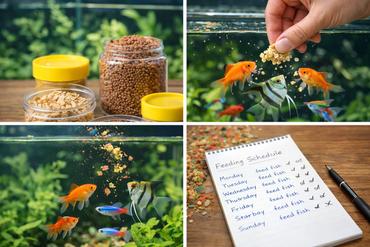
Start with a small daily evening meal. Feed midwater fish first, then place the loaches’ portion near their shelters as the lights dim. A feeding tube or pipette can help deliver suitable food accurately. Observe which foods reach the sand and which disappear into other mouths.
- Distribute food across two or three accessible spots to reduce competition.
- Break large wafers into manageable portions instead of dropping in several whole tablets.
- Remove persistent leftovers and reduce the next portion if food regularly remains.
- Track body condition over time rather than assuming hidden fish are eating.
Establish a repeatable viewing routine before deciding that fish have disappeared. Check the same feeding patch at the same evening hour and compare observations across several days. Photograph visible individuals when possible to follow their condition without catching them. Avoid shining a bright flashlight into every shelter, which can interrupt the quiet behavior you are trying to observe and make feeding checks less useful.
Troubleshoot Thin or Unseen Fish
Consider a planted tank where tetras intercept every flake. The owner adds extra food, yet the loaches remain thin while debris accumulates. The useful adjustment is targeted sinking food after dimming the lights, followed by observation and cleanup, rather than larger daytime meals.
A consistently pinched abdomen or continuing weight loss can indicate inadequate food access or illness. Confirm feeding first and review water tests. If a fish keeps losing condition despite eating, seek diagnostic help instead of assuming parasites and repeatedly dosing the entire aquarium.
Compatibility and Care: Choosing Suitable Tank Mates
Compatibility also depends on how the aquarium operates during meals. Watch whether companions patrol cave entrances, steal every sinking pellet, or repeatedly startle resting loaches. A species can be peaceful yet still dominate access to food. Rearranging feeding locations may solve a mild problem, but persistent exclusion calls for a stocking change rather than accepting that the smallest fish always receive less food.
Harlequin Rasboras
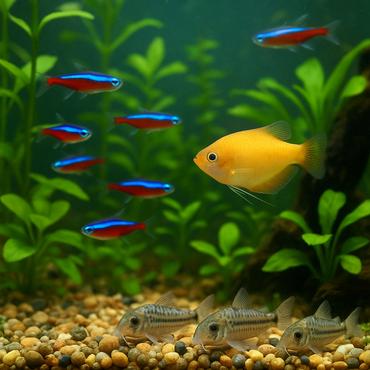
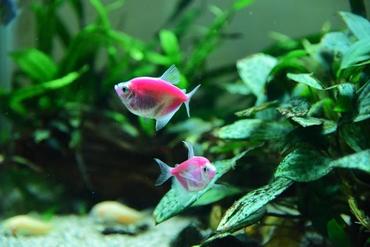
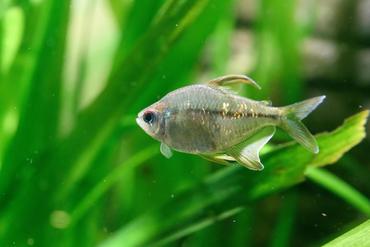
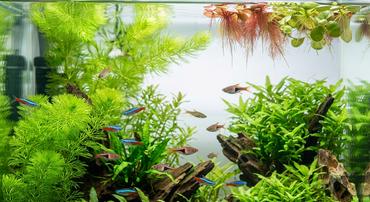
Harlequin rasboras, Trigonostigma heteromorpha, are a strong option for a peaceful planted community. Their usual temperature and water chemistry requirements overlap with the targets above, and they primarily occupy the middle water. Keep a proper group, preferably eight or more where space permits, and preserve open swimming room.
For example, six kuhli loaches and a modest harlequin shoal can form the core of a carefully maintained 20-gallon long. Treat this as a planning example rather than a universal stocking allowance. Filtration, adult fish size, planting, and feeding access still determine whether the community works.
Cardinal Tetras
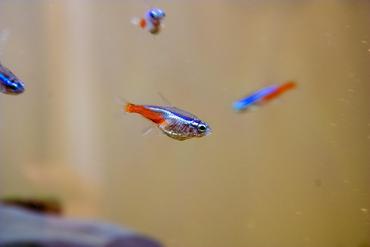
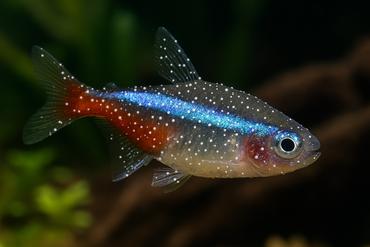
Cardinal tetras, Paracheirodon axelrodi, suit mature aquariums with soft, clean water. Around 77–79°F provides useful temperature overlap with the loaches. Keep them in a shoal rather than adding an isolated pair, and choose sufficient tank length for the complete community.
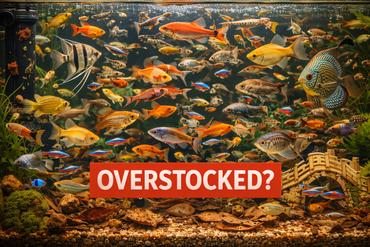
Choose either cardinals or harlequins as the main shoaling species in a smaller setup. Adding both groups simply because each fish is small can crowd the aquarium and complicate feeding. A larger aquarium gives you more room to expand responsibly.
Invertebrates and Combinations Requiring Caution
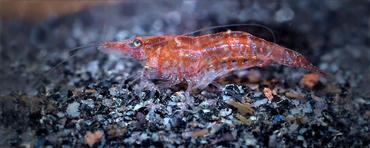
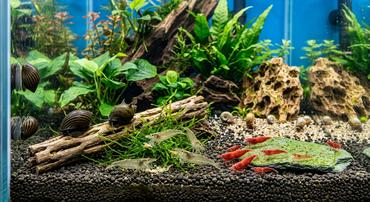
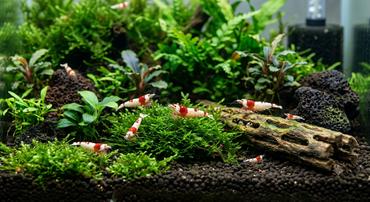
Adult aquarium shrimp can sometimes share space successfully, but very small shrimplets may become food. Kuhli loaches should not be treated as guaranteed safe companions for a shrimp breeding colony. Likewise, they are not dependable pest snail controllers, and eggs or tiny fish fry may be eaten.
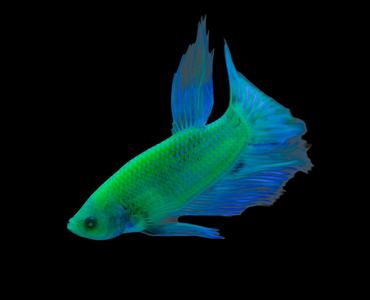
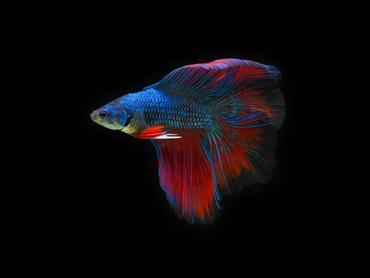
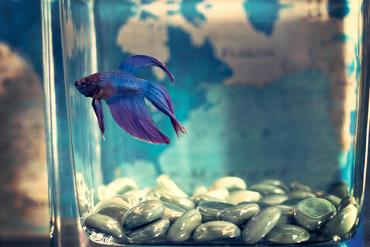
A betta may tolerate loaches, but individual temperament varies, so have a separation plan. Avoid large predatory fish, territorial cichlids, crayfish, and persistent bottom harassers. Research any additional catfish or loaches individually because peaceful labels do not eliminate competition for food and shelter.
Before adding another species, ask whether the current fish have enough room to behave normally. Can the shoal swim freely, can every loach feed, and can you maintain the tank without dismantling its shelters? These practical questions make a stronger stocking checklist than matching colors or adding fish to fill every visible layer. Leave room for adult growth and for straightforward maintenance as your aquarium matures over time.
Takeaway: Build Around the Loaches’ Needs
Successful kuhli loach care combines a suitable group, soft sand, protected equipment, stable water, and meals that actually reach the fish. Start with six, design the bottom before choosing tank mates, and make evening observation part of your routine. Explore more RateMyFishTank freshwater guides, and share your group size, favorite shelters, or feeding tips with fellow hobbyists. Your next improvement can start with tonight's feeding and observation.
MOST RECENT ARTICLES