ECO-FRIENDLY AQUARIUM GUIDE: ENERGY-SAVING GEAR AND RESPONSIBLE STOCKING
The Foundations of the Eco-Friendly Aquarium
Creating a sustainable aquarium starts with a shift in mindset. Instead of viewing the tank as a high-maintenance piece of furniture, think of it as a closed-loop ecosystem. Every watt of electricity, every gallon of water, and every pinch of food has an origin and an impact. For the beginner, the easiest way to start is by focusing on the "Three Rs" of aquarium sustainability:
Reduce energy consumption
Reuse wastewater for gardening
Research livestock sources
By prioritizing these areas, you can create a display that is as kind to the planet as it is beautiful to look at.
One of the most overlooked aspects of sustainability is the tank itself. Glass is generally more eco-friendly than acrylic because it is more durable over the long term and doesn't scratch as easily, meaning it won't need to be replaced as often. Furthermore, the size of the tank plays a role. While it might seem counterintuitive, a slightly larger tank (20 to 40 gallons) is often more "eco-friendly" than a tiny 5-gallon nano tank because the larger volume of water is more chemically stable, requiring fewer water changes and fewer chemical interventions to keep the fish healthy.
Energy-Efficient Filtration and Heating Solutions
The life-support systems of your aquarium—specifically the filter and the heater—are the primary consumers of electricity. While these components must run 24/7, there are several ways to optimize their performance to reduce energy consumption without compromising water quality.
- Choose DC Pumps: Traditional AC pumps run at a fixed speed and can be energy hogs. Modern DC (Direct Current) pumps are highly adjustable and significantly more efficient, often using 30-50% less power while providing superior flow control.
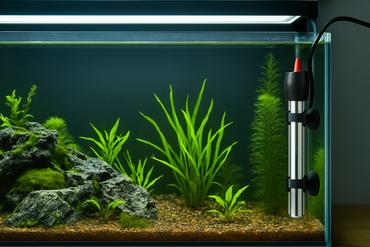
- Right-Size Your Heater: A common mistake is using a heater that is either too small, causing it to run constantly, or excessively large. Aim for 3-5 watts per gallon. To save energy, consider insulating the back and sides of your tank with thin foam board to prevent heat loss.
- Canister Filter Efficiency: Large canister filters often provide better biological filtration per watt than multiple small hang-on-back filters. Look for models with high-efficiency motors designed for continuous operation.
- Regular Maintenance: A dirty filter impeller or a clogged sponge forces the motor to work harder, consuming more electricity. Keeping your gear clean ensures it operates at peak efficiency.
Heating is particularly demanding. In many households, the aquarium heater is the single largest contributor to the hobby's carbon footprint. You can mitigate this by keeping your aquarium in a room that is already kept at a stable, warm temperature. Even a 2-degree difference in the ambient room temperature can significantly reduce the workload on your aquarium heater. For more information on setting up your initial system, check out our guide on essential aquarium equipment.
Sustainable Lighting for Planted and Reef Tanks
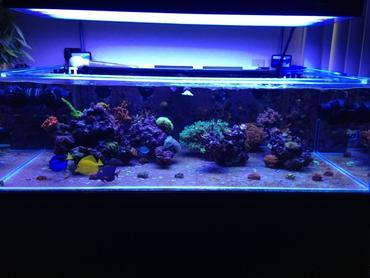
Lighting is often the most expensive component of a high-tech aquarium, especially for those keeping live plants or corals. However, the shift from T5 fluorescent and metal halide bulbs to LED technology has revolutionized energy savings in the hobby. LEDs (Light Emitting Diodes) provide the same PAR (Photosynthetically Active Radiation) needed for growth while using a fraction of the wattage.
To maximize sustainability, implement a strict lighting schedule using a digital timer. Most tropical fish and plants only require 8 to 10 hours of light per day; exceeding this not only wastes energy but also encourages excessive algae growth. Many modern LED fixtures also offer "sunrise and sunset" features, which are not just aesthetically pleasing but also reduce the total energy used by gradually ramping the intensity up and down rather than running at 100% capacity all day.
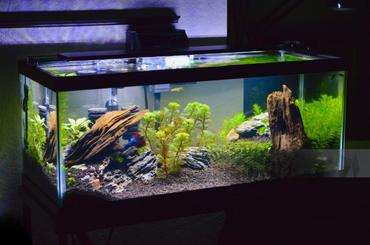
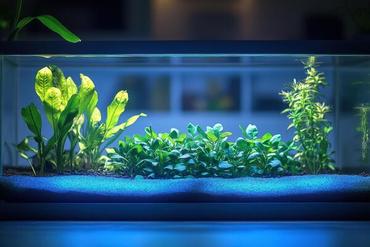
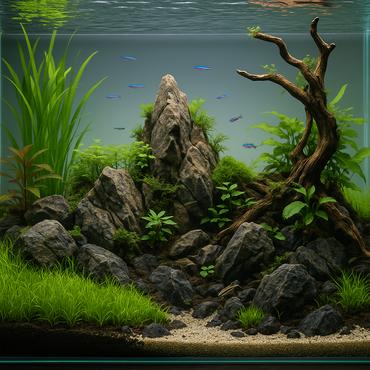
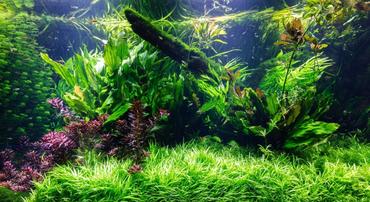
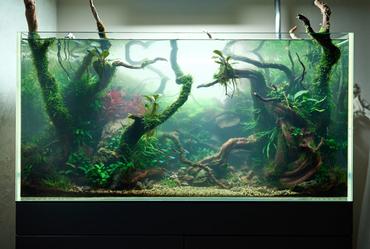
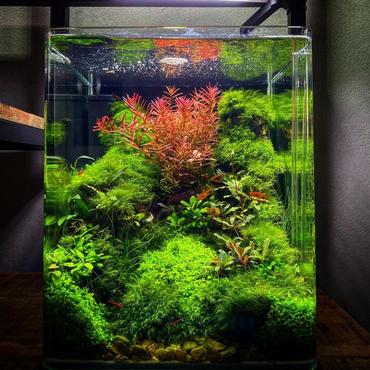
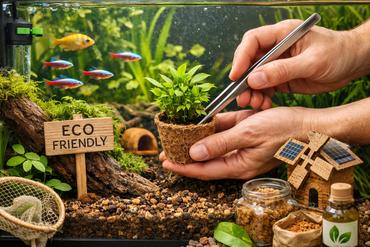
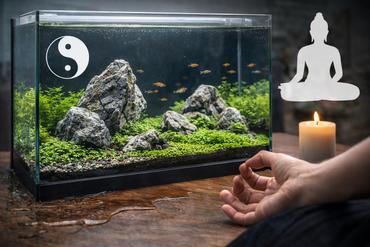
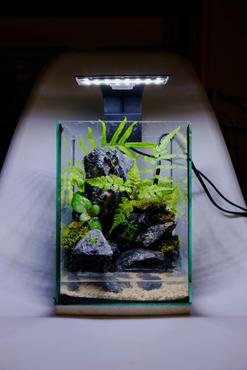
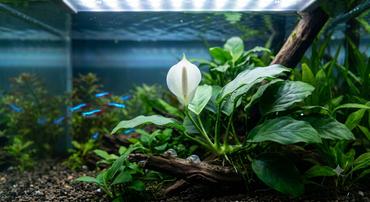
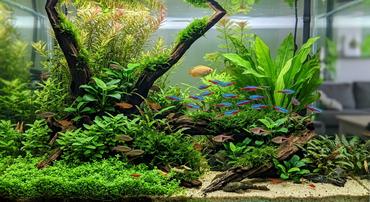
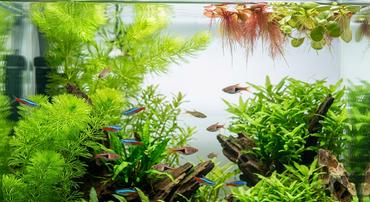
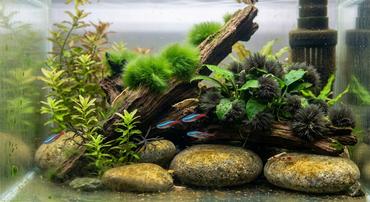
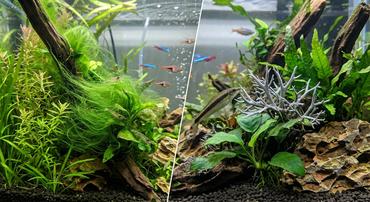
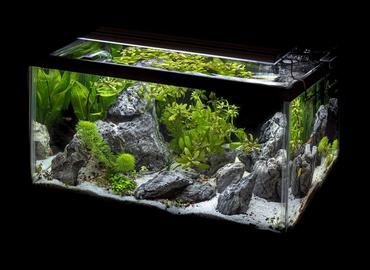
For those looking to go the extra mile, consider "low-tech" planted tanks. Species like Anubias, Java Fern, and Cryptocoryne thrive in low-light conditions and do not require CO2 injection systems. These setups are the pinnacle of eco-friendly fish keeping because they require less equipment and lower wattage to look stunning. By choosing plants that grow slowly, you also reduce the amount of "green waste" produced during pruning.
Responsible Stocking: Tank-Bred vs. Wild-Caught
The ethics of fish keeping begin with where your livestock comes from. Historically, many marine species were harvested using destructive methods like cyanide fishing, which kills surrounding coral reefs. Today, the responsible hobbyist prioritizes captive-bred species whenever possible to ensure that their hobby does not contribute to the decline of natural habitats.
- Captive-Bred Advantages: Fish raised in an aquarium environment are generally hardier, more resistant to common diseases, and already accustomed to eating prepared flakes and pellets. This leads to lower mortality rates for beginners.
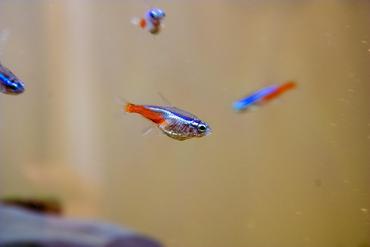
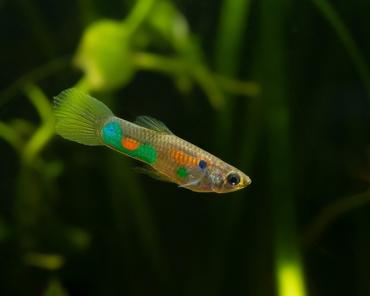
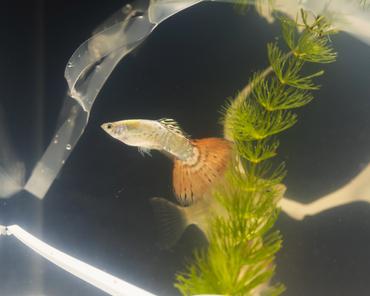
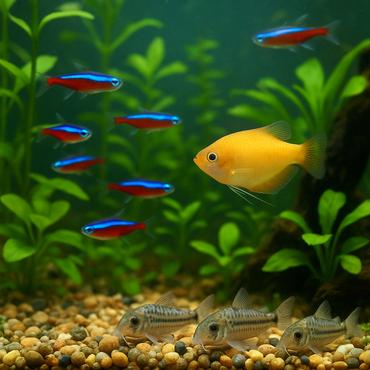
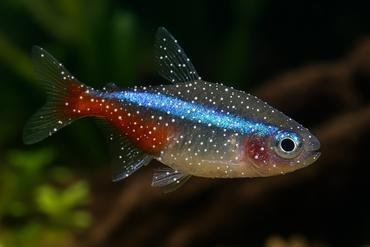
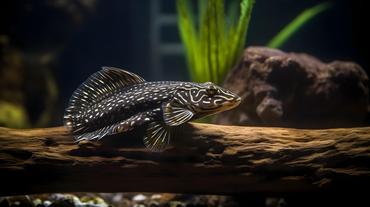
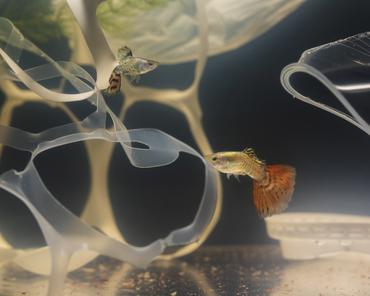
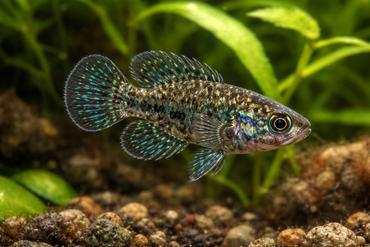
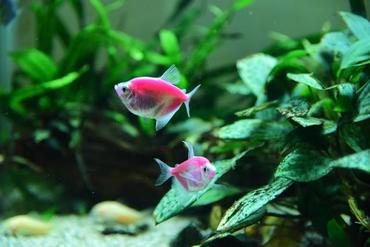
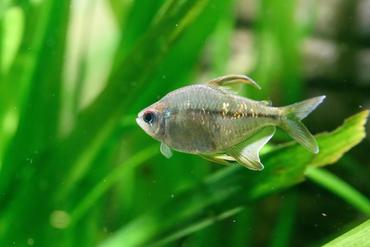
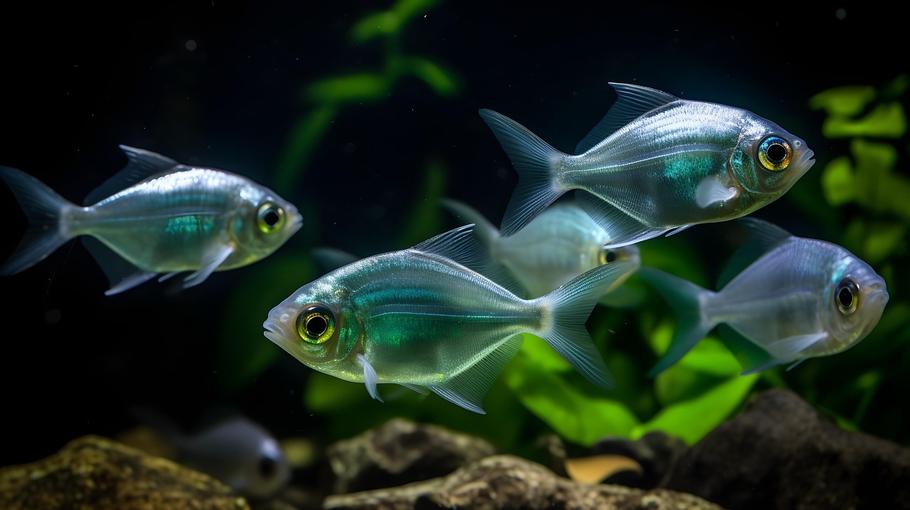
- Sustainable Freshwater Choices: Popular species like Fancy Guppies, Bristlenose Plecos, and various Tetras are almost exclusively captive-bred. Choosing these over rare, wild-caught specimens helps reduce the pressure on natural river systems.
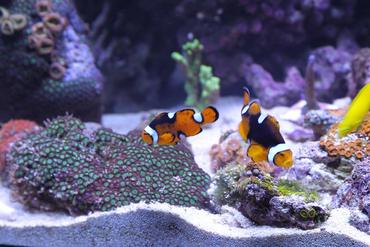
- Marine Success Stories: If you are a saltwater enthusiast, look for tank-raised Ocellaris Clownfish, Orchid Dottybacks, and various species of captive-bred Seahorses. These are far more sustainable than their wild counterparts.
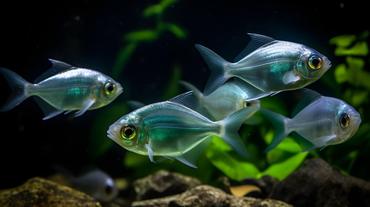
- Avoid "Tank Busters": One of the biggest environmental and ethical failures in the hobby is the purchase of fish that grow too large for the average home aquarium, such as Iridescent Sharks or Redtail Catfish. These often end up being "rehomed" into local waterways, causing ecological disasters.
When you choose your fish, always research their adult size and longevity. A fish that lives for 15 years is a much more sustainable "investment" than a delicate species that may only live for a few months in a home setting. You can find detailed profiles on various species in our freshwater fish database to ensure you are making a responsible choice.
Compatibility and Care for Long-Term Sustainability
An eco-friendly aquarium is a stable aquarium. High turnover in livestock—where fish frequently die and are replaced—is the opposite of sustainable fish keeping. Ensuring compatibility is the best way to prevent stress-related illnesses and aggression, which are the leading causes of fish loss in the hobby.
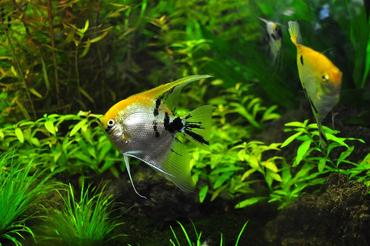
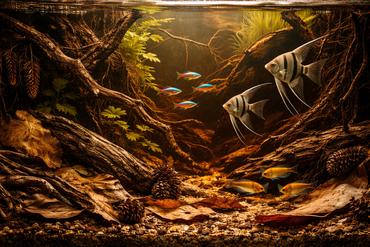
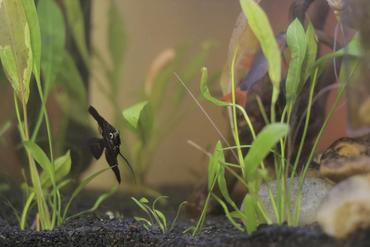
Beginners often make the mistake of mixing "semi-aggressive" fish with peaceful community species. For example, housing Tiger Barbs with slow-moving Angelfish often results in fin-nipping and chronic stress for the Angelfish. A stressed fish has a weakened immune system, leading to the use of chemical medications. These chemicals can be harmful to the beneficial bacteria in your tank and can eventually enter the water supply when you perform water changes.
To maintain a sustainable community, consider the following compatibility rules:
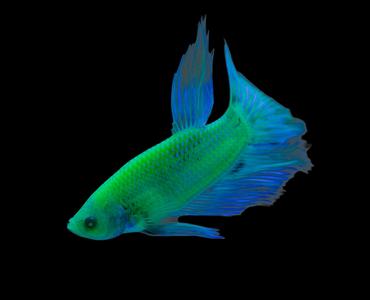
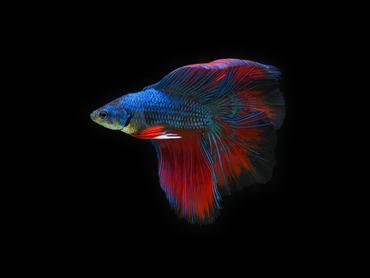
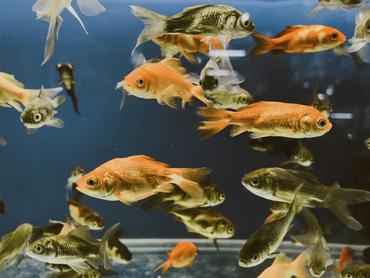
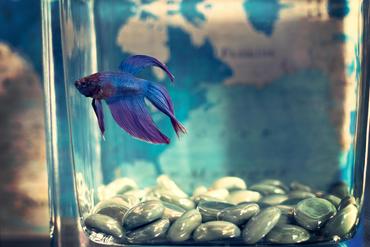
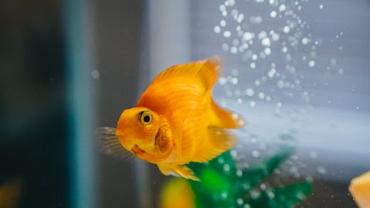
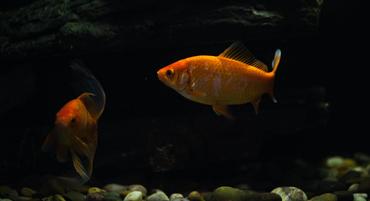
- Temperature Matching: Don't mix cold-water fish like Goldfish with tropical fish like Betta fish. One will always be living outside its ideal metabolic range, leading to a shorter lifespan.
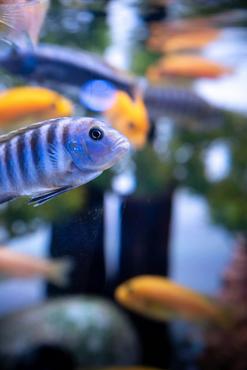
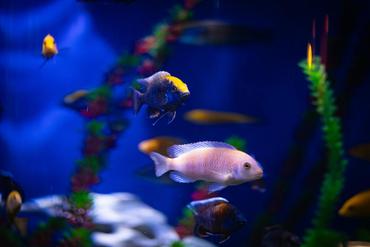
- Water Chemistry: If you have hard tap water, focus on African Cichlids or Livebearers rather than using energy-intensive Reverse Osmosis (RO) units to strip the water for soft-water species like Discus. Matching your fish to your local water chemistry is one of the most effective ways to reduce your environmental impact.
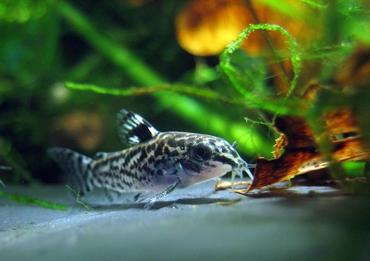
- Space Requirements: Always stock the "bottom, middle, and top" of the tank to reduce territorial disputes. For instance, Corydoras catfish occupy the bottom, Rasboras take the middle, and Hatchetfish stay near the surface.
Reducing Water Waste and Chemical Use
Water conservation is a vital pillar of the eco-friendly aquarium. While regular water changes are non-negotiable for fish health, there are ways to manage the process more responsibly and reduce the volume of water wasted during the maintenance cycle.
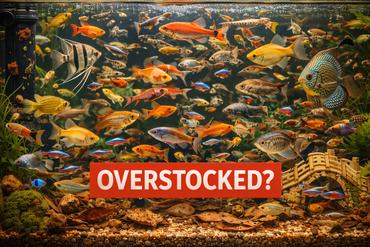
First, consider the "nitrate factory" in your tank. By overstocking or overfeeding, you increase the frequency of water changes required to keep nitrates low. By maintaining a conservative bioload and using a heavy density of live plants, you can create a natural nutrient export system. Plants like Hornwort or Pothos (with roots in the water and leaves outside) are incredible at sucking up nitrates, allowing you to extend the time between water changes significantly.
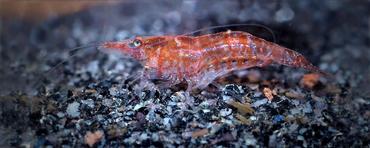
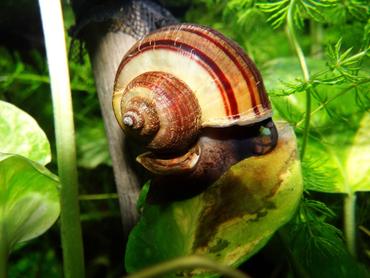
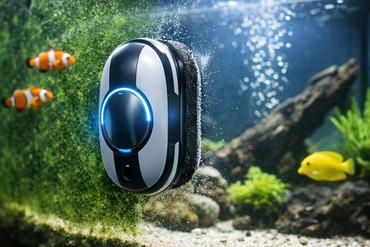
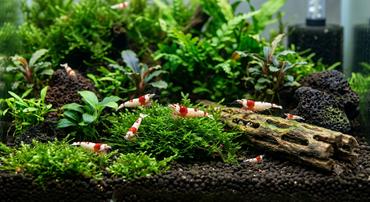
When you do perform a water change, don't just pour the old water down the drain. Aquarium water is rich in nitrogen and phosphorus, making it an excellent organic fertilizer for your houseplants or outdoor garden. Furthermore, try to avoid the "scorched earth" approach to algae. Instead of reaching for chemical algaecides, identify the root cause (usually too much light or excess nutrients) and use biological controls like Amano Shrimp or Nerite Snails to maintain the balance. This keeps your home environment free of unnecessary toxins.
Common Beginner Mistakes to Avoid
Even with the best intentions, many hobbyists fall into traps that hinder their sustainability goals. Awareness of these common errors can save time, money, and livestock, making your hobby more enjoyable and eco-friendly.
- The "Impulse Buy": Buying a fish without researching its needs often leads to a mismatch in temperature or diet requirements, requiring more gear or causing the fish to perish.
- Over-Cleaning: Scrubbing every surface and replacing all filter media at once destroys the biological filter. This leads to ammonia spikes and the need for massive, wasteful water changes to save the fish.
- Leaving Lights On: Many beginners leave aquarium lights on all night as a nightlight. This stresses the fish and consumes unnecessary power. Use a "moonlight" LED setting if you must, but total darkness is better for the animals' natural rhythms.
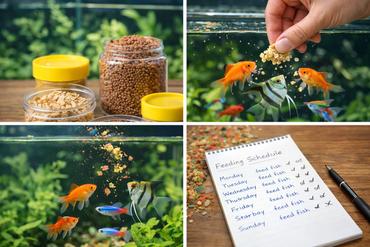
- Using Low-Quality Food: Cheap fillers in low-grade fish food are not easily digested, leading to more waste in the water. High-quality, nutrient-dense food results in healthier fish and cleaner water, which means less filtration effort is required.
Education is the best tool for any hobbyist. Reading up on the nitrogen cycle is the first step toward a self-sustaining, eco-friendly ecosystem that requires fewer interventions and resources. Understanding how bacteria process waste allows you to work with nature rather than fighting against it with expensive gadgets.
Takeaway: Building a Greener Aquatic Future
Adopting an eco-friendly approach to fish keeping is a rewarding journey that benefits your wallet, your pets, and the planet. By prioritizing LED lighting, DC pumps, and insulated tanks, you can significantly cut down on energy consumption. Choosing captive-bred species and matching them to your local water parameters ensures that your hobby does not contribute to the depletion of wild populations or the waste of natural resources. Remember, the most sustainable aquarium is one that is well-planned, lightly stocked, and meticulously maintained for the long term.
Ready to take the next step in your aquarium journey? Start by auditing your current equipment and looking for areas where you can improve efficiency. Whether it is switching to a more sustainable fish food or planting a few extra sprigs of Java Moss, every small change contributes to a healthier global environment. For more expert tips and community inspiration, continue exploring our latest articles and gallery features at RateMyFishTank.com. Share your eco-friendly tank setups with us and inspire others to keep their hobby green!

MOST RECENT ARTICLES