THE HIDDEN WORLD OF MICRO-PREDATORS
The Appeal of Small-Scale Hunters
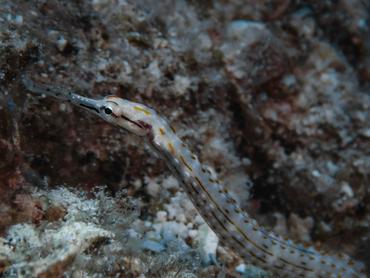
Micro-predators are defined not just by their size, but by their diet and hunting strategies. In the wild, these fish occupy niches where they prey upon "microfauna"—small invertebrates, insect larvae, and tiny crustaceans like daphnia or copepods. For the hobbyist, this means you can observe authentic predatory behavior in a manageable environment. Unlike many community fish that graze on algae or wait for flakes to fall, micro-predators are active seekers. They often possess highly developed eyesight and specialized mouthparts designed for suction or snapping up moving prey.
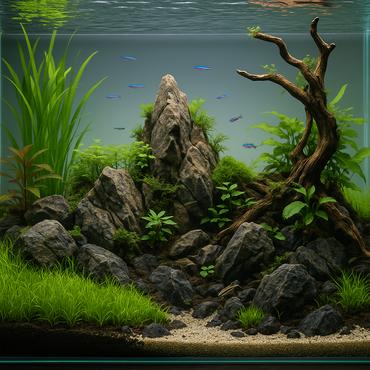
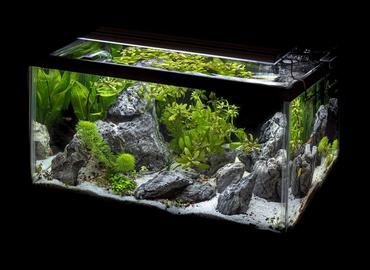
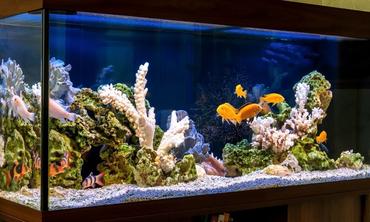
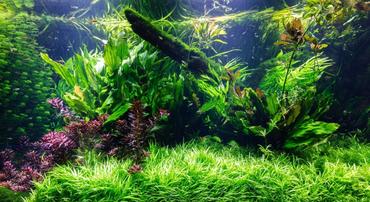
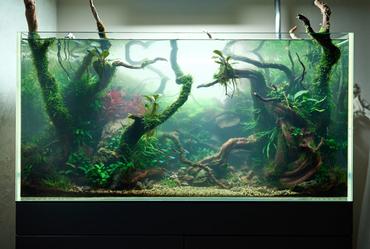
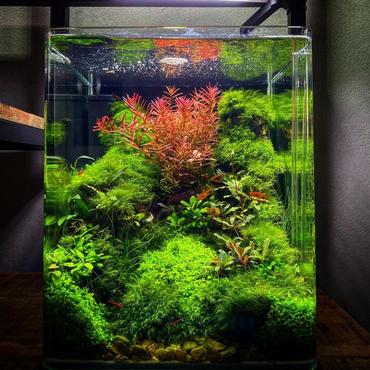
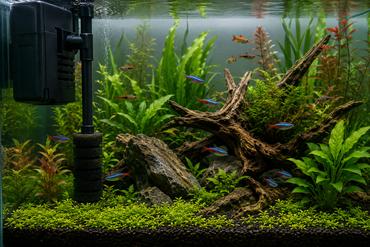
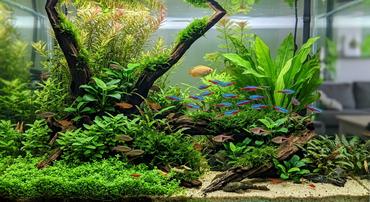
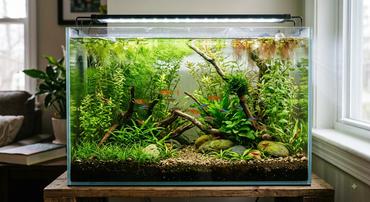
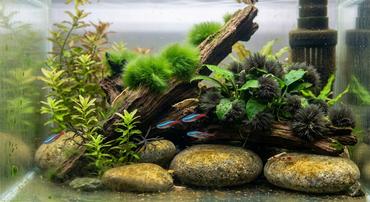
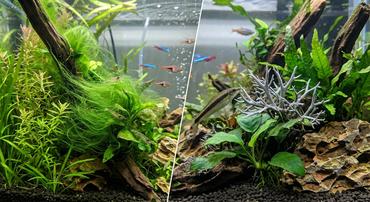
One of the primary benefits of keeping these fish is their suitability for "nano" setups. While a typical predator requires massive filtration and space, many micro-predators thrive in tanks as small as 10 to 20 gallons. This allows keepers to focus on high-detail aquascaping, creating dense jungles of plants or intricate rockwork that mimics the complex environments where these fish naturally hunt. Because they rely on stealth, they are often more comfortable in heavily decorated tanks, which encourages them to display their full range of natural colors and behaviors.
Top Micro-Predator Species for Beginners and Intermediates
Choosing the right species is the first step in successfully entering the world of micro-predators. While some are hardy, others require specific water parameters or live food diets. Here are some of the most popular choices for the home aquarium:
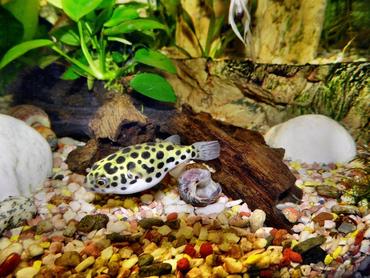
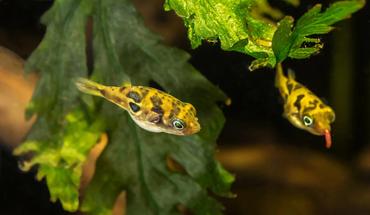
- Dwarf Puffers (Pea Puffers): Perhaps the most famous micro-predator, these tiny puffers are full of personality and hunt snails with clinical precision.
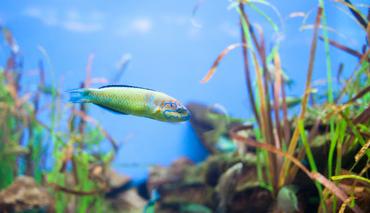
- Badis badis (Dwarf Chameleon Fish): Known for their incredible ability to change color, they stalk the bottom of the tank looking for worms and larvae.
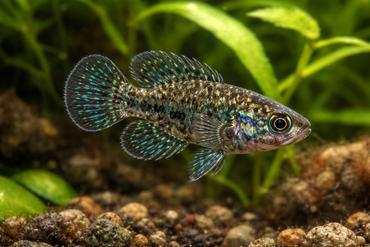
- Scarlet Badis (Dario dario): A stunning, fiery red fish that stays under an inch long but maintains a strictly carnivorous diet.
- Golden Dwarf Cichlids (Nannacara anomala): A slightly larger micro-predator that displays fascinating brood care behaviors while remaining peaceful toward larger tank mates.
- Killifish (various species): Many Killifish are ambush predators in their native puddles and streams, lunging at insects that land on the water's surface.
The Pea Puffer is often the gateway species for many. Unlike their larger marine cousins, they are strictly freshwater but retain the "helicopter" swimming style and independent eye movement that makes puffers so endearing. However, they are notorious for being picky eaters, often refusing anything that isn't moving. If you are considering these, you may want to learn more about breeding live food to ensure they stay healthy and well-fed.
The Art of the Ambush: Behavioral Observations
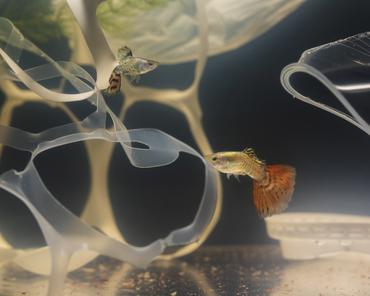
Watching a micro-predator hunt is a lesson in patience. Most of these species do not chase their prey over long distances. Instead, they utilize camouflage and stillness. The Scarlet Badis, for instance, will hover almost motionlessly near a clump of Java Moss, waiting for a micro-worm to wiggle by. When the moment is right, they use a lightning-fast strike that is almost too quick for the human eye to follow. This behavior is a survival mechanism; in the wild, being small means you are also potential prey, so staying hidden while hunting is essential.
Another fascinating behavior seen in micro-predators like the Archerfish (though some species grow larger, the "micro" varieties exist in the hobby) is the use of tools or specialized physics. While true Archerfish shoot water, many micro-cichlids use "suction feeding," where they rapidly expand their oral cavity to create a vacuum, pulling the prey into their mouths. Observing these interactions requires a keen eye and often a bit of "stealth" on the part of the hobbyist—sitting quietly in front of the tank without making sudden movements will reward you with a front-row seat to these miniature dramas.
Feeding Challenges and Nutritional Requirements
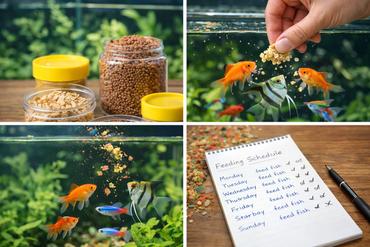
The most common mistake beginners make with micro-predators is assuming they will eat standard fish flakes or pellets. Because their instincts are hardwired to recognize movement, many micro-predators do not initially view "dead" food as a meal. This can lead to starvation if the hobbyist isn't prepared. To succeed, you must be willing to provide a variety of frozen or, ideally, live foods.
- Baby Brine Shrimp: An excellent high-protein snack for almost all small predators.
- Grindal Worms: Easily cultured at home and the perfect size for Badis species.
- Frozen Bloodworms: A staple that many micro-predators can be "trained" to eat over time.
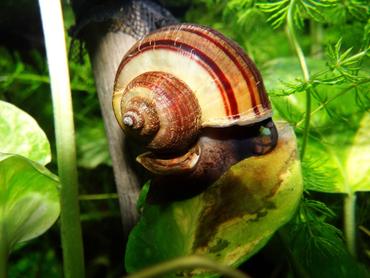
- Live Snails: Essential for Pea Puffers to keep their beaks worn down and provide mental stimulation.
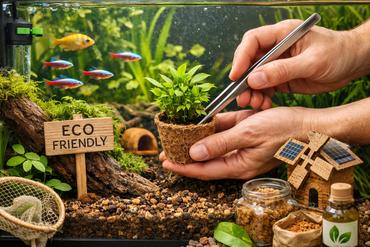
A common technique to transition these fish to frozen food is using a pipette or feeding tongs to wiggle the food in the water current, mimicking the movement of live prey. Over time, many species will learn to recognize the pipette as the "food bringer." For more information on maintaining a balanced diet, check out our guide on properly feeding your freshwater fish to avoid overfeeding and water quality issues.
Compatibility and Care Considerations
Compatibility is the trickiest part of keeping micro-predators. The term "predator" implies aggression, but in this case, it is mostly directed at animals smaller than themselves. However, many micro-predators are also quite shy and can be easily outcompeted for food by fast-moving community fish like Danios or Tetras. If the other fish eat all the food before the slow-moving predator can strike, the predator will eventually waste away.
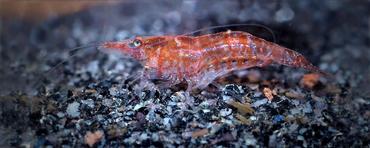
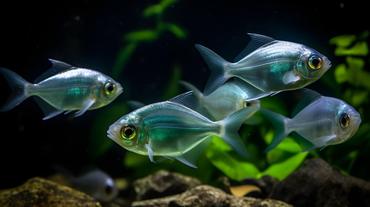
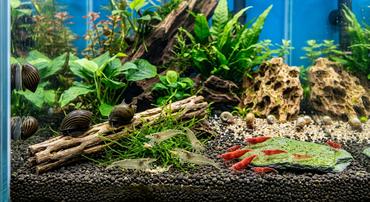
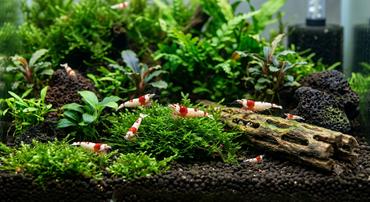
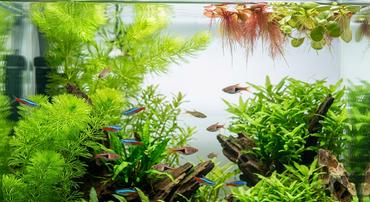
When selecting tank mates, look for "dither fish" that are peaceful and occupy a different level of the tank. For example, top-dwelling Hatchetfish might coexist well with bottom-dwelling Scarlet Badis. Avoid keeping micro-predators with ornamental shrimp like Cherry Shrimp or Crystal Red Shrimp. To a micro-predator, a shrimplet is not a pet—it is a gourmet meal. Even larger shrimp may be picked at until they succumb to stress.
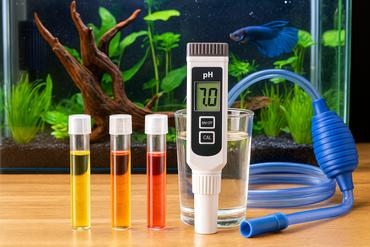
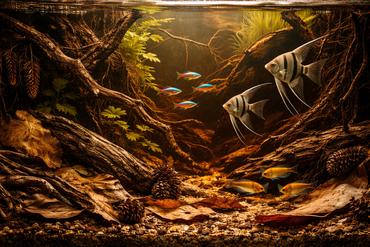
Water quality is also paramount. Because you will be feeding high-protein live or frozen foods, the bioload can increase quickly. Robust filtration and regular water changes are necessary to keep nitrates low. Many micro-predators come from blackwater environments or slow-moving streams, so they prefer stable parameters and low-to-moderate water flow. Maintaining a healthy nitrogen cycle is critical, as these specialized fish are often more sensitive to ammonia spikes than hardy goldfish or platies.
Creating the Perfect Micro-Predator Habitat
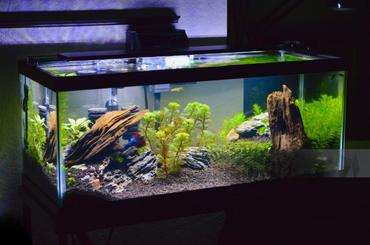
To see the best colors and most natural behaviors, you should "scape" the tank with the hunter's needs in mind. This means providing plenty of line-of-sight breaks. If you have multiple males of a species like the Dwarf Badis, they will establish tiny territories. Without plants, wood, or rocks to break up their view of one another, the dominant male will relentlessly harass the others.
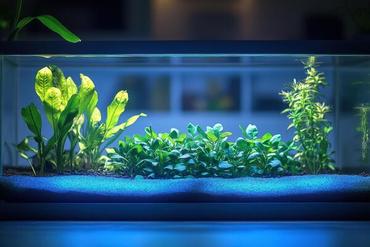
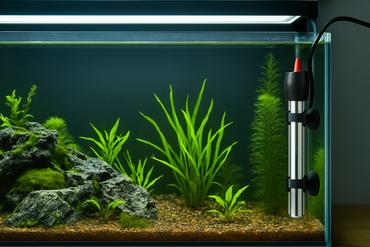
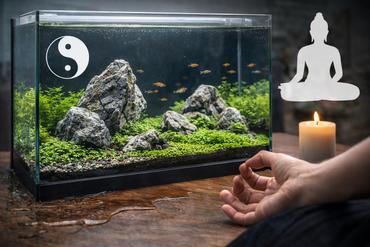
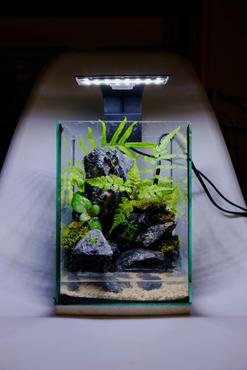
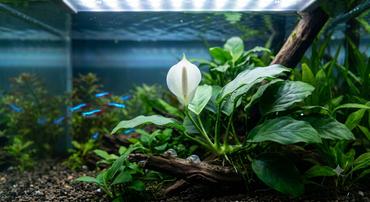
Live plants are highly recommended. Species like Anubias, Java Fern, and various mosses provide hiding spots for the fish and breeding grounds for the micro-crustaceans they like to snack on. Floating plants are also excellent for micro-predators that prefer dimmer lighting, as they help diffuse the bright LEDs often found on modern tanks. A well-planted tank not only looks beautiful but also acts as a biological filter, helping to manage the waste produced by a carnivorous diet.
Takeaway: Embracing the Small and Mighty
The hidden world of micro-predators offers a rewarding challenge for any hobbyist looking to move beyond the standard community tank. These fish require a bit more effort in terms of feeding and tank design, but the payoff is a fascinating glimpse into the complexity of aquatic life. By focusing on species-specific needs and providing a rich, complex environment, you can enjoy the "big predator" experience on a miniature scale.
Ready to start your own micro-predator kingdom? Begin by researching the specific water requirements of your chosen species and ensuring you have a steady supply of live or frozen food on hand. Explore more of our species profiles and tank setup guides to give your new hunters the best home possible. Happy fishkeeping!
MOST RECENT ARTICLES