AI AND SMART TECHNOLOGY IN AQUARIUMS: THE FUTURE OF FISHKEEPING
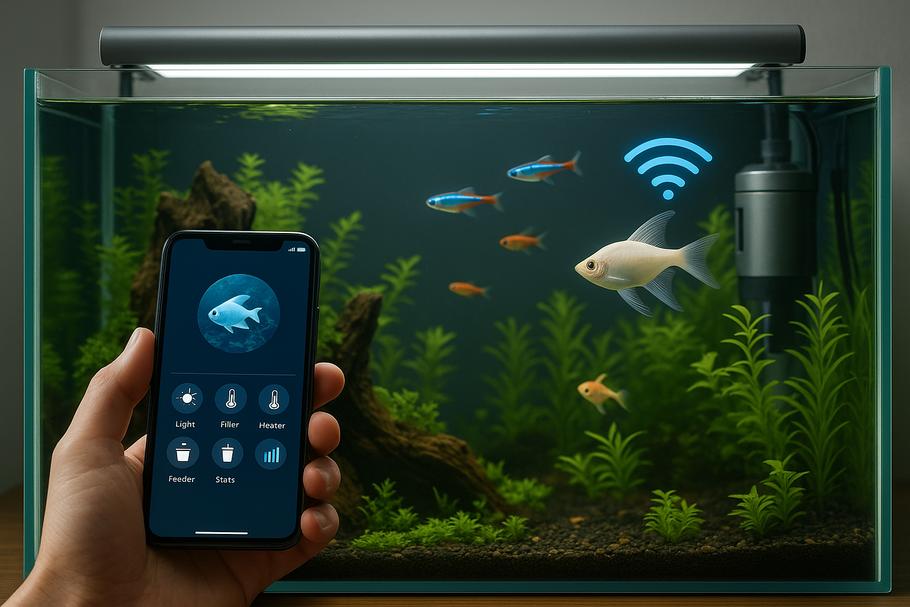
The Evolution of Smart Monitoring: Real-Time Peace of Mind
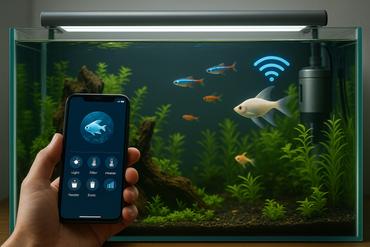
In the traditional hobby, we were "reactive" keepers. We only knew something was wrong when a fish looked ill or the water turned cloudy. AI-driven monitors have turned us into "proactive" keepers. Modern devices like the Seneye or the Neptune Systems Apex ecosystem use a suite of sensors to track everything from ammonia spikes to subtle shifts in oxygen levels.
-
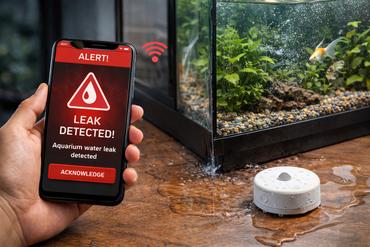
Instant Notifications: Smart monitors connect to your home Wi-Fi, sending push notifications to your phone the second a parameter drifts. For sensitive species like Discus or German Blue Rams, a temperature swing of just a few degrees can be fatal. Smart tech acts as a 24/7 digital sentry.
-
Predictive Analytics: This is where AI truly shines. Advanced systems don't just tell you the current pH; they analyze trends. If your pH is slowly dropping every Tuesday, the AI might identify that it correlates with your heavy feeding schedule, suggesting you increase aeration or adjust your buffer before the fish even feel the stress.
-
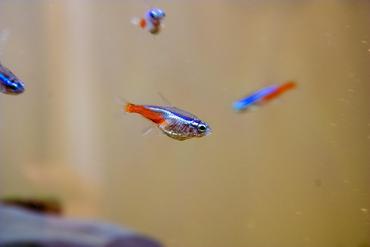
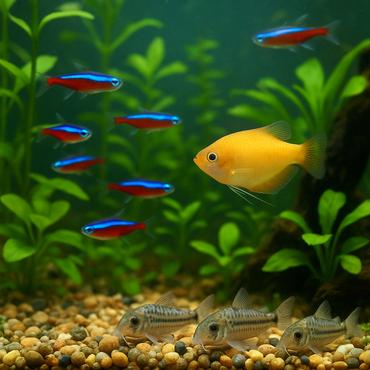
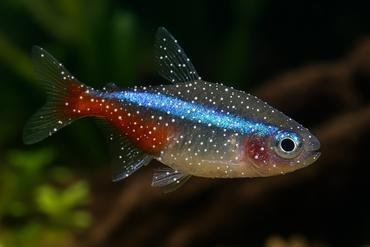
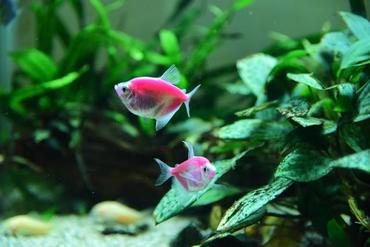
Cloud-Based Data: By comparing your tank's data with thousands of other successful setups in the cloud, AI can offer specific advice. It might suggest, for example, that your Neon Tetras would exhibit better coloring if you adjusted your light spectrum toward the warmer end of the Kelvin scale.
For a deeper dive into the foundation of these parameters, it is essential to understand the nitrogen cycle and your aquarium, as even the smartest AI is simply a tool to help you manage this biological engine.
AI Lighting: Mimicking the Natural World
Lighting is arguably the most complex part of a modern aquarium, especially in high-tech planted tanks or reef setups. Beginners often struggle with "algae soup" because they leave their lights on too long. Smart LED controllers have replaced the simple mechanical timer with sophisticated light cycles.
-
Circadian Rhythms: AI-controlled lights, such as those from EcoTech Marine or Fluval, can simulate the exact light intensity of the Amazon River or a Caribbean reef. They offer gradual sunrise and sunset modes that prevent "light shock." Sudden light changes can cause skittish fish like Rummy Nose Tetras to jump out of the tank.
-
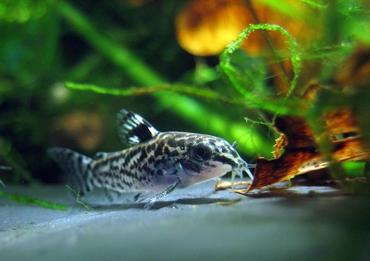
Weather and Lunar Simulation: Beyond aesthetics, simulating cloud cover or moon phases can trigger natural spawning behaviors. Species like Corydoras Catfish are known to react to changes in barometric pressure and light, which smart systems can now emulate.
-
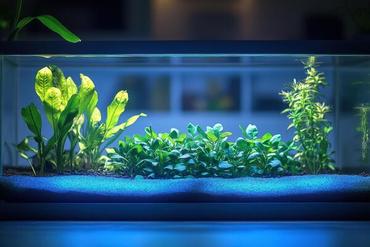
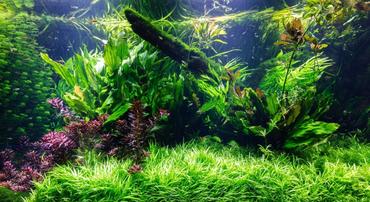
PAR Optimization: For the intermediate hobbyist growing Dwarf Baby Tears or demanding SPS Corals, AI can calculate the Photosynthetically Active Radiation (PAR) at different depths, ensuring your plants get enough energy without fueling an algae breakout.
If you are just starting out with live greenery, check out our recommendations for the best low light aquarium plants that pair perfectly with automated lighting schedules.
Automated Feeding and Machine Learning Nutrition
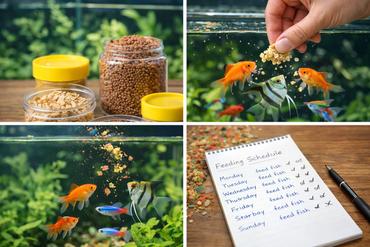
Feeding is the primary cause of tank failure for beginners. The "just one more pinch" mentality leads to excess waste, ammonia spikes, and eventually, fish loss. Smart feeders in 2026 are moving toward visual recognition and machine learning to solve this.
-
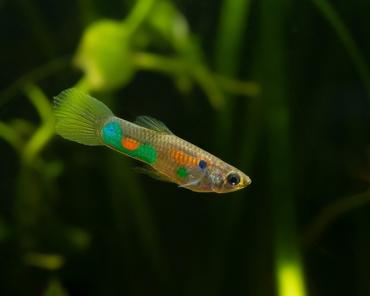
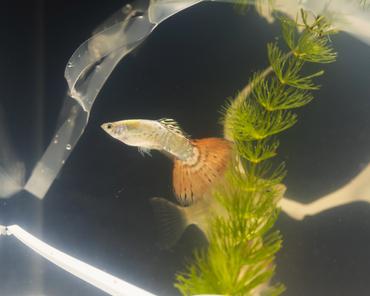
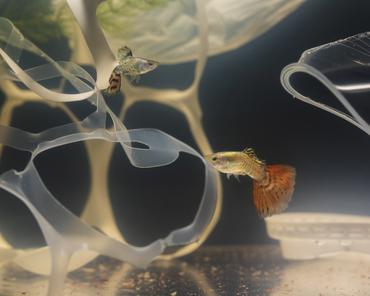
Computer Vision: High-end smart feeders now come with built-in cameras. Using AI, they can recognize when fish are gathered at the surface and dispense food only when they are ready. This is particularly helpful for slow eaters like Fancy Guppies or Honey Gouramis, who might otherwise lose out to more aggressive tank mates.
-
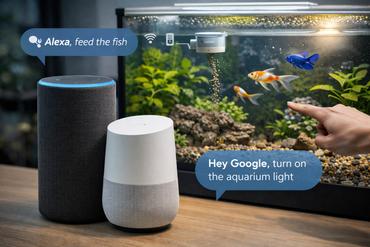
App-Controlled Portions: You can program precise gram-weights of food to be released. If you are away on vacation, you can even manually trigger a feeding while watching a live stream of your fish to ensure everyone is eating.
-
Integration with Filters: A "Smart Feeding Mode" will automatically turn off your wavemakers and filters for 10 minutes when food is dispensed. This prevents flakes from being sucked into the filter, where they rot and cause nitrate issues.
Compatibility, Maintenance, and Care Considerations
While technology is a massive benefit, it introduces a new set of responsibilities. A common mistake is assuming that because a tank is "smart," it no longer needs a human. This is far from the truth. In fact, relying solely on technology without a backup plan is a recipe for disaster.
-
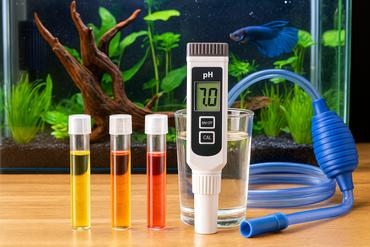
Probe Calibration: Smart monitors rely on physical probes. Over time, these probes get covered in biofilm or calcium deposits. A pH probe that hasn't been calibrated in three months might give a false reading, causing your automated CO2 system to gunk up your tank. Monthly manual calibration is a non-negotiable part of smart tank maintenance.
-
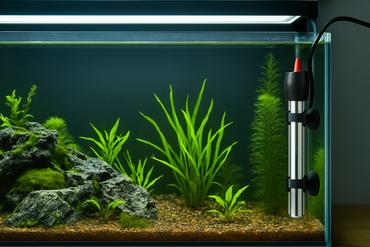
Redundancy: Never trust a single piece of tech with the lives of your fish. If you use a smart heater, always have a secondary, "dumb" thermometer inside the tank for a quick visual check. Equipment can glitch; your eyes are the final line of defense.
-
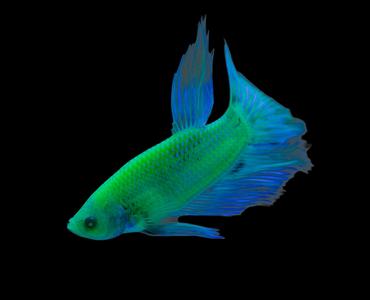
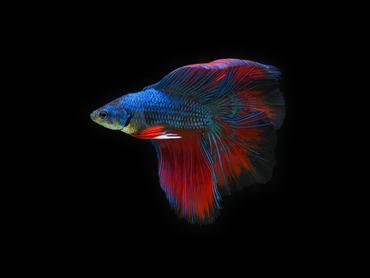
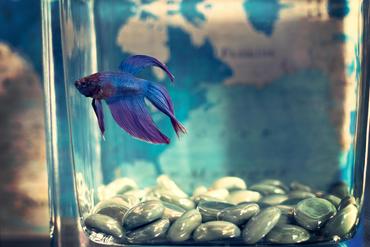
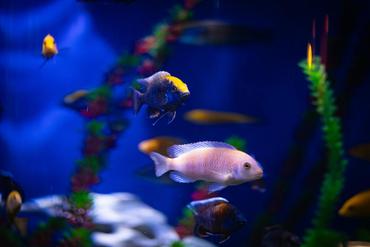
Species Specifics: Some technology isn't suitable for all fish. For instance, high-flow smart wavemakers are great for African Cichlids, but they can be dangerous for long-finned species like Betta Fish or Fancy Goldfish if the intake isn't properly shielded.
Proper maintenance also involves understanding your filtration. Even with AI, you still need to get your hands wet occasionally. Our guide to aquarium filtration basics will help you understand what your smart sensors are actually measuring.
The Impact of Smart Technology on Fish Health and Behavior
The true goal of AI in our hobby is to reduce stress. In the wild, fish live in environments with massive water volumes where parameters change very slowly. In an aquarium, everything happens fast. Smart technology acts as a buffer, slowing down those changes and providing the stability fish need to flourish.
Intermediate hobbyists often notice that with the introduction of smart controllers, their fish exhibit more "natural" behaviors. Cardinal Tetras will school more tightly when light transitions are smooth, and Cichlids show better parental care when the temperature is kept within a fraction of a degree. By removing the "human error" of inconsistent feeding or light cycles, we allow the fish's natural instincts to take center stage.
However, a beginner mistake is "tinkering" too much. Just because you can change your tank's settings from your phone at 2:00 AM doesn't mean you should. Stability is the most important parameter in any tank, and the best use of AI is to maintain that stability, not to constantly chase "perfect" numbers.
Robotic Maintenance: The End of the Scraper?
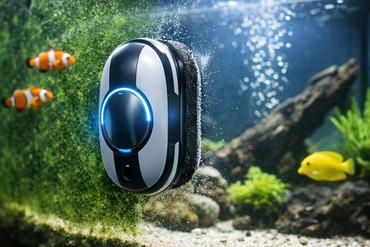
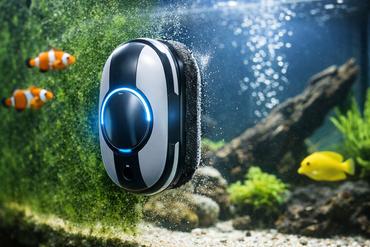
Cleaning the glass is the chore most hobbyists dread. Enter the AI-powered glass cleaner. These are essentially "Roomba for your fish tank." Using sensors to map the surface of the glass, they can navigate around corals and plants to keep the viewing pane crystal clear.
-
24/7 Cleaning: By cleaning the glass daily, these robots prevent tough coralline algae or green spot algae from ever gaining a foothold.
-
Safety Features: Modern versions use AI to detect obstacles. If a snail is in the way, the robot will wait or move around it, preventing the dreaded "snail-grind" that can scratch acrylic tanks.
-
Water Changes: While not yet fully "robotic" for the average home, smart Auto Top-Off (ATO) and Auto Water Change (AWC) systems are the closest we have. They use optical sensors to detect evaporation and can be programmed to swap out 1% of your water daily, mimicking the constant refresh of a natural stream.
The Future: AI as a Diagnostic Tool
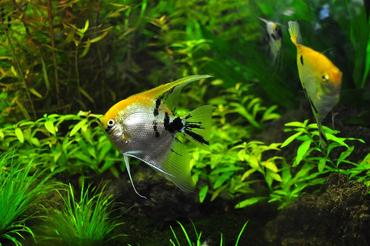
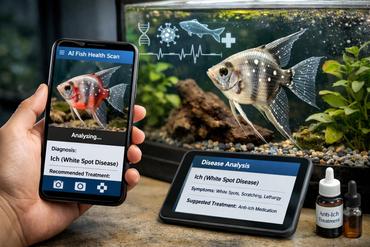
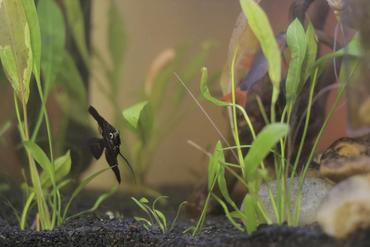
Looking ahead, the most exciting frontier is AI-driven disease diagnosis. Imagine taking a 10-second video of your Angelfish on your smartphone and having an app analyze its swimming pattern and skin texture to diagnose Ich or Velvet before the spots are even visible to the naked eye. We are already seeing the beginning of this with "Fish Health AI" agents that can identify symptoms from photos.
This level of tech will lower the barrier to entry for the hobby significantly. Instead of spending years learning to spot the subtle signs of illness, a beginner can receive an alert saying: "Your Platy is lethargic and showing signs of a bacterial infection. Increase temperature to 80°F and check your nitrate levels." This doesn't just save fish; it keeps new hobbyists from getting discouraged and quitting the hobby after their first setback.
Takeaway: Is a Smart Aquarium Right for You?
The future of fishkeeping is undeniably digital, but the heart of the hobby remains the same: a love for the underwater world. Smart technology and AI are best viewed as "safety nets" rather than "autopilots." They allow us to push the boundaries of what is possible in a home aquarium, keeping more delicate species and growing more difficult plants with a higher success rate than ever before.
If you are ready to start your journey into smart fishkeeping, begin with a single point of failure—the heater. Investing in a smart temperature controller is the single most effective way to protect your investment. From there, you can expand into lighting, feeding, and full system integration. The goal is to spend less time working on your tank and more time enjoying the serene beauty of the life within it. Are you ready to see what the future of fishkeeping looks like in your own home? Explore our latest reviews on smart controllers and automated systems to find the perfect fit for your aquatic family.

MOST RECENT ARTICLES