URBAN FISH FARMING (AQUAPONICS 2.0)
Understanding Aquaponics 2.0: The Evolution of Fishkeeping
At its core, aquaponics is a symbiotic system where fish, plants, and beneficial bacteria work together. Fish produce waste in the form of ammonia, which is converted by nitrifying bacteria into nitrites and then nitrates. These nitrates act as nutrients for plants, which absorb them and, in turn, help purify the water for the fish.
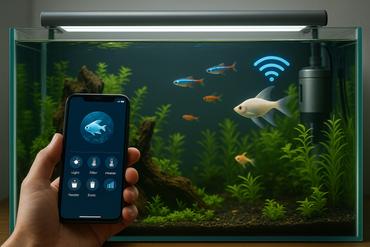
Aquaponics 2.0 builds on this concept by introducing modern improvements such as compact designs, automated pumps, smart sensors, and optimized grow beds. These systems are specifically designed for urban environments, making them ideal for hobbyists with limited space.
If you’re already familiar with aquarium basics, you’ll notice that aquaponics heavily relies on principles explained in the nitrogen cycle explained. The difference is that instead of removing nitrates through water changes, you’re putting them to good use by growing plants.
This closed-loop system reduces waste, conserves water, and creates a more natural environment for fish. It’s not just about keeping fish alive—it’s about building a balanced ecosystem.
Why Urban Aquaponics Is Gaining Popularity
Urban fish farming has seen a surge in interest, especially among hobbyists who want more than just a traditional aquarium. Aquaponics offers both aesthetic and functional benefits, making it an appealing upgrade for fishkeepers of all experience levels.
One of the biggest advantages is sustainability. Unlike standard aquariums that require frequent water changes, aquaponics systems recycle water continuously. This significantly reduces water waste while maintaining excellent water quality.
- Combines fishkeeping with home-grown food production
- Reduces maintenance through natural filtration
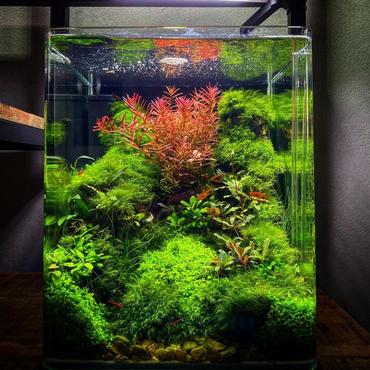
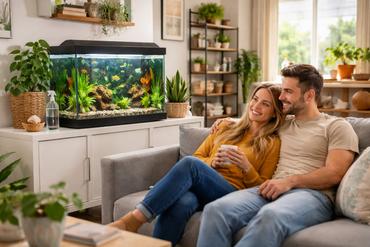
- Creates a visually unique and engaging display
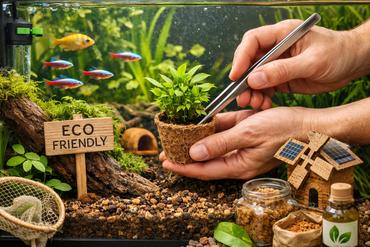
- Encourages eco-friendly and sustainable living
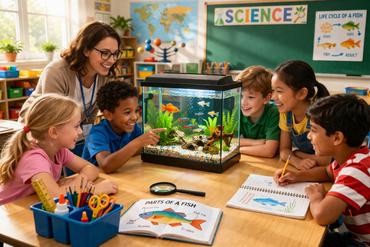
- Provides educational value for families and children
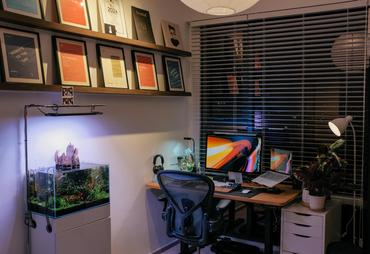
For example, a hobbyist living in an apartment can grow basil, mint, or even small leafy greens directly above their aquarium. Not only does this enhance the look of the setup, but it also adds a functional element that traditional tanks lack.
Additionally, aquaponics systems often result in healthier fish. Because plants actively remove excess nutrients, water conditions tend to be more stable, reducing stress and disease risk.
Choosing the Right Fish for Your Aquaponics System
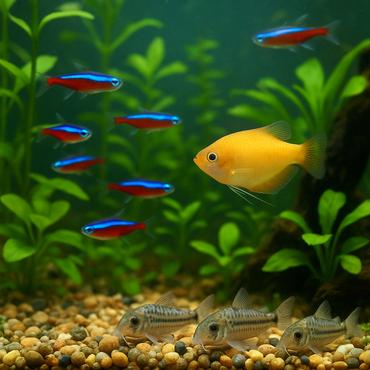
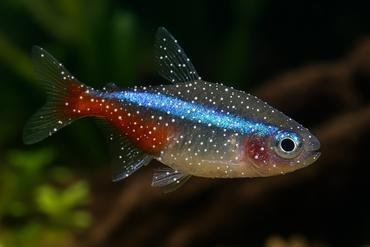
Selecting appropriate fish species is one of the most important decisions when setting up an aquaponics system. Not all fish are suitable, especially in smaller urban setups where space and environmental stability may be limited.
Beginner-friendly fish are typically hardy, adaptable, and tolerant of minor fluctuations in water parameters. Here are some of the best choices:
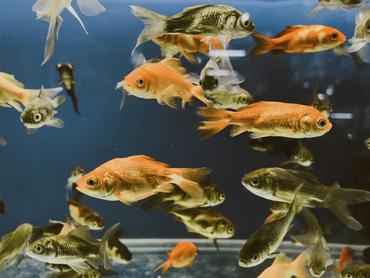
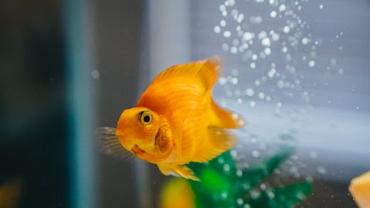
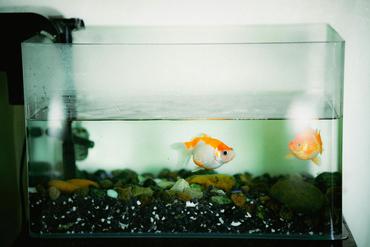
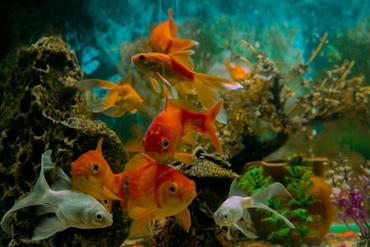
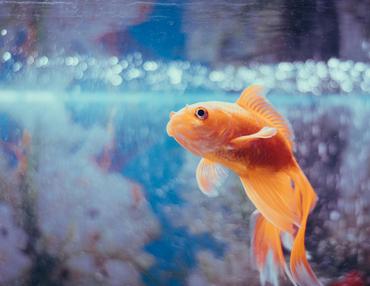
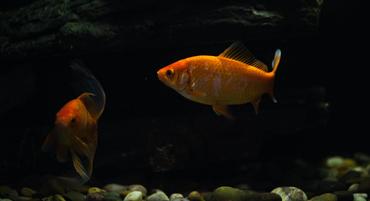
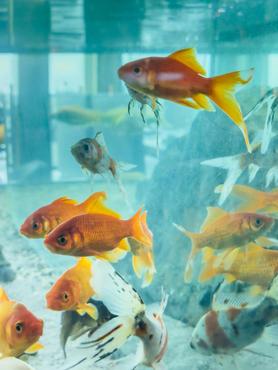
- Goldfish: Extremely hardy and ideal for beginners; they produce plenty of waste to feed plants
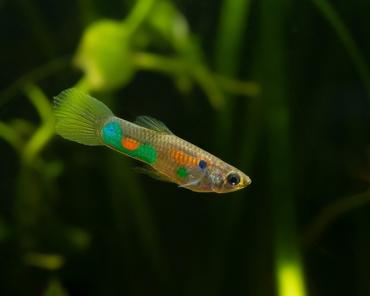
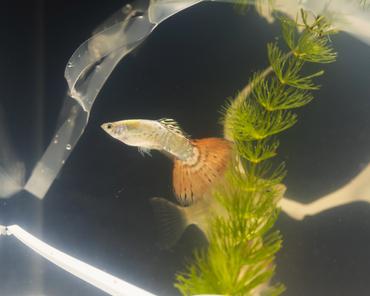
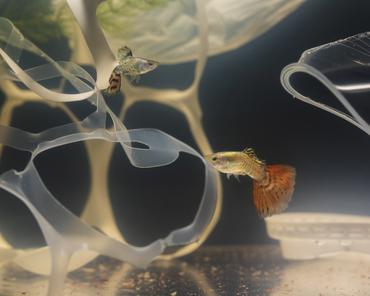
- Guppies: Small, colorful, and easy to care for; perfect for nano systems
- Mollies: Versatile fish that adapt to a wide range of conditions
- Tilapia: A favorite in large systems due to rapid growth and resilience
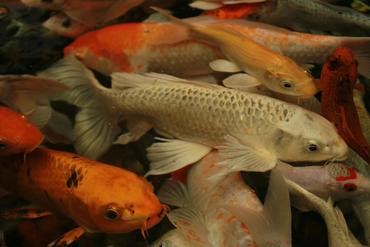
- Koi: Suitable for outdoor or large indoor aquaponics setups
Goldfish are often the go-to choice for beginners because they are forgiving and thrive in a variety of conditions. Livebearers like guppies and mollies are also excellent options for smaller tanks.
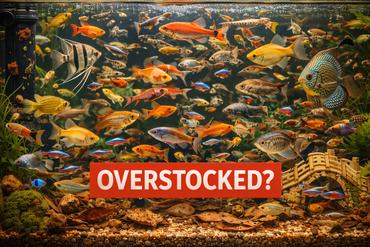
When stocking your system, it’s important to avoid overcrowding. Overstocking can lead to excessive waste, which may overwhelm the system if plants cannot absorb nutrients quickly enough. If you’re unsure how many fish to add.
Another key consideration is temperature compatibility. For example, tilapia prefer warmer water (around 75–85°F), while goldfish do better in cooler conditions. Mixing incompatible species can lead to stress and poor system performance.
Setting Up an Urban Aquaponics System Step by Step
Building your first aquaponics system may seem intimidating, but it becomes manageable when broken down into simple steps. Most beginner systems are compact and can be assembled using readily available aquarium equipment.
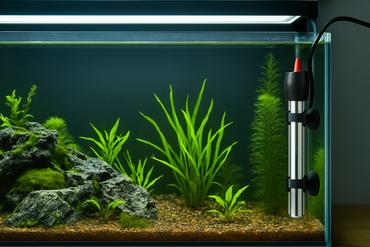
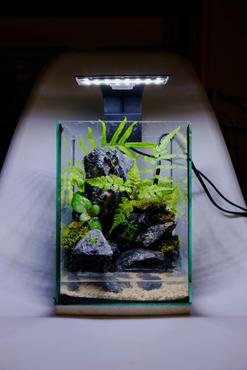
A basic system includes a fish tank, a grow bed, a water pump, and tubing to circulate water between the two. The grow bed is typically filled with a medium such as clay pebbles, which support plant roots and beneficial bacteria.
Here’s how to get started:
- Choose a tank size (20–50 gallons is ideal for beginners)
- Install a submersible pump to move water to the grow bed
- Add a grow bed above or beside the tank
- Use a growing medium like expanded clay or gravel
- Cycle the system before adding fish
- Introduce easy-to-grow plants such as lettuce or herbs
Cycling is one of the most critical steps. Just like in traditional aquariums, beneficial bacteria need time to establish. Rushing this process is a common beginner mistake that can lead to ammonia spikes and fish loss.
Another tip is to start with a low fish load and gradually increase it. This allows your system to adapt and prevents sudden imbalances.
Lighting is also important. If your system is indoors, you may need grow lights to ensure plants receive adequate light for photosynthesis.
Compatibility and Care: Balancing Fish, Plants, and Bacteria
In aquaponics, you’re not just caring for fish—you’re managing an entire ecosystem. This means balancing the needs of fish, plants, and bacteria simultaneously.
Fish compatibility remains important. Aggressive species should be avoided, especially in smaller systems where stress can spread quickly. Peaceful community fish are generally the best choice.
Key care considerations include:
- Maintain stable water temperature suited to your fish species
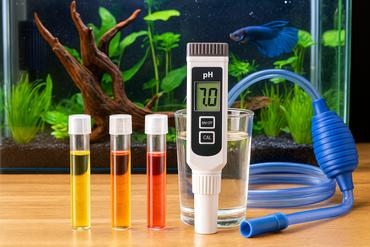
- Keep pH levels between 6.5 and 7.5 for optimal balance
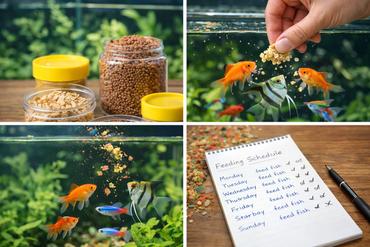
- Feed fish moderately to avoid excess waste buildup
- Monitor ammonia, nitrite, and nitrate levels regularly
- Ensure proper oxygenation with an air pump if needed
Plants also play a crucial role. Fast-growing plants like lettuce, spinach, and herbs are ideal because they absorb nutrients quickly. Slower-growing plants may not keep up with fish waste, leading to water quality issues.
For fish compatibility tips, you can refer to community fish compatibility basics to ensure a harmonious setup.
A well-balanced system results in clear water, healthy fish, and thriving plants. If any one component is off, the entire system can become unstable.
Common Mistakes Beginners Should Avoid
Even experienced aquarium hobbyists can run into challenges when transitioning to aquaponics. Being aware of common mistakes can help you avoid setbacks and build a successful system.
One of the most frequent errors is overstocking. While it might seem beneficial to have more fish producing nutrients, too much waste can overwhelm the system.
- Adding fish before the system is fully cycled
- Overfeeding fish, leading to water quality issues
- Using incompatible fish species
- Neglecting regular system checks and maintenance
- Choosing plants that are not suited for aquaponics
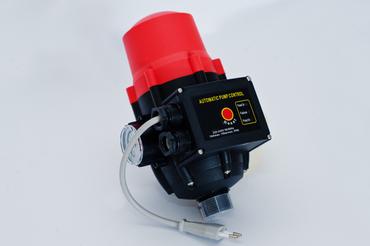
Another common issue is poor pump maintenance. A clogged or malfunctioning pump can disrupt water flow, starving plants of nutrients and reducing oxygen levels for fish.
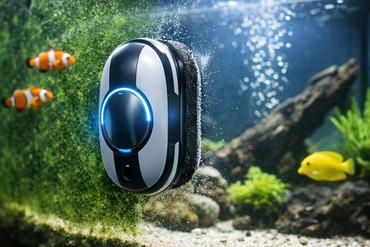
Algae growth can also become a problem, especially if the tank is exposed to too much light. Controlling light exposure and maintaining proper nutrient balance can help prevent this.
Real-world example: A beginner sets up a system with too many fish and not enough plants. Within weeks, nitrate levels rise, algae blooms appear, and fish show signs of stress. The solution involves reducing fish load, adding more plants, and stabilizing feeding habits.
Takeaway: Bringing Aquaponics Into Your Aquarium Hobby
Aquaponics 2.0 represents a natural evolution of the aquarium hobby, blending fishkeeping with sustainable food production in a way that is both practical and rewarding. It allows hobbyists to create living ecosystems that go beyond aesthetics, offering real-world benefits like fresh herbs and improved water efficiency.
For beginners, the key is to start small and focus on fundamentals—cycling your system, choosing compatible fish, and maintaining stable conditions. Intermediate hobbyists can experiment with larger systems, additional plant varieties, and automation tools.
As you gain experience, you’ll find that aquaponics becomes more than just a hobby—it becomes a lifestyle. The satisfaction of maintaining a balanced ecosystem and harvesting your own plants adds a new level of engagement to fishkeeping.
To continue learning and improving your setup, explore more expert guides on RateMyFishTank.com and take your aquarium hobby to the next level.
MOST RECENT ARTICLES