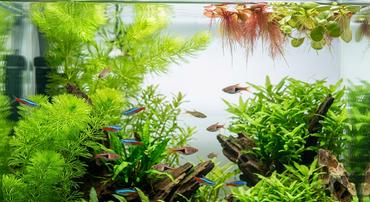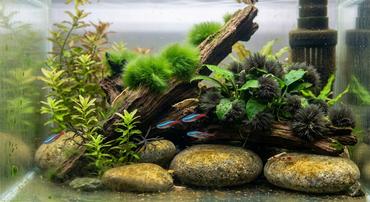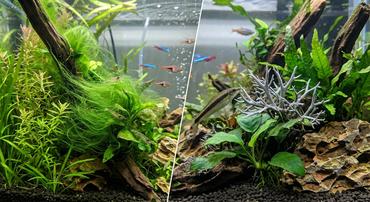
THE DARK START METHOD
What Is the Dark Start Method?
The Dark Start Method is a tank cycling technique where the aquarium is fully set up with substrate, hardscape, filtration, and water, but the aquarium lights remain completely off during the initial cycling period. No plants are added at first, and the tank is kept in darkness while beneficial bacteria establish themselves.
Traditional aquarium cycling often involves planting immediately and running the lights on a regular schedule. The problem is that fresh aquasoil and nutrient-rich substrates release ammonia and organics into the water column, creating ideal conditions for algae blooms. Without mature bacteria to process those nutrients, algae takes advantage of the imbalance.
By keeping the aquarium dark during the cycle, algae is starved of light while nitrifying bacteria develop naturally. Once the cycle is complete, hobbyists can perform a large water change, add plants, and begin the lighting schedule with far fewer algae issues.
The Dark Start Method is especially popular for:
- High-tech planted aquariums with CO2 injection
- Aquascapes using nutrient-rich aquasoil
- Large display tanks
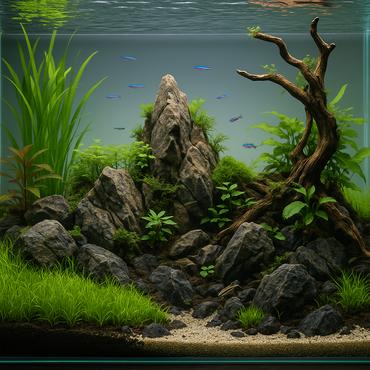
- Nature-style planted layouts
- Beginner planted aquariums prone to algae problems
If you are new to planted tanks, you may also benefit from reading the detailed guide on planted aquarium basics before starting your setup.
How to Set Up a Dark Start Aquarium
The Dark Start Method is simple, but success depends on patience and consistency. The aquarium should be completely assembled before the cycle begins.
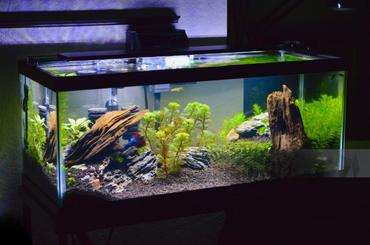
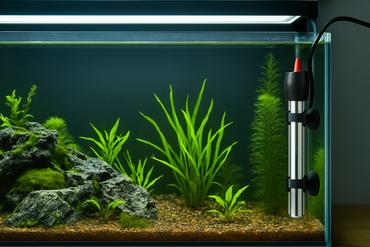
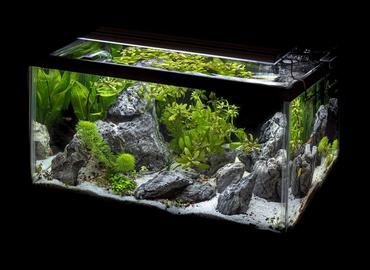
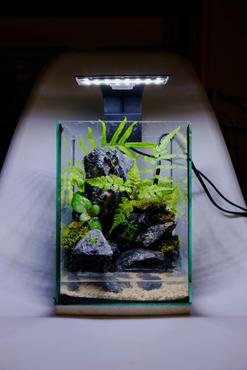
Start by adding your substrate and hardscape materials such as driftwood and rocks. Fill the aquarium with dechlorinated water and install your filter and heater. Even though the lights stay off, filtration and water movement are critical throughout the process.
The aquarium then cycles similarly to a standard fishless cycle. Beneficial bacteria grow inside the filter media and substrate while processing ammonia into nitrite and eventually nitrate.
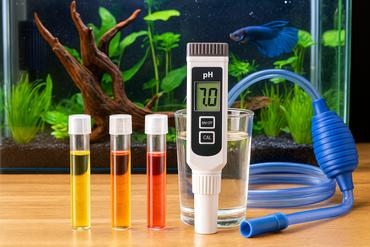
Most hobbyists either add bottled ammonia or allow nutrient-rich aquasoil to release ammonia naturally. Test the water regularly to monitor progress.
A typical Dark Start setup includes:
- Quality biological filtration
- Consistent water temperature between 75–80°F
- No aquarium lighting
- No fish or plants during the cycling phase
- Weekly water testing for ammonia, nitrite, and nitrate
The process usually takes between 3–6 weeks depending on the filter, substrate, and bacterial growth. Once ammonia and nitrite consistently read zero, the tank is considered cycled.
At that stage, most aquarists perform a large water change of 70–90% before planting. This removes excess nutrients and dissolved organics that accumulated during cycling.
One common beginner mistake is turning on the lights too early “just to check the tank.” Even small amounts of daily light exposure can trigger algae growth during the unstable phase. Keeping the aquarium fully dark is one of the biggest keys to success.
Why the Dark Start Method Reduces Algae Problems
Algae thrives in unstable aquariums with excess nutrients and insufficient biological balance. Fresh aquasoil often releases large amounts of ammonia, especially during the first few weeks. In traditional setups, aquarium lighting gives algae the energy it needs to spread quickly.
The Dark Start Method interrupts this process by removing the light component entirely.
Without light:
- Hair algae struggles to establish
- Diatom outbreaks are often reduced
- Green water becomes less likely
- Beneficial bacteria colonize surfaces more efficiently
This approach creates a cleaner foundation before plants are introduced. When the lights finally turn on, the tank already has a stable bacterial colony capable of processing waste more efficiently.
Many aquascapers who previously battled severe algae issues report dramatically improved results after switching to Dark Starts. This is especially noticeable in high-light aquariums where algae can become aggressive during the first month.
Another overlooked benefit is reduced maintenance. Traditional planted tank starts may require daily water changes during the first two weeks. Dark Start tanks often require less intervention because algae never gains momentum.
If algae is already becoming an issue in your aquarium, the guide on controlling algae growth offers additional troubleshooting tips.
Adding Plants and Fish After the Dark Start
Once the aquarium is fully cycled, it is finally time for the exciting part: planting and stocking the tank.
Because the tank is already biologically mature, plants often transition more smoothly than they would in a brand-new setup. Root systems establish faster, nutrient spikes are lower, and algae pressure is significantly reduced.
Fast-growing beginner plants work particularly well after a Dark Start because they quickly absorb remaining nutrients.
Excellent beginner-friendly plant choices include:
- Java fern
- Anubias species
- Amazon swords
- Cryptocoryne species
- Water sprite
After planting, begin with a conservative lighting schedule of about 6 hours daily. Gradually increase intensity only if the tank remains stable.
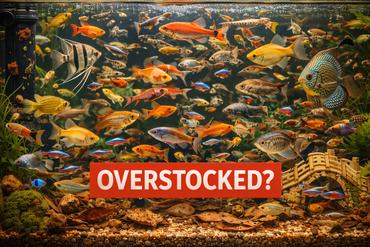
Fish should also be added slowly despite the completed cycle. Overstocking immediately can still destabilize the aquarium.
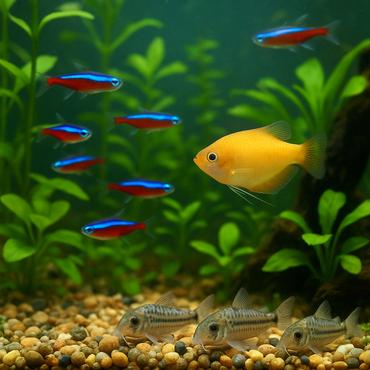
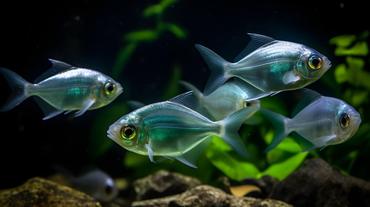
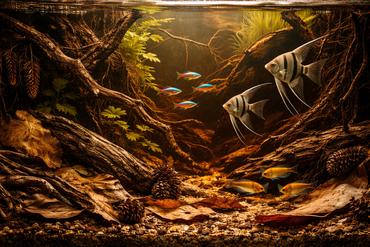
Great fish species for newly established planted tanks include:
-
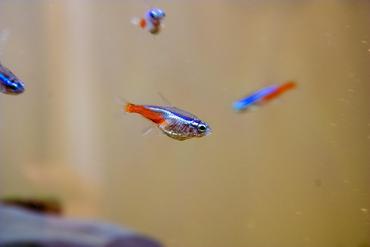
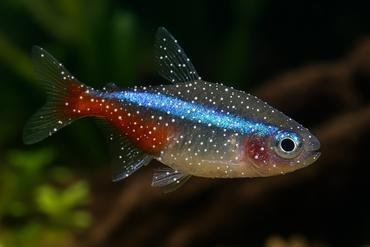
Neon Tetras
These peaceful schooling fish thrive in planted community aquariums and look stunning against lush greenery. -
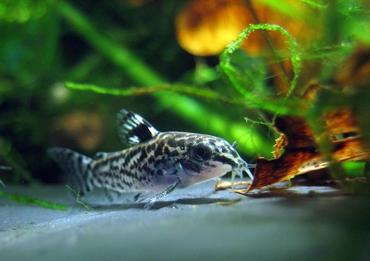
Corydoras Catfish
Corydoras help keep leftover food under control while remaining gentle on planted substrates. -
Harlequin Rasboras
Hardy and beginner-friendly, rasboras adapt well to stable planted environments. -
Otocinclus Catfish
Often introduced later, Otocinclus can assist with soft algae cleanup once the tank matures.
For additional stocking inspiration, the article on best fish for community aquariums provides excellent beginner-friendly recommendations.
Compatibility and Long-Term Care Considerations
The Dark Start Method works extremely well for planted aquariums, but it is not ideal for every setup. Understanding compatibility and maintenance expectations helps avoid disappointment later.
This method is best suited for aquariums using aquasoil or nutrient-rich planted substrates. Bare-bottom tanks or simple fish-only aquariums generally do not benefit as much because nutrient release is lower from the start.
Aquariums that benefit most include:
- Nature aquascapes
- Dutch-style planted tanks
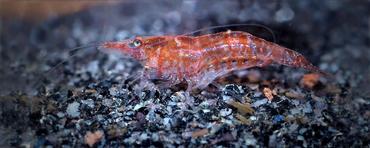
- Shrimp aquariums
- Community planted aquariums
There are also a few important care considerations after the cycle completes.
First, avoid adding delicate fish species immediately after planting. Although the bacteria cycle is complete, newly added plants still need time to stabilize nutrient uptake. Sensitive species like Discus or wild-caught fish should be introduced only after the aquarium matures further.
Second, avoid dramatically increasing light intensity too quickly. Many beginners assume the algae danger is completely gone after a Dark Start, but excessive lighting can still trigger outbreaks.
Third, remember that the Dark Start Method does not eliminate maintenance entirely. Regular water changes, filter cleaning, and nutrient management remain essential for long-term success.
CO2 systems should also be adjusted carefully after planting. Excessive CO2 combined with unstable lighting can still contribute to algae problems if plants have not fully adapted.
Finally, patience remains critical. The Dark Start Method is effective because it slows the process down and allows biological stability to develop naturally. Rushing the aquarium after cycling often defeats the purpose of using the method in the first place.
Common Mistakes to Avoid During a Dark Start
Although the method is straightforward, several common mistakes can reduce its effectiveness.
One of the biggest errors is planting too early. Some hobbyists become impatient and add plants midway through the cycle, which introduces light and nutrients before the bacterial colony is fully established.
Another mistake is neglecting water testing. Even though the aquarium stays dark, ammonia and nitrite levels still need monitoring. Blindly waiting several weeks without testing can lead to inaccurate assumptions about cycle completion.
Poor filtration is another issue. Since bacteria colonies primarily establish inside filter media, undersized or weak filtration systems can slow the process significantly.
Beginners also sometimes forget to perform the final large water change before planting. This step is important because it removes accumulated nitrate, dissolved organics, and excess nutrients from the cycling phase.
Lastly, some hobbyists introduce too many fish immediately after planting. While the biological filter may technically be cycled, plant growth and overall ecosystem balance still need time to mature.
Final Takeaway: Is the Dark Start Method Worth It?
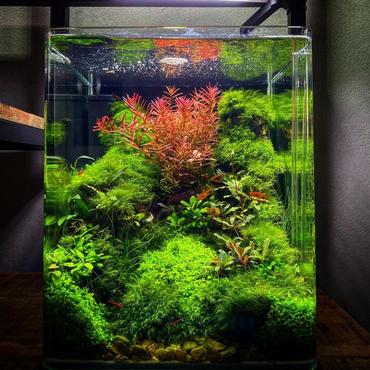
For many planted aquarium hobbyists, the Dark Start Method is one of the easiest ways to reduce algae problems and create a more stable aquarium from day one. By allowing beneficial bacteria to establish before introducing plants and lighting, the tank gains a healthier biological foundation that supports long-term success.
The method does require patience, but the payoff is often cleaner hardscape, healthier plants, fewer algae outbreaks, and reduced maintenance during those critical early weeks.
Whether you are building your first planted aquarium or refining an advanced aquascape, the Dark Start Method is absolutely worth considering. A stable beginning often leads to a healthier aquarium for years to come.
To continue improving your aquarium knowledge, explore more practical guides and fishkeeping tips throughout RateMyFishTank.com and learn from experienced hobbyists who have successfully built thriving planted ecosystems.
MOST RECENT ARTICLES